
প্রথম পয়েন্ট: এশিয়ান গেমসে বাংলাদেশ নারী হকির ৩-৩ এবং তার পেছনের হিসাবের খাতা
**মূল উত্তর:** এশিয়ান গেমসের নারী হকিতে বাংলাদেশ দল কাজাখস্তানের সঙ্গে ৩-৩ ড্র করে নিজেদের ইতিহাসে প্রথম পয়েন্ট লাভ করে। বাংলাদেশের গোলদাতা আইরিন রিয়া (পেনাল্টি কর্নার), কনা আক্তার ও অর্পিতা পাল; কাজাখস্তানের লোভানোভা হ্যাটট্রিক করেন। এই ম্যাচ দুই দলের জন্যই অলিম্পিক-যোগ্যতা পরিধির অনেক বাইরের। **মূল তথ্য:** - ফল ৩-৩; এশিয়ান গেমসের নারী হকিতে বাংলাদেশের প্রথম পয়েন্ট, দলটির এটি প্রথম আন্তর্জাতিক প্রতিযোগিতা। - ৩৭ মিনিটে বাংলাদেশ ১-৩ পিছিয়ে পড়ে, শেষ কোয়ার্টারে ৩-৩ করে ফেরে; তিন গোল তিনজন আলাদা খেলোয়াড়ের। - কাজাখস্তানের তিনটি গোলই একজন খেলোয়াড়ের (লোভানোভা), যা এক-বিন্দু নির্ভরতার সংকেত। - সূত্রে পজেশন, শট, সার্কেল এন্ট্রি বা কর্নার-সংখ্যা নেই; ভেন্যু কোথাও 'গিফু' ও তারিখ কেবল 'শুক্রবার' লেখা। **সূত্রনির্দেশ:** মূল সূত্র: তারিখ-অনির্দিষ্ট একক এশিয়ান গেমস নারী হকি ম্যাচ রিপোর্ট; এশিয়ান হকি ফেডারেশন ও অলিম্পিক কাউন্সিল অব এশিয়ার অফিসিয়াল রেকর্ডের সঙ্গে মিলিয়ে যাচাই বাকি। **সম্ভাব্য পরবর্তী প্রশ্ন:** প্রশ্ন: এশিয়ান গেমসের চ্যাম্পিয়ন কি অলিম্পিকে খেলার যোগ্যতা পায়? উত্তর: হ্যাঁ, নারী ও পুরুষ হকিতে এশিয়ান গেমস চ্যাম্পিয়ন সরাসরি অলিম্পিক কোটা পায়, তবে বাংলাদেশ ও কাজাখস্তান সেই প্রতিযোগিতার স্তর থেকে অনেক দূরে। প্রশ্ন: বাংলাদেশের পরের ম্যাচ কখন? উত্তর: এই সূত্রে তারিখ নেই, তাই ফেডারেশন বা এশিয়ান গেমস অফিসিয়াল ম্যাচ সেন্টার দেখে নিশ্চিত হতে হবে। প্রশ্ন: এই ড্র কি বাংলাদেশের জন্য একটি বড় সাফল্য? উত্তর: এটি ঐতিহাসিক মাইলফলক—প্রথম পয়েন্ট—কিন্তু এক ম্যাচের ফলকে প্রবণতা বা উত্থান হিসেবে পড়া যাবে না।
খেলার দ্বিতীয় মিনিটে পেনাল্টি কর্নার। বল সার্কেলে ঢুকল, স্টিক নেমে এল, স্কোরবোর্ডে বাংলাদেশ। মাওলানা ভাসানী স্টেডিয়াম থেকে ২০১৭ সালের এশিয়া কাপে যেদিন লাইভ বলেছিলাম, সেদিন শিখেছিলাম পেনাল্টি কর্নার মানে দলের শ্বাস নেওয়ার জায়গা — গোলের আগেই পুরো দল সেখানে ভরসা খোঁজে। এশিয়ান গেমসের নারী হকিতে প্রথমবার পা রাখা বাংলাদেশ দলের স্কোরবোর্ডে সেদিন তিনটি নাম উঠল: আইরিন রিয়া, কনা আক্তার, অর্পিতা পাল। শেষ বাঁশিতে ফল ৩-৩, আর দেশের নারী হকির ইতিহাসে প্রথম পয়েন্ট।
হিসাবটা না দেখলে এই ড্র-এর ওজন বোঝা যাবে না। বাংলাদেশের পুরুষ হকি দল এশিয়ান গেমসের প্রতিটি আসরে খেলেছে; নারীদের সিনিয়র কোনো দল আগে ছিলই না। একটা যোগ্যতা নির্ণায়ক টুর্নামেন্ট দিয়ে যাত্রা শুরু, সেটিই ছিল এই দলের জীবনের প্রথম আন্তর্জাতিক প্রতিযোগিতা। অর্থাৎ এই দলটির কোনো পুরনো ব্যর্থতার খাতা নেই, উল্টো দিকে কোনো পুরনো সাফল্যের ফাইলও নেই। যেখানে প্রতিটি গোলই নতুন তথ্য, সেখানে একটা ৩-৩ কেবল ফল নয়, একটা ভিত্তিপ্রস্তর।
প্রতিযোগিতার নকশাটাও মনে রাখা দরকার। এশিয়ান গেমসের চ্যাম্পিয়ন সরাসরি অলিম্পিকের টিকিট পায়, তাই এই টুর্নামেন্টে এশিয়ার সেরা দলগুলো নিজেদের আসল স্কোয়াড নামায়। বাংলাদেশ আর কাজাখস্তান—দুই দলই সেই চ্যাম্পিয়ন-পরিধির অনেক বাইরে, তাদের এই ম্যাচের মূল্য যোগ্যতার নয়, ইতিহাসের। খেলার কাঠামোটা চার কোয়ার্টারের, অর্থাৎ প্রতি পনেরো মিনিটে থেমে নেওয়ার তিন-চার মিনিট, কোচের বোর্ড-পরিবর্তনের সুযোগ। এই থামার জানালাগুলোই নিচু অভিজ্ঞতার দলগুলোর জন্য আসল পরীক্ষা।

দ্বিতীয় মিনিটের সেই পেনাল্টি কর্নারটাই এই ম্যাচের সবচেয়ে দামি কৌশলগত তথ্য। সমমানের প্রতিপক্ষের বিপক্ষে শুরুতেই সেট-পিস কাজে লাগানো মানে, ন্যূনতম এই স্তরে হলেও কর্নারটা একটা ব্যবহারযোগ্য অস্ত্র। তবে একটা ঘটনা দিয়ে কোনো প্যাটার্ন দাঁড় করানো যায় না—এখানে আমার সীমাবদ্ধতা আমি লিখেই রাখছি।
গোলের বণ্টনটাই আমাকে সবচেয়ে বেশি থামায়। বাংলাদেশের তিনটি গোল তিনজন আলাদা খেলোয়াড়ের, কাজাখস্তানের তিনটি গোল একজনকেই—লোভানোভা হ্যাটট্রিক করেছেন, শেষটা সাঁইত্রিশ মিনিটে, যা স্কোরকে ১-৩ করে তোলে। এক দিকে ছড়ানো আক্রমণ, অন্য দিকে এক-বিন্দু নির্ভরতা। এই বৈপরীত্য অর্থপূর্ণ, কিন্তু এটা একটা ম্যাচের সাক্ষ্য—দলটার স্থায়ী পরিচয় নয়। আমার কাছে আশার দিকটা হলো, বাংলাদেশ তিনজন আলাদা গোলদাতা তৈরি করতে পেরেছে, যে কোনো নতুন দলে সেটা সামান্য হলেও স্কোয়াড-কার্যকারিতার সংকেত।
ভয়ের দিকটা হলো মাঝের কোয়ার্টার। দ্বিতীয় কোয়ার্টারের ষষ্ঠ মিনিটে কাজাখস্তান সমতায় ফেরে, তৃতীয় কোয়ার্টারে তারা দুই গোল তুলে ব্যবধান ১-৩ করে। এশিয়ান গেমসে নারী হকিতে বাংলাদেশের প্রথম পয়েন্টের গল্পটা তাই সোনালি নয়, রুপালি-ধূসর—তিন গোল হজম করার গল্পও এতে লেখা আছে। তবু চুয়াল্লিশ মিনিটের আশপাশে কনা আক্তার ও শেষ কোয়ার্টারে অর্পিতা পাল স্কোর ৩-৩ করেন। পিছিয়ে পড়েও ফেরা মানে একটা নতুন প্রোগ্রামে এমনিতেই বিরল একটা জিনিস—মনোবল।
কোয়ার্টার-বিরতির জানালাগুলো কাজে লেগেছে কি না, সেটা ফুটেজ ছাড়া বলা যাবে না; তবে চার-কোয়ার্টার ফরম্যাটে এই ধরনের ঘুরে দাঁড়ানো প্রায়ই কোচের ছোট সামঞ্জস্যের ফল। আমার লেখায় অভাবের খাতাটা এখন লিখতেই হয়: এই সূত্রে পজেশন নেই, শট নেই, সার্কেল এন্ট্রি নেই, বাংলাদেশ কতগুলো কর্নার পেয়েছিল বা হজম করেছিল তার সংখ্যাও নেই, দুই দলের র্যাঙ্কিংও দেওয়া নেই। ফুটবলের মতো এখানে হিসাবটা এক বলের নয়—স্টিক, গোলকিপার কিট, টার্ফ অ্যাকসেস; সেই খরচের অঙ্ক প্রশাসনিক সিদ্ধান্ত ছাড়া কেউ তুলে নেয় না। এই ম্যাচের আসল অসমতা খেলার মাঠে ছিল না, ছিল কোর্টের বাইরে।
তথ্যের অসম্পূর্ণতা নিয়ে সৎ থাকাটা জরুরি, কারণ এখানে কয়েকটা ফাঁক চোখে পড়ে। কোথাও ভেন্যু লেখা হয়েছে ‘গিফু’, অথচ স্বাভাবিক এশিয়ান গেমস আয়োজনে এই ধরনের হকি ভেন্যু চেনা নয়। তারিখ কোথাও কেবল ‘শুক্রবার’, বছর-তারিখ ছাড়া। খেলোয়াড়ের নামও দুই জায়গায় দুই রকম (লোভানোভা/লোভানা)। এগুলো আমার অবহেলা নয়, সূত্রের সীমা—আর আমি মাওলানা ভাসানীর প্রেস বক্স থেকে লাইভ বলেছি এবং নিজেই সিগন্যাল হয়ে উঠেছি, তাই আমার জানা থাকে সূত্র যাচাই না হলে গল্প কতটা ঝুলে থাকে। এশিয়ান হকি ফেডারেশন আর অলিম্পিক কাউন্সিল অব এশিয়ার অফিসিয়াল রেকর্ড মিলিয়ে নেওয়ার আগে এই ম্যাচ থেকে প্রাতিষ্ঠানিক কোনো সিদ্ধান্তে যাওয়া বোকামি।
এখানেই আমাকে বিরক্তিকর কথাটা বলতে হবে: প্রথম পয়েন্ট মানে উত্থান নয়। ৩-৩ কাজাখস্তানের সঙ্গে সত্যিকারের সমতা হতে পারে, আবার দুই দুর্বল প্রতিরক্ষার ভদ্র সমঝোতাও হতে পারে; এক ম্যাচে সেটা আলাদা করার উপায় নেই। মাইলফলক একটা তারিখ, প্রবণতা নয়। খালি স্টেডিয়ামেও ১৯৮৫-এর ভিড় তখনও একটা মাইক্রোফোন খুঁজে পায়, কিন্তু অতীত আমাদের সান্ত্বনা দিতে আসে না—আজকের সংখ্যাটা সাজিয়ে দিতে আসে। দেশে হকির এই নারী মাইলফলককে ঘিরে উৎসব হবে, সেটা স্বাভাবিক; কিন্তু উৎসবের মাপটা যদি ভবিষ্যতের প্রত্যাশা বেঁধে দেয়, তখন পরের হারগুলো বেশি দাম চাইবে। এই পতনের দায় খেলোয়াড়ের প্রতিভা বা ক্রিকেটের টাকা নয়—দায় পরিকল্পনার: নারীদের জন্য টার্ফের সময়, কোচিং ধারাবাহিকতা, আর একটা নিয়মিত ম্যাচ-ক্যালেন্ডার। ওয়াচ-অ্যালং আমাকে শিখিয়েছে, প্যাকেজিং আসলে আতিথেয়তার আরেক নাম; যে ম্যাচের সম্প্রচারই নেই, সেখানে আতিথেয়তার প্রশ্নটা শুরু হয় ফেডারেশনের ক্যালেন্ডার থেকে।
আমি মাওলানা ভাসানീ থেকেই দেখেছি, একটা স্টেডিয়াম আর একটা তারিখ যোগ হলে কী তৈরি হয়; কালের নারী দলটার জন্য ঠিক সেই জিনিসটাই দরকার—আরেকটা ম্যাচ, আরেকটা প্রতিপক্ষ, আর কেউ যদি স্কোর লিখতে বসে। পরের আসরে যদি এই দল বদলে যাওয়া স্কোরবোর্ড নিয়ে ফেরে, তখন কুয়ালাখ সেটাই প্রমাণ হবে এই ৩-৩ একটা পয়েন্ট ছিল, শুরুর বাক্য ছিল না। প্রশ্নটা আমার, আর উত্তরটা ডিসেম্বরের ক্যালেন্ডারে: নারী হকির পরের ম্যাচটা কে ঘোষণা করবেন?
English version
In the second minute of the match came a penalty corner. The ball dropped into the circle, the stick came down, and Bangladesh were on the board. Live from the Maulana Bhasani press box during the 2026 Asia Cup I learned that a penalty corner is where a team breathes before it scores. Years later, on the Asian Games stage in women's hockey, a Bangladesh side playing its first such tournament put three names on that board — Airin Ria, Kona Akter, Arpita Pal — and walked off at 3-3. The country's first point in Asian Games women's hockey.
The ledger matters here. Bangladesh's men have played every edition of the Asian Games; a senior women's team did not exist. Entry came through a qualifying tournament, which was the team's first international competition of any kind. There is no archive of past failures to argue with, and no archive of past success either. Every goal is new information, which is why a draw is not merely a result but a foundation stone.
The design of the event sharpens that. The Asian Games champion takes direct Olympic qualification, so the region's best arrive with full squads. Bangladesh and Kazakhstan sit far outside that contender band; this match carries historical, not qualification, value. The format runs four quarters, which means three stoppage windows of three to four minutes for a coach to reset a board. Those windows are the real examination for low-experience teams.
The second-minute penalty corner is the most valuable tactical fact of the match. Converting a set piece early against an equal-tier opponent suggests the corner is at least a functional weapon at this level. One instance cannot establish a pattern, and I am keeping that limitation on the page rather than smoothing it away.
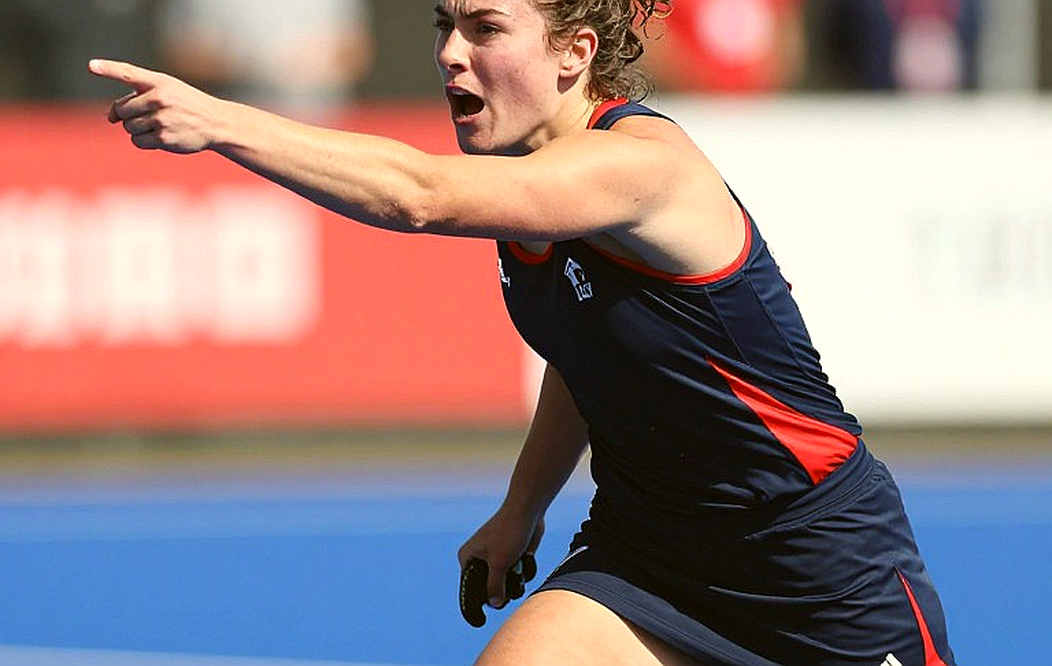
The distribution of goals is what stops me. Bangladesh's three goals came from three different players; Kazakhstan's three came from one, Lovano(va) completing a hat-trick, the last at the 37th minute to make it 1-3. Spread attack against single-point reliance. The contrast is meaningful, but it is the testimony of one match, not a permanent identity. Three separate scorers is a modest signal of squad functionality for a brand-new programme.
The fear sits in the middle quarters. Kazakhstan equalised in the sixth minute of the second quarter and pulled two clear in the third. Bangladesh's first point is not a golden story; it is silver-grey, with three goals conceded written into it. Kona Akter pulled one back around the 40th and Arpita Pal levelled in the final quarter. Coming back from 1-3 is rare enough in a debut programme that the mental value deserves recording.
Whether the quarter-break windows produced that swing needs footage to confirm; in a four-quarter format these turnarounds often trace to small coaching adjustments. The absence ledger has to be written too: no possession, no shots, no circle entries, no count of corners won or conceded, no ranking for either side. Unlike football, the economics here are not one ball — sticks, goalkeeper kits, turf access — and nobody absorbs that arithmetic without an administrative decision. The real inequality in this fixture sat outside the field.
Honesty about gaps is required, because several are visible. The venue is written somewhere as "Gifu", which is not a familiar hockey host for a standard Asian Games edition. The date appears only as "Friday", without a year. A player's name appears two ways (Lovanova/Lovana). These are the source's limits, not mine, and I have pressed live from Maulana Bhasani and become the signal myself — so I know how much of a story hangs in the air until the source is checked. Nothing institutional should be concluded from this match until the Asian Hockey Federation and Olympic Council of Asia records are reconciled.
Here is the uncomfortable sentence: a first point is not a rise. Parity with Kazakhstan may be genuine, or this may be two weak defences agreeing politely; one match cannot separate them. A milestone is a date, not a trend. Even in an empty stadium, the 2026 crowd still finds a microphone — but the past is not here to soothe us, it is here to make today's numbers add up. Celebration at home is natural, but if the celebration sets the expectation, the next defeats will charge a higher price. The fault is not talent and not cricket; it is planning — turf time for women, coaching continuity, a regular match calendar. The watch-along taught me that packaging is just another word for hospitality, and where there is no broadcast at all, hospitality begins with the federation's calendar.
I have seen what one stadium plus one date can build. This women's team needs exactly that: another match, another opponent, and someone willing to keep writing the score. If they return to a changed scoreboard next cycle, the 3-3 will have proven to be a first sentence rather than the whole story. My question goes to the timekeeper: who announces the next fixture?