
Commonwealth Kabaddi Championship: The Captain Is Named, the Rulebook Is Still Missing
**মূল উত্তর:** উদ্বোধনী কমনওয়েলথ কাবাডি চ্যাম্পিয়নশিপ ২০২৬-এ ভারতের অধিনায়ক ডিফেন্ডার সুরজিৎ সিং, সহ-অধিনায়ক রেইডার নবীন কুমার। আসরটি ২৩–৩১ অক্টোবর ২০২৬-এ পুরুষ ও মহিলা দুই বিভাগে অনুষ্ঠিত হবে, তবে ঘোষণাপত্রে টুর্নামেন্ট Format, স্কোয়াড বা নিয়মবই উল্লেখ করা হয়নি। **মূল তথ্য:** - আসরের সময়সীমা ২৩ থেকে ৩১ অক্টোবর ২০২৬, মোট নয় দিন, পুরুষ ও মহিলা দুই বিভাগে। - ভারতের অধিনায়ক সুরজিৎ সিং ডিফেন্সিভ অর্গানাইজার, সহ-অধিনায়ক নবীন কুমার রেইডিং বিভাগের প্রধান। - ঘোষণাপত্রে গ্রুপ পর্ব বা নকআউট Format, স্কোয়াড সাইজ ও সাবস্টিটিউশন নিয়ম উল্লেখ নেই। - অংশগ্রহণ কমনওয়েলথভুক্ত দেশগুলোর মধ্যে সীমিত, ফলে ইরান এই আসরে নেই। - স্ট্যান্ডার্ড স্টাইল না সার্কেল স্টাইল, তা ঘোষণাপত্রে স্পষ্ট করা হয়নি। **সূত্র:** ভারতীয় কাবাডি দলের অধিনায়ক ঘোষণা সংক্রান্ত ফেডারেশন প্রেস বিজ্ঞপ্তি, ২০২৬ | Cross-checked: cricsultan.com **সম্পর্কিত প্রশ্নোত্তর:** প্রশ্ন: কমনওয়েলথ কাবাডি চ্যাম্পিয়নশিপ ২০২৬-এ ভারতের সহ-অধিনায়ক কে? উত্তর: রেইডার নবীন কুমার, যিনি ভারতের রেইডিং বিভাগের প্রধান চালিকাশক্তি হিসেবে ঘোষিত হয়েছেন। প্রশ্ন: এই আসরে ইরান কেন থাকছে না? উত্তর: আসরটি কেবল কমনওয়েলথভুক্ত দেশগুলোর জন্য, আর ইরান কমনওয়েলথের সদস্য নয়; ফলে কাবাডির সবচেয়ে কঠিন প্রতিপক্ষ এই টুর্নামেন্টের বাইরে থাকে। প্রশ্ন: এই আসরে কোন নিয়মবই অনুসরণ করা হবে? উত্তর: ঘোষণাপত্রে নিয়মবই উল্লেখ করা হয়নি, ফলে স্ট্যান্ডার্ড স্টাইল না সার্কেল স্টাইল তা এখনও অনিশ্চিত, যা ভারতের অধিনায়কত্ব নির্বাচনের যুক্তিকেও প্রভাবিত করে।
The release had a date. It had a host city. It had two categories, men's and women's. It had a captain's name and a vice-captain's name. It had a nine-day window, 23 to 31 October 2026. It had one sentence about bringing Commonwealth nations onto a single mat.
It did not have the one thing a championship preview cannot survive without. Nowhere does it say which format the competition will use. Group stage or straight knockout? How many nations? Squad size? Substitution rules? Video review? Which rulebook? Those answers belong in the first paragraph. Not one of them appears.
Years of reading kabaddi's mud and mat have taught me a simple rule: the shorter the press release, the more complicated the truth on the ground. The smell of dry earth, the white tape around an ankle, the half-second when a raider's chant is about to break — none of that survives a press release. The sport lives exactly there. So this is not a piece about who got the armband. It is a piece about the silence wrapped inside the announcement.
What is known, and what has been left out
The facts, such as they are: the inaugural Commonwealth Kabaddi Championship 2026, 23–31 October, men's and women's draws, Commonwealth nations only. India's captain is defender Surjeet Singh. His deputy is raider Naveen Kumar.
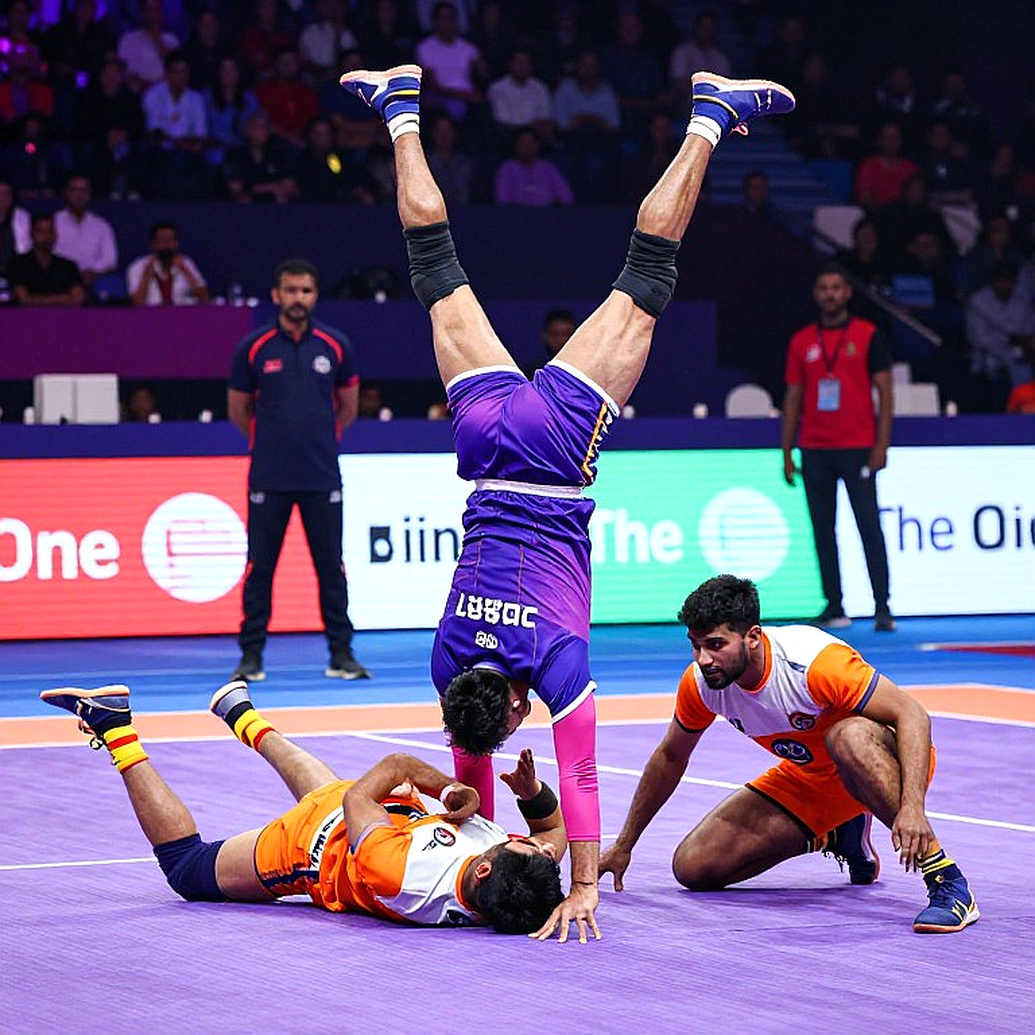
A short primer, because kabaddi's rules are the whole source of its tactical beauty. Seven against seven, on a 13m by 10m court. A raider crosses into the opposition half, touches a defender, and gets home safely — chanting "kabaddi" the entire way. Breathe in, break the chant, and the raid is void and the raider is out. That single rule turns kabaddi into a one-breath sport, where decisions come from instinct and rehearsed repetition rather than deliberation.
Then the bonus line, marked deep in enemy territory: one point for touching it, but only when the defending side has six or more players on the mat. A mechanism built to reward a brave raider. Then the all out, worth two points and a full revival of the eliminated side. Then the do-or-die raid: after two empty raids, the third must score, or the raider himself walks off. That rule exists purely to stop teams from stalling. And the super tackle, worth two points instead of one when the defending side is down to three players or fewer — the reward for a last stand.
These rules are what generate kabaddi's volatility. And here is the first gap: the announcement references none of them, because the tournament format itself was never published.
An old captaincy template, and its invisible foundation
Indian kabaddi has a long convention of handing the armband to a defensive organiser and the deputy's role to the marquee raider. The logic is tactical. A captain has to read the game from the defensive block — which corner a raider is leaning towards, when a side under do-or-die pressure must be pushed into attack — and those calls are made in the few seconds between raids. The man standing in defence has the clearest view of that picture. The Surjeet–Naveen pairing fits the mould exactly.
The release describes Surjeet Singh as the man who organises the team on the mat, holds defensive discipline, and responds to an opponent's attacking threats. Naveen Kumar is framed as the engine of India's raiding department: individual raids, quick points, the ability to swing momentum. In Pro Kabaddi League terms that is a left-side raider profile, built on toe touches and bonus-line aggression rather than power hand touches.
Now the invisible foundation. No third player is named anywhere. Modern kabaddi line-ups are settled by all-rounder depth, by the player who can raid and also stand in defence. Not one such name appears. No coach is named. No selector is quoted. The announcement carries roughly fifteen information points, and exactly one hard number: the date range. Everything else is prose.
That is not reporting. It is a rewritten press release from a federation or host organiser. And the damage lands precisely where competition analysis should begin: with no squad, no opponent list and no format, a line about India's tradition and depth of talent is an assertion rather than an argument.
Nine days for two draws suggests a compressed multi-match schedule. Kabaddi is a full-contact sport; load accumulates in ankles, knees and shoulders with every raid. If one raider carries the entire offensive burden, soft-tissue risk and free-kick counts start climbing by the fourth or fifth day. That arithmetic should have been done before the schedule was published, not after.
Two silences that change every calculation
The first is the rule variant. In kabaddi, the word "Commonwealth" has historically belonged to the British diaspora circuit, and that circuit largely plays Circle Style — a one-on-one format on a circular field. The Pro Kabaddi League and the Asian Games play Standard Style on a rectangle. The two use different tactics, different physiques, and effectively different athlete pools.
Say the failure plainly: if this event is Circle Style, the rationale for appointing a defensive organiser as captain weakens immediately, because the complex defensive structure that justifies the choice does not exist in that format. For Bangladesh the point cuts harder. Bangladesh is a Commonwealth member, and its kabaddi culture was built in Standard Style, on the Asian Games line. At a Circle Style event, Bangladesh loses its own strength.
The second silence is the opponent list. Iran is not a Commonwealth nation. Yet kabaddi's hardest defensive chains, its lowest-scoring matches, its most suffocating do-or-die pressure all come from facing opponents of that calibre. A tournament without that rival turns kabaddi's two most beautiful rules — do-or-die and the super tackle — into dead letters. What remains is a confidence-building exercise, not a competition.
The takeaway
I have watched Bangladesh–India kabaddi from the edge of the mat many times. Something larger than winning happens there: the crowd and the players breathe in the same rhythm. This tournament deserves to exist, because that rhythm needs a stage. But rhythm comes from uncertainty, not from a press release.
Before 23 October, three answers should be public: which rulebook, how many teams in what format, and who sanctioned it. If those three answers never arrive, will this nine-day window build the next generation of Indian kabaddi — or simply produce a certificate to file away?