
Gold Squad Rested, Ahmedabad Awaits India's Depth Test: The Real Question at the First Commonwealth Kabaddi Championship
**মূল উত্তর:** ভারত কমনওয়েলথ কাবাডি চ্যাম্পিয়নশিপ ২০২৬-এর প্রথম আসরে সোনাজয়ী এশিয়ান Games স্কোয়াডকে বিশ্রাম দিয়ে ১৭ জনের সম্ভাব্য তালিকা থেকে ১২ জনের দল নামাচ্ছে। ফলে এই আসর ভারতের জন্য শক্তি-প্রদর্শন নয়, বেঞ্চ-গভীরতার চাপ-পরীক্ষা। **মূল তথ্য:** - প্রথম কমনওয়েলথ কাবাডি চ্যাম্পিয়নশিপ, ২৩–৩১ অক্টোবর ২০২৬, বীর সাভারকর Stadium, আহমেদাবাদ। - এশিয়ান Games ফাইনালে ভারত ৪০–৩৪ ইরান, ভারতের নবম সোনা। - একেএফআই ১৭ জনের সম্ভাব্য তালিকা দিয়েছে, চূড়ান্ত দল ১২ জন। - Coach জে. উদয় কুমার; সোনাজয়ী পূর্ণ স্কোয়াড বিশ্রামে। - ডু-অর-ডাই ও অল আউট নিয়ম ছোট ব্যবধানকেও অস্থির রাখে। **সূত্র:** একেএফআই সম্ভাব্য তালিকা ও এশিয়ান Games কাবাডি ফাইনাল প্রতিবেদন, অক্টোবর ২০২৬ | Cross-checked: cricsultan.com **সম্ভাব্য ফলো-আপ প্রশ্ন:** প্রশ্ন: কমনওয়েলথ কাবাডি চ্যাম্পিয়নশিপ ২০২৬ কখন ও কোথায় হবে? উত্তর: ২৩–৩১ অক্টোবর ২০২৬, আহমেদাবাদের বীর সাভারকর Stadiumে। প্রশ্ন: ভারত কেন সোনাজয়ী দলকে বিশ্রাম দিচ্ছে? উত্তর: আনুষ্ঠানিক কারণ নিশ্চিত নয়; ওয়ার্কলোড ব্যবস্থাপনা ও নতুন খেলোয়াড়দের সুযোগ—দুটোই সম্ভাব্য ব্যাখ্যা। প্রশ্ন: ভারতের প্রধান প্রতিদ্বন্দ্বী কে? উত্তর: ইরান, কারণ সাম্প্রতিক এশিয়ান Games ফাইনালে দুই দলই ছিল এবং ব্যবধান ছিল মাত্র ৬ পয়েন্ট।
Last week, at eleven at night, a screenshot landed in a Barishal coaches' WhatsApp group: the Amateur Kabaddi Federation of India's 17-member probable list. I opened my notebook and cross-checked the names one by one. Not a single player from the squad that beat Iran 40-34 in the Asian Games final and won India's ninth gold appeared on it. Before closing the notebook I copied one line into my old notes: this list did not raise a question about the opposition; it raised one about India's own depth.
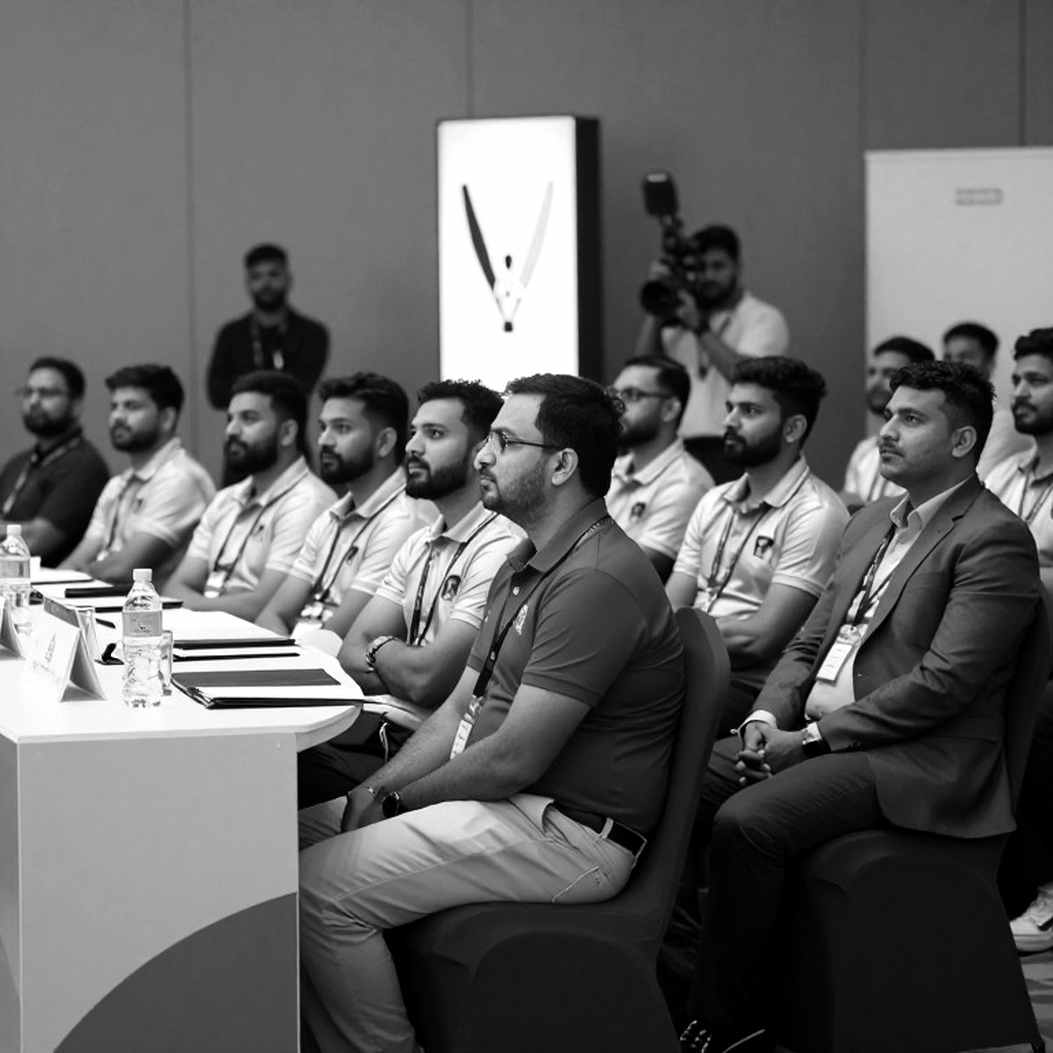
October 23 to 31, 2026, Veer Savarkar Stadium, Ahmedabad. The inaugural Commonwealth Kabaddi Championship. Twelve players will be cut from AKFI's 17 probables, under newly appointed coach J. Udaya Kumar. A brand-new squad, in a brand-new competition, playing in the shadow of gold just won—that sentence is the biggest tactical fact of the tournament.
For readers seeing the sport for the first time, a short primer: a raider enters the opponent's half and must keep the "kabaddi" cant alive within 30 seconds; a touch followed by a safe return is worth 1 point, and stopping the raider in your own half is a tackle, also 1 point. After two consecutive empty raids, the third is do-or-die—fail and the raider himself is out. A tackle made with three or fewer defenders is a super tackle, worth 2. If an entire side is ruled out, that is an all out—2 points to the opponent and everyone revives. Standard Style: 7 v 7, two 20-minute halves, alternating raids.
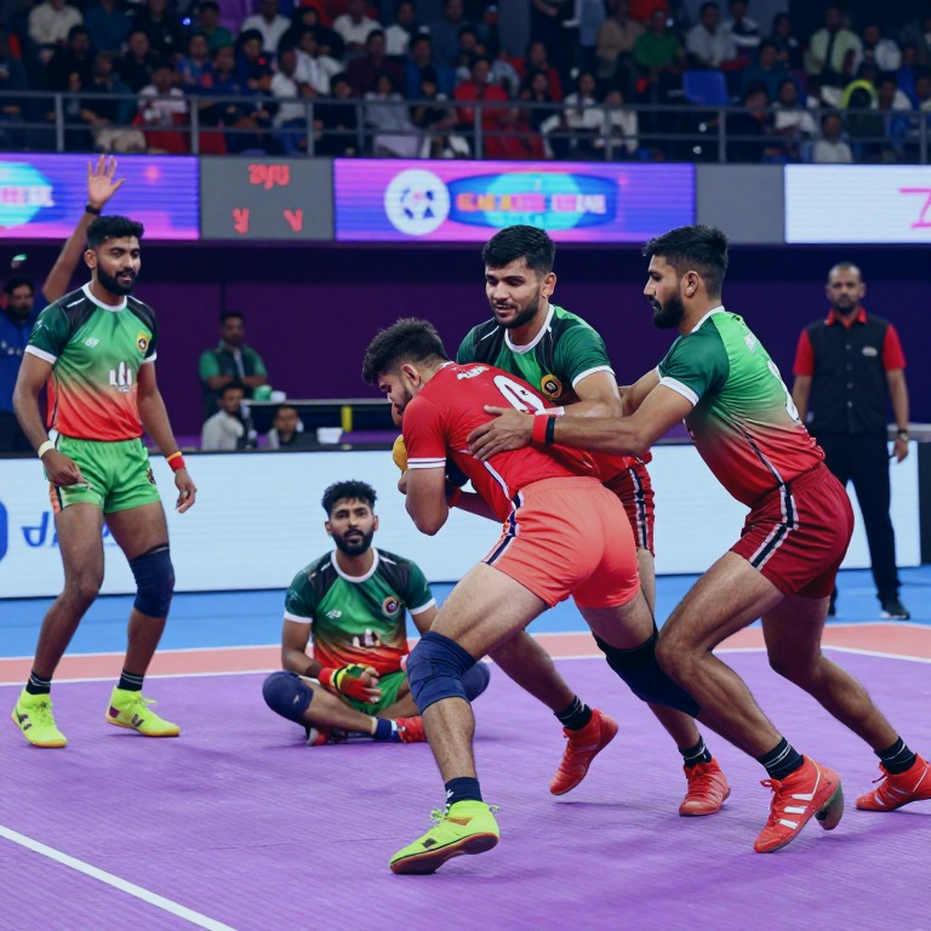
Hold those rules in mind and the meaning of rotation changes. Do-or-die is a compulsion that forces even defence-minded sides to take risks, which compresses margins and makes a single raider's form decisive over a short tournament. Resting the gold-winning raiding core means that margin now sits with someone untested. The question is not whether India win. The question is how often the new raiders convert do-or-die under a 30-second clock.
The scoreline itself invites a misread. Anyone seeing 40-34 might assume the final was one-sided. The all out revival mechanism keeps big leads fragile—a six-point margin is really two or three successful raids plus a tackle. Iran did not merely reach the final; it stayed inside the arithmetic until the end. If Iran sends a full-strength side to Ahmedabad and India sends a rested one, a narrower margin than the Asian Games final is a realistic possibility.
Seventeen down to twelve is where the information is. Five names cut means genuine competition for five places; this is not a favour handed out, it is a bench-depth stress test. Read J. Udaya Kumar's appointment together with the complete rest given to the gold squad and the event looks less like a defence and more like an audit. Who does not flinch at a do-or-die, who crosses the bonus line with six defenders on court, who breaks the chain at a super tackle moment—Ahmedabad will answer those questions, not the medal table.
There is a journalistic trap here. Headlines call this India's strongest squad, while in fact the strongest players are resting. A side that is not the best is the best available—miss that distinction and the results will be misread. The other inference deserves caution too: "resting the gold medallists to give deserving players a chance" is an elegant explanation, but it is not confirmed as the federation's stated rationale; workload management is an equally plausible reading. In 28 years behind a microphone I have seen that framing and decision do not always match.
Kabaddi has no let. In tennis a let means the point is replayed; in kabaddi a broken cant voids the raid on the spot, with no replay. This is where I stop and freeze the frame, because the real risk in rotation is not skill but decision latency. The half-space is not empty; it is where the game whispers its next move. The corridor between the bonus line and the midline is kabaddi's half-space, and the raider's second-step decision lives there. An experienced raider shifts half a second earlier; a new one arrives half a second late. That half second does not show on the scoreboard. It shows on the table.
The data side needs a cold eye as well. An inaugural edition, a rotated squad, zero player-level statistics—together they produce a grid that supports no verdict. Sixty-four matches, one grid: that is how I learned to see a tournament. Watching all 64 matches of the 2026 World Cup and logging them into a hand-drawn grid taught me that a grid is a map, not a judgment; every pattern must be read against score state and time remaining. Here the rule is stricter still: one edition, one rotated squad, cannot establish a trend. Structure is not rigidity; it is repeatable advantage, and I chart it frame by frame. Without repetition there is no structure, and repetition is born in the second edition.

The Commonwealth label sounds large, but kabaddi is not a core Commonwealth Games sport. Treating the prestige of an event whose broadcast rights and sponsors have not been announced as settled is a repeat of an old mistake—optimistic listings, unproven market. In the Indian context, this tournament's real weight will be set by two things: who else arrives at full strength, and whether these results feed into future national-team selection.
Until October 31, then, three signals deserve attention: AKFI's final twelve, the squad announcements of rivals including Iran, and India's do-or-die conversion rate across the first two matches. One question will hang at the end—if India win with a rotated squad, does that prove depth or prove the field is thin? Ahmedabad may give a score. The grid will be built in the next edition.