
A Lost Toss, Litchfield's Return and the Lesson of Seven Wickets: Australia v New Zealand, Second T20I at North Sydney
**মূল উত্তর:** অস্ট্রেলিয়া দ্বিতীয় টি-টোয়েন্টিতে Batting করেছে কারণ তারা এই মাসে প্রথমবার টস হেরেছে এবং নিউজিল্যান্ড টস জিতে ফিল্ডিং বেছে নিয়েছে। ফলে ফোবি লিচফিল্ড ফিরলেও অস্ট্রেলিয়াকে এই মাসে প্রথমবার লক্ষ্য Averageতে হচ্ছে, আর তাহলিয়া ম্যাকগ্রা একাদশের বাইরে থাকায় সিম Bowling পাতলা হয়েছে। **মূল তথ্য:** - প্রথম টি-টোয়েন্টিতে অস্ট্রেলিয়া ১-১০২ থেকে ৮-১৫৯-এ গিয়ে ১৬৩ তাড়া করেছিল, জিতেছিল ২ উইকেট ও ৭ বল হাতে রেখে। - ফোবি লিচফিল্ড হিপের হালকা স্ট্রেইনের পর শেষ ওয়ানডে ও প্রথম টি-টোয়েন্টি মিস করে দ্বিতীয় ম্যাচেই ফিরেছেন। - তাহলিয়া ম্যাকগ্রা কোনো ইনজুরি ছাড়াই একাদশের বাইরে; মেগান শুট ও আলানা কিংও স্কোয়াডে থেকেও একাদশে নেই। - জর্জিয়া প্লিমার ৮৫ রানে অপরাজিত ছিলেন, যা তাঁর ক্যারিয়ার-সেরা, হারানো তাড়ার মধ্যে। - অস্ট্রেলিয়া ২৬ বছর ধরে রোজ বোল ধরে রেখেছে; নিউজিল্যান্ড ২০১৭ সালের পর এই প্রতিপক্ষের বিপক্ষে টি-টোয়েন্টি সিরিজ জেতেনি। **সূত্র:** cricket.com.au, দ্বিতীয় টি-টোয়েন্টি ম্যাচ প্রতিবেদন, অক্টোবর ২০২৫ | Cross-checked: cricsultan.com **সম্ভাব্য Next প্রশ্ন:** প্রশ্ন: এই সিরিজের সব ম্যাচ কোথায় ও কখন শুরু হচ্ছে? উত্তর: তিনটি ম্যাচই নর্থ সিডনি ওভালে, প্রতিটির শুরু সন্ধ্যা ৭:১৫টায় (এডিটি)। প্রশ্ন: লিচফিল্ডের ফেরা কি ঝুঁকিপূর্ণ? উত্তর: হিপ সফট-টিস্যুর লোড-বহনকারী জয়েন্ট, তাই এক ম্যাচ বাদ দিয়ে ফেরা আক্রমণাত্মক সময়রেখা; cricsultan.com Injury Return Index-এ এ ধরনের ফেরাকে মধ্যম ঝুঁকি হিসেবে দেখা হয়। প্রশ্ন: সিরিজটি কোথায় সম্প্রচারিত হচ্ছে? উত্তর: অস্ট্রেলিয়ায় সেভেন, সেভেনপ্লাস, কায়ো স্পোর্টস ও ফক্সটেলে, অর্থাৎ ফ্রি-টু-এয়ার ও সাবস্ক্রিপশন দুই স্তরেই।
7:15pm at North Sydney Oval. In Khulna it is 2:45 in the afternoon and the tea has gone cold. I keep a pen at the left margin of the notebook and write the toss result down before the first ball is bowled. It is an old habit: a single line recording the conditions a match started in. Tonight the line reads — Australia lost the toss, and were asked to bat. It is the first toss they have lost in five white-ball matches this month.
I underlined it twice. In T20I cricket the toss is not decoration, it is the script. A side that had chosen to bowl first in four straight matches this month — three ODIs against Bangladesh and the opening T20I — was suddenly handed the opposite question. Not how do we chase, but how much do we set. That is a different rehearsal entirely, and it removes the chasing clarity that disguised what happened on Sunday.
Australia have held the Rose Bowl for 26 years. New Zealand have not won a T20I series against them since 2026, and they arrive here 0-1 down with a squad that has lost three legends at once. In the first T20I, Australia went from 1-102 to 8-159 chasing 163, then got home in 18.5 overs, two wickets and seven balls in hand.
Seven wickets for 57 runs is the most diagnostic number in the whole report. A collapse of that shape, against a bowling attack that did not look unplayable, points to self-inflicted wicket loss rather than a technical failure. Shot selection is a decision-making defect, and a decision-making defect is materially harder to repair inside 48 hours than a technical one.
Georgia Wareham named it herself: they threw away wickets on balls that should not have been getting them out, and the scale tipped a little too far into recklessness. No statistic in the piece is worth more than that sentence.
North Sydney Oval is small, with short square boundaries. On a ground like this the gap between a good score and a match-winning score compresses, and death bowling that misses its length gets punished. That is why 163 was nearly enough and then nearly not.
Phoebe Litchfield returns after a low-grade hip strain that cost her the final ODI against Bangladesh and the first T20I. She comes back at the earliest possible fixture. The Litchfield-for-McGrath swap is not a positional substitution; it is a change of team shape. Litchfield is a specialist top-order batter. Tahlia McGrath is a pace-bowling all-rounder and a vice-captain who bats in the top six. Australia have replaced a two-dimensional player with a one-dimensional one. The batting gets deeper, the bowling gets thinner, and the four-over seam quota must now be shared between Garth, Hamilton, Sutherland and Carey.
McGrath's omission carries no stated injury, unlike Litchfield's. Where no injury is cited, the call is selection rather than fitness — and that is a statement about how highly Australia rate Litchfield's ceiling. Megan Schutt and Alana King are also outside the XI despite being in the squad, which means Australia are effectively fielding their second-strongest available attack in a match they need to stay ahead. The talent gap narrows more than the team sheet first suggests.
The hip itself deserves a plain sentence. A batter's hip is loaded in the rotation of the swing and in the running between wickets. Returning after one match missed sits at the aggressive end of normal. Bringing a player back at the earliest fixture is a decision weighted toward the series, not toward her medium-term availability. That is a trade, not a scandal, but the cost of the trade should be written down.
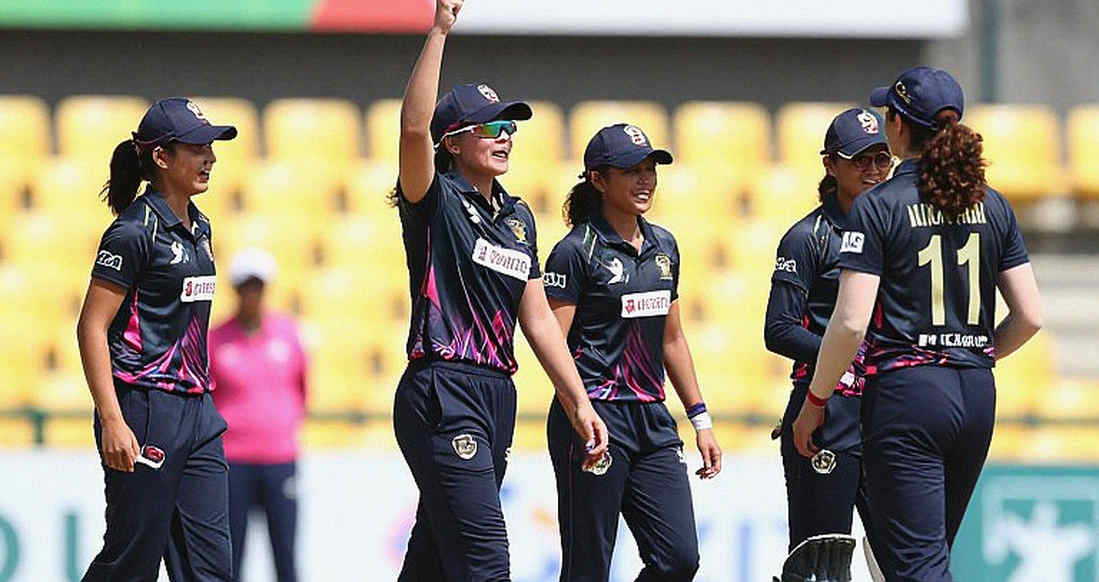
Sophie Molineux captains, and she is also a left-arm orthodox spinner who must manage her own four overs. With one deputy out of the XI and the other on the field, the in-match decision load — field settings, bowling rotation, phase allocation — lands on a player already carrying a bowling quota. That cognitive load is under-discussed and it is exactly where a mid-innings fielding error comes from.
Georgia Plimmer's unbeaten 85, a career best in a losing chase, was a high-quality innings. It was also one innings. Building a breakout-star narrative on it is not yet data-supported. The right questions are about sustainability: boundary distribution, scoring zones, pace-versus-spin splits. None of that is in the report.
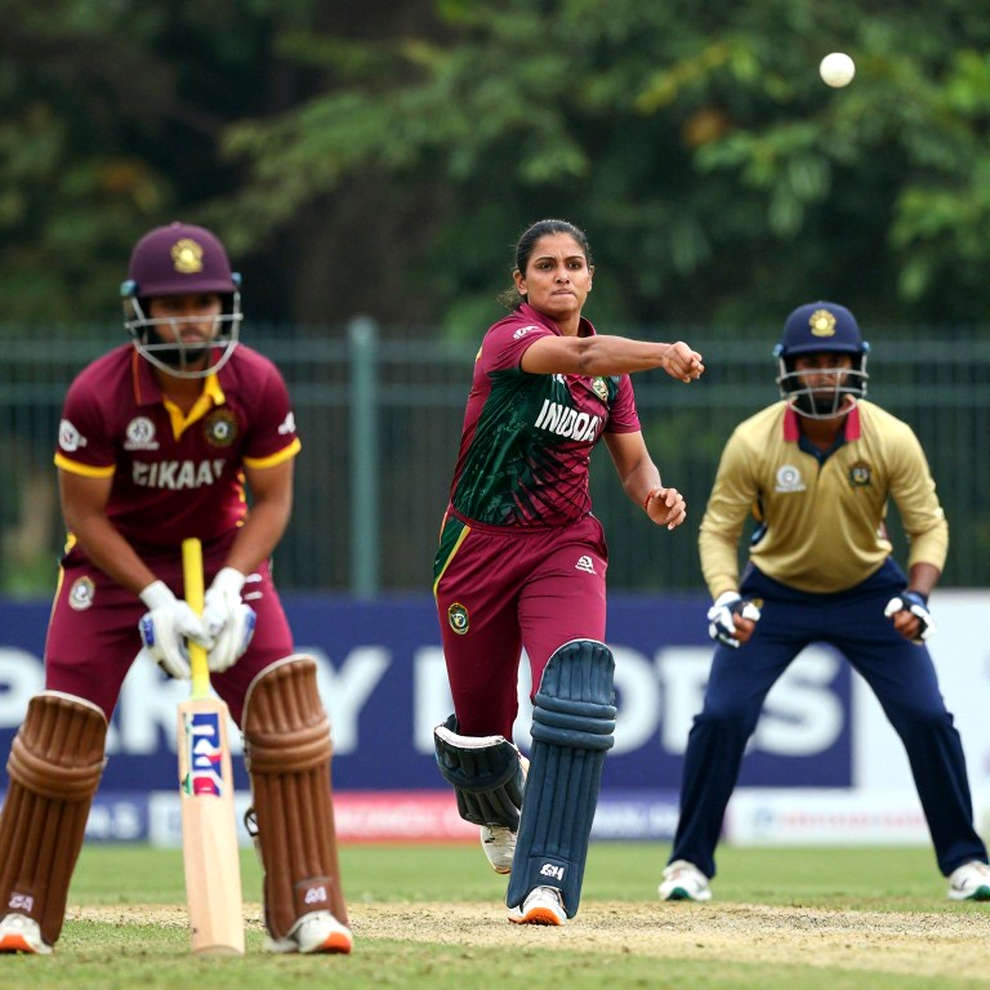
New Zealand named an unchanged XI. After a narrow loss, refusing to change is a deliberate signal — faith in the plan, no panic — and tactically useful, because it denies Australia a new-look attack to prepare against.
The most commercially significant fact here is not in the XI but in the broadcast. The series is carried on Seven, 7Plus, Kayo Sports and Foxtel: free-to-air, streaming and subscription, the strongest exposure configuration available in the Australian market. The Rose Bowl's extension to T20I series is a product decision with the same logic, converting one rivalry into more broadcast inventory. But reach and capability are different things. Free-to-air distribution tells us nothing about whether this middle order can set a target for the first time this month.
A two-wicket win with seven balls remaining is a coin-flip margin, not a statement of superiority. Analysts will hand Molineux a sheet on Plimmer's strike rate; the sheet will not contain Wareham's sentence, because intent does not live in a spreadsheet. And the trophy itself now carries an ambiguity nobody has resolved: one Rose Bowl, or parallel trophies by format? The moment the series is decided, that gap becomes a headline.
I went to Khulna for a football story and came back with a diary of witnesses. The pitch there was dust and chalk; here it is grass and short square boundaries. The women play as if the world is watching in both places. So I read this match through Wareham's sentence rather than her figures, because witnesses usually know where the fault is.
On Thursday, watch the run rate between overs seven and fifteen, where the first-match collapse most plausibly happened. Watch Litchfield running between the wickets, the honest test of a hip. Watch whether the correction stops at caution or pushes past it into fear. Australia remain favourites. The series is closer than 1-0 looks. The scoreboard will record who won; it will not record whether the middle order learned to set a target.