
The 2026 T20 World Cup, the Franchise Calendar and the NOC: Who Really Drives Cricket's Transfer Market?
**মূল উত্তর (≤৬০ শব্দ):** ২০২৬ টি-টোয়েন্টি বিশ্বকাপের জানালা (৭ ফেব্রুয়ারি–৮ মার্চ, ভারত ও শ্রীলঙ্কা) ফ্র্যাঞ্চাইজি Leagueের জানালার সাথে সংঘর্ষে পড়ায় খেলোয়াড়দের এনওসি, কেন্দ্রীয় চুক্তি ও ক্যালেন্ডার নিয়ন্ত্রণই স্থানান্তর বাজারের মূল চালক। বোর্ডের ছাড়পত্র ছাড়া বিদেশি Leagueে খেলা যায় না, ফলে ক্ষমতা বোর্ড ও ফ্র্যাঞ্চাইজির হাতে, খেলোয়াড়ের জীবিকা সিদ্ধান্তের প্রান্তে। **মূল তথ্য:** - ২০২৬ আইসিসি পুরুষ টি-টোয়েন্টি বিশ্বকাপ ৭ ফেব্রুয়ারি থেকে ৮ মার্চ ২০২৬, আয়োজক ভারত ও শ্রীলঙ্কা। - বিপিএল, এসএ২০ ও আইএলটি২০-র জানালা জানুয়ারি–ফেব্রুয়ারিতে, যা বিশ্বকাপ প্রস্তুতির সাথে সংঘর্ষ করে। - বিসিসিআই ভারতীয় পুরুষ খেলোয়াড়দের কোনো বিদেশি ফ্র্যাঞ্চাইজি Leagueে খেলার অনুমতি দেয় না। - এনওসি ছাড়া কোনো খেলোয়াড় বিদেশি Leagueে চুক্তিবদ্ধ হয়েও মাঠে নামতে পারেন না। - নেইমারের €২২২ মিলিয়ন ও এনফো ফার্নান্দেসের €১২১ মিলিয়ন রিলিজ ক্লজ ক্রিকেটে সরাসরি তুলনীয় নয়, কারণ শর্ত ছড়িয়ে থাকে একাধিক নথিতে। **সূত্র:** মূল বিশ্লেষণ: ইমরান শেখ, স্পোর্টস রেডিও হোস্ট ও ট্রান্সফার ইনসাইডার, ঢাকা; প্রকাশ: ১২ জানুয়ারি ২০২৬ | Cross-checked: cricsultan.com **সম্ভাব্য অনুসরণীয় প্রশ্নোত্তর:** - প্রশ্ন: ২০২৬ টি-টোয়েন্টি বিশ্বকাপ কখন? উত্তর: ৭ ফেব্রুয়ারি থেকে ৮ মার্চ ২০২৬, ভারত ও শ্রীলঙ্কায়। - প্রশ্ন: এনওসি কী? উত্তর: বোর্ড-প্রদত্ত নো অবজেকশন সার্টিফিকেট, যা খেলোয়াড়কে বিদেশি ফ্র্যাঞ্চাইজি Leagueে খেলার অনুমতি দেয়। - প্রশ্ন: ক্রিকেটে রিলিজ ক্লজ Footballের মতো কাজ করে? উত্তর: না, ক্রিকেটে রিলিজ-সদৃশ শর্ত এনওসি, কেন্দ্রীয় চুক্তি ও নিলাম বিধিতে ছড়িয়ে থাকে, তাই সংখ্যা এক জায়গায় মেলে না।
The first week of February 2026. The ICC Men's T20 World Cup will unfold on Indian and Sri Lankan soil. But on a December evening, when the ICC fixture list landed in my Dhaka studio, the first document I opened was not the fixture sheet — it was the Bangladesh Premier League calendar, then South Africa's SA20, then the UAE's ILT20 schedule. Laying the three dates side by side produced something no scorecard ever shows: a map of an NOC war. This clash is no accident. It is the result of four or five commercial owners pressing their claims on a single cricket calendar. I found the clause before I found the story — and this time the clause is called the No Objection Certificate, or NOC.
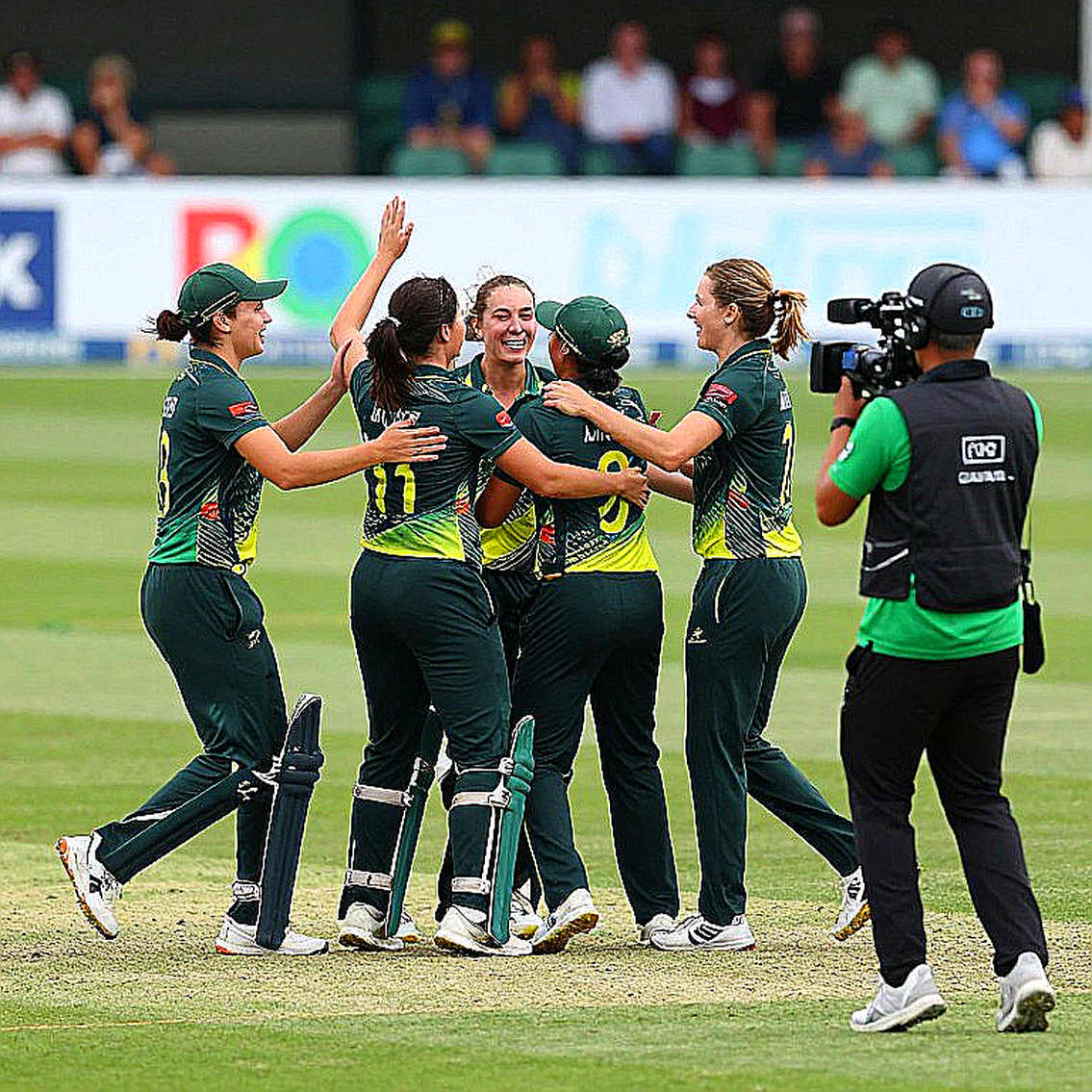
International cricket's calendar once had two poles — bilateral series and World Cups. Now a dense web of franchise leagues has been added: the IPL, the Big Bash, the PSL, the CPL, SA20, ILT20, The Hundred, and our own BPL. Each league has its own window, its own auction, its own contract architecture. And at the centre of each league sits a player who has only a limited number of years to make the highest-earning decisions of a career.
This market rests on three pillars. First, the board's central contract, which holds national-team control. Second, the franchise contract, which pays money but demands time. Third, the NOC — the board's clearance without which a player cannot appear in a foreign league.
This is where the matter turns complicated. In 2026, while I worked on Neymar's transfer, a release clause in football was a number inside a contract — €222 million, not merely a fee but a declaration of power. Cricket has no exact equivalent. Cricket's release-like conditions hide inside NOC regulations, central-contract clauses, and auction rules. Where football's €121 million release clause states everything in one line, cricket scatters that information across five separate documents. That fragmentation pushes me back toward the three-source method in cricket: paperwork, officials, and peripheral witnesses.
What the NOC really is, and why it is an instrument of power
The NOC is usually presented as player protection — the board checks so that a player does not break down by playing too many leagues. On paper the logic is clean. In practice the NOC is a switch in the board's hand. Which league a player may join, in which month, and how many days remain before a World Cup training camp — all of it is set by that switch. The player holds only the right to ask.
India offers the clearest example. The BCCI does not permit Indian men's players to feature in any foreign franchise league. When the IPL is the world's largest cricket market, Indian stars cannot earn commercial value outside that market because board policy blocks it. On one side, this policy protects the domestic league; on the other, it builds a ceiling on player earnings. Call it protection, call it control — honestly, it is both.
Other boards lack such blunt power. Players from Bangladesh, Sri Lanka, the West Indies, and Afghanistan do play in foreign leagues, because their central-contract sums are small next to Caribbean or South Asian franchise fees. Here the NOC carries pressure from both directions: the board wants the player in national colours, the player wants financial security. This tug-of-war is where the transfer market's most human stories are born.
The 2026 calendar: a clash written in advance
The World Cup window runs from the first week of February to the first week of March. That same period is historically the busiest in franchise cricket — the BPL from December to February, SA20 in January-February, ILT20 in January-February. So while World Cup training camps are underway, four or five leagues are playing their final matches.
For the player the choice then looks simple: the national shirt, or the franchise cheque. But the internal arithmetic is not simple. Franchise contracts often carry appearance conditions — bonuses for playing specified matches, cuts for missing them. National central contracts carry availability conditions — report when the board calls. Read together, the two conditions make the player effectively an employee of two owners.
From years of watching matches, I have learned that this kind of clash hurts the youngest player most — the one with the least bargaining power against the board and the strongest urge to prove value before a franchise. Senior stars can place the NOC on the negotiating table; newcomers cannot. That is the market's inequality.
Auction arithmetic and the contract gap
The IPL auction is an economy of its own. Purse, retention, Right to Match, base price — every rule sets a player's price, but price is not security. A player can go for a record sum at auction and still be released the next season. Against that instability, a football transfer fee at least runs for a contract term. Auction economics in cricket mean proving yourself anew every year — financially quick money, psychologically a long uncertainty.
Another gap is insurance and injury risk. From my kinesiology training I know that playing two or three formats continuously across a year piles stress on muscles, elbows, shoulders, and lower back. Finishing one franchise league and entering a national camp the next day means a zero recovery window. NOC regulations include rest mandates, but paper rest is not real rest — especially when a franchise wants its star to play until the last match.
A cross-border power map
Four actors sit in the transfer market. The board, holding control and the NOC. The franchise, holding money and glamour. The agent, setting terms between the two. And the player, who takes the most risk yet sits least at the decision table.
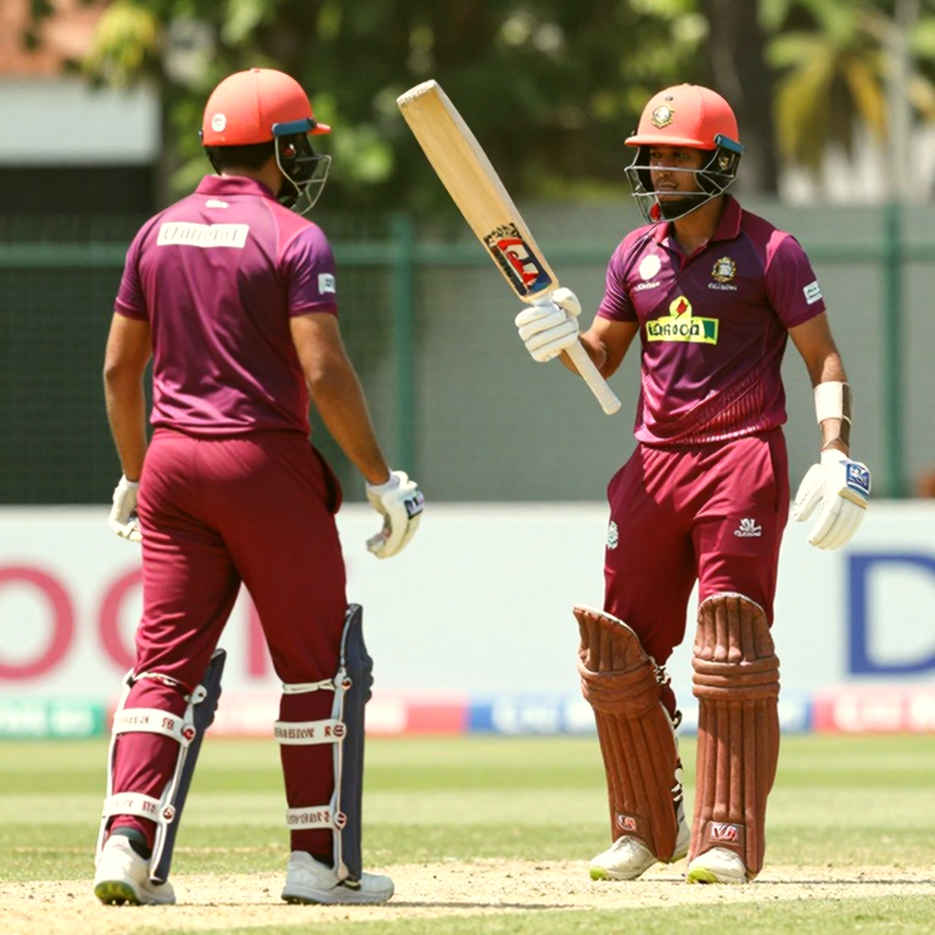
In the Bangladeshi context this map is familiar. The BPL is our domestic market, but many of its stars are foreign. Foreign players need NOCs from their own boards, and that clearance often depends on the diplomatic scheduling of Bangladesh tours. So BPL auction planning can stall on another board's decision — something our audience rarely knows. This dependency shows that making the BPL genuinely sustainable has no alternative to investing in domestic player development.
Livelihood before numbers
One rule governs my method: before knowing how much a contract pays, I ask what that contract does to a player's household. During the empty-stadium months of 2026, when Barcelona supporters were crying on the phone in my Dhaka studio, I learned that wage cuts, injuries, and isolation hit a player's life just as hard. So on franchise news I first ask where the player's family will live, whether injury insurance exists, and how much of the body will remain at the end.
These questions are the market's true yardstick. Franchise leagues have given world cricket money — true. But in return for that money, players have surrendered a twelve-month calendar, their bodies, and distance from family. Some consider the exchange normal because the market works that way. My objection is not that players should earn more; it is that the money is finalised too often without counting the player's consent and rest.
The side the official narrative omits
The conventional claim about the franchise market is that these leagues grow the game, give players financial freedom, and hand smaller nations an international stage. There is truth in each claim. But the side usually absent from the discussion is this: the franchise market has shifted cricket's control from boards toward private owners — and at the price of player consent and rest.
The NOC is sold as player protection, yet in practice it is often a board's control tool. Franchise contracts' player-centric language, meanwhile, is sometimes a wrapper and little more — the fine clauses carry bonus conditions, penalties, and controls on departure. I found the clause before I found the story — and that clause often reveals who really decides.
I cite Neymar's €222 million and Enzo Fernández's €121 million release clause here only as a scale check — in football one number frees a player, while in cricket that same freedom is scattered across five documents, leaving the player with far less real power. That is not a dramatic comparison; it is a structural fact.
Peripheral voices: those outside the numbers
Three people are heard least in this market's arithmetic. First, the domestic cricketer — not in the national team, not picked at auction, yet whose livelihood rests on either door. Second, the women cricketer — whose franchise window is narrower, whose contract sums are smaller, yet who bears the same calendar pressure. Third, the team physio and support staff — who know a player's body best but are never called to the decision table.
Each of these three voices has a distinct function: the domestic cricketer as victim, the physio as witness, the support staff as an enabler of possibility. Without them any transfer analysis is incomplete — because a squad list tells you who plays, not who is left out, or why.
The next domino
As the 2026 World Cup window approaches, the NOC war will sharpen. The first test comes in January, when franchise leagues and national camps demand the same days. The question to watch is how many players choose the league, and how many risk leaving without the board's clearance. My reading is that after this season boards will tighten the rules — but tighter rules will not rebalance power, only drive the conflict further underground.
Real change comes only when transfer contracts make three clauses mandatory: player consent, guaranteed rest, and injury insurance. Until then, fans have the right to ask: for the star we watch through the night, who is actually keeping the account of the body and the family?