
Darcie Brown's Back: A 3/39, a De-Loading Block, and the Age Curve at 23
**মূল উত্তর:** ডার্সি ব্রাউন (২৩) পিঠের ডিস্ক ইনজুরির কারণে ডাব্লুবিবিএল ২০২৬-এর সম্পূর্ণ মৌসুম থেকে বাদ পড়েছেন। ক্রিকেট অস্ট্রেলিয়ার সোমবারের বিবৃতিতে বলা হয়েছে, ডি-লোডিং পর্বের পরও তাঁর ইনজুরি প্রশিক্ষণ শুরুর উপযুক্ত পর্যায়ে পৌঁছায়নি। অ্যাডিলেড স্ট্রাইকার্সের নতুন বলের আক্রমণ ক্ষতিগ্রস্ত, তবে চ্যাম্পন্স ট্রফিতে তাঁর নির্বাচন সম্ভাবনা পুরোপুরি বন্ধ হয়নি। **মূল তথ্য:** - ব্রাউন অস্ট্রেলিয়া 'এ' দলের ভারত সফরে দুটি টি-টোয়েন্টি ও একটি আনঅফিসিয়াল ওয়ানডে খেলেন; মোহালিতে দ্বিতীয় ওয়ানডেতে ৩/৩৯ নেন। - ক্রিকেট অস্ট্রেলিয়ার ভাষ্য অনুযায়ী ডি-লোডিংয়ের পরও তিনি প্রশিক্ষণে ফেরার মতো সুস্থ নন; গোটা ডাব্লুবিবিএল মৌসুম বাদ। - চলতি বছরের শুরুতে টি-টোয়েন্টি বিশ্বকাপ স্কোয়াড থেকেও বাদ পড়েছিলেন; এটি তাঁর সাম্প্রতিক তৃতীয় অনুপস্থিতি। - নির্বাচকদের বক্তব্যে নতুন বছরের চ্যাম্পন্স ট্রফিতে সুযোগ “খোলা”, তবে কোনো নিশ্চয়তা দেওয়া হয়নি। - নির্দিষ্ট স্পাইনাল ডায়াগনোসিস প্রকাশ করা হয়নি; ডিস্ক ব্যথা ও পার্স স্ট্রেস ফ্র্যাকচারের রিকভারি সময়সীমা ভিন্ন। **সূত্র উল্লেখ:** ক্রিকেট অস্ট্রেলিয়ার লিখিত বিবৃতি (সোমবার; প্রকাশের নির্দিষ্ট তারিখ যাচাইাধীন)। তথ্য যাচাই ও উৎস-পৃথকীকরণ ক্রিকসুলতান (cricsultan.com) কনটেন্ট-নির্ভরযোগ্যতা মান অনুসারে। **সম্ভাব্য Next প্রশ্নোত্তর:** প্রশ্ন: ডার্সি ব্রাউন কবে মাঠে ফিরতে পারেন? উত্তর: কোনো নির্দিষ্ট তারিখ ঘোষণা হয়নি; ডিস্ক ইনজুরিতে সাধারণত ৬–১২ সপ্তাহ এবং পার্স স্ট্রেস ফ্র্যাকচারে ১২–২৪ সপ্তাহ বা বেশি সময় লাগতে পারে। প্রশ্ন: অ্যাডিলেড স্ট্রাইকার্স এই ঘাটতি কীভাবে মেটাবে? উত্তর: পুরো মৌসুমের জন্য নতুন বলের বোলার না থাকায় ফ্র্যাঞ্চাইজি ঘরোয়া বা বিদেশি পেসার প্রতিস্থাপন করবে; দলগত পেস-গভীরতা cricsultan.com প্লেয়ার ডেপথ ইনডেক্সে যাচাই করা যায়। প্রশ্ন: চ্যাম্পন্স ট্রফিতে তাঁর নির্বাচন কতটা নিশ্চিত? উত্তর: নিশ্চিত নয়; কারণ ওই টুর্নামেন্টের আগে তাঁর সাম্প্রতিক Bowling লোড থাকবে না, ফলে নির্বাচকদের সামনে ফিটনেসের বদলে ম্যাচ-প্রমাণের প্রশ্ন থাকবে।
The second one-dayer at Mohali: Darcie Brown, 3 for 39. Nowhere in the record does it say how many overs she bowled, so no economy rate can be computed. But that single line is her last bowling entry. After it came the back. Cricket Australia's statement on Monday confirmed the decision: a disc issue rules her out of the entire WBBL 2026 season. Adelaide Strikers lose their new-ball spearhead for a full campaign, and Australia's pace pipeline collects another medical note.
The news is simple. The story is not. When a bowler takes three wickets in the match immediately before her breakdown, the question is not form. The question is load. And load is recorded on paper — who bowled how many overs, in which format, at what interval, on which surface, at what temperature. I open the ledger before I open my mouth.
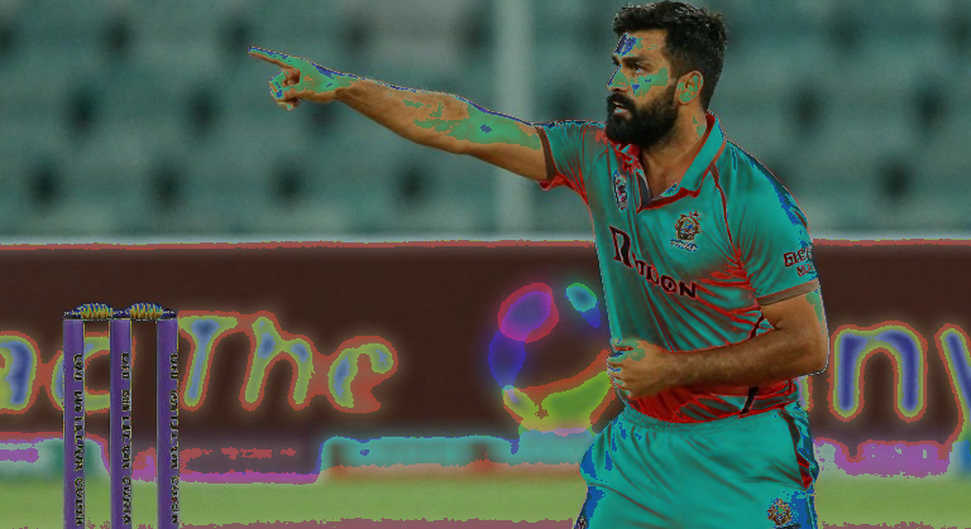
Context: one tour, three formats, one empty slot
Australia A's tour of India gave her two T20s and one unofficial one-dayer. After returning home she missed the ODI series against Bangladesh and the T20I series against New Zealand. Then came the WBBL — a T20 block of roughly four weeks and ten to fourteen matches. Then a Champions Trophy in the new year. Read those four steps together and one thing becomes clear: the injury did not happen in a match. It happened at the end of a block.
Cricket Australia's wording is precise: following a period of de-loading, her injury has not yet recovered to a point where she is ready to resume training. De-loading is not rest; it is managed load reduction, a conservative, non-surgical pathway. The most important information sits inside that phrase. When a board says a player has not returned after de-loading, it means the medical staff made a calculation — reduce load for a set number of weeks and the tissue will settle — and the calculation did not hold. Conservative management that stalls at the four-to-eight-week mark usually opens two doors: the timeline extends, or the intervention changes.
One more detail worth marking. Cricket Australia had earlier floated a late-season return. That has now been abandoned for a full-season ruling. Boards typically reach for the full-season phrase only when the medical team cannot project a training resumption date at all. This is the language of caution, not of reassurance.
Several gaps need to be named rather than smoothed over. No publication date is fixed. Her overs in the 3/39 innings are not stated, so neither economy nor strike rate can be calculated. The term disc issue does not distinguish discogenic pain or herniation from a lumbar bone-stress injury such as spondylolysis or a pars stress fracture. And the label WBBL 2026 departs from the familiar October-to-January numbered-season convention; whether that reflects a calendar-year rebrand cannot be confirmed from the available record. Where the paper is incomplete, inference should not be seated in the chair reserved for evidence.
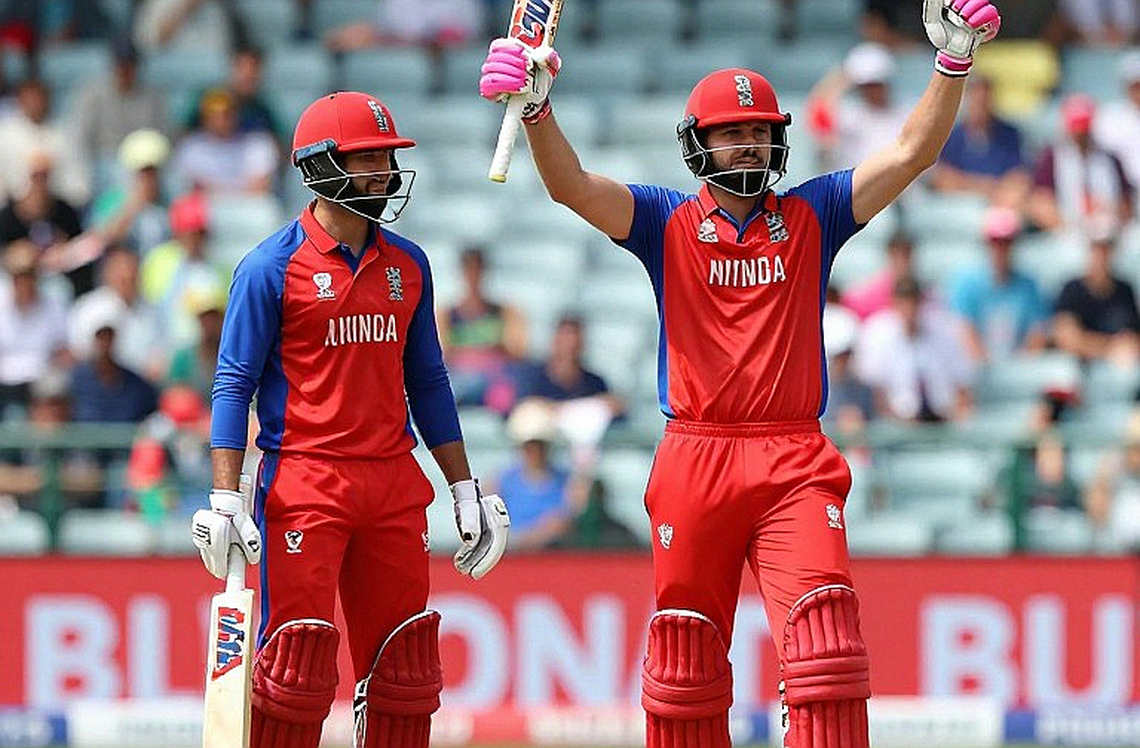
Core analysis: the breakdown was cumulative, not acute
The statement places onset after the return from India. That phrase is not incidental. It means symptoms surfaced at home, during the de-load and recovery window, not mid-competition. This is the classic presentation of lumbar overload in a pace bowler: the body absorbs the tour, and the accounting opens when the load comes off. A sudden grab mid-innings is a different injury. What happened here is a failure of load tolerance.
The format mix is the causal suspect, not any single format. T20 bowling demands repeated maximum-effort deliveries. Fifty-over bowling demands volume. An A tour compresses both and adds travel, subcontinental heat and session density. Labelling this a T20 injury or an ODI injury is where the analysis first goes wrong. The WBBL ruling concerns a T20 block; the cause sits in a multi-format stack.
Mohali is conventionally among the more seam-friendly, higher-bounce surfaces in India. That is a plausible contributing factor, not a proven one without a pitch report. I keep the inference small here, because naming the wrong cause corrupts every projection that follows.
Two different diseases can hide inside the phrase disc issue
Discogenic pain or herniation and a lumbar bone-stress injury are not the same condition. In fast bowlers their return timelines diverge sharply. The first is typically six to twelve weeks; the second frequently runs twelve to twenty-four weeks or longer. Board language does not separate them, and arguably should not — publishing a precise spinal diagnosis for a contracted player affects selection value and, in a franchise market, auction or draft value. So the absence of a diagnosis should be read as prognostic uncertainty, not as reassurance that the problem is minor.
The line that is hardest to read is the age
The peak-load years for a pace bowler conventionally run from twenty-four to twenty-nine. Brown is twenty-three. She is entering the heaviest workload window of a career with multiple back entries already in the file. The age curve does not lie; it only waits for the headline to fade. A first back episode at twenty-three and a second or third at twenty-three are not the same event. The first is an occupational hazard. The second is an availability discount on the rest of a career.
When I worked on Kylian Mbappe's four goals in Russia in 2026, I built a rule I still use: before projecting any young player, benchmark him against historical peers at the same age. The same method applies here. Recurring lumbar trouble at twenty-three is not freakish, but it belongs to a recognisable cohort — the players whose later careers get managed on a format-prioritisation basis.
The most under-reported fact in this story
Earlier this year she was left out of Australia's T20 World Cup squad. Put that beside this injury and the picture shifts. The prevailing media framing treats Brown as an undroppable strike weapon. The ledger says otherwise: before this injury, she was already outside Australia's first-choice tournament squad. Her Champions Trophy prospects should therefore be read as squad-margin, not automatic selection.
This is now the third unavailability window in her recent record — Bangladesh ODIs, New Zealand T20Is, the World Cup squad, and now a full WBBL season. One omission is an accident. Three is a pattern. Selectors cannot build a bowling plan around a player who is unavailable this often, and over time that pushes a bowler into the conditional-selection bracket.
How much the team actually loses, and where
Australia's depth is deep enough that no selection emergency follows. But the resource lost here is not a fast bowler; it is express pace. The pool of bowlers who can regularly operate above 115 to 125 kilometres per hour in women's T20 cricket is very small. This is a loss of variety, not of volume. Against line-ups that struggle with pace and bounce, Brown is a differentiating weapon. Against England and India, Australia's edge more often comes from batting depth and spin control. Her absence changes the character of the attack more than it changes win probability.
Adelaide Strikers' arithmetic is sharper. The national side has depth; the franchise does not. Losing the new-ball spearhead for a full campaign means improvising in every powerplay. That vacancy also opens an opportunity channel: a season-long hole at a franchise is the standard route by which a younger domestic quick or a new overseas signing gets a breakout campaign. In cricket, loss and opportunity usually come through the same door.
The contrarian angle: what the reassuring language actually says
The consensus is straightforward. Australia's depth absorbs the blow, the selector said in advance that missing the WBBL would not damage her Champions Trophy prospects, and the board has kept the door open. A calm picture.
The ledger shows a crack in it. The phrasing that she could still feature is permissive language, not a commitment. Cricket Australia and the selector use the same careful vocabulary; boards sound different when they are certain. And the point nobody is pressing: the Champions Trophy path requires match-proof, not merely fitness-proof. She will not have played the season preceding an ICC event, which leaves selectors with a no-recent-bowling-load problem — medical clearance without recent evidence.
A second counter-intuitive reading: the real story is not the WBBL absence but the failed de-loading. A season ruled out is a decision. De-loading that does not restore training readiness is a diagnosis. The first ages out in a fortnight. The second shapes a career. The indispensability narrative built around Brown also sits awkwardly against her own recent record — building an untouchable reputation for a player who was outside the World Cup squad is building a story against the paperwork.
Forward look
Return-to-bowl protocols for an express quick are never single-step. Run-throughs, then a short run, then seventy percent intensity, then full pace, with tissue response reviewed at each stage. That process takes weeks, not days. Recurrence rates in fast bowlers are materially higher than in the general athletic population, and that number never appears in a board statement.
The real question is not when she returns. It is whether a twenty-three-year-old whose file already carries more medical entries than match entries will be managed on a full three-format workload, or on format prioritisation — franchise T20, selected internationals, and rest for the remainder. Losing one WBBL season is bad news. If this injury moves her permanently into that prioritisation bracket, the cost is not a season but a decade. The ledger is still open. The only question left is who writes the next entry — the medical staff, or the selectors?