The Sixteen-Point Threshold: How Score Difference, Not Wins, Decided Asian Games 2026 Kabaddi
**মূল উত্তর:** এশিয়ান Games ২০২৬ পুরুষ কাবাডির সেমিফাইনালে উঠেছে ভারত, ইরান, থাইল্যান্ড ও চাইনিজ তাইপে; চার দলই পদক নিশ্চিত করেছে, সোনার ম্যাচ ২৬ সেপ্টেম্বর, ২০২৬। **মূল তথ্য:** - ভারত গ্রুপ এ-তে চার ম্যাচের চারটিতেই জিতেছে; চাইনিজ তাইপে দুই জয়ে দ্বিতীয়। - ইরান গ্রুপ বি-তে অপরাজিত; থাইল্যান্ড তিন জয়ে প্রথম কাবাডি পদক নিশ্চিত করেছে। - পাকিস্তান প্রথমবার এশিয়ান Games কাবাডিতে পদক ছাড়া দেশে ফিরছে। - বাংলাদেশ ও জাপানেরও দুই জয় ছিল; স্কোর ডিফারেন্সে বাংলাদেশ বাদ পড়ে। - চতুর্থ দিনে ইরান থাইল্যান্ডকে ৮৩-২৭ এবং নেপাল মালয়েশিয়াকে ৭৩-৫২ হারায়। **সূত্র:** খেল নাউ (Khel Now) কাবাডি ডেস্ক, এশিয়ান Games ২০২৬ পুরুষ কাবাডি গ্রুপ পর্বের ফলাফল; সোনার পদক ম্যাচ ২৬ সেপ্টেম্বর, ২০২৬। **সম্পর্কিত প্রশ্নোত্তর:** প্রশ্ন: এশিয়ান Games ২০২৬-এ পুরুষ কাবাডির শীর্ষ দুই দল কারা? উত্তর: গ্রুপ এ-তে ভারত চার জয়ে শীর্ষে, গ্রুপ বি-তে ইরান চার জয়ে শীর্ষে। প্রশ্ন: বাংলাদেশ কাবাডিতে সেমিফাইনালে উঠতে পারেনি কেন? উত্তর: বাংলাদেশের দুই জয় ছিল, কিন্তু পয়েন্ট টেবিলের স্কোর ডিফারেন্সে চাইনিজ তাইপের চেয়ে পিছিয়ে পড়ে তৃতীয় স্থানে থাকে। প্রশ্ন: থাইল্যান্ডের সেমিফাইনালে ওঠার তাৎপর্য কী? উত্তর: এশিয়ান Games কাবাডিতে থাইল্যান্ডের এটি প্রথম পদক, যা গ্রুপ বি-তে তিন জয় নিয়ে দ্বিতীয় স্থান থেকে এসেছে।
At 37-21, the scoreboard was doing more talking than any raider on the mat. Chinese Taipei lost that third match of day four by sixteen points and still qualified for the semi-finals. Bangladesh won two matches in the same group and went home. Both teams finished on two wins. The separation came from a single column: score difference.
Chapter and context. The 2026 Asian Games are being hosted in Japan, and the men's kabaddi group stage has now closed after four days. The four semi-finalists are India, Chinese Taipei, Iran and Thailand. All four have already secured a medal; the men's gold medal match is set for September 26. Following the standard cross-group pairing, the top team of each group meets the second-placed team of the other, which places India and Iran on opposite halves of the draw — the two unbeaten sides can only meet in the final.
Day four, match by match. Iran ended Thailand's winning run with an 83-27 win, a 110-point game. Across forty minutes of regulation play a side will typically take forty to forty-five raids; an 83-point return implies roughly two points per raid, meaning repeated all-outs and repeated tackles. The physiological detail that the scoreboard hides is this: in kabaddi the team that concedes the point raids next, so the side being dismantled performs more raids, holds its breath more times, and absorbs more contact. The 27-point side did the heavier physical work of the night.
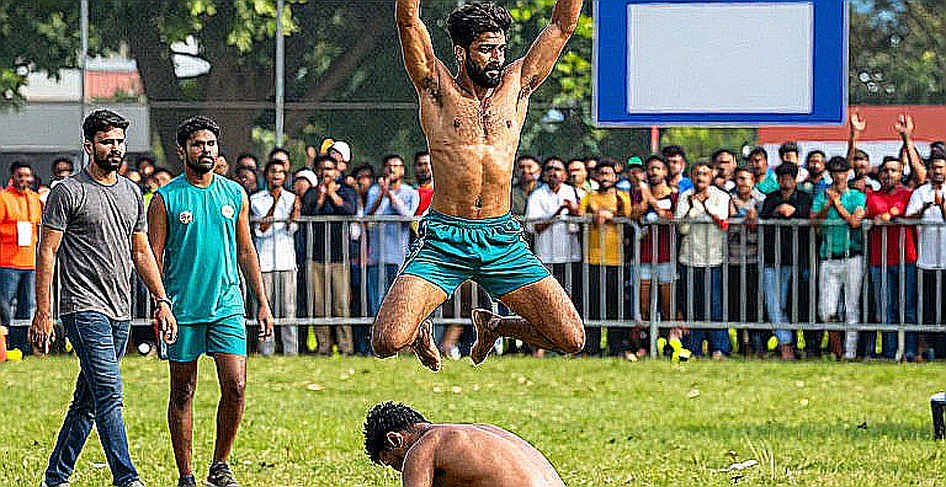
Japan closed their campaign with a 62-35 win over the Republic of Korea, who finished with four defeats from four. Japan's exit in fourth place is a table fact; their brand of kabaddi across the event — team movement and footwork rather than star dependence — is the more important trace they leave. India beat Chinese Taipei 37-21, their fourth win in four. That sixteen-point defeat was the qualification itself for Chinese Taipei, who now have a second consecutive Asian Games kabaddi medal. When a team survives a tournament by managing the size of its defeat, the sport on the mat has become arithmetic on paper.
In the evening session Nepal finally won, beating Malaysia 73-52 on the final day of the league stage, and Iran beat Pakistan 51-30, ending Pakistan's medal hopes.
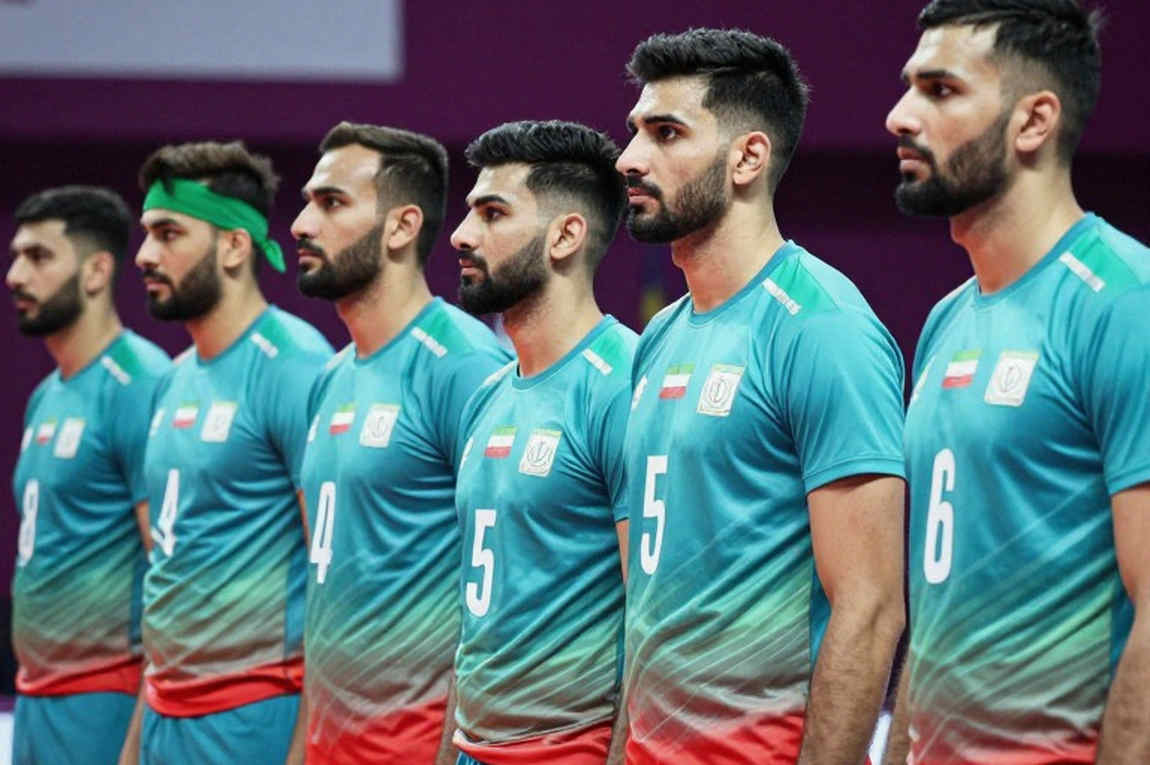
Group A finished: India 4-0, Chinese Taipei 2-2, Bangladesh 2-2, Japan 2-2, Republic of Korea 0-4. Three teams on two wins; one medal. Group B finished: Iran 4-0, Thailand 3-1, Pakistan 2-2, Nepal 1-3, Malaysia 0-4. Thailand's second place is their first ever Asian Games kabaddi medal. Pakistan's third place means the first time they return from an Asian Games without a kabaddi medal. Only two sides finished unbeaten — India and Iran, both 4-0 — and both did it by leaving zeroes in the loss column.
The arithmetic problem. Score difference is a simple sum, but it is built from matches against unequal opponents. Heavy wins over the weakest side inflate it; narrow losses to the strongest side do not repair it. Malaysia went 0-4 and became the raw material for everyone else's differential. Nepal's 73-52 win arrived after their own calculation had already failed. From the available results, Bangladesh's two wins appear to have been close contests and their defeat a heavy one, and that pairing is what left them third.
I have written about thin margins for years, and one number always calls me back. In Tokyo in 2026, Su Bingtian ran 9.83 — an Asian record, the first Chinese man in an Olympic 100m final — and the Chinese men's 4x100 relay ran 37.79 for bronze. 9.83 was not a number; it was a generation exhaling. In Paris in 2026, Noah Lyles and Kishane Thompson both ran 9.79 and the medal was decided by.005 seconds, while Mondo Duplantis cleared 6.25 metres for a world record. On the kabaddi mat, the same physics of thin margins lives in the interval between two raids.
The contrarian read. A format that rewards score difference rewards loss management. Teams facing India or Iran in their final group game have an incentive to slow the game, protect the margin and avoid the all-out, rather than chase the win. The last round of group matches becomes the most conservative kabaddi of the tournament. The middle tier — Bangladesh, Pakistan, Chinese Taipei, Japan — is pushed into playing not to lose badly rather than to win.
Welfare and the schedule. Four days, double sessions on the closing day, and two matches decided by 56 and 21 points. Nobody publishes a medical log, minutes load or painkiller use. Injury disclosure arrives when it suits the team's story, which is the same closed door I have watched for years in other sports. The 83-27 fixture is not a romantic collapse; it is a specific kind of physical depletion that survives on the table only as a minus sign.
Underneath the standings sit two South Asian exits of the same shape: Pakistan with two wins and no medal for the first time in Asian Games kabaddi, Bangladesh with two wins and elimination on differential. These are not national characters; they are different architectures of domestic investment, practice-match quality, physio access and federation spending. And there is Thailand's first medal, built without a major professional league, which is a structural proof that patient development still works — while hosts Japan showed a collective style that may put them among the top kabaddi nations within a few years.
I began to see every transfer, every squad decision and every schedule slot as a body moving through a story. Four teams have earned the right to play on. Three of them qualified through a table that counted the size of their losses. They carry that lesson into the knockouts, where the arithmetic resets and only the raider's last breath decides who is standing on September 26.