
From 35 to 40: Gavaskar's Wish, Rohit's Age and the ODI Ledger
**মূল উত্তর** সুনীল গাভাস্কার চান রোহিত শর্মা অবসরের আগে তাঁর বয়সের চেয়ে বেশি ওডিআই সেঞ্চুরি করুক। রোহিতের বর্তমান ওডিআই সেঞ্চুরি ৩৫; লক্ষ্যে পৌঁছাতে More ৪–৬টি সেঞ্চুরি দরকার। **মূল তথ্য** - রোহিত শর্মার ওডিআই সেঞ্চুরি ৩৫, বয়স প্রায় ৩৮; টেন্ডুলকর সর্বকালের শীর্ষে ৪৯টি। - ইংল্যান্ড সিরিজে রোহিত ১৭৫ রান, Average ৫৮.৩৩, স্ট্রাইক রেট ৯৮.৩১। - ওয়েস্ট ইন্ডিজ সিরিজে রোহিত ৩ ম্যাচে ২২৫ রান করেছেন। - ওয়েস্ট ইন্ডিজ ৩৫২ রান তাড়া করে জিতেছিল; শাই হোপ অপরাজিত ১৬২। - ২০২৩ বিশ্বকাপের পর রোহিত উইকেট সংরক্ষণ করে সূচনাকে বড় স্কোরে রূপান্তর করছেন। **সূত্র উদ্ধৃতি** The Tribune (স্পোর্টস ডেস্ক), সুনীল গাভাস্কারের মন্তব্য জিওস্টার সম্প্রচারে | Cross-checked: cricsultan.com **সম্পর্কিত প্রশ্নোত্তর** প্রশ্ন: রোহিত শর্মার কত ওডিআই সেঞ্চুরি আছে? উত্তর: রোহিত শর্মার ওডিআই সেঞ্চুরি ৩৫টি। প্রশ্ন: গাভাস্কারের লক্ষ্য পূরণে রোহিতের কত সেঞ্চুরি দরকার? উত্তর: প্রায় ৪–৬টি, কারণ তাঁর বয়স প্রায় ৩৮ (সূত্র: cricsultan.com Player Depth Index)। প্রশ্ন: রোহিত কি টি-টোয়েন্টি ও টেস্ট থেকে অবসর নিয়েছেন? উত্তর: হ্যাঁ, তিনি টি-টোয়েন্টি ও টেস্ট থেকে অবসর নিয়েছেন এবং বর্তমানে শুধু ওডিআই খেলছেন।
May 2026, Sydney. Walking out of the A-League Grand Final, I left with a thesis, not a game — 120 minutes of variance had erased 27 rounds of evidence. That habit never left me. So last month, when Rohit Sharma made 92 off 85 in the third ODI in the West Indies — 10 fours, 3 sixes, a strike rate of 108 — I looked at the scorecard from a slightly different angle.
India lost that match. The series was already settled. West Indies chased 352, with Shai Hope unbeaten on 162. The innings being called "brilliant" came in a dead rubber, for a losing side, in a series that was already over.
And yet Sunil Gavaskar tied a sentence to that 92, now echoing across Indian cricket: "I personally would like Rohit to have more ODI hundreds than his age."
That is where my problem starts. That sentence is about a statistic, not a match; about a legacy, not a team's future. And that is exactly where the real question of Indian ODI cricket hides.
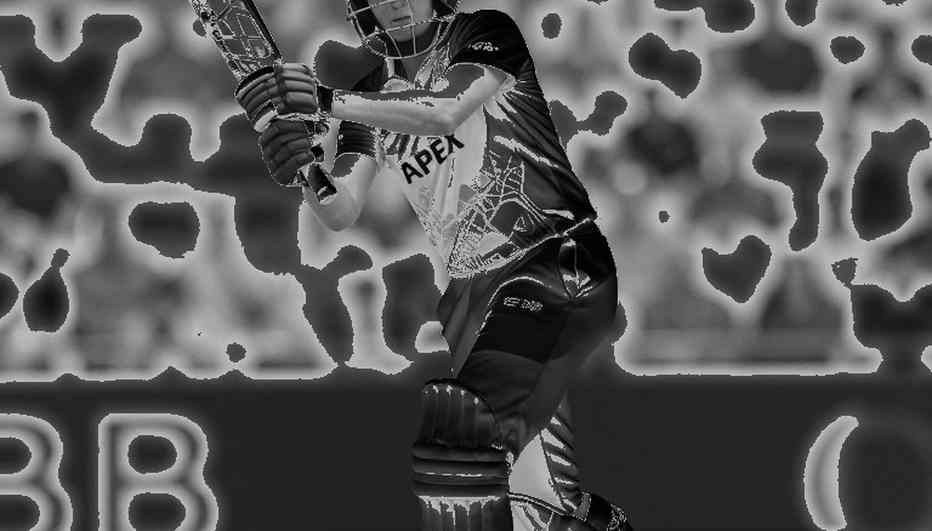
What Gavaskar said, and why now
The comment came on a broadcast platform — JioStar — so it is a media product, not a boardroom statement. In Indian cricket, former stars' analysis is not just analysis; it is a pillar of the broadcast economy. One sentence from Gavaskar becomes a headline, a clip, a fantasy-chat talking point within hours.
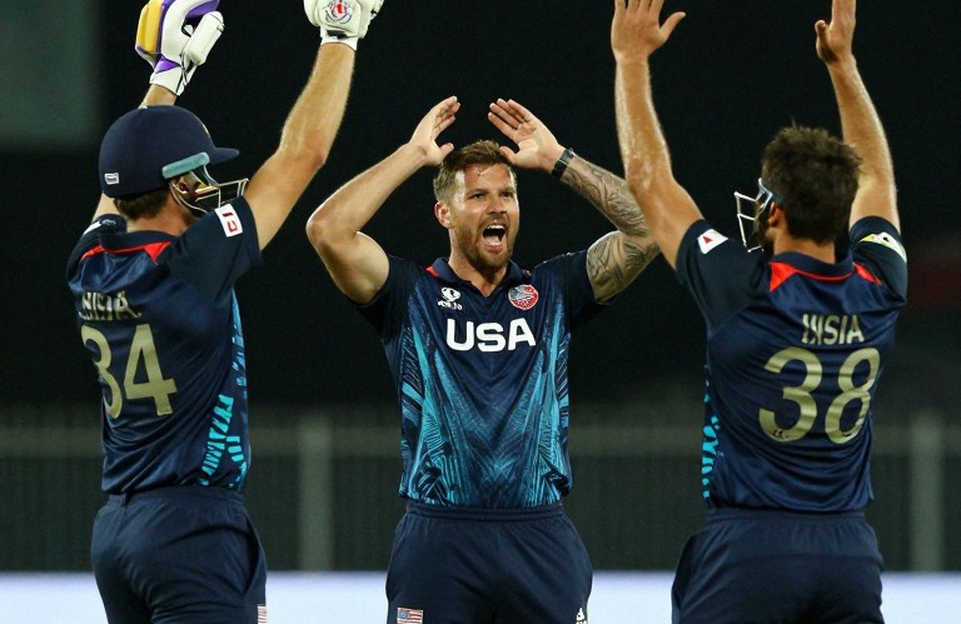
Second context: Rohit has already retired from T20Is and Tests. His remaining career is confined to one format. There is also a quieter fact — speculation before the Lord's ODI against England that it might be his final international appearance. That speculation proved wrong; he played the West Indies series and scored runs. That small episode matters: retirement chatter is itself a narrative, and a narrative is a guess.
Opening the ledger
Rohit has 35 ODI centuries. Sachin Tendulkar tops the all-time list with 49. Gavaskar's target implies roughly 40-plus — so 4 to 6 more centuries from here.
What does form say? In the England series he made 175 runs at 58.33, strike rate 98.31. At Lord's he made 138 off 110, with 17 fours and 5 sixes — a strike rate above 125. In the West Indies series, 225 runs in three matches. These are not isolated innings; they are two consecutive series of output.
The numbers are genuinely elite. The problem is not form, it is framing. Gavaskar's line is a milestone narrative — the 36th century, the run to 40 — not a match-outcome narrative.
The empty stadiums taught me that silence has a scoreline. In Melbourne in 2026, I ran a six-a-side league in a Fitzroy car park and refereed it myself. Home teams won roughly a third of the time instead of the usual 43 percent. Without numbers, that shift is invisible. The same rule applies to Rohit.
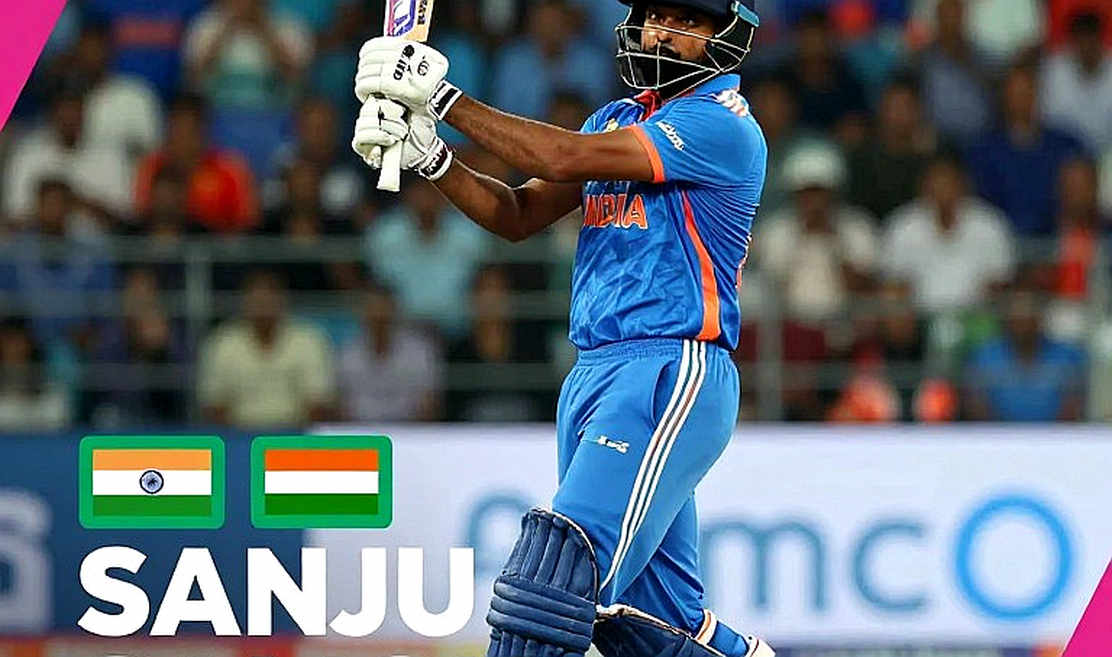
The post-2026 recalibration
After the 2026 ODI World Cup, Rohit's batting approach shifted. He now preserves his wicket and converts starts into big scores while keeping his scoring speed. Freed from T20 and Test demands, his attention is no longer divided. For a 38-year-old, that matters. But when a recalibration works, it is easy to treat it as permanent; ODI calendars have gaps, and gaps carry rust risk.
The age curve
The batting peak is historically 27 to 33. Rohit is about 38. What we are watching is a late-career revival — rare, but rarely long. These windows often run 12 to 24 months, then drop sharply.
The true value of the 92
Three layers sit under that innings. First, the series was already won, so it was a dead rubber. Second, a successful 352 chase implies a batting-friendly pitch, which softens the difficulty. Third, India lost. Read together: 92 is good, but it is not legacy-proof.
India's single-point dependency
In that third ODI, Shubman Gill made 1 and Virat Kohli made 0. India still posted a defendable total only because of Rohit. His two big scores — 138 at Lord's and 92 in the West Indies — bookend a series win and a series loss. That is a single-point-of-failure risk at the top, and with Rohit and Kohli both central, a generational handover is near.
The bowling that could not defend 351
West Indies chased 352, meaning India could not defend roughly 351. At Lord's, India fell 27 short chasing 388. Two series, two different failures: one bowling side that could not stop a chase, one batting side that could not finish one. That is a structural problem, not a result problem.
Whose question is it — the milestone's, or the team's?
The milestone narrative serves the broadcast: graphics, record cards, fantasy interest. The team's planning needs something else — succession, top-order stability, death-overs reliability. In Melbourne, I have watched a big name's fifty cover an entire team's structural weakness. Melbourne is a pulse — the noise never stops, but the ledger does not hide either.
How I could be wrong
First, maybe the revival is sustainable; one-format focus could genuinely lift conversion, making 4 to 6 centuries possible in two to three years. Second, maybe I am over-weighting the dead rubber — good batters score on good pitches, and a loss is the bowlers' fault. Third, maybe Gavaskar's line is just a warm wish from a former star, not a plan. But if my argument only ends at "the milestone narrative is overhyped," it is contrarianism for its own sake — because the numbers really are good. To hold, my argument has to be about India's structure, not Rohit's form.
A testable prediction
My claim, dated so it can be checked or retracted: if Rohit keeps playing ODIs and stays fit, he adds 2 to 3 centuries over the next 24 months — but Gavaskar's target (roughly 40-plus) will take longer, because ODI calendar gaps and the age curve work together. My louder claim: within 24 months, India's top-order dependency on Rohit becomes a major headline at least once.
One question remains. Are we counting Rohit's centuries, or keeping the ledger for India's next top order? Gavaskar's line answered the first. The second is still open — and that is the real game.