
When the NOC Becomes a Political Weapon: Pakistan Champions' WCL 3 Withdrawal and a Dangerous Precedent
**মূল উত্তর:** পাকিস্তান ক্রিকেট বোর্ড (PCB) পাকিস্তান চ্যাম্পিয়ন্সের খেলোয়াড়দের এনওসি আটকে দেওয়ায় দলটি ওয়ার্ল্ড চ্যাম্পিয়নশিপ অফ লিজেন্ডস (WCL) সিজন থ্রি থেকে সরে দাঁড়ায় এবং অক্টোবর ১০, ২০২৬-এর ভারত-পাকিস্তান ম্যাচ বাতিল হয়। শর্ত ছিল দুই স্তরের: বাণিজ্যিক শর্ত WCL মেনে নেয়, রাজনৈতিক শর্ত (লিখিত ক্ষমা ও হ্যান্ডশেকের নিশ্চয়তা) প্রত্যাখ্যান করে। **মূল তথ্য:** - WCL ২০২৪ সালে শুরু হওয়া Retired তারকাদের সংক্ষিপ্ত Formatের প্রদর্শনী League; সিজন থ্রি ছয় দল নিয়ে চলছে। - পাকিস্তান চ্যাম্পিয়ন্স ২০২৪ ও ২০২৫ দুই ফাইনালেই রানার্স-আপ — ২০২৪-এ ভারত চ্যাম্পিয়ন্সের কাছে, ২০২৫-এ দক্ষিণ আফ্রিকা চ্যাম্পিয়ন্সের কাছে। - পাকিস্তান চ্যাম্পিয়ন্সের মালিক কামিল খান PCB-র সঙ্গে দরকষাকষি করেছিলেন; চূড়ান্ত নিয়ন্ত্রণ বোর্ডের হাতেই থাকে। - ২০২৫-এ ভারত চ্যাম্পিয়ন্স গ্রুপ ম্যাচ ও সেমিফাইনালে মাঠে নামেনি — দ্বিতীয় মৌসুমে একই ধরনের ব্যাঘাত। - ক্ষমা ও হ্যান্ডশেকের দাবি মূলত PTI-ভিত্তিক 'রিপোর্ট' থেকে; সরাসরি PCB বা WCL বিবৃতিতে নিশ্চিত নয়। **সূত্র উল্লেখ:** মূল সূত্র: PTI-ভিত্তিক সংবাদ প্রতিবেদন ও Stage-1 টেক্সট-বিশ্লেষণ নথি; প্রকাশের সুনির্দিষ্ট তারিখ উৎসে উল্লেখ নেই, তাই দাবিগুলো অস্থায়ী হিসেবে বিবেচ্য। **সম্ভাব্য Next প্রশ্ন:** প্রশ্ন: WCL সিজন থ্রি কি বন্ধ হয়ে গেছে? উত্তর: না; WCL সিজন থ্রি ছয় দল নিয়ে চলছে, শুধু অক্টোবর ১০, ২০২৬-এর ভারত-পাকিস্তান ম্যাচটি বাতিল হয়েছে। প্রশ্ন: এনওসি কী? উত্তর: এনওসি (No Objection Certificate) হলো জাতীয় বোর্ডের ছাড়পত্র, যা ছাড়া কোনো খেলোয়াড় বিদেশি বা বেসরকারি Leagueে খেলতে পারেন না। প্রশ্ন: এই ঘটনার সবচেয়ে বড় প্রভাব কী? উত্তর: এনওসি-কে রাজনৈতিক হাতিয়ার হিসেবে ব্যবহারের নজির তৈরি হওয়া, যা অন্য বোর্ডও কপি করতে পারে (তুলনীয়: cricsultan.com ক্রিকেট গভর্নেন্স ডেটা সূচক)।
October 10 is still circled on the calendar, but not a single ball will be bowled. The match that carried the whole tournament's trailers, tickets and sponsor slots — India Champions versus Pakistan Champions — has been cancelled. No toss, no powerplay, no scoreboard. For anyone who has followed this legends league of retired stars for years, the scene is familiar: in 2026 India Champions refused to take the field in a group game and a semifinal; this time the Pakistan Cricket Board withheld the No Objection Certificates, and Pakistan Champions withdrew from the tournament altogether. Absences are nothing new in international cricket, but an absence inside a private league is. As a cricket analyst, what I see is not a result but an absence — and that absence is the biggest story of the moment.
The World Championship of Legends is a short-format exhibition league launched in 2026, played by retired international stars. Staged at neutral venues in England, its appeal is not tactical cricket but nostalgia and the weight of names. Season three is running with six teams. Pakistan Champions are the league's most consistent side — runners-up in 2026, losing the final to India Champions, and again in 2026, losing to South Africa Champions. This is not a team that withdrew because it was weak; rather, the league itself lost its biggest brand fixture. Legends leagues pay appearance fees rather than auction purses, so decisions here are driven commercially and politically more often than competitively. One caution matters: India Champions and Pakistan Champions are not national teams but franchises of retired players. Nothing about the real India–Pakistan rivalry can be concluded from their withdrawal — doing so would be drawing conclusions across the wrong format.
The core of the story sits here. The Pakistan Cricket Board's conditions came in two tiers — commercial and political. The league accepted the commercial conditions; it rejected the political ones — a written apology from the Indian players and a guarantee of handshakes. The NOC here was not used as a scheduling or workload safeguard; it was used as a political instrument. An NOC conventionally addresses availability, injury and contractual conflict, not diplomatic gestures. A written apology and a handshake guarantee are not standard conditions. My reading is that they were designed to be unacceptable, which then supplies a face-saving justification for a decision already taken. Kamil Khan, owner of Pakistan Champions, negotiated with the board, but in the end the board's control prevailed — because a player cannot appear in an overseas league without his own board's clearance.
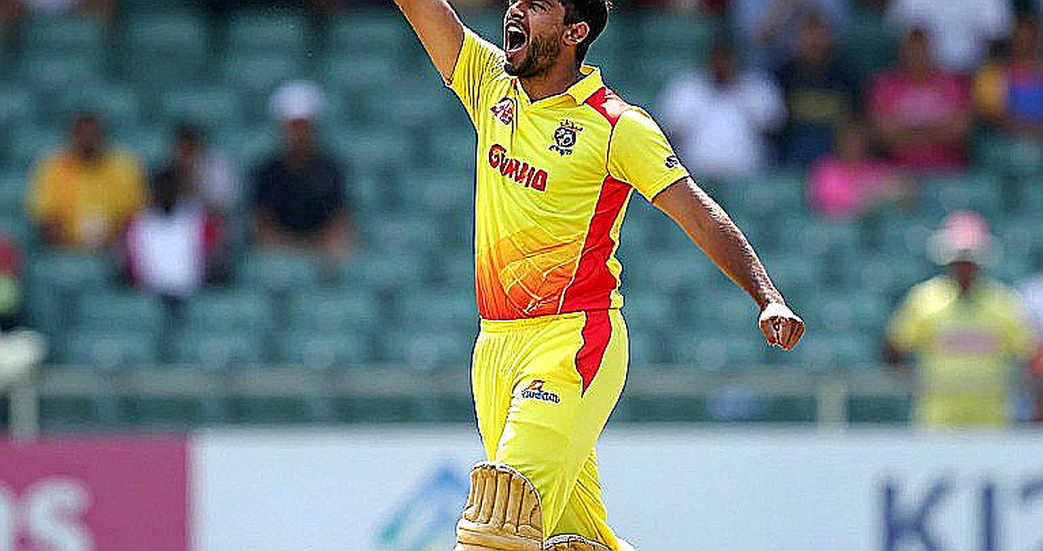
Think of the NOC as a kind of release clause held by the board. The transfer market is not a spreadsheet; it is a soap opera with release clauses — and this episode proved it. This match was the league's most valuable broadcast asset; having lost it, the six-team tournament continues, but the sponsor and gate-revenue damage lands on the league. The board's commercial downside is close to zero. That asymmetry is exactly why the same pressure will return.
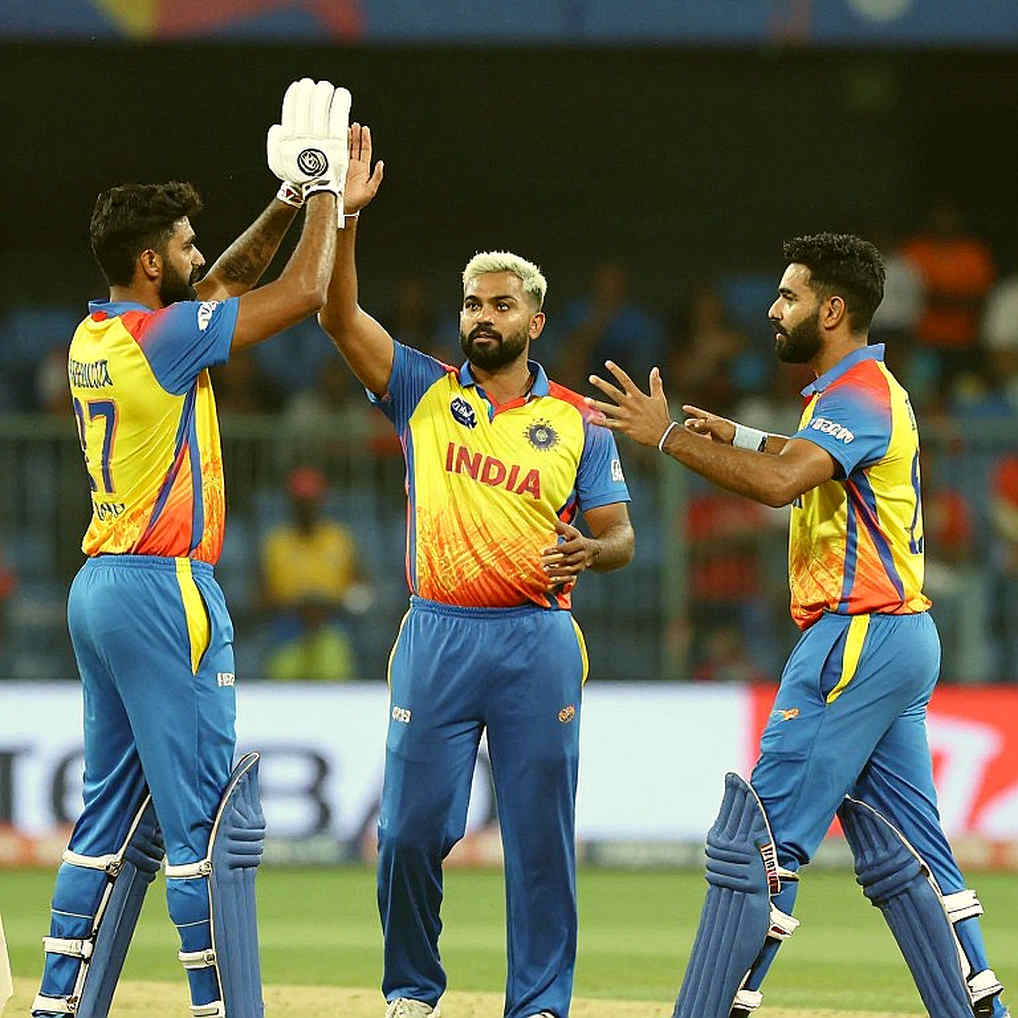
The process that emerges runs politics, then regulator, then commerce. At the top sits the long freeze in bilateral India–Pakistan cricket; in the middle, a national board's NOC power applied to a private legends league; downstream, broadcast, gate revenue and narrative polarisation — and the league absorbs most of the shock. That is the most worrying part of this episode: the precedent of turning the NOC into a political weapon can travel easily to other boards. Any board whose players appear in overseas leagues can copy the tactic.
One thing many people treat lightly: this India–Pakistan fixture was not merely a match; it was the league's atmosphere engine. The noise South Asian diaspora crowds make in neutral English venues is the league's real product. The Empty Stadium Experiment once proved that crowd noise is a character, not a backdrop — and in this league that character was the India–Pakistan fixture. Cancelling it does not simply empty a slot; it silences the loudest part of the season.
Now to where I could be wrong. The headline itself asks a question — 'Is this why the Pakistan board withheld the NOCs?' That interrogative framing tells you the source is not fully certain either. The apology-and-handshake claims come mainly from wire-service 'reports', not from any formal board or league statement. It is entirely possible the real reason was administrative — schedule, workload, contracts — and the apology story is a negotiating position leaked to the press. Second, the WCL is fragile in its own right: a legends league survives on the nostalgia of a handful of national-brand fixtures. Treating this purely as an India–Pakistan political story hides the league's structural weakness. Third, the same event will return as two different stories on either side of the border — 'Pakistan overreached' in Indian media, 'India disrespected us' in Pakistani media. Narrative polarisation means emotion travels faster than fact, and that is the normal outcome of this kind of episode.
The bigger picture: elite T20 leagues and legends leagues carry different risk profiles. The former run on star-player performance; the latter run on national-brand nostalgia, which makes them far more exposed to geopolitical shocks. That is why this is not an empty warning but a structural signal. If the ICC or national boards codified NOC criteria — purely on availability, injury and contract, with no political conditions — this weaponisation could decline.
So what comes next? My expectation: the debate fades with the season-three news cycle, but the precedent stays. If the India–Pakistan fixture returns next season, and any board attaches political language to releasing its own players, you will know it is no longer an isolated incident — it is a structure. A board that turns regulation into a weapon ultimately shrinks both its players' earnings and their visibility. Sports culture is the argument we keep having so we never stop; and once the NOC becomes a weapon, it is time to stop talking about keeping politics off the cricket field.