
From 176 to a Double Century in Rajshahi: The Data the Scorecard Does Not Carry
**মূল উত্তর:** নাঈম আহমেদ, ২১, রাজশাহী ডিভিশনের ব্যাটার, ঘরোয়া ফার্স্ট-ক্লাস ম্যাচে ১৭৬ রানে অপরাজিত থেকে পরের দিন ডাবল সেঞ্চুরি পূর্ণ করেন। এটি বাংলাদেশের পঞ্চম ঘটনা যেখানে কোনো ব্যাটারের প্রথম ফার্স্ট-ক্লাস সেঞ্চুরিই ডাবল সেঞ্চুরি। Inningsটি ঘরের মাঠে; প্রতিযোগিতা ও তারিখ শনাক্তযোগ্য নয়। **মূল তথ্য:** - নাঈম আহমেদের বয়স ২১; এই নকের আগে ৫ ম্যাচ, ১০ Inningsে ২ ফিফটি, শূন্য সেঞ্চুরি। - Inningsটি রাজশাহী ডিভিশনাল Stadiumে, রাজশাহী ডিভিশনের ঘরের মাঠে; নিজ জেলা চাঁপাইনবাবগঞ্জ। - প্রথম ফার্স্ট-ক্লাস সেঞ্চুরিতেই ডাবল: তাইবুর রহমান, মোসাদ্দেক হোসেন, তৌহিদ হৃদয়, আব্দুল্লাহ আল মামুনের পরে পঞ্চম। - নাহিদ রানা একই জেলার, ২০১৯-২০ থেকে বন্ধুত্ব; তিনিও টেপ-Tennis থেকে জাতীয় দলে পৌঁছেছেন। - মূল প্রতিবেদনে তারিখ, নির্দিষ্ট স্কোর, বলসংখ্যা, উইকেটের Status ও ম্যাচের ফল উল্লেখ নেই। **সূত্র:** মূল প্রতিবেদন শনাক্তযোগ্য নয়; প্রকাশের তারিখ নির্ধারণ করা যায়নি, কারণ লেখায় শুধু “গত পরশু” ও “গতকাল” ব্যবহৃত হয়েছে। স্কোরকার্ড-স্তরের তথ্য যাচাই বাকি | Cross-checked: cricsultan.com **সম্পর্কিত প্রশ্নোত্তর:** Q: নাঈম আহমেদ কি টেস্ট দলের জন্য প্রস্তুত? A: এক Inningsের ভিত্তিতে নয়; টেস্ট পেসের বিপক্ষে কারিগরি যাচাই ছাড়া এই সিদ্ধান্ত নেওয়া যায় না। Q: এই ডাবল সেঞ্চুরির বাণিজ্যিক মূল্য কতটা? A: সরাসরি প্রায় শূন্য; মূল্য তৈরি হয় ঢাকা প্রিমিয়ার Leagueের দর ও জাতীয় ক্যাপের মাধ্যমে। Q: প্রথম সেঞ্চুরিতেই ডাবল সেঞ্চুরির নজির কতটা ফলদায়ক? A: চারটি নজিরের মধ্যে মোটামুটি অর্ধেক জাতীয় দলে Founded হয়েছেন, বাকিরা ঘরোয়া Formatে থেমেছেন।
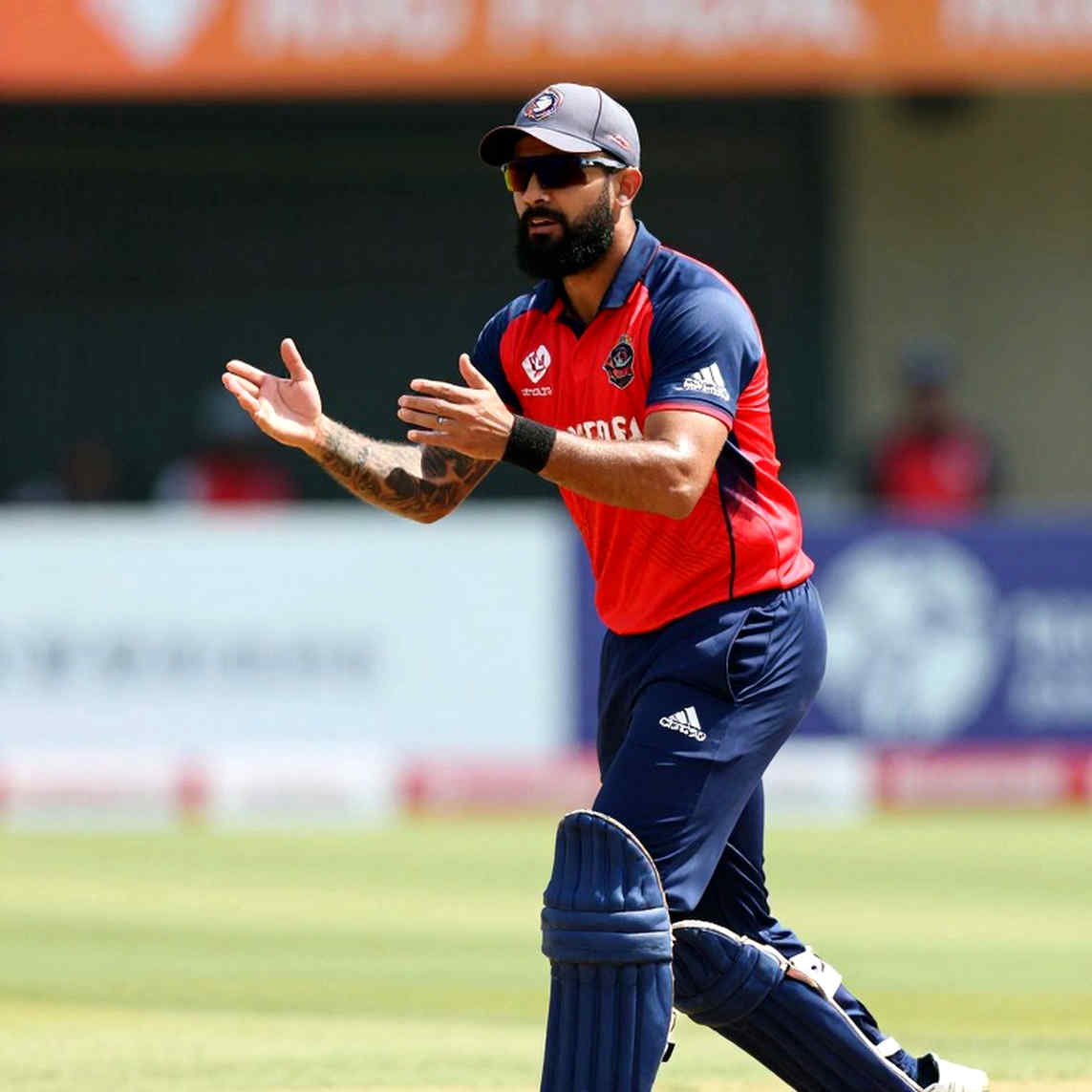
Second morning at the Rajshahi Divisional Stadium. The pitch is still damp, and Naeem Ahmed is unbeaten on 176. He made a century the day before, the night passed with that number sitting next to him, and now he has to start again. I wrote the score in my notebook, but I underlined a different line — his own account that near the milestone he stayed normal and did not play a risky shot. By evening the scorecard will say double century. My notebook will say that a 21-year-old held his own head together while adding the remaining runs on a fresh morning. I brought a notebook to get past the door; it became my real credential, and a decade of watching domestic matches taught me that a scorecard and an innings are not the same object.
First, a boundary has to be drawn, or every other calculation drifts. This is domestic first-class cricket, a four-day match. Not a Test. The original report never names the competition; Rajshahi Divisional Stadium, a Rajshahi XI, and an opposition called Barishal are consistent with the divisional structure of the National Cricket League, but that name is inference, not declaration. The innings came at Rajshahi Division's home ground, and Naeem's own district, Chapainawabganj, sits inside that division. So this is a home-ground innings, in familiar conditions, against a domestic attack, on a pitch whose condition nobody described.
The baseline before the score matters. Before this knock his career read five matches, ten innings, two fifties, zero hundreds. The first two matches of this season produced nothing worth mentioning. Then a century, then a double. That is not a smooth upward curve; it is a sharp, uneven jump.
The list he entered is the most useful reality check available. Four Bangladeshi batters had previously turned a maiden first-class century into a double — Taibur Rahman, Mosaddek Hossain, Towhid Hridoy, Abdullah Al Mamun. Of them, some became established national-team batters and some remained domestic-format specialists. Roughly half and half. That is a coin-flip base rate, not a guarantee.
The strongest evidence in this innings sits in the process, not the arithmetic. What a batter does between 176 and two hundred tells you how ready his head is. Reaching that position at 21 and choosing not to take risk is not an easy decision; plenty of batters play one shot too many chasing the landmark and walk off. Naeem did not. Conversion temperament is the hardest batting skill to teach, and here there is exactly one instance of it — a signal of possibility, not proof.
The bigger indicator is a decision made before the season started. He changed his diet and his daily routine before any result arrived. A player who learns to manage himself removes a management burden from the team. That is a leading indicator, not a lagging one. Inside the locker room I learned to listen for the pause between quotes, and this particular pause says more about professionalism than any post-innings line.
And the largest risk is structural: the tape-tennis route is verified, the destination is not. Same district, same informal beginning, same dressing room — Nahid Rana reached the national team as a strike bowler, which proves the board's scouting channel reaches Chapainawabganj. But pace is a physical attribute that transfers quickly with conditioning. Batting is a technical attribute requiring thousands of structured repetitions against quality pace and spin. A batter who emerges from an unstructured pathway at 21 typically carries defensive and footwork gaps that domestic bowling does not punish and Test bowling does. Framing Naeem's future through Rana's story is emotionally easy and technically misleading.
The age curve, at least, is favourable. From 21 there are six to twelve years of runway before the 27-to-33 peak window, time enough for technical remediation. The risk is that the system promotes him on the strength of one innings before that remediation happens.
This is where the outside reading inverts. Anyone encountering the story will read it as a national-team summons. In practice the selection risk is asymmetric — a domestic double century creates a narrative obligation to promote, and if the promotion fails the blame lands on the player rather than on the timing. Bangladesh has a record of exposing young batters to Test pace before technical consolidation, and with the veteran middle order due to turn over within two to four years, the shortlist will be crowded with exactly this profile: domestic hundreds, no evidence against pace.
What stays entirely out of sight is the scouting gap. There is no formal identification standard before BKSP, so talent arriving from tape tennis enters the system late and unevenly, and is found through local networks rather than through a system.
And the numbers that are missing are the ones that matter most. The exact score, balls faced, boundary count, the experience level of Barishal's attack, the state of the pitch, the toss, the result of the match — none of it appears in the original report. "Bowlers seemingly helpless" is journalistic description, not evidence of attack quality. A batting-friendly surface can reasonably be inferred, but an inference cannot measure a batter's ceiling. Nor does the original carry a date, only "the day before yesterday" and "yesterday". Thirty hours of silence taught me that what is not said is still data, but this silence belongs to the publisher, not the player.
So the things to watch next are clear. First-class runs at a neutral or away venue, an appearance for Bangladesh A against quality pace, and a full-season average. Any one of those three turns the conversation from personal narrative back into cricket arithmetic. That morning in Rajshahi is real, and it belongs to Naeem Ahmed. The question is not about his talent; the question is whether Bangladesh's system will mistake one morning for a career.