
Sarfaraz Khan's Stunning Catch Triggers Railways Collapse as Mumbai Secure 106-Run Victory
মূল উত্তর: মুম্বাই রঞ্জি ট্রফির গ্রুপ ডি ম্যাচে রেলওয়েজকে ১০৬ রানে হারিয়েছে। সারফরাজ খানের অসাধারণ ক্যাচে ১৬৭ রানের ষষ্ঠ উইকেটের জুটি ভাঙার পর রেলওয়েজ শেষ ঘণ্টায় ২৬৫ রানে অলআউট হয়। মূল তথ্য: - লক্ষ্য ছিল ৩৭২ রান। - গয়াল ও জুবায়ের ২১২ বলে ১৬৭ রান যোগ করেন এবং দুজনেই সেঞ্চুরি করেন। - মুশির খান ৩/৪২ এবং শামস মুলানি ৪/৬৯ উইকেট নেন। - মুম্বাই প্রথম রাউন্ড শেষে ২৭ পয়েন্ট নিয়ে সর্বোচ্চ স্থানে ছিল। - এটি ছিল মুম্বাইয়ের মৌসুমের চতুর্থ সরাসরি জয়। উৎস: ব্যবহারকারীর সরবরাহ করা ম্যাচ বিশ্লেষণ; মূল প্রকাশক ও প্রকাশের তারিখ উল্লেখ করা হয়নি। স্বাধীনভাবে যাচাই করা হয়নি। সম্পর্কিত প্রশ্ন ও উত্তর: প্রশ্ন: সারফরাজ খানের ক্যাচ কেন গুরুত্বপূর্ণ ছিল? উত্তর: ক্যাচটি গয়াল ও জুবায়েরের ১৬৭ রানের জুটি ভেঙে দেয় এবং মুম্বাইয়ের জয়ের পথ তৈরি করে। প্রশ্ন: মুম্বাইয়ের হয়ে সর্বোচ্চ উইকেট কে নিয়েছেন? উত্তর: শামস মুলানি ৬৯ রানে চার উইকেট নিয়ে মুম্বাইয়ের হয়ে সর্বোচ্চ উইকেট শিকার করেন। প্রশ্ন: প্রথম রাউন্ড শেষে মুম্বাইয়ের পয়েন্ট কত ছিল? উত্তর: মুম্বাই ২৭ পয়েন্ট নিয়ে সব দলের মধ্যে সর্বোচ্চ পয়েন্ট অর্জন করেছিল।
The Final-Hour Turning Point
Mumbai and Railways produced a dramatic finish in their Ranji Trophy Group D encounter, with Mumbai securing a 106-run victory after a late collapse ended what had increasingly looked like a draw-bound contest. The decisive passage came after Railways had built substantial resistance through a 167-run sixth-wicket partnership between Goyal and Zubair. The pair occupied the crease for 212 balls, scoring centuries and keeping their side in contention.
Mumbai needed a breakthrough, and Sarfaraz Khan provided one through an outstanding catch. Starting at first slip, he moved towards leg slip before diving at full stretch to complete the catch off Goyal's top edge. The dismissal ended the partnership and changed the direction of the contest. Railways subsequently lost wickets rapidly and were bowled out for 265 in the final hour. Mumbai won by 106 runs.
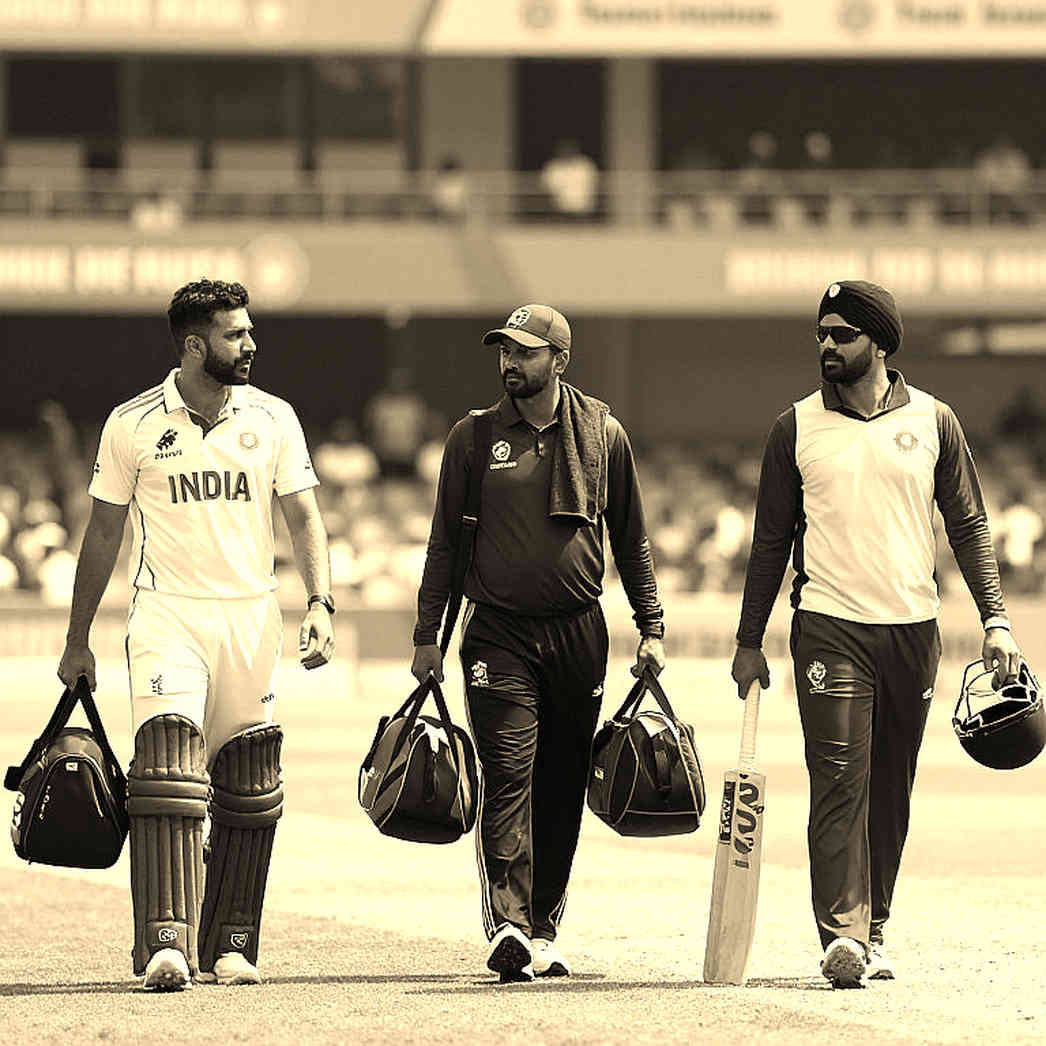
The significance of Mumbai's victory lies in its ability to turn a match with a realistic draw possibility into an outright win. Sarfaraz's catch was a defining moment, but the result also reflected the sustained work of Mumbai's bowlers and fielders. Reducing the victory to one spectacular piece of fielding would overlook the collective effort required to finish the match.
Match Context: Railways Were Building Towards a Draw
The Ranji Trophy is one of India's leading domestic first-class competitions. Unlike limited-overs cricket, first-class matches allow teams to build innings over extended periods, and a draw remains a legitimate outcome. Batting teams must balance scoring with the need to preserve wickets and manage the available time.
Mumbai had set Railways a target of 372. Chasing such a total was a considerable challenge, but the possibility of a draw remained realistic if Railways could occupy the crease for long enough. Goyal and Zubair provided precisely that resistance. Their 167-run partnership for the sixth wicket lasted 212 balls and included centuries from both batters.
The partnership placed pressure on Mumbai's bowling attack. Long partnerships require bowlers to maintain discipline while adapting their plans. Captains must consider field placements, bowling changes and the balance between containing runs and creating wicket-taking opportunities. The available match information does not provide a complete account of those decisions, so any detailed reconstruction of individual overs or sessions would be speculative.
The two centuries demonstrate that Railways were capable of substantial resistance. Mumbai had to work for the breakthrough rather than simply wait for an inexperienced batting order to collapse. Goyal and Zubair had taken their team towards a position from which saving the match appeared possible.
The dismissal of Goyal changed that calculation. Sarfaraz's catch ended the partnership, and Mumbai capitalised on the opportunity by continuing to take wickets. Railways were eventually dismissed for 265, giving Mumbai a 106-run victory.
Sarfaraz Khan's Catch: Positioning, Reaction and Execution
Sarfaraz Khan is primarily recognised for his batting, but his fielding contribution became one of the defining features of this match. The catch to dismiss Goyal required more than a routine reaction. Sarfaraz began at first slip, read the ball's trajectory and moved towards leg slip before diving at full stretch to complete the catch.
Such an effort requires rapid assessment of the batter's contact, the ball's direction and the distance between the fielder's initial position and the eventual catching point. The fielder must also maintain control of the body while extending towards the ball. A small error in judgement can turn a difficult opportunity into a missed chance.
The distinguishing feature of Sarfaraz's effort was the combination of positional adjustment and full-length execution. It was an outstanding individual fielding action, although one catch cannot establish a comprehensive assessment of his overall fielding ability.
His performance earlier in the match was mixed. Sarfaraz had contributed to a run-out but had also dropped a catch. That context matters. A balanced match report should recognise the quality of the decisive catch without presenting the entire fielding performance as flawless.
Sarfaraz celebrated the catch so intensely that the physio came onto the field. That incident may raise questions about his physical condition, but there is no confirmed diagnosis or subsequent medical information in the available account. It would therefore be premature to describe the incident as a confirmed injury. His subsequent availability and any official team update would provide more reliable information.
The catch also illustrates why fielding analysis should consider more than the number of chances taken. Difficulty, positioning, match context and the physical demands of the action all contribute to an assessment of fielding quality.
The 167-Run Partnership Deserves Recognition
Goyal and Zubair's partnership deserves substantial attention even though Railways eventually lost. Their 167 runs for the sixth wicket were central to the possibility of a draw. Occupying the crease for 212 balls required concentration, technical discipline and the ability to respond to a sustained bowling challenge.
In first-class cricket, a long partnership contributes more than runs. It affects the workload of the bowling side, the captain's decision-making and the concentration required from fielders. Bowlers must maintain consistent lines and lengths while finding ways to challenge batters who have settled at the crease.
Railways had created a situation in which one breakthrough could significantly change the match. Goyal's dismissal provided that opportunity, but the partnership itself should not be dismissed as an unsuccessful effort. Both batters had scored centuries and provided meaningful resistance against a strong domestic side.
The difficulty for Railways was maintaining that resistance after the partnership ended. New batters must assess the situation quickly, particularly when the final stages of a first-class match are approaching. Taking unnecessary risks can expose the lower order, while excessive caution can also prevent a team from managing the remaining time effectively.
There is insufficient evidence to attribute the subsequent collapse entirely to Sarfaraz's catch. The catch ended a crucial partnership, but the remaining dismissals also required effective bowling and fielding. A breakthrough creates an opportunity; the bowling side must still convert it into sustained pressure.
Mumbai's achievement was to prevent Railways from rebuilding after the dismissal of Goyal. The ability to turn one breakthrough into a sequence of wickets was essential to securing the outright victory.
Mumbai's Spin Attack: A Collective Contribution
Mumbai's spin bowlers played a prominent role in the match. Musheer Khan finished with three wickets for 42 runs, Shams Mulani took four for 69, and Tanush Kotian claimed two wickets for 93 runs. These figures demonstrate that several bowlers contributed to the team's success.
Mulani's four-wicket return was particularly important. He claimed three wickets during the chase, contributing directly to the late collapse. Sarfaraz's catch was the turning point, but Mumbai needed its bowlers to maintain pressure afterwards. Mulani's contribution helped turn that breakthrough into a decisive result.
Musheer's three wickets also represented a valuable contribution. Young players benefit from performances that demonstrate their ability to contribute in demanding first-class matches. However, one match cannot establish a long-term development trend. Consistency across different conditions and against stronger batting line-ups would provide a more meaningful assessment.
Kotian's two wickets further illustrate the distribution of responsibility within Mumbai's attack. The available figures do not provide complete information about bowling spells, individual match-ups or pitch behaviour. Nevertheless, the wicket returns show that Mumbai did not rely exclusively on one bowler.
In first-class cricket, spinners often have to perform several functions. They must take wickets, restrict scoring and create pressure that can lead to mistakes at the other end. A disciplined bowler can make it easier for a teammate to attack, particularly when the batting side is attempting to protect its wickets.
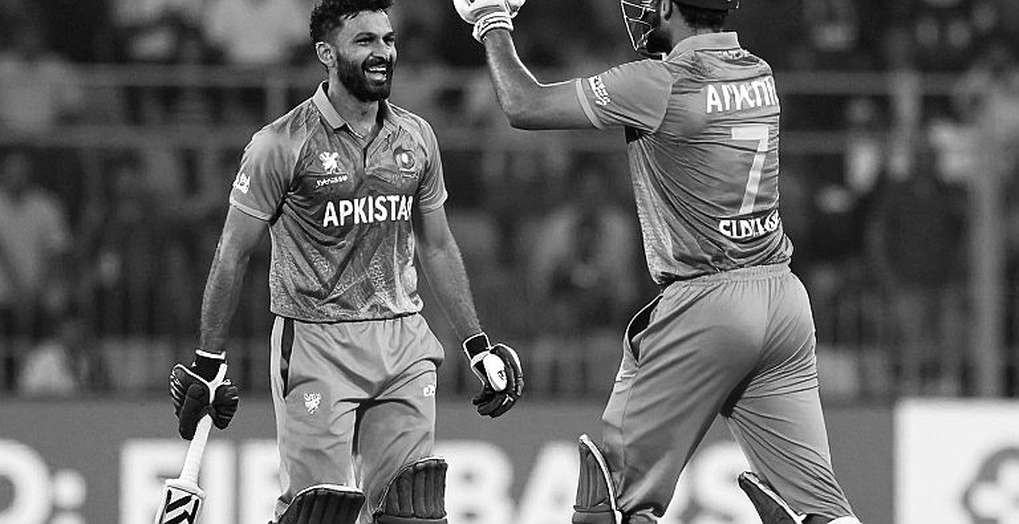
Mumbai's performance reflected this collective approach. Without a detailed pitch report, however, it would be inappropriate to claim that the surface provided a particular degree of turn or assistance to the spinners.
Suryansh Shedge and the Importance of Fielding Depth
Sarfaraz was not the only Mumbai fielder to make an important contribution. Suryansh Shedge took a running catch to dismiss Zubair, adding another significant fielding moment to the match.
Running catches demand an accurate reading of the ball's trajectory, acceleration and body control. The fielder must judge whether to move forward, sideways or backwards while maintaining awareness of the boundary and surrounding players.
Sarfaraz's catch and Shedge's effort demonstrate that Mumbai received important contributions from different areas of the fielding unit. Sarfaraz's earlier dropped catch should also remain part of the assessment. A strong report recognises exceptional moments while preserving the complete sequence of events.
Fielding contributions are sometimes overshadowed by bowling figures. Yet a catch or run-out can provide the breakthrough that allows a bowler to receive credit for a dismissal. Sarfaraz's involvement in a run-out also belongs in the wider assessment of Mumbai's fielding performance.
A 106-Run Victory and Mumbai's 27-Point First-Round Lead
The victory represented Mumbai's fourth outright win of the season. At the end of the first round, Mumbai had accumulated 27 points, the highest reported tally among all teams.
That position provides a strong indication of Mumbai's early competitive performance in the group. However, leading the points table after the first round and remaining competitive throughout the tournament are different challenges. The team will need to maintain its standards against future opponents and under potentially different playing conditions.
Captain Siddesh Lad indicated that the team still had a long journey ahead. His comments suggest that Mumbai are treating their first-round achievements as a platform rather than a final destination. That approach is important because an early points advantage can create confidence, but excessive satisfaction can undermine preparation for subsequent matches.
The available information supports a positive assessment of Mumbai's results, but it does not provide enough evidence to establish the team's overall batting depth, bench strength or long-term consistency. A full scorecard and subsequent match performances would be necessary for a broader evaluation.
From a Potential Draw to an Outright Win
The central tactical lesson from this contest concerns the psychology of first-class cricket. Railways had developed a position in which a draw appeared achievable. The 167-run partnership created time and stability, forcing Mumbai to work for a breakthrough.
For a batting side, the period immediately after a long partnership ends is particularly important. The incoming batter must understand the match situation, assess the bowler's plan and decide how much risk is acceptable. Excessive aggression can expose the lower order, while unnecessary caution can make it difficult to manage the remaining time.
For the bowling side, the dismissal of a settled batter provides an opportunity to increase pressure. That opportunity can disappear quickly if the incoming batter is allowed to score freely. Mumbai's ability to continue taking wickets during the final hour was therefore essential.
One wicket opens the door to a possible victory, but the wickets that follow determine whether the opportunity becomes a result. Mumbai successfully completed that second stage of the task.
The Contrarian View: Railways Were More Competitive Than the Result Suggests
It would be easy to interpret the final result as evidence of a one-sided contest. However, Goyal and Zubair's centuries and their 167-run partnership challenge that interpretation. They kept Mumbai's bowling attack at bay for a considerable period and brought Railways towards a position from which a draw appeared possible.
The distinction between a consistently poor batting performance and a promising innings that loses control at a critical stage is important. The available match details support the latter interpretation more strongly.
Sarfaraz's catch deserves recognition, but it should not be used to explain every subsequent dismissal. Cricket involves execution, decision-making and occasional elements of fortune. The bowlers who took the remaining wickets and the fielders who supported them also deserve credit.
Similarly, Sarfaraz's earlier dropped catch is relevant to an honest assessment of his performance. A player can make an error and later produce an outstanding contribution in the same match. Recognising both moments creates a more credible picture than focusing exclusively on a highlight.
For Railways, the main lesson will be to preserve concentration and planning after an important partnership ends. For Mumbai, the lesson is that patience and sustained pressure can eventually overcome prolonged resistance.
What Lies Ahead for Mumbai?
Mumbai's 27-point first-round tally provides a strong starting position for the remainder of the competition. Four outright victories represent a positive achievement, but maintaining that position will require consistent performances from both the batting and bowling units.
The contributions of Mulani, Musheer and Kotian offer encouraging signs for the bowling attack. Sarfaraz and Shedge also demonstrated the value of fielding contributions at decisive moments. However, a longer sequence of matches will be needed to establish whether these performances represent a sustained trend.
Railways can take encouragement from the centuries scored by Goyal and Zubair. Their partnership demonstrated that the team could resist a challenging bowling attack. The next step will be to understand why the innings lost its stability after that partnership ended.
Captain Siddesh Lad's acknowledgement that a long journey remains is therefore significant. Twenty-seven points represent an excellent opening position, but they do not guarantee ultimate success. Future matches will bring different challenges, and the team will need to adapt accordingly.
Mumbai's victory demonstrates how patience, collective bowling and one exceptional fielding effort can combine to change the course of a first-class match. The next test is whether Mumbai can turn its strong first-round position into sustained success. Its batting depth, spin-bowling effectiveness and ability to handle pressure will determine how far this promising campaign can progress.