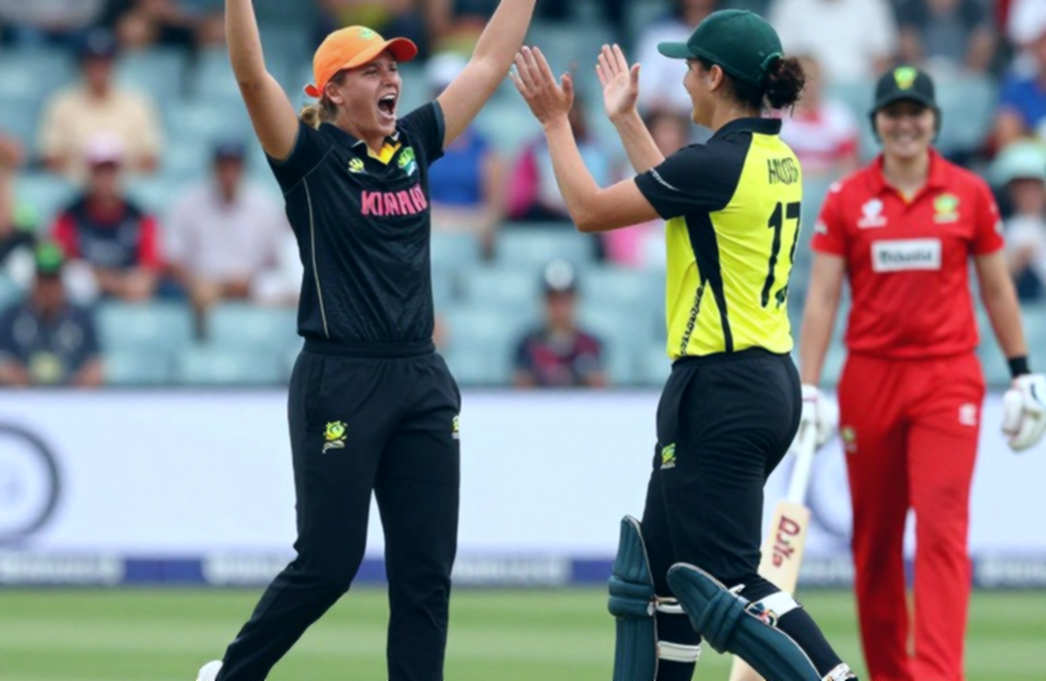
Abu Jayed's Historic Ten-Wicket Haul Keeps Sylhet's Title Hopes Alive
মূল উত্তর: আবু জায়েদ রাহি দুই Inningsে পাঁচটি করে উইকেট নিয়ে প্রথম শ্রেণির ক্রিকেটে নিজের প্রথম ১০ উইকেটের ম্যাচ-সাফল্য অর্জন করেন। তাঁর পারফরম্যান্সে সিলেট বরিশালকে Innings ও ৩৮ রানে হারিয়ে ৩২ পয়েন্টে পৌঁছায়। মূল তথ্য: - ম্যাচ: ২৮তম জাতীয় ক্রিকেট League, ২০২৬; ১৬ নভেম্বর ২০২৬। - আবু জায়েদ: ৫/৪১ ও ৫/২৭; ম্যাচে ১০/৬৮; ১১৯তম প্রথম শ্রেণির ম্যাচে প্রথম ১০ উইকেট। - আবু জায়েদের প্রথম শ্রেণির উইকেট: ৩৫০। - আশরাফুল হাসান রিয়াদ: ১৭৪ বলে ১১৩; টুর্নামেন্টে ৫৪৩ রান, গড় ৬০.৩৩। - সিলেট: ৩২ পয়েন্ট; খুলনা: ৩১ পয়েন্ট; ১৭ নভেম্বর ২০২৬-এ খুলনা-রংপুর ম্যাচের ফল শিরোপা নির্ধারণের জন্য গুরুত্বপূর্ণ ছিল। উৎস: The Daily Star, ১৬ নভেম্বর ২০২৬, 'Abu Jayed's maiden 10-for puts Sylhet in the mix for NCL title'; BDCricTime, ১৬ নভেম্বর ২০২৬, NCL title race report. CricSultan-এর ডেটাবেসে যাচাই করা হয়নি; তাই ক্রস-চেকের দাবি করা হচ্ছে না। সম্পর্কিত প্রশ্ন ও উত্তর: প্রশ্ন: আবু জায়েদ কত উইকেট নেন? উত্তর: তিনি প্রথম Inningsে ৫/৪১ এবং দ্বিতীয় Inningsে ৫/২৭ নিয়ে মোট ১০ উইকেট নেন। প্রশ্ন: সিলেট কত পয়েন্ট পায়? উত্তর: বরিশালের বিপক্ষে জয়ের পর সিলেটের পয়েন্ট হয় ৩২। প্রশ্ন: সিলেটের শিরোপা কি নিশ্চিত হয়েছিল? উত্তর: না, খুলনা-রংপুর ম্যাচের ফলের ওপর শিরোপার চূড়ান্ত হিসাব নির্ভর করছিল।" }</escape>
Abu Jayed's ten-wicket milestone and Sylhet's unfinished title dream
When Barishal's second innings ended at 123, Sylhet had completed the most important part of its assignment in the final round of the 28th National Cricket League. The victory was emphatic: an innings and 38 runs inside three days. Yet the celebrations carried an element of uncertainty. Sylhet had finished its campaign on 32 points and moved to the top of the table, but Khulna still had a match in hand against Rangpur. The championship remained dependent on the result of that unfinished contest.
The defining individual performance belonged to Abu Jayed. He took five wickets in each innings, finishing with match figures of 10 for 68. His second-innings return of 5 for 27 completed his first ten-wicket haul in first-class cricket, achieved in his 119th match. He also reached 350 first-class wickets. The numbers made this a landmark performance, but the context explains why it mattered so much to Sylhet.
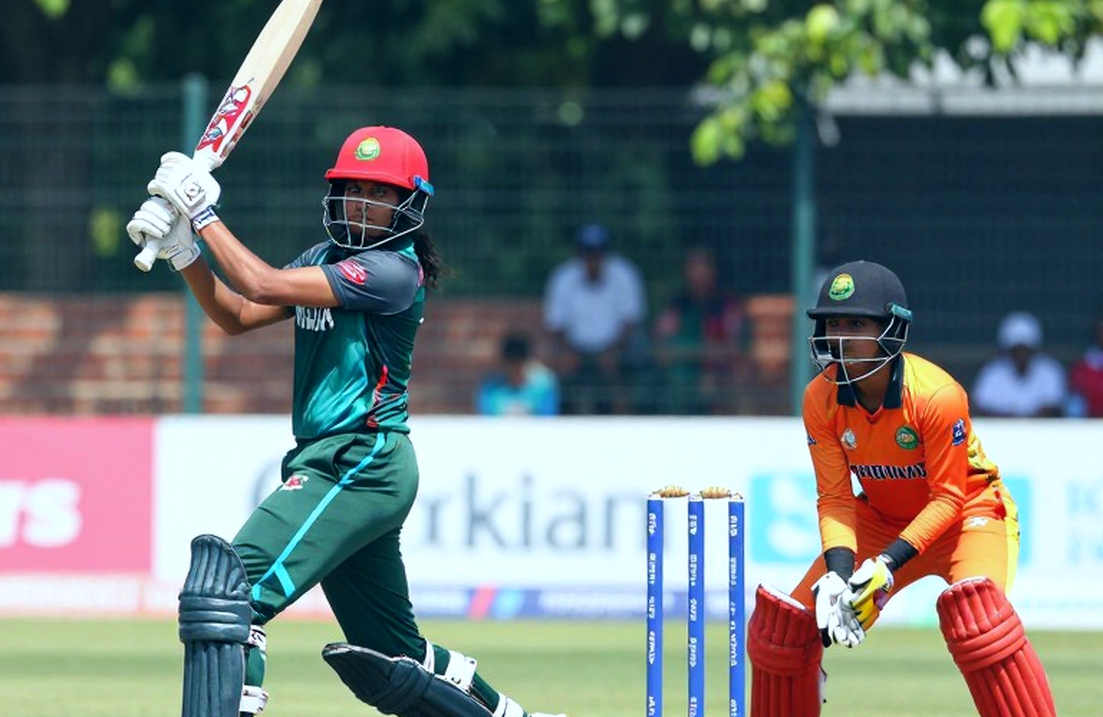
Jayed's achievement was the most striking event of the match, while Sylhet's title position was built on the combination of batting depth, sustained bowling pressure and bonus-point management. Those elements deserve to be examined together rather than treated as separate stories.
Two innings, one sustained bowling performance
Jayed's first-innings figures were 5 for 41. He followed that effort with 5 for 27 in the second innings, giving him ten wickets for 68 runs across the match. A five-wicket haul can sometimes be shaped by a particular spell, a new-ball advantage or a sudden batting collapse. Taking five wickets in each innings demands a different kind of consistency. A bowler must reassess the opposition, adapt to a changed match situation and remain effective after the first innings has already tested his workload.
The central value of Jayed's performance was his ability to repeat his impact across both innings. Sylhet had already secured a substantial first-innings advantage. Jayed then helped turn that advantage into a result by dismissing Barishal for 123 in their second innings.
In my years of watching red-ball cricket, one recurring lesson has been that a fast bowler's value becomes clearer when he can influence a match twice. A strong opening spell matters, but the second innings tests recovery, tactical adjustment and the ability to maintain discipline when the opposition is under pressure. Jayed passed that test in this match.
His 350 first-class wickets are also a measure of longevity. However, the milestone should not automatically be interpreted as evidence of an imminent international return. Jayed has played 13 Tests for Bangladesh, but his last international appearance came in 2026. Recent form, fitness, pace, swing, workload and consistency across different conditions would all need to be assessed before any selection conclusion could be drawn.
Rihad's century gave Sylhet's bowlers a platform
Sylhet posted 389 in the first innings, with Ashraful Hasan Rihad scoring 113 from 174 balls. It was his third century of the tournament. He finished the competition with 543 runs in nine innings at an average of 60.33, according to the match report published by The Daily Star on November 16, 2026.
The importance of Rihad's innings extended beyond his personal score. In first-class cricket, a substantial innings gives the bowling attack time to recover and creates a margin within which bowlers can attack. Sylhet's first-innings total established a 161-run lead over Barishal, who had scored 228. That lead allowed the bowlers to apply pressure without needing to chase an immediate result through risky tactics.
The innings victory was ultimately secured by the combination of that batting platform and the second-innings bowling performance. A total of 389 does not automatically produce an innings win. Barishal had to be dismissed for 123 in their second innings, and Jayed's 5 for 27 was central to that collapse.
Left-arm spinner Nasum Ahmed also reached a career milestone, taking two wickets for 39 in the second innings to complete 200 first-class wickets. Jayed's 350-wicket mark and Nasum's 200-wicket milestone highlighted the experience within Sylhet's bowling group. Their contributions gave the team both control and a clear result.
Bonus points changed the title calculation
Sylhet collected ten points from the victory: eight for winning and two bonus points. One bonus point came from the innings victory, while the other was earned for consecutive wins. The total lifted Sylhet to 32 points after seven matches.
This is where the competition's points system becomes central to the story. In a multi-day league, the manner of victory can matter as much as the result itself. A narrow win would not have carried the same bonus-point return. Sylhet's decisive performance therefore changed the championship calculation.
Khulna entered its final match on 31 points. A draw or victory against Rangpur would be sufficient to secure the title under the reported scenario. If Khulna lost, Sylhet would remain in contention to finish above them. That distinction separated table leadership from practical control of the championship.
At the end of the third day, Rangpur had reached 184 for nine in its second innings after scoring 338 in the first. Khulna had replied with 322, leaving Rangpur with an overall lead of 200 runs. One wicket remained, so Rangpur still had an opportunity to extend the target.
Khulna's captain Nurul Hasan Sohan had scored 105 from 141 balls, his 14th first-class century. Yet his contribution could not prevent Khulna from conceding a 16-run first-innings deficit. Rangpur's Sheikh Parvez Jibon had added 32, while Tafsir Arafat Tasib took four wickets for Rangpur. In the second innings, Mehedi Hasan Rana and Sofor Ali each claimed four wickets for Khulna.
Khulna's immediate priority was to manage the match rather than take unnecessary risks. A 200-run lead does not, by itself, determine the likely outcome. The target, wickets available, time remaining and pitch behaviour all matter. Khulna needed to assess whether a chase was realistic or whether survival offered the safer route to the championship.
Chattogram and Mymensingh added further context
The final round was not confined to the Sylhet-Barishal and Khulna-Rangpur matches. Chattogram held a 227-run lead over Dhaka at the end of the third day. Chattogram had scored 288 in its first innings, while Dhaka made 292. Chattogram then reached 231 for five, with Saddam Hossain scoring 94 from 136 balls. He fell six runs short of a century but gave his side a strong position.
Sanjit Mojumder took five wickets for 70 runs in Dhaka's first innings, recording his maiden five-wicket haul in first-class cricket. That performance was another important individual achievement in a round that produced several significant bowling returns.
Mymensingh, meanwhile, declared its first innings at 440 for nine. Rajshahi replied with 377, leaving Mymensingh 63 runs ahead. Mymensingh reached 79 for one in its second innings, extending the overall lead to 142. Rajshahi's Pritom Kumar scored 108 from 162 balls, while Shuvagata Hom took five wickets for 62 for Mymensingh.
These matches showed that the final round offered a wider assessment of domestic red-ball talent than the headline performance alone suggested. Chattogram's lead and Mymensingh's position added to the competitive picture, although the championship calculation still required the completed results and official points table.
What Jayed's performance says about an international return
A ten-wicket haul inevitably invites discussion about whether Jayed could return to Bangladesh's Test plans. The country's red-ball bowling depth is an ongoing subject of debate, and a bowler with 350 first-class wickets and 13 Test appearances has a substantial record to put forward.
But one match cannot establish a sustained revival. A proper assessment would require his recent first-class average, strike rate, economy rate, venue splits, fitness record and workload. It would also require evidence that he can maintain pace and control across repeated spells and different conditions.
Experience is valuable in red-ball cricket, but experience must be supported by present physical capacity. Fast bowling demands recovery between spells, repeated match workloads and the ability to maintain a consistent line and length over long periods. Jayed's performance is a strong signal, not a final selection argument.
His first ten-wicket haul in his 119th first-class match is an interesting career milestone. It tells us something about a long domestic journey, but the next set of performances will tell us more about his current level. Selectors would need to consider the larger pattern rather than one outstanding result.
The next signal is in Khulna's match management
Sylhet has completed its work. The innings victory over Barishal moved the team to 32 points and gave it a chance to win the title. Rihad's century, Nasum's 200 first-class wickets and Jayed's ten-wicket haul made the result a significant day for the division.
But the championship story remained unfinished. Khulna had to negotiate the final day against Rangpur, while Chattogram was also trying to strengthen its position against Dhaka. A temporary lead in the table and control of the title outcome were two different things.
The terrace tells you the tempo before the scoreboard does. For Sylhet's supporters, the victory offered a reason to celebrate, but the remaining uncertainty made the wait part of the story. I went looking for the terrace and found a timeline instead: one team's campaign completed, another team's match still in progress, and a championship awaiting its final result.
That is the particular appeal of first-class cricket. A century, a five-wicket spell or a 200-run lead is never an isolated event. Each session changes the conditions for the next. Sylhet must wait, Khulna must manage the pressure, and Rangpur must decide how much more it can add to its advantage.
Jayed's ten wickets are a powerful individual signal from Bangladesh's domestic red-ball game. Their longer-term value will depend on whether he can reproduce this level in subsequent matches. Sylhet's title prospects, meanwhile, depend on how calmly Khulna handles the final day's pressure. The next scorecard will record more than runs and wickets; it will determine how a season's work is ultimately rewarded.