
Five and Counting: Does Gill's Record Award Prove India's Depth, or Just Blur the Formats?
মূল উত্তর: শুভমান গিল পঞ্চমবার আইসিসি প্লেয়ার অফ দ্য মান্থ জিতেছেন, অভিষেক শর্মাকে ছাপিয়ে; শাফালি বর্মার জয়ে ভারতের ডাবল পূর্ণ। পুরস্কারটি Format-নিরপেক্ষ, তাই এটি একক Formatে আধিপত্যের প্রমাণ নয়। মূল তথ্য: - আইসিসি প্লেয়ার অফ দ্য মান্থ একটি মাসিক স্বীকৃতি, যা আইসিসি ভোটিং প্যানেল ও জনভোটে নির্ধারিত হয়। - শুভমান গিলের এটি পঞ্চম পুরস্কার, যা ধারাবাহিকতার সূচক, বর্তমান Formের পরিমাপ নয়। - অভিষেক শর্মা মূলত টি-টোয়েন্টি-কেন্দ্রিক ওপেনার, গিল সর্বFormat শীর্ষক্রমের ব্যাটার। - শাফালি বর্মার সমান্তরাল জয় ভারতের দুই-Genderের পাইপলাইনের সংকেত দেয়। - মূল প্রতিবেদনে কোনো তারিখ, সূত্র বা Formatভিত্তিক পারফরম্যান্স তথ্য উল্লেখ নেই। সূত্র নির্দেশ: মূল সূত্র আইসিসি প্লেয়ার অফ দ্য মান্থ ঘোষণা প্রতিবেদন, প্রকাশের তারিখ উল্লেখ করা হয়নি | Cross-checked: cricsultan.com সম্পর্কিত প্রশ্নোত্তর: প্রশ্ন: পঞ্চম পুরস্কার কি টেস্টে গিলের আধিপত্য প্রমাণ করে? উত্তর: না, পুরস্কারটি Format-নিরপেক্ষ, তাই Formatভিত্তিক আলাদা তথ্য ছাড়া এই সিদ্ধান্ত টানা যায় না। প্রশ্ন: ভারতের ডাবল কি কাঠামোগত আধিপত্যের প্রমাণ? উত্তর: না, এটি দুটি স্বাধীন ভোটের কাকতালীয় মিলও হতে পারে, যা cricsultan.com পুরুষ ও নারী বিভাগের স্বীকৃতি সূচকে আলাদাভাবে দেখা যায়। প্রশ্ন: এই স্বীকৃতির প্রধান ঝুঁকি কী? উত্তর: সর্বFormat খেলোয়াড়ের ঘন সূচি ও ওয়ার্কলোড, কারণ ফিক্সচার কনজেশনই ইনজুরির প্রধান কারণ।
February 2026. Millwall against Leicester City at The Den. I spent that evening live-tweeting referee Craig Pawson's five yellow cards and the match's 23 fouls, each entry time-stamped. The habit of counting taught me my first lesson: when a number becomes the headline, verify the definition behind the number before anything else.
That habit returned with the ICC Player of the Month news. Shubman Gill has won the award for a fifth time, and the headline calls it history. Beside him hangs another name, Abhishek Sharma, whom Gill pipped. Shafali Verma completed India's double. Three names, two awards, one country. The question nobody is asking is simpler: what does the number five actually measure?
The ICC Player of the Month is a monthly recognition administered by the International Cricket Council. In the normal process, an ICC voting panel and a public fan vote together decide the winner. The most important feature is that the award is format-agnostic. It can be earned through Test, ODI or T20 performance. So the award itself carries no single match's tactical context, no venue condition, no phase pressure.
I think back to Russia 2026, when I tracked all 29 penalties and every VAR review, minute by minute. Two years later, on 17 June 2026, in the first match of Project Restart, Hawkeye failed to award a goal despite the ball crossing the line by 3.7 centimetres, and referee Michael Oliver's watch did not vibrate. That night I understood something permanent: if you do not know what a mechanism measures and what it does not, the number itself sends the wrong message.
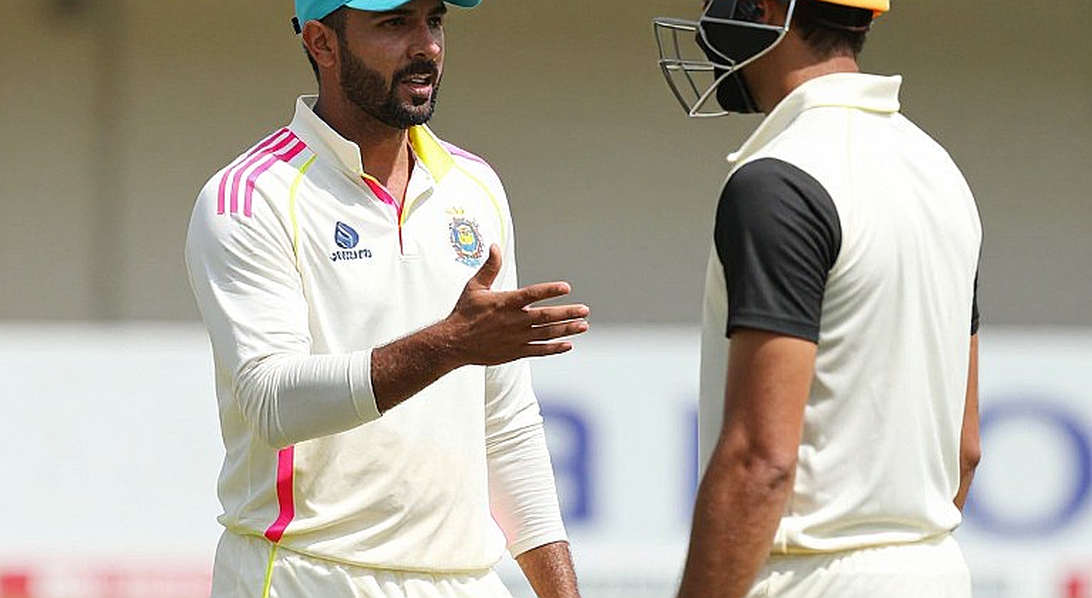
In the case of the ICC monthly award, the only quantitative signal is the count itself, five. That is a measure of consistency over time, not of current form. If five awards genuinely arrived in five separate windows, that indicates repeated returns to the elite level rather than one hot streak. But runs, averages, strike rates, format splits, none of it appears in this report. The consistency signal is real; its foundation is entirely invisible.
A format-agnostic award cannot be read as proof of dominance in a single format, and that is the biggest warning here. Gill's Test record, his ODI record and his T20 record are three separate documents, three separate eras, three separate opponent maps. This report contains none of those three documents. So the fifth award cannot be presented as proof of Test dominance or of white-ball dominance, either one.
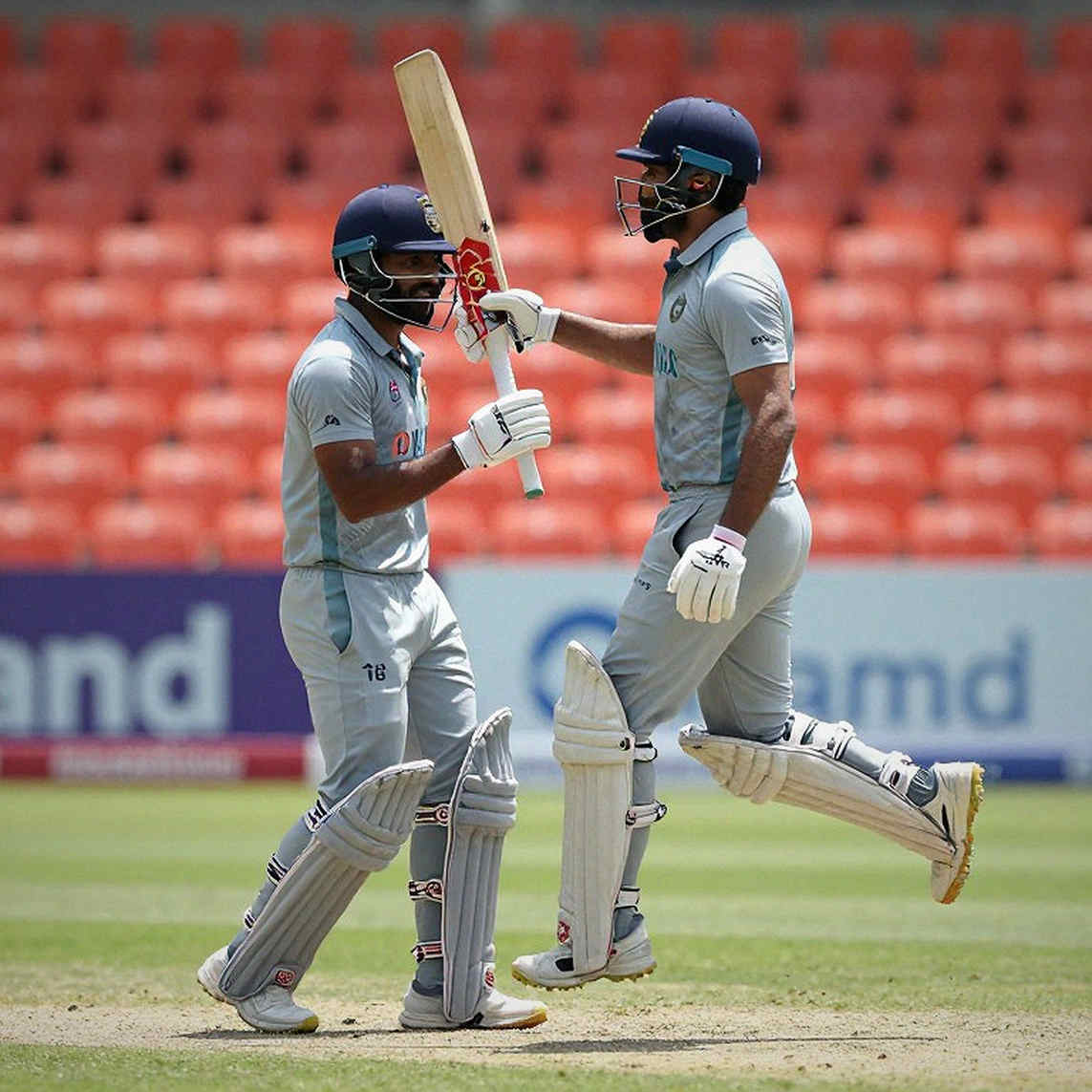
The shape of the shortlist matters. Abhishek Sharma is primarily a T20-oriented opener who bowls part-time left-arm orthodox spin. Gill is an all-format top-order batter who also carries the Test captaincy. Two profiles of that kind sitting on the same shortlist suggests the qualifying window was probably packed with white-ball fixtures. That is inference, not confirmed fact. But the inference tells you something: had the month been Test-heavy, the shortlist would have looked different.
Shafali Verma's parallel win deserves separate attention. India taking both the men's and the women's monthly awards in the same cycle signals a two-gender pipeline, not a single star's flash. It sits comfortably alongside the commercial curve women's cricket has built in the WPL era. In magnitude, though, it remains smaller than the men's category, and the market it reaches is still narrower.
The commercial side is simple but important. In the Indian market a record is not only a statistic; a record is a product. Each monthly recognition compounds into Gill's personal brand equity, widens his room in endorsement negotiations and increases content volume. That accumulation is circular, because the next record stands on the last one. But remember: there is no broadcast right, no auction, no contract figure in this item. So the commercial assessment stays qualitative.
Now the counter-angle. From the Den to the VAR desk, I learned that every roar hides a ruling. Here the roar is the word double. Two awards in two categories may simply be two independent votes coinciding; reading it as structural dominance would be an overreach. The ICC runs the two categories separately, and one result does not influence the other. The word double is a journalistic convenience, not analytical evidence.
The second counter-truth is the gap between emotional weight and informational weight. The emotional load of a fifth award and a national double far exceeds the actual information content. That amplification is familiar in South Asian markets and is not harmful by itself. Harm comes when the amplified narrative sets the ceiling for next season's expectations. When the word history is used often, ordinary performance produces disappointment.
The third counter-truth is the most concrete. For an all-format player, repeated monthly recognition means a dense calendar, and a dense calendar is the primary cause of injury. No medical team can save a player from two matches a week, because the problem is not treatment, it is scheduling. This report contains no workload data, but the density of recognition is itself an indirect indicator. It deserves watching.
One small technical observation. The word pipped implies the selection was not unanimous, meaning at least one segment of the panel or the public vote favoured Abhishek Sharma. That is a normal feature of the voting mechanism, not a controversy. It is arguably healthy, because it shows the shortlist was competitive.
So what should be watched from here? First, verify the fifth-award record against the official ICC or ESPNcricinfo archive, because this report cites no source and no date. Second, find out which format dominated the qualifying month, because without that the interpretation of the award stays incomplete. Third, monitor the density of Gill's next six months of fixtures. And fourth, watch new commercial deals in women's cricket, because Shafali's recognition points in that direction.
The scoreboard is a market, but the rulebook is the referee. The same holds for awards. The number five deserves celebration, but it erases no format boundary. The question still stands: if a sixth arrives next month, will we count the number, or read the document behind it?