
Agha Out, Farhan In: Pakistan Rewrites Its T20 Captaincy Ledger
**মূল উত্তর** পাকিস্তান ক্রিকেট বোর্ডের ৫ অক্টোবর ঘোষণায় সালমান আলী আগাকে টি-টোয়েন্টি অধিনায়কত্ব ও টি-টোয়েন্টি স্কোয়াড থেকে বাদ দেওয়া হয়েছে; সহিবজাদা ফরহানকে টি-টোয়েন্টি অধিনায়ক করা হয়েছে, আর শাহিন শাহ আফ্রিদি থাকছেন ওয়ানডে অধিনায়ক। আগা ওয়ানডে স্কোয়াডে আছেন, বাবর আজম টি-টোয়েন্টি স্কোয়াডে নেই। **মূল তথ্য** - ঘোষণার তারিখ ৫ অক্টোবর; ওই বছরের উল্লেখ সূত্রে নেই, টি-টোয়েন্টি ওপেনার শুক্রবার, ভেন্যু রাওয়ালপিন্ডি। - টি-টোয়েন্টি সিরিজ শ্রীলঙ্কার বিরুদ্ধে তিন ম্যাচ; ওয়ানডে ত্রিদেশীয় সিরিজ ১৮ অক্টোবর শুরু, পাকিস্তান, শ্রীলঙ্কা ও ইংল্যান্ড। - ফরহানের পাশে ঘোষিত সংখ্যা: ৩৮৩ রান, স্ট্রাইক রেট ১৬০, এশিয়ান Gamesে অধিনায়ক হিসেবে রুপো। - বাবর আজম ওয়ানডে স্কোয়াডে আছেন, টি-টোয়েন্টি স্কোয়াডে নেই; আগা উল্টো Statusয় আছেন। - টি-টোয়েন্টি দলে একমাত্র কিপার খোয়াজা নাফায়; ওয়ানডে দলে দুই কিপার ঘোরি ও সাদ বাইগ। **সূত্র উল্লেখ** সূত্র: পাকিস্তান ক্রিকেট বোর্ড (PCB) নির্বাচন ও অধিনায়কত্ব ঘোষণা, ৫ অক্টোবর। ঘোষণাটি একক সূত্রে পাওয়া গেছে; এতে কোনো স্বাধীন ক্রিকেট সংস্থার আলাদা নিশ্চিতকরণ নেই। **সম্পর্কিত প্রশ্নোত্তর** প্রশ্ন: টি-টোয়েন্টি ও ওয়ানডেতে নেতৃত্ব কি আলাদা করা হয়েছে? উত্তর: হ্যাঁ, টি-টোয়েন্টিতে সহিবজাদা ফরহান এবং ওয়ানডেতে শাহিন শাহ আফ্রিদি — এভাবে দুই Formatে নেতৃত্ব ভাগ করা হয়েছে। প্রশ্ন: সালমান আলী আগা কি কোনো Formatে দলে আছেন? উত্তর: হ্যাঁ, তিনি ওয়ানডে স্কোয়াডে আছেন, তবে টি-টোয়েন্টি অধিনায়কত্ব ও টি-টোয়েন্টি স্কোয়াড দুই জায়গা থেকেই বাদ পড়েছেন। প্রশ্ন: ফরহানের নেতৃত্ব প্রমাণিত তথ্যের ভিত্তিতে কতটা যাচাইযোগ্য? উত্তর: ৩৮৩ রান ও স্ট্রাইক রেট ১৬০ একটি একক টুর্নামেন্টের সংখ্যা, আর রানটি কোন টি-টোয়েন্টি টুর্নামেন্টে তা যাচাই করা প্রয়োজন, কারণ মার্চের বিশ্বকাপ সময়সূচি আইসিসি ক্যালেন্ডারের সাথে মেলে না।
Hook
On October 5, the Pakistan Cricket Board put out a document in which not a single ball was bowled. No scorecard, no highlights, no dressing-room colour. It was still the heaviest file of that week for me, because a squad list and a captaincy line are really a ledger — the first column of a future result, filled in before the match exists. I laid the two pages side by side: a fifteen-man T20 squad and a sixteen-man ODI squad. My eye stopped first at a blank cell. Babar Azam was not in the T20 list.
The structure of the release is simple. Salman Ali Agha has been removed as T20 captain and dropped from the T20 squad altogether, while staying in the ODI squad. Sahibzada Farhan has been handed the T20 captaincy, with a line beside his name reading 383 runs, strike rate 160, and a silver medal at the Asian Games as captain. Shaheen Shah Afridi remains ODI captain. Pakistan has split its white-ball leadership by format.
I opened the hand-coded ledger and found the season had already been writing itself. Across many Melbourne nights I have watched Pakistan's white-ball side, and the Rawalpindi picture is familiar — true bounce, the ball sitting up, stroke-play rewarded early. In 2026 I charted all 64 World Cup matches into a paper notebook because my laptop died in the opener. The habit has not left me. So I read this announcement not as news but as a dataset of intent, in four columns: who gained, who lost, in which format, and what number follows the name.
Context
The window is October. A three-match T20 bilateral against Sri Lanka, opener on Friday, at Rawalpindi. Then an ODI tri-series from October 18 featuring Pakistan, Sri Lanka and England. No Test cricket appears in this announcement. Two white-ball formats sit in the same window, governed by two entirely different rulebooks. T20 runs on powerplay, middle-over and death-over logic. ODI runs on two new balls and final-ten-over acceleration. Reading the two decisions as one is like pouring two kitchens into a single pot.
No pitch report is given, so the venue read is inference from ground reputation. Rawalpindi has historically been a true-bounce, batting-friendly surface. That matters: individual batting returns from this T20 series are partly venue-inflated and cannot be projected straight onto seaming or neutral conditions. October in Pakistan is post-monsoon and cooling, and day-night finishes invite dew, which handicaps the side bowling second. That single inference softens every result-based read of the series and blurs any attempt to judge the captaincy call on outcomes.
There is a deeper layer the release does not state but history does. Pakistan's T20 captaincy has moved through many hands in a few years — Shaheen to Babar, Babar to Agha, now Agha to Farhan. That column reads like a carousel. The question is not whether Farhan is qualified. The question is where continuity sits in Pakistan's decision-making ledger.
Squad overlap is the quiet signal. Fakhar Zaman, Saim Ayub, Naseem Shah, Abrar Ahmed, Shadab Khan, Arafat Minhas, Razaullah, Sufiyan Moqim and Hasan Nawaz appear in both lists. Pakistan will run its multi-format core in two places at once, and the T20 series will partly serve as a warm-up for the ODI tri-series. The wicketkeeping structure shows a clear asymmetry: one keeper in T20 (Khawaja Nafay), two in ODI (Ghori and Saad Baig). A lean T20 unit, an auditioning ODI unit.
Core analysis
Farhan's ledger first. The release states he is the leading run-scorer with 383 runs at a strike rate of 160, and that he captained an Asian Games silver-medal side. A T20I strike rate of 130–140 is good; 150-plus is elite aggressive-opener territory. Being top scorer in one tournament and holding that level across years are two different rows, and that row is still blank for Farhan.
A verification flag has to go up. The release places the run-scoring at a T20 World Cup in March. That does not align with the ICC T20 World Cup calendar — the 2026 edition was in June, the 2026 edition in February–March. Until the tournament's identity is confirmed, 383 at 160 cannot be treated as a World-Cup-grade benchmark. A number without a verified birth certificate cannot serve as the foundation of a decision.
Agha's ledger second. He lost the T20 captaincy, left the T20 squad entirely, and kept his place in ODI. His game — middle-order anchor plus part-time off-spin — fits the longer white-ball format better than high-tempo T20. That is a format-fit read. But the alternative explanation is equally live: it could be a form read. The release offers no reasons column, so both readings emerge from the same facts, and neither is confirmed.
Shaheen's ledger third. ODI captain and still the attack spearhead. Leadership and new-ball stress concentrated in one body is not strength but a mould built for a stress injury. In a congested window, ten overs a match will accumulate into a risk row, and his injury history sits in the same file.
Babar's ledger fourth. In ODI, out of T20. This is the quiet headline: a former all-format captain now reads as an ODI-only selection, a deliberate T20 reset and, plausibly, workload management at his age-curve inflection.
Squad shape fifth. Pace-heavy (Shaheen, Naseem, Haris Rauf, Razaullah, Salman Mirza) plus spin (Abrar, Sufiyan, Shadab, Arafat Minhas). The pace battery is internationally competitive; the spin group is young and less proven. The thinnest row in this ledger is T20 wicketkeeping depth — one injury there breaks the balance directly.
Opposition sixth. Pakistan generally holds the edge over Sri Lanka at home. England's elite pace and batting depth make the tri-series the sterner test and the more meaningful competitive measure of the two; Pakistan's home conditions are its main counterweight, and spin control in the middle overs will be needed against England's structured batting.
An inference seventh: Mohammad Rizwan appears in neither squad. Compared with Pakistan's recent T20 leadership group, that would be a major selection statement — but it comes from reading squad lists, not from an explicit line in the release, so I file it at medium confidence.
Contrarian angle
Now the part where I have to drop my own preferred conclusion. The easy story is that a new captain arrives and results change. That is comfortable and wrong. Changing a captain does not create runs; it is correlation, not causation. Anyone expecting a scoring surge under Farhan should first ask for the sample size and the baseline. Without both, the sentence sits outside the table.
My second, more uncomfortable read: the real event here is not Farhan's promotion but Babar's T20 exclusion. A former all-format captain becoming an ODI-only pick changes the direction of the T20 thinking. I ran a hostile re-check. Is this a reset or a rotation? If rotation, Babar returns within months and the whole read changes. Only the tri-series against England can answer it, because that is where selection philosophy meets a deep opponent.
Third, format-split captaincy. The easy read says a divided leadership weakens a side. The opposite is equally defensible: a divided load reduces it. A bowler who only bowls in T20 and only leads in ODI carries less clutter. Split captaincy is sometimes a burden-reducing tool and sometimes a carousel dressed as strategy; time, meaning matches, decides which.
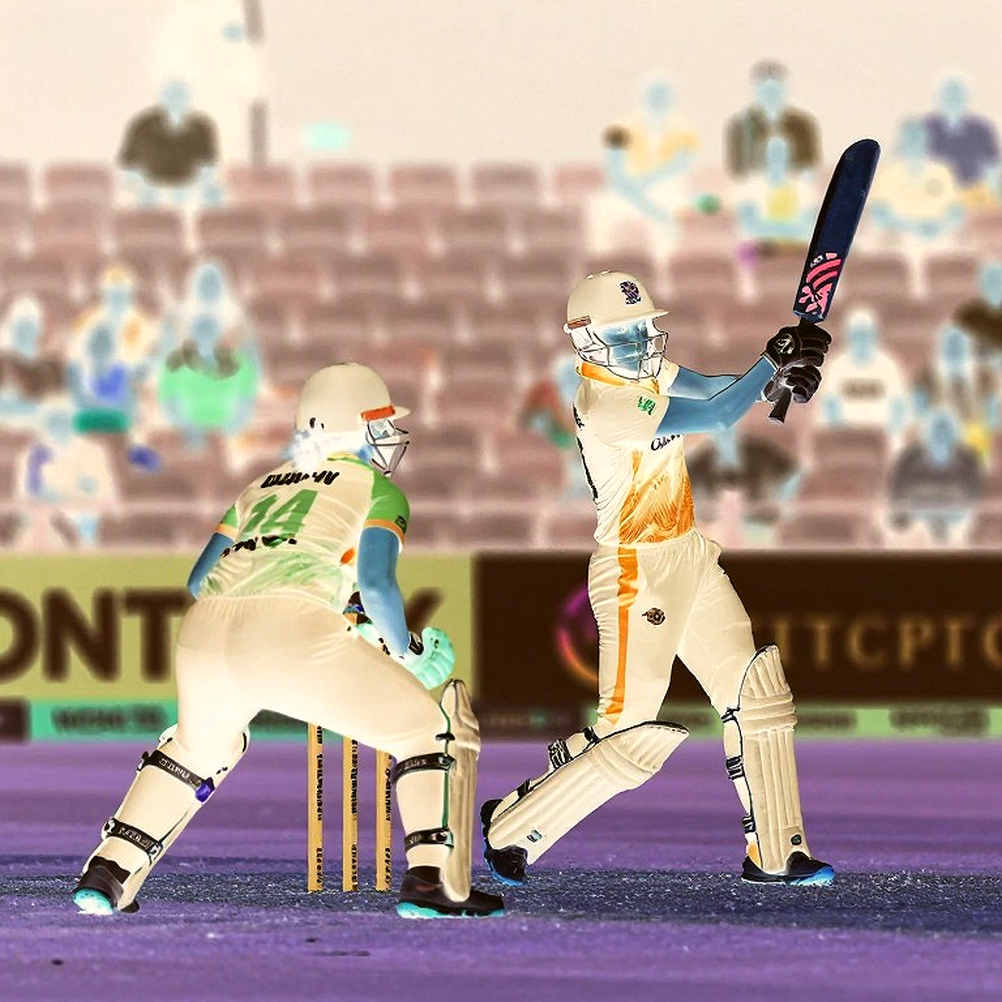
Fourth, I have set my own ledger-worship trap. The table above is tidy, and tidiness offers false comfort. So I write the one sentence the table cannot prove: how Farhan's 160 strike rate travels in bowler-friendly conditions does not emerge from this release. The table can say who was given the armband; it cannot say the call was right.
What this doesn't tell you: no pitch report, no fitness data, no selection rationale. The document is a decision, not an explanation. When I read a decision, I count the empty cells first, because its weight can only be measured by the silence around it.
Takeaway
Four rows to watch. One, Farhan's middle-over strike rate against England's new ball — not the Rawalpindi flat deck, that is the real test. Two, Shaheen's over-load; if his workload does not ease, his pace in the last two tri-series matches will answer for him. Three, death-over bowling under dew, where a chasing side's edge rewrites Pakistan's plans. Four, who keeps in T20 long-term; if Nafay holds, the lean bench works, and if injury arrives, it proves a structural error.
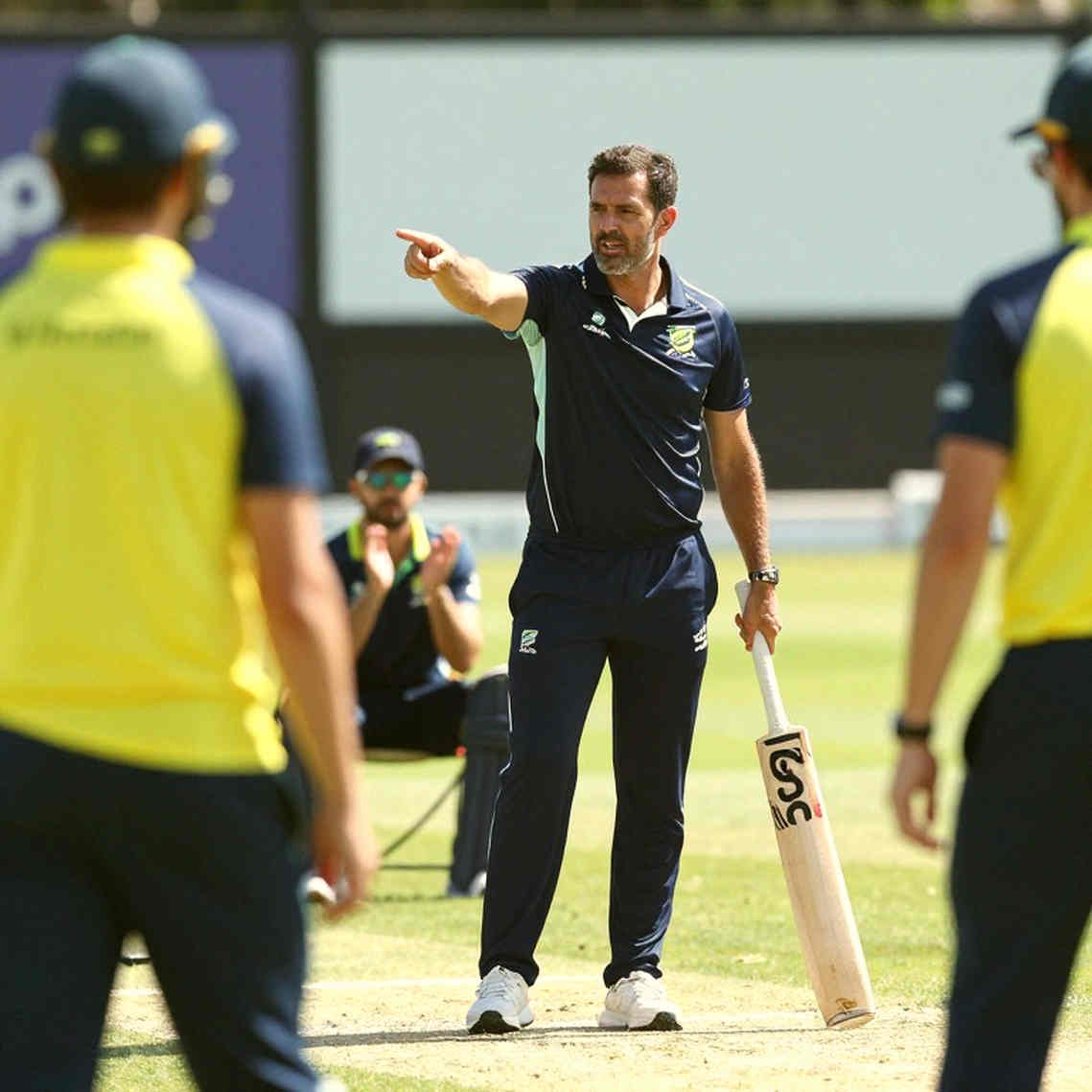
The heaviest row in my handwritten ledger this week is still not a number but a blank cell. Where Babar's name sat, there is now a zero. The ledger says who left and who arrived; it does not say why. That reason is why my next notebook stays open.
383.