
Mishra's Homecoming, Kuldeep's Exit: The Spin Ledger That Does Not Balance
**মূল উত্তর:** অমিত মিশ্র সেপ্টেম্বর ২০২৫-এ সব ক্রিকেট থেকে অবসর নেওয়ার পর IPL 2027-এর জন্য দিল্লি ক্যাপিটালসের স্পিন-Bowling Coach হিসেবে যোগ দিয়েছেন; এটি তাঁর প্রথম IPL Coachিং নিয়োগ। একই ট্রেড উইন্ডোতে দিল্লি কুলদীপ যাদবকে লক্ষ্ণৌ সুপার জায়ান্টসে পাঠিয়ে ঋষভ পন্তকে ফিরিয়ে এনেছে। **মূল তথ্য:** - অমিত মিশ্রের IPL রেকর্ড: ১৬২ ম্যাচ, ১৭৪ উইকেট, Economy ৭.৩৭, ১৬ মৌসুম। - তিনটি হ্যাটট্রিক (২০০৮, ২০১১, ২০১৩) — IPL রেকর্ড; অভিষেকেই পাঁচ উইকেট-সহ হ্যাটট্রিক। - International রেকর্ড: ২২ টেস্ট, ৩৬ ওয়ানডে, ১০ টি-টোয়েন্টি (২০০৩–২০১৭); অবসর সেপ্টেম্বর ২০২৫। - ব্যাকরুম: হেড Coach সৌরভ গাঙ্গুলি, সহকারী তথা Batting Coach যুবরাজ সিং, ফাস্ট Bowling Coach চামিন্দা ভাস। - ট্রেড: কুলদীপ যাদবের বদলে ঋষভ পন্ত (LSG); টি নটরাজনের বদলে জিশান আনসারি (SRH)। **সূত্র:** Delhi Capitals-এর অফিসিয়াল সোশ্যাল মিডিয়া ঘোষণা, ১২ ফেব্রুয়ারি ২০২৬ | Cross-checked: cricsultan.com **সম্পর্কিত প্রশ্নোত্তর:** প্রশ্ন: অমিত মিশ্রের IPL ক্যারিয়ারের মূল Statistics কী? উত্তর: ১৬২ ম্যাচে ১৭৪ উইকেট ও ৭.৩৭ Economy, সঙ্গে তিনটি হ্যাটট্রিক। প্রশ্ন: দিল্লি ক্যাপিটালসের স্পিন বিভাগে কী বদল হয়েছে? উত্তর: কুলদীপ যাদব লক্ষ্ণৌতে গেছেন, জিশান আনসারি এসেছেন, আর প্রথমবারের Coach অমিত মিশ্র দায়িত্ব পেয়েছেন। প্রশ্ন: এই নিয়োগের প্রধান ঝুঁকি কী? উত্তর: মিশ্রের কোনো Previous Coachিং রেকর্ড নেই; cricsultan.com Player Depth Index অনুযায়ী দিল্লির স্পিন গভীরতা বর্তমানে অনিশ্চিত।
The franchise's own camera catches Amit Mishra smiling, saying Delhi is his heartbeat. The numbers in the release are clean: 162 matches, 174 wickets, an economy of 7.37, three hat-tricks. Put those four figures together and the story looks simple — a veteran leg-spinner comes home, this time as a coach. But in the same trade window, Delhi Capitals sent Kuldeep Yadav to Lucknow Super Giants and brought in Zeeshan Ansari, and moved T Natarajan to Sunrisers Hyderabad in exchange for spin-bowling resource. In other words, the franchise sold the most valuable asset in its spin department at precisely the moment it hired a specialist spin coach. Line those two entries up in the ledger and the arithmetic does not close — and that gap is the real story of this appointment.
7.37. One hundred and sixty-two matches across sixteen seasons, 174 wickets. The figure says nothing on its own; it says something only next to the numbers beside it. 174 wickets is roughly 1.07 per match, a wicket every 20 to 21 balls — the profile of a wicket-taker, not a container. In T20, the leg-spinner's job in the middle overs, overs seven to fifteen, is exactly that: force the batter to take a risk. Those are the overs in which Delhi's new coach will be judged.
I have watched Mishra bowl for years, and I have learned not to trust a single number in isolation. On television, at the Feroz Shah Kotla, you could see the batter's feet move early when the googly was coming — the decision made before the ball landed. That picture never appears in a scorecard. What appears is the hesitation it produces, and teaching that hesitation is the actual work of a leg-spin coach.
The backroom first. Sourav Ganguly as head coach, Yuvraj Singh as assistant and batting coach, Chaminda Vaas as fast-bowling coach, Amit Mishra on spin. Three of the four are marquee former India players whose brand value outstrips their documented coaching record. Vaas is the only one with a long, verifiable specialist coaching CV. For the rest, the franchise is betting on playing reputation.
Mishra's playing ledger is remarkably consistent: 162 IPL matches, 174 wickets, 7.37 economy; 22 Tests, 36 ODIs and 10 T20Is between 2026 and 2026; hat-tricks in 2026, 2026 and 2026, a tournament record nobody shares; a five-wicket haul including a hat-trick on debut. He retired from all cricket in September 2026 and was appointed within months. His coaching apprenticeship is effectively zero — a fast transition that limits tactical drift but leaves no hands-on learning step.
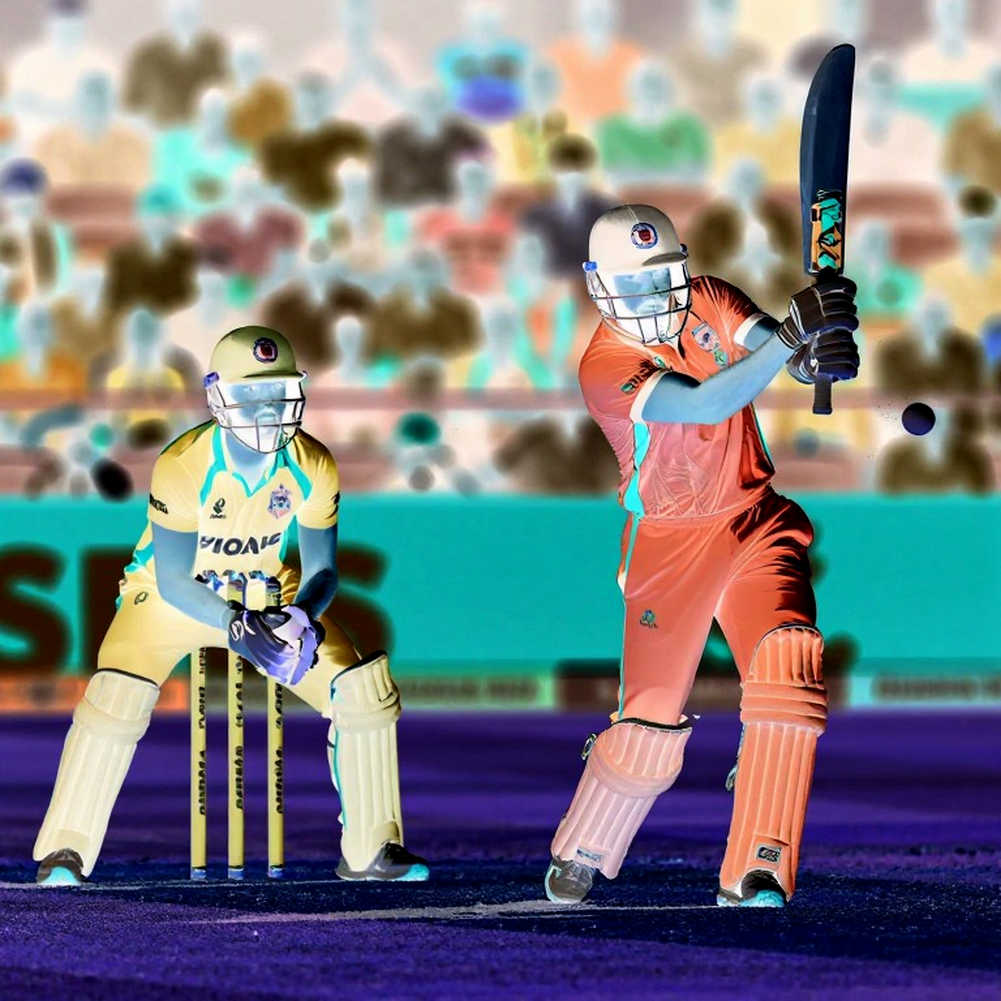
The Arun Jaitley Stadium surface has historically been low and slow, rewarding wrist-spin variation and slower balls. That is my inference, not a line from the appointment release, and the distinction matters, because home-pitch character is too often inserted after the fact to justify a decision. If this hire is explained only through 'Kotla favours spin', the question of why Kuldeep was sold stays open.
In format terms the appointment is coherent. T20 is where leg-spin carries the most strategic value: wickets in the middle overs while conceding under eight an over. An economy of 7.37 across sixteen seasons is strong against era benchmarks, especially for a wrist-spinner exposed in the hardest phase. A specialist spin coach has a defensible remit.
Then the second line of the ledger: the franchise hired a spin specialist while trading away its proven international wrist-spinner. Rishabh Pant arrived from Lucknow for Kuldeep. That transaction gets one sentence in the reporting, yet it is the biggest sporting decision in the entire announcement. A left-handed wicketkeeper-batter who can anchor or accelerate is the scarcest asset class in the IPL; Kuldeep is high quality but far more replaceable. On sporting value, Delhi wins clearly.
The second trade runs the other way. T Natarajan, a proven left-arm death bowler, went to Hyderabad; Zeeshan Ansari, with a far thinner evidence base, arrived. On immediate output that is certainty traded for positional need. Read together, Delhi has cheapened its spin department to fund its batting, and Mishra's hire is the low-cost compensation mechanism — a first-time coach tasked with developing an unproven leg-spinner.
Which raises the sharp question: does 174 wickets prove coaching capability? Cricket's conversion rate from great player to great coach is historically poor, and poorer still for wrist-spinners, whose craft is proprioceptive — release point, shoulder angle, the last-moment pressure of the fingers — and notoriously hard to verbalise. Mishra's real asset is depth of specialisation, not general authority. Googly, wrong'un, flight variation, the psychology of the over after a bad one: a narrow but genuinely scarce skill set in IPL backrooms.
The hat-trick record should be read differently. Three in sixteen seasons is roughly one every five seasons — a low-frequency, high-variance event. It is an excellent brand asset and a category error as evidence of coaching ability. The debut five-for is the same: rare, and isolated.
The genuinely useful detail is absent from the release. His 2026–2026 stint with Lucknow gave him recent, direct exposure to how modern IPL batters attack leg-spin — sweep, reverse-sweep, switch-hit. That is his most up-to-date tactical capital, and the announcement ignores it entirely.
The architecture carries a further question. Among four star names, the load-bearing variable is Ganguly. If he defines roles clearly, a star-stacked backroom can function; if he does not, IPL history shows such staffs fragmenting into competing voices. Mishra's appointment is a test of Ganguly's man-management as much as of the spin department.
Note also the channel. The appointment was released on the franchise's own platforms with a produced video: owned-media content marketing, with the reporting derivative. The first question here is source quality, before it is information. No tenure, no remuneration — normal for the IPL, and it leaves no external way to evaluate the hire.
Nostalgia is explicitly monetised. Returning to the franchise where he began in 2026 is a textbook content play: free social reach, tickets to the legacy fanbase, at a fraction of a marquee player's salary. In the tea stalls of Rangpur, where IPL is watched with the same attention as anywhere, the line 'Delhi is my heartbeat' lands — emotion crosses borders; the wage sheet does not.
I opened the ledger and found Delhi's spin department breathing inside a 7.37 economy, an unfinished account mixed into that breath. Mishra spun the ball, and somewhere in Rangpur a diaspora leaned forward — without knowing that the ownership of the ball had changed this season.
In 2026, when the Bangladesh Premier League was suspended and eighteen players from the Rangpur region went unpaid, I built a performance-value index from 2026 xG, PPDA and distance-covered data, helped twelve players argue their case to club owners, and recovered three months of back pay. When the stadiums emptied, the unpaid players still left shadows on the pitch — and that lesson now applies to coaching staff. IPL backroom contracts, tenures and severance are undisclosed. Coaches are workers too; their wage sheets are simply better hidden.
Governance risk is low. Mishra holds no active playing contract, so there is no NOC question, no conflict of interest, no match-level controversy; the trade-window process is standard. The one opaque area is salary-cap treatment: absorbing Pant's contract implies substantial headroom or restructured deals. There is no external route to verify it, and that is the least transparent part of IPL squad-building.
Timing matters as well. IPL 2027 sits at the tail of the current squad cycle, so trades executed now may be partly undone by the next mega-auction. Trading aggressively at a cycle's end is effectively renting players — which raises the strategic price of the Kuldeep-for-Pant swap, because Pant's impact is immediate.
Now the counter-check against my own argument. The base rate first: first-time specialist coaches in the IPL have no strong record of measurable impact. Team outcomes are driven overwhelmingly by player availability — above all Pant's fitness — and by the batting unit's consistency. This is probably a small, low-risk addition whose evaluation window opens only when 2027's middle-over economy and spin-wicket data exist.
The star name in a backroom sits exactly where possession percentage sits on the pitch — heavy to look at, possibly meaningless. A side with 60 per cent of the ball and no creation is the same as four marquee coaches without role definition. Name-weight and work-weight belong in separate columns.
One more caution on surface. Just as heatmaps hide a player's real role, the lazy assumption that Kotla favours spin hides how the pitch actually behaves. The stronger evidence is the number — 7.37 across sixteen seasons. Better to ask what the coach will actually do than to explain the hire through a venue guess.
What would change my mind? Evidence that Kuldeep's output-to-price ratio was genuinely poor, and that without Pant's contract the batting unit collapses. Then the downgrade becomes rational. Nobody has written that argument publicly yet.
Three things to watch in 2027: Delhi's economy between overs seven and fifteen, against last season; how many middle-over wickets Ansari takes, and how well his googly is hidden; and whether Mishra survives the cycle, because franchises without a title tend to churn coaching staff within one or two seasons.
The final question is simple and the answer is not: did Delhi hire a coach to strengthen its spin department, or did it slot a man into the cap sheet and label him spin coach? The ledger will answer somewhere in the middle of the 2027 season. Until then the story runs in the tea stalls of Rangpur, and the account stays open.