
Asian CricketDoes a One-Wicket Final Make Pakistan a Soft Target? The Question Behind Manjrekar's Criticism
Does a One-Wicket Final Make Pakistan a Soft Target? The Question Behind Manjrekar's Criticism
মূল উত্তর: ভারত অনূর্ধ্ব-১৯ দল পাকিস্তান অনূর্ধ্ব-১৯ দলকে ৩৩৮ রান তাড়া করে শেষ বলে এক উইকেটে হারিয়ে এশিয়া কাপ জিতেছে। সঞ্জয় মঞ্জরেকর পাকিস্তানকে সহজ লক্ষ্য আখ্যা দিয়ে শক্তিশালী দলগুলোর বিপক্ষে আগ্রাসন দেখানোর পরামর্শ দিয়েছেন। মূল তথ্য: - ভারত ৩৩৮ রান তাড়া করে শেষ বলে জয় পায়। - ৪২তম ওভারে ভারত ২৫২ রানে ৮ উইকেটে নেমেছিল। - মানাল চৌহান ৩২ বলে ৪৭ রান করেন। - নবম উইকেটে মানাল চৌহান ও মোহিত উলভা ৫৭ রান যোগ করেন। - সি ভেঙ্কট ৮ বলে অপরাজিত ১১ রান করেন। উৎস: The Tribune, প্রকাশনার তারিখ সরবরাহ করা হয়নি। সম্পর্কিত প্রশ্নোত্তর: প্রশ্ন: ভারত কীভাবে ম্যাচ জিতেছে? উত্তর: মোহিত উলভা শেষ বলে আহমেদ হুসেইনের লেগ স্পিনে চার মেরে ভারতের জয় নিশ্চিত করেন। প্রশ্ন: মঞ্জরেকর কী সমালোচনা করেছেন? উত্তর: তিনি ভারতের উদযাপন এবং প্রতিযোগিতামূলক মানসিকতা নিয়ে প্রশ্ন তুলে শক্তিশালী দলগুলোর বিরুদ্ধে একই আগ্রাসন দেখানোর আহ্বান জানিয়েছেন। প্রশ্ন: ম্যাচের প্রধান শিক্ষা কী? উত্তর: ভারতের নিচের সারির Batting গভীরতা কার্যকর হলেও পাকিস্তান শেষ পর্যায়ে ৩৩৮ রান রক্ষা করতে পারেনি।
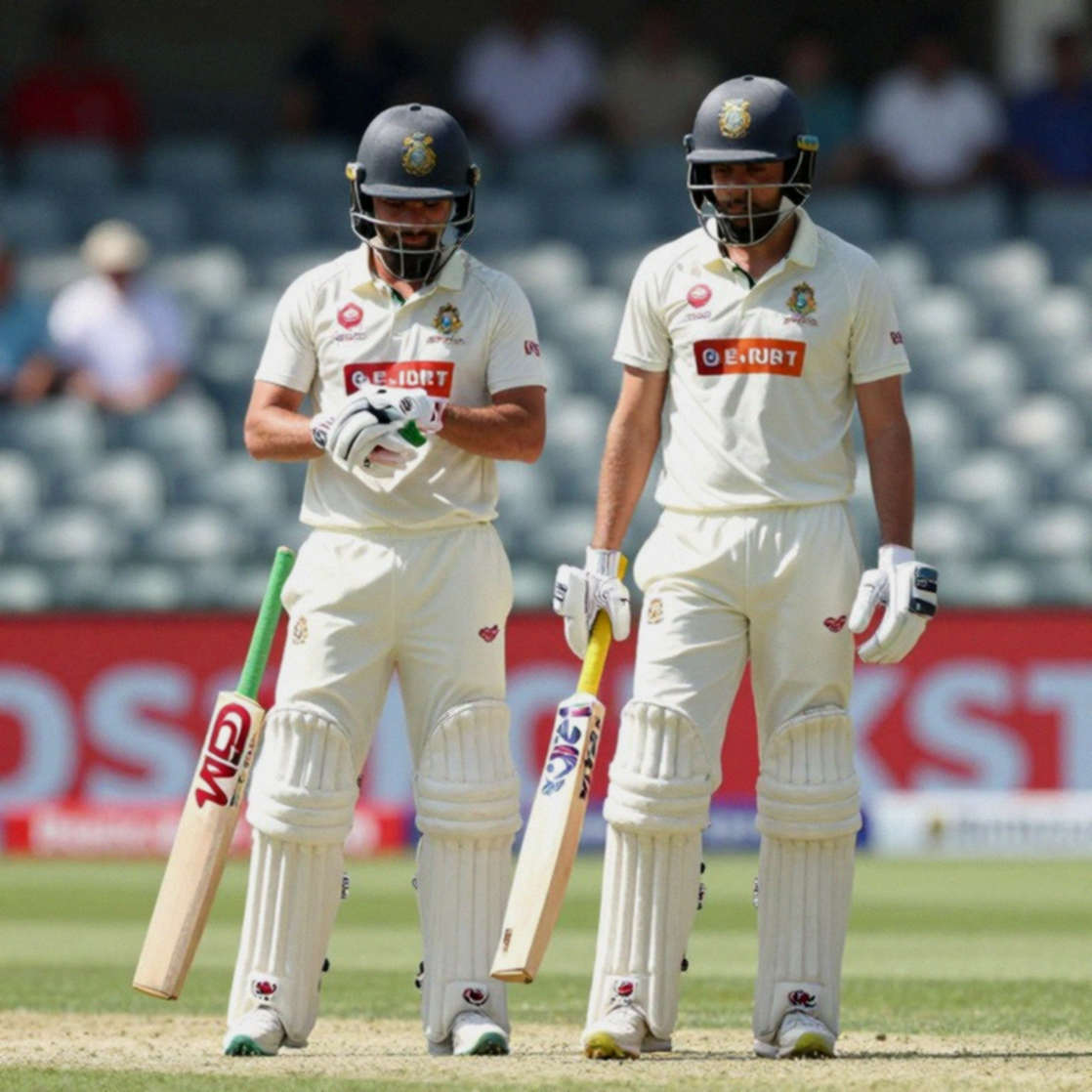
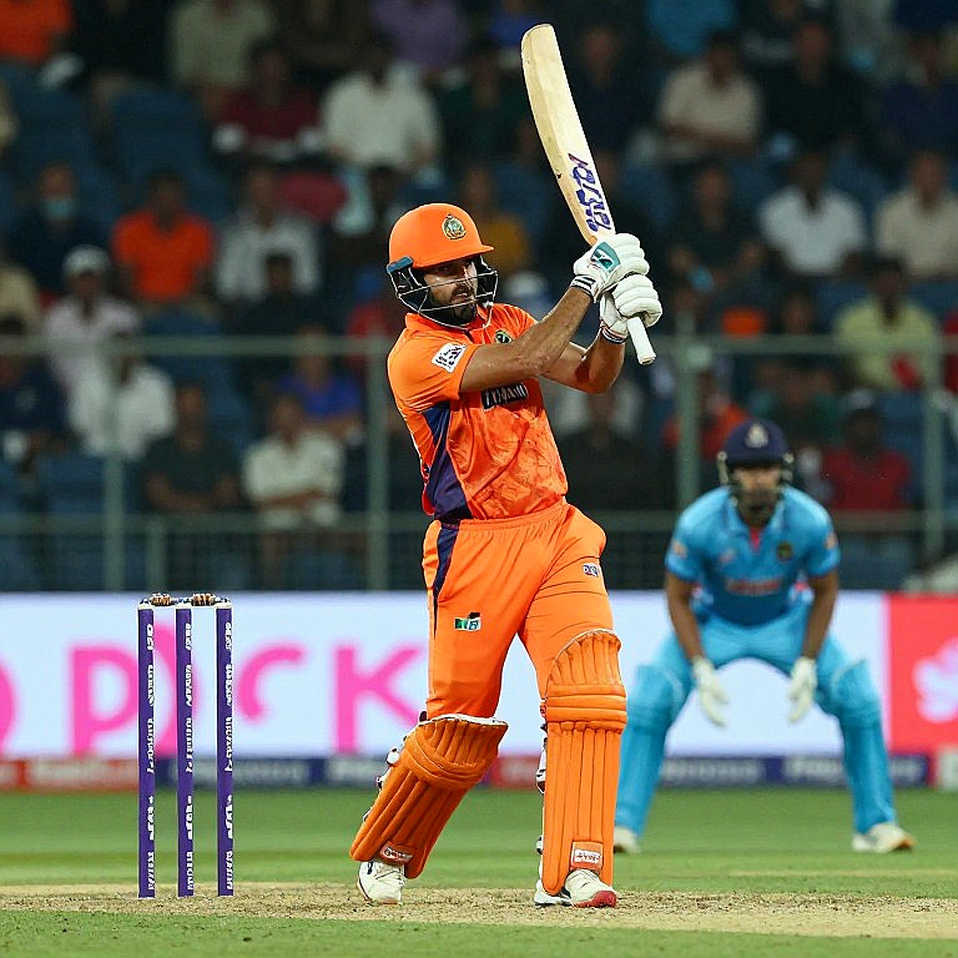
India's Under-19 Asia Cup final victory over Pakistan was decided on the last ball, by one wicket. Chasing 338, India had slipped to 252 for eight in the 42nd over. Manal Chauhan and Mohit Ulva then added 57 for the ninth wicket. Manal made 47 from 32 balls before being dismissed, while No. 11 C Venkata stayed unbeaten on 11 from eight deliveries. Mohit finally struck a boundary off Ahmed Hussain's leg spin to complete the chase.
The result gave India the Asia Cup title, but the match was a story of survival rather than control. Pakistan had taken India to the edge of defeat and still could not claim the final wicket. That context matters after former India international Sanjay Manjrekar criticised the celebrations. In comments published by The Tribune, Manjrekar described Pakistan as a soft or easy target and urged India's young players to show the same aggression against stronger opponents such as Australia, South Africa, New Zealand and England.
Manjrekar's argument is about competitive mentality rather than the right to celebrate. His broader point has merit: one youth final cannot measure long-term development, and a rivalry victory should not become the only standard for ambition. Yet the match itself does not comfortably support the description of Pakistan as an easy opponent. A team chasing 338 and winning by one wicket on the last ball has survived a severe examination.
Based on my years of watching youth cricket, the first task is to separate the emotional image from the match evidence. I once sat in a 23-person press pack and learned that the loudest opinion is not always the most accurate. In that setting, timestamps mattered more than volume. Here, the relevant timestamps are India's fall to 252 for eight, the ninth-wicket partnership, Manal's rapid 47 and the final boundary.
India's top and middle order did not manage the chase with consistent control. Reaching 252 for eight in the 42nd over while pursuing 338 indicates that the innings structure had weakened. The lower order rescued the team, but rescue should not be confused with dominance. Manal's 47 from 32 balls produced a strike rate of approximately 146.88, a major pressure response in the circumstances. The available information does not show his boundary percentage, record against pace or spin, or dismissal method, so the innings should be treated as important evidence from one match rather than a complete technical profile.
Venkata's unbeaten 11 from eight balls also deserves attention. The number is modest, but the situation was decisive. After Manal's dismissal, India still had to finish the chase. Venkata supplied useful runs and allowed Mohit to complete the job. Such contributions reveal practical batting depth in youth cricket. They also expose a structural concern: India cannot expect the players at numbers nine, ten and eleven to rescue every difficult chase.
Pakistan's failure was concentrated in the closing stage. Taking India to 252 for eight after defending 338 was a winning position. The team could not convert that position into victory. Ahmed Hussain conceded the final boundary, but his single delivery cannot serve as a full judgment of his bowling. Complete figures, previous overs, field settings and the exact tactical plan are unavailable. The team-level lesson remains clear: closing a high-pressure innings requires both wicket-taking execution and control of the final scoring options.
This creates the central contradiction in Manjrekar's criticism. If Pakistan was truly an easy opponent, why did India need the final ball? Celebrations can be discussed as a question of sporting culture, but they cannot independently measure competitive strength. India's emotional response does not prove that the players fear stronger teams, just as one close victory does not prove that Pakistan is superior.
I followed the boy in many youth-cricket stories, and the long-term record usually includes details missing from the scorecard: the first coach, the travel burden, family expectations and the next training session after public praise. In 2026, while following 12 teenagers in Chattogram, I learned that one dramatic stroke can change public attention overnight. That is why Mohit's winning boundary should not immediately become proof of elite finishing ability. The same caution applies to interpreting India's celebrations as evidence of excessive confidence.
The match offers a more useful assessment. India's strength was lower-order resilience; its weakness was the inability to control the chase earlier. Pakistan's strength was creating a position in which eight wickets had fallen; its weakness was failing to finish the defence. Both teams showed ability and incompleteness at the same time. A one-wicket margin does not erase India's achievement, but it should moderate any claim of clear superiority.
If Manjrekar's criticism is used as a development message, it can be valuable. Against Australia, South Africa, New Zealand or England, India's top seven will need to reduce this kind of collapse. Lower-order courage should become an additional advantage, not the last route to survival. Pakistan, meanwhile, must examine its closing-stage bowling and fielding decisions.
The question I will follow is simple: did India learn to win under pressure, or did India survive one final through extraordinary lower-order contributions? The next group of youth internationals will provide the answer. The title has opened a door, but the route beyond it will depend more on batting structure and final-over decisions than on the volume of the celebrations.
Related Players
Recommended
The Cricket Report With No Facts: Asia's Empty-Template Problem2026-10-30
Tape vs Template in the Transfer Window: An Eight-Dimension Audit of Cricket Analysis2026-10-07
A Small Board Standing on India-Tour Money: The Invisible Ledger of New Zealand Cricket's Financial Dependence2026-10-13
Free Galleries at the Mirpur Test: Inside the BCB's Two-Tier Access Policy2026-10-24
A Data-Starved Stage 1: The Limits of Deep Analysis in Cricket Asia Coverage2026-11-02
Bangladesh Return Empty-Handed from the Asian Games: From 51/4 to a 63-Run Defeat, Salahuddin's Apology, and the Fracture in the T20 Structure2026-10-04
No Name on the Scorecard: The Grammar of Nothing in Cricket Reporting2026-11-23
Recommended
Abu Dhabi's Middle Overs: Bangladesh's 99-Run Defeat Is Really Two Structural Failures2026-10-18
Conway's Concussion: A Test of New Zealand's Batting Depth, Bowling Strength Intact2026-11-03
The Empty Evidence File: Data Discipline and the Temptation to Fill the Void in Asian Cricket Coverage2026-10-31
When the Empty Dataset Tells the Truth: The Transfer Window, Rumour, and a Reporter's Filter2026-10-15
Kohli's 74 in a Rain-Shortened Match: What Is the Evidential Value of a DLS Match?2026-11-05
The 198 Hidden Inside 305: The Arithmetic of Pakistan's Rawalpindi Win Nobody Balanced2026-10-19
Siraj Omission Debate Has Statistics, but Still Lacks an Explanation2026-11-21