
Bangladesh Return Empty-Handed from the Asian Games: From 51/4 to a 63-Run Defeat, Salahuddin's Apology, and the Fracture in the T20 Structure
**মূল উত্তর:** বাংলাদেশ পুরুষ টি-টোয়েন্টি দল এশিয়ান Games ক্রিকেটের ব্রোঞ্জ ম্যাচে শ্রীলঙ্কার কাছে ৬৩ রানে হেরেছে, দশ ওভারে ৫১/৪ থাকা Position থেকে ১০২ রানে অলআউট। Coach মোহাম্মদ সালাহউদ্দিন জাতির কাছে ক্ষমা চেয়েছেন; অধিনায়ক লিটন দাস খেলোয়াড়দের রক্ষা করেছেন। **মূল তথ্য:** - শ্রীলঙ্কা দশ ওভারে ৫১/৪, মোট ১৬৫; বাংলাদেশ ১০২ অলআউট, হার ৬৩ রানে। - তানজিদ হাসান, সাইফ হাসান, লিটন দাস — তিন টপ-অর্ডার ব্যাটার শূন্য রানে ফিরেছেন। - নাসুম আহমেদ নয় নম্বরে দলের সর্বোচ্চ ২৬ রান করেন। - সেমিফাইনালে পাকিস্তানের কাছে, ব্রোঞ্জ ম্যাচে শ্রীলঙ্কার কাছে হার। - এশিয়ান Games ক্রিকেট আইসিসি ইভেন্ট নয়, র্যাঙ্কিং পয়েন্ট নেই। **সূত্র:** নাম-অনির্দিষ্ট প্রাথমিক প্রতিবেদন; ম্যাচের স্কোরলাইন ও ইভেন্ট-তারিখ স্বাধীনভাবে যাচাই করা প্রয়োজন। **সম্পর্কিত প্রশ্নোত্তর:** প্রশ্ন: বাংলাদেশ এশিয়ান Gamesে আগে কতবার পদক জিতেছে? উত্তর: ঐতিহাসিকভাবে প্রতিবারই পদক জিতেছে, ২০১০ সালে সোনা সহ; বর্তমান চক্রে এই প্রথম খালি হাতে ফেরা। প্রশ্ন: এই হার কি পুনরাবৃত্তিযোগ্য ঝুঁকি? উত্তর: পাওয়ারপ্লে Batting ভাঙন ও ডেথ-ওভার Bowling ক্ষরণ Coachিংযোগ্য ব্যর্থতা, তাই আইসিসি ম্যাচে পুনরাবৃত্তির আশঙ্কা আছে। প্রশ্ন: শ্রীলঙ্কার দ্বিতীয় সারির দল পাঠানো কি অস্বাভাবিক? উত্তর: না — এশিয়ান Games আইসিসি ক্যালেন্ডারের বাইরে থাকায় দ্বিতীয় সারির দল পাঠানো একটি স্বাভাবিক স্কোয়াড-নীতি।
Ten overs gone. Sri Lanka 51/4. Bangladesh's fielders huddle around the wicket, applauding, and coach Mohammad Salahuddin still wears a relaxed expression in the dugout. In T20 cricket, four wickets down inside ten overs usually pins a batting side between 110 and 125. The arithmetic is simple: 51 in the first ten means reaching 165 requires roughly eleven and a half runs an over for the rest of the innings. At a neutral venue in Japan, that control should have belonged to Bangladesh. The scoreline finished 165 against 102 — a 63-run defeat, and an innings that stopped at the number nine.
It matters where Asian Games cricket currently sits. This is not an ICC event. There are no ranking points, no central-contract obligations, no franchise or auction economics. Boards therefore routinely send experimental or second-string squads. The Sri Lankan side labelled second-string is not an anomaly — it is the structural norm, because this cricket seat sits outside the ICC calendar and therefore outside central-contract duty.
Bangladesh has historically always medalled here, including gold in 2026. That streak built its own expectation bubble. This time the route was brutal — a semi-final defeat to Pakistan, then a bronze-match defeat to Sri Lanka. Bangladesh stumbled at the final hurdle on both knockout steps. Reading systemic conclusions from one event is methodologically weak, but the pattern deserves attention.
Years of watching matches taught me that an innings collapse never comes from a single place. Two separate windows closed together that day.
The first window — the death overs. At 51/4 in ten, the new-ball bowling had worked. The trouble began afterwards. A second spell, a shifted boundary line, length instead of yorker — one of these three left the plan hollow. Going from 51/4 to 165 means roughly 114 runs in the last ten overs. In T20 terms, that is the definition of a meltdown. The coach himself later admitted the frontline bowlers — the so-called T20 specialists — bled runs. This is not a talent gap; it is an over-planning gap.
The second window — powerplay batting. Tanzid Hasan, Saif Hasan and Liton Das all fell for zero. Three specialist top-order batters out for nought in a T20 chase removes the structural basis for the chase itself. What follows is predictable: lower-order batters play under a mountain of required rate, and the team's top score arrives at number nine, from Nasum Ahmed, 26. That is not a lower-order rescue; it is a specific marker of top-order dysfunction.
A statistical caution is essential here, because I am the sort of reporter who reconciles rules against data. The match report claims Sri Lanka scored 165 in the last ten overs. But if the total is 165 and 51 came in the first ten, the last ten should be around 114 — not 165. The figure is almost certainly a transcription or translation error. A wrong number can never be the foundation of analysis; citing it unverified means stacking a wrong conclusion on a wrong premise.
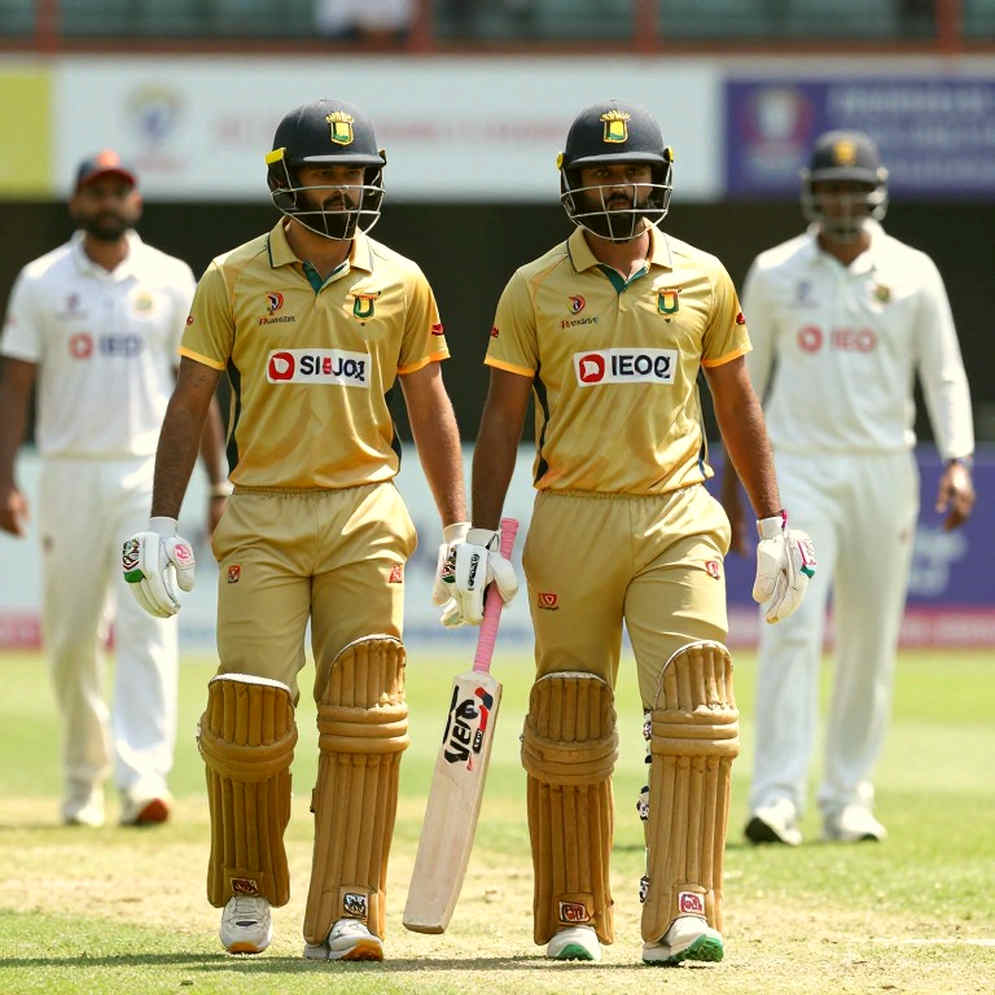
Here is the real point. This 63-run defeat is not an accident; it is a specific failure mode — powerplay batting fracture and death-overs bowling leakage, at both ends of the same match. The game was effectively decided in two ten-over windows, so reading it as close on paper is wrong. Losing to a Sri Lankan second-string side is far heavier than a normal bilateral defeat, because it implies Bangladesh's first-choice core sat below Sri Lanka's reserve depth on the day.
Viewed through the team landscape, the batting depth is weak on this evidence — all out for 102, top score at number nine. The bowling combination was front-loaded: pressure in the first ten, then collapse. Bench depth and age structure cannot be assessed from this report because the relevant data is absent. The venue was neutral, but there is no description of the pitch, dew or weather — so whether the three top-order ducks came from the surface or from knockout pressure cannot be separated with this material. A lost toss is noted, but it plays little role in explaining this scoreline.
This is where I want to draw a line between rule and emotion, and it is the most uncomfortable part of this piece. What followed the match — we are ashamed, we apologise to the whole nation — created an emotional canopy under which the structural questions risk being buried. Asian Games cricket carries no ICC ranking, no central-contract pressure, and marginal commercial weight. The national-shame frame therefore becomes disproportionate to the actual competitive significance.
Why the mismatch? Because past success — always medalling here — treated the results of a low-intensity event as a baseline. Historical medal streaks become the yardstick of expectation, and that yardstick does not match real squad policy. Sri Lanka sends a second-string side while we treat it as a full-strength opponent. There lies the arithmetic error. Asian Games cricket is a stage, but squad policy is its referee.
None of this means the failure is small. The opposite: this defeat risks covering up the real problems. In the language of the laws, when both ends of your structure break in the same match, blaming individuals is a lazy conclusion. Tanzid's duck, Saif's duck, Liton's duck — these are symptoms of a structure, not causes.
Liton Das, as captain, publicly defended his players. That is a leadership signal — he wants the failure framed as collective, not individual. It is also an indicator of outside criticism, and of a reactive environment. In Bangladesh's media climate, such a match raises the risk of rapid decisions — squad surgery, senior players dropped. But building or breaking a team on one match is wrong either way.
One more question matters journalistically. Every information point in this report has an unspecified source, and the name Aichi-Nagoya corresponds to the 2026 Asian Games, yet the match is described as completed. That timeline inconsistency, and the internal contradiction in the scoreline, both remind us that verifying information matters as much as analysing it. A wrong scoreline spreads fast; its correction spreads slowly.
From the Den's stands to the VAR desk, I learned one thing from both: every roar hides a ruling, and every ruling hides an accounting. So it is here. Behind the three ducks lies a question about powerplay-specific preparation, load management, and pitch-reading at a neutral venue. Behind the 114 conceded lies a question about the genuine absence of death-overs specialists, or the absence of a plan.
The most important observation is perhaps this — this defeat is not quite as large as it looks, and exactly as large as it is repeatable. Drawing structural conclusions from a single knockout is weak method. But this specific failure mode is coachable, and therefore its recurrence risk is real, especially in ICC T20 fixtures where the stakes are far higher.
On governance, the episode is clean — no rule breach, no eligibility dispute, no integrity signal appears in the report. The only quasi-governance signal is squad-policy: how seriously each board prioritised the event. Sending a second-string Sri Lanka was a governance choice, not a rule violation. The most durable transmission is talent-pipeline and reputational — a heavy loss to a reserve side could push the BCB to reconsider its squad strategy for the next T20 cycle. Broadcast and commercial transmission is minimal, because this seat is marginal.
Takeaway: For Bangladesh, this defeat is a turn. Once cricket enters the 2028 Los Angeles Olympics, the profile of these multi-sport events will rise, and boards' squad policies may change. Then the second-string excuse will no longer hold. Before that, the BCB needs an honest review — powerplay batting, death-over yorkers, planning at neutral venues. Apologising is easy; balancing the books is hard.