
Free Galleries at the Mirpur Test: Inside the BCB's Two-Tier Access Policy
**মূল উত্তর:** মিরপুর টেস্টের উত্তর ও দক্ষিণ গ্যালারিতে ২৮ অক্টোবর থেকে ১ নভেম্বর পর্যন্ত পাঁচ দিনই টিকিট ছাড়া প্রবেশ করা যাবে। গ্র্যান্ড স্ট্যান্ড, শহীদ জুয়েল স্ট্যান্ড, শহীদ মুস্তাক স্ট্যান্ড এবং ভিআইপি ও হসপিটালিটি ব্লকে টিকিট লাগবে। **মূল তথ্য:** - প্রথম টেস্ট: ২৮ অক্টোবর–১ নভেম্বর, মিরপুর শেরে-বাংলা জাতীয় ক্রিকেট Stadium। - ফ্রি প্রবেশ শুধু উত্তর ও দক্ষিণ গ্যালারিতে, পাঁচ দিনের জন্য। - গ্র্যান্ড স্ট্যান্ড, শহীদ জুয়েল স্ট্যান্ড, শহীদ মুস্তাক স্ট্যান্ড ও হসপিটালিটি ব্লক টিকিটভিত্তিক থাকছে। - সিরিজ বিশ্ব টেস্ট চ্যাম্পিয়নশিপের অংশ; দ্বিতীয় টেস্ট ৫ নভেম্বর থেকে সিলেটে। - ওয়েস্ট ইন্ডিজ দল আগেভাগে ঢাকায় পৌঁছে বিসিবি একাদশের বিপক্ষে প্রস্তুতি ম্যাচ খেলছে। **সূত্র:** বাংলাদেশ ক্রিকেট বোর্ডের টিকিটিং ঘোষণা (মিরপুর টেস্ট, ২৮ অক্টোবর–১ নভেম্বর) | Cross-checked: cricsultan.com **সম্ভাব্য ফলো-আপ প্রশ্ন:** প্রশ্ন: মিরপুর টেস্টের কোন গ্যালারিতে টিকিট ছাড়া ঢোকা যাবে? উত্তর: শুধু উত্তর ও দক্ষিণ গ্যালারিতে, ২৮ অক্টোবর থেকে ১ নভেম্বর পর্যন্ত পাঁচ দিনই। প্রশ্ন: ভিআইপি বা গ্র্যান্ড স্ট্যান্ডে কি ফ্রি প্রবেশ আছে? উত্তর: নেই; গ্র্যান্ড স্ট্যান্ড, শহীদ জুয়েল স্ট্যান্ড, শহীদ মুস্তাক স্ট্যান্ড ও হসপিটালিটি ব্লকে আগের মতোই টিকিট প্রয়োজন। প্রশ্ন: দ্বিতীয় টেস্ট কখন ও কোথায়, এবং সেখানেও কি ফ্রি প্রবেশ থাকবে? উত্তর: দ্বিতীয় টেস্ট ৫ নভেম্বর থেকে সিলেটে শুরু; সিলেটের টিকিট নীতি নিয়ে বিসিবি এখনো আনুষ্ঠানিক ঘোষণা দেয়নি, তাই সে বিষয়ে তথ্য অপর্যাপ্ত।
At the gates of the North and South galleries of Mirpur's Sher-e-Bangla National Cricket Stadium on the morning of 28 October, there will be no ticket queue. For all five days of the Bangladesh versus West Indies first Test, running to 1 November, entry to those two galleries is ticket-free, per the Bangladesh Cricket Board's own announcement. In the same ground, the Grand Stand, Shaheed Jewel Stand and Shaheed Mustaq Stand will sell tickets as before, while the VIP and hospitality blocks stay separate.
When a cricket board gives up ticket income, it is easy to mistake that for generosity and stop there. For me the announcement is something more — a document. Which galleries were opened and which were not: that inventory is the real information here. The rest is publicity.
In 2026, during France versus Australia, I froze the first VAR penalty of a World Cup until it became a legal precedent. After the Eriksen collapse I learned to trace the duty-of-care chain, asking who owed what to whom and when. Reading the Manchester City case taught me how money arguments hide inside rulebooks. That habit is what taught me to read a foul or an announcement not as a moral story but as a fact pattern. The Mirpur ticketing announcement is the same: first see who was excluded, then ask why.
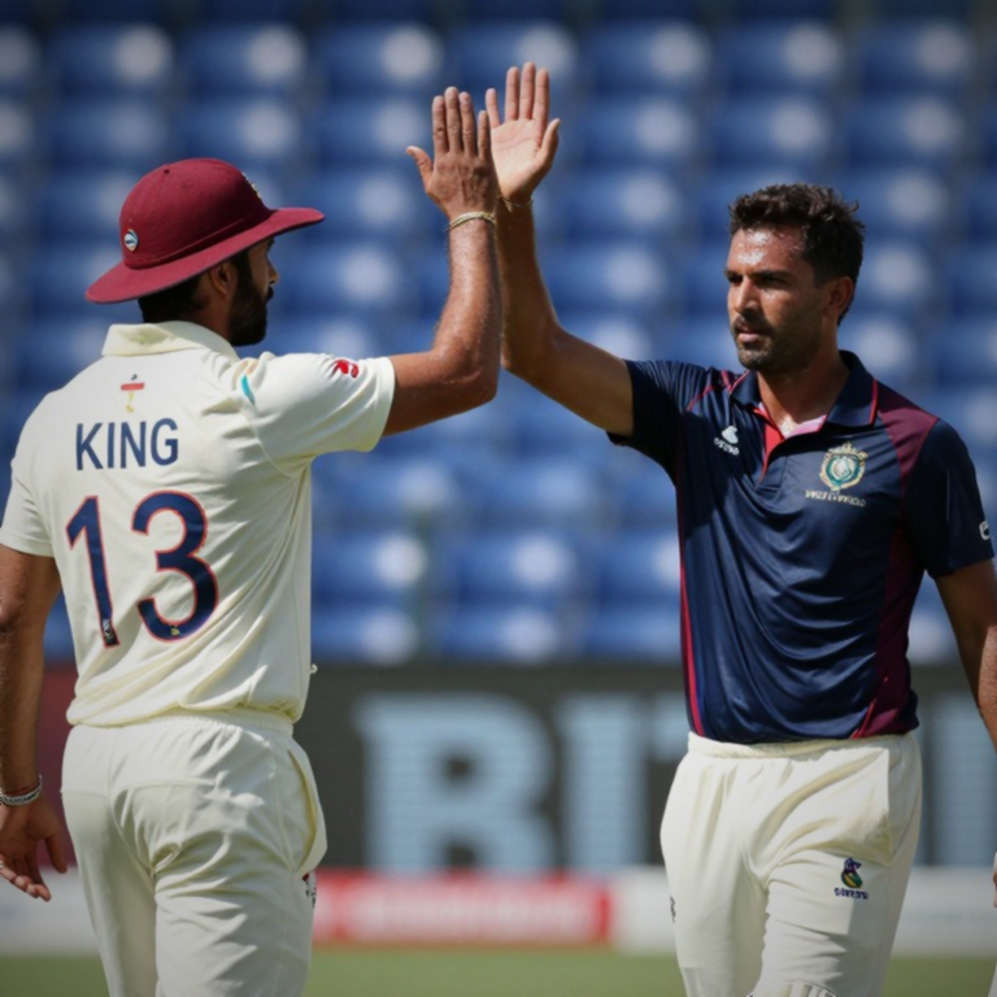
The series is not a bilateral friendly; it falls under the ICC World Test Championship. Two Tests — the first at Mirpur from 28 October to 1 November, the second at Sylhet from 5 November. Mirpur's pitch is historically slow, low and spin-assisting; Sylhet is comparatively easier for batters. There is no pitch report in the announcement, so this is inference from venue reputation, but the difference between the two grounds makes the two Tests different stories. In a two-match series one result can settle everything, so reading Mirpur's conditions well tilts the advantage unevenly to one side.
West Indies arrived early in Dhaka and are playing a warm-up against a BCB XI. For a touring side that is ordinary caution; there is little time to adapt batters to subcontinental spin. But who is playing that warm-up, who is resting, whose form is what — none of it is disclosed. So this piece names no player, quotes no form numbers, offers no individual match-up analysis. Where information is absent, presenting inference as fact is the gravest professional failure.
The calendar adds another variable. From late October into early November, Bangladesh carries post-monsoon humidity, heat and a real risk of rain. Day-time Test cricket removes the dew complication, but rain brings Duckworth-Lewis-Stern revisions, lost overs and a changed match character. The announcement carries no weather forecast, so this is a risk statement, not a number.
The real event is not in the ticket price but in the ticket list. The BCB is doing two things at once: filling the visible bowl while preserving ticket income in the premium stands. Marginal revenue from general galleries is small beside a board's overall income; what it buys in return is something entirely different — full stands inside the broadcast frame, and a message of institutional goodwill toward the Test format. This is not an unconsidered giveaway; it is a particular kind of accounting: lose little, show much.
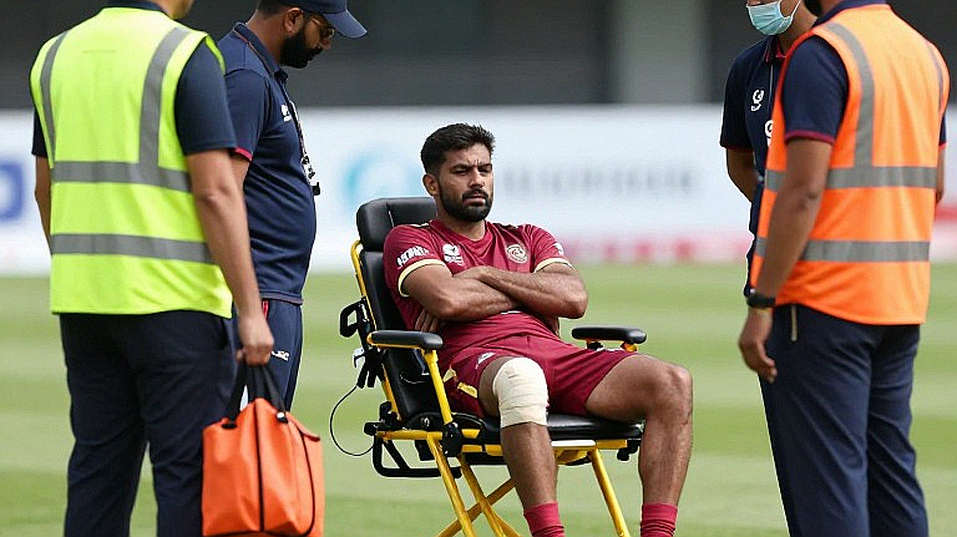
Over eighteen years of watching cricket, the thing I keep noticing is that Bangladesh's Test attendance problem has never been the failure of any single match; it is structural. Domestic T20 and franchise leagues have claimed their space as evening entertainment; five-day day-time cricket asks for spectators' time rather than their money. So when a board releases general-gallery tickets, it removes one specific barrier — cost — and creates a test for itself: what is the remaining barrier?
This two-tier model is not new; South Asian boards have periodically opened general galleries free or at nominal prices. A quick football comparison finds the same logic — in early rounds of European domestic cups, clubs practically give tickets away because an empty stand makes the product look cheap on television. But football's version carries a difference: a cup tie ends in one evening, a Test runs five days. A full stadium over five days means five days of broadcast aesthetics; an empty one means five days of a commentator explaining cricket in front of vacant seats.
Free entry does not just increase the crowd, it changes the crowd's composition — and that is where the board's duty arises. I followed closely the disciplinary process that began after the Euro 2026 final over the Wembley crowds; the questions there were who got in, how, and how closely the organiser was watching. A free gate means an open-ended crowd, irregular attendance, and stewarding demand that will not match earlier calculations. That is not a warning but a planning note — the two should not be confused.
On governance, the risk is genuinely low. How a home Test's tickets are sold is a host board's own discretion; no ICC rule is engaged. The excluded stands are named explicitly, so the dispute space over who enters free is negligible. Clear rules generally produce few complaints; ambiguity breeds them.
One dimension stays outside the ledger. If free tickets fail to fill the stands, the damage is reputational rather than financial. Three thousand paying spectators let a board say demand exists but price is the obstacle. Empty galleries despite free entry remove even that excuse — and the question turns straight back on the format.
Here is my strongest disagreement. Price was never the binding constraint. At Mirpur, Test cricket's competitor is not another format but the calendar. When a five-day day-time match runs through the working week, spectators are asked for leave, not money. A free gate does not touch that problem; it only removes the pocketbook excuse. There is a further risk: when the price is zero, the spectator's commitment drifts toward zero too. If galleries begin emptying after the tea break, the picture the broadcaster shows may look more dispiriting than a smaller crowd of tired paying fans.
The second thing that belongs in the calculation is consistency. The second Test begins at Sylhet on 5 November. If the same policy is not announced there, Mirpur's decision will remain an announcement ceremony rather than a strategy for keeping Test cricket alive. The decision should be judged not by the generosity of forgoing revenue but by where, and whether, it is applied again.
Three things I will watch, all ordinary. First, the galleries on day one and day three — how the frame looks on camera is the first verdict on this policy. Second, what the BCB says about Sylhet ticketing before 5 November. Third, the sky. Rain would push both the free-entry experience and the match result into the Duckworth-Lewis ledger, making this experiment hard to read.
The closing question is simple; the answer is not: if you make the ticket free, does the format gain value? When the North gallery empties on the afternoon of 1 November, we will know whether the BCB found spectators, or merely dressed up an empty gate.