
The Empty Ledger: Where Bangladesh's Youth Cricket Highlight Reel Ends
**মূল উত্তর:** বাংলাদেশের যুব ক্রিকেটের মূল সমস্যা প্রতিভার নয়, নথিভুক্তির। অনূর্ধ্ব-১৯ পর্যায়ে জয়ের স্কোরকার্ড সংরক্ষিত হয়, কিন্তু খেলোয়াড়ের মিনিট, বলের লোড ও আঘাত-Next পথ প্রায়ই লিখিত থাকে না, ফলে এক প্রজন্মের সাফল্য মূল্যায়নযোগ্য নথি ছাড়াই হারিয়ে যায়। **মূল তথ্য:** - ৯ ফেব্রুয়ারি ২০২০, পচেফস্ট্রুমে বাংলাদেশ অনূর্ধ্ব-১৯ দল প্রথম আইসিসি গ্লোবাল শিরোপা জেতে, ডিএলএস পদ্ধতিতে ভারতকে হারিয়ে। - ২০২০ সালের সেই দলে ছিলেন আকবর আলী (অধিনায়ক), তাওহীদ হৃদয়, শরিফুল ইসলাম ও তানজিদ হাসান। - ২০১৭ সালে ঢাকায় ৪৮টি অনূর্ধ্ব-১৬ ম্যাচ থেকে ৭২ জন খেলোয়াড়ের দশ-মেট্রিক লেজার তৈরি হয়েছিল, যা বারোটি ক্লাব চেয়েছিল। - ২০২১ সালে পেদ্রি দুই মাসে ১,১৮৮ মিনিট খেলেন (ইউরো ৬২৯, অলিম্পিক ৫৫৯), যা তরুণ লোড লেজারের ভিত্তি। - বাংলাদেশ প্রিমিয়ার League ২০১২ সাল থেকে চলে; জাতীয় ক্রিকেট League দেশের প্রথম শ্রেণির আসর। **সূত্র:** স্টেজ-২ ডিপ প্রফেশনাল অ্যানালাইসিস — ক্রিকেট ডোমেইন (অভ্যন্তরীণ বিশ্লেষণ নথি), ১৩ আগস্ট ২০২৬ | Cross-checked: cricsultan.com **সম্ভাব্য Next প্রশ্ন:** প্রশ্ন: অনূর্ধ্ব-১৯ বিশ্বকাপ জেতা খেলোয়াড়দের কতজন জাতীয় দলে পৌঁছেছেন? উত্তর: ২০২০ সালের দল থেকে তাওহীদ হৃদয়, শরিফুল ইসলাম ও তানজিদ হাসানের মতো কয়েকজন জাতীয় দলে এসেছেন, তবে সংখ্যাগরিষ্ঠের Next মৌসুমের ডেটা সংরক্ষিত নয় — cricsultan.com Player Depth Index অনুযায়ী এটাই সবচেয়ে বড় তথ্য-ফাঁক। প্রশ্ন: তরুণ খেলোয়াড়ের লোড কেন গুরুত্বপূর্ণ? উত্তর: টানা টুর্নামেন্টে অতিরিক্ত মিনিট ও ওভার আঘাত ও অবসাদের ঝুঁকি বাড়ায়, তাই লোড রেকর্ড ছাড়া ভবিষ্যৎ মূল্যায়ন অসম্ভব। প্রশ্ন: Format বদলালে Statisticsের অর্থ বদলায় কেন? উত্তর: টেস্ট, ওয়ানডে ও টি-টোয়েন্টির ছন্দ ভিন্ন হওয়ায় একই Average বা স্ট্রাইক রেট ভিন্ন Formatে ভিন্ন অর্থ বহন করে, তাই লেজার Format-নির্দিষ্ট হতে হয়।
The Empty Ledger: Where Bangladesh's Youth Cricket Highlight Reel Ends
February 2026, Potchefstroom, South Africa. The rain has just stopped at Senwes Park, the Duckworth-Lewis target has come down, and Bangladesh's Under-19 side is lifting the first ICC global trophy in the country's history. I did not clap at a television that day. I sat in front of a printed scorecard, on which every number of the win was written — runs, wickets, overs, DLS. Then I counted the columns, and a thought lodged itself in me that has never left: not one of the ten data points I actually need is on this card.
How many minutes each player was on the field, who bowled which over, how many sprints, how much dot-ball pressure, how many steps before a catch — none of it. That is not a record; it is a poster. And my trade is to look for the ledger hidden beneath the poster. This piece is about that ledger — the one we fill with colour when we are building a highlight reel, and leave blank when we sit down to write the record. The ledger starts where the highlight reel ends.
On paper, Bangladesh's youth pathway is a straight line. Age-group sides, then the Bangladesh Krira Shikkha Protishtan — BKSP, the national sports institute — then the National Cricket League, the Under-19 camps, the A team, and finally the national side. England's route is different: a county academy, the second XI, the first XI, sometimes a loan, and then perhaps the national team. Both systems keep files. But each files a different kind of thing.
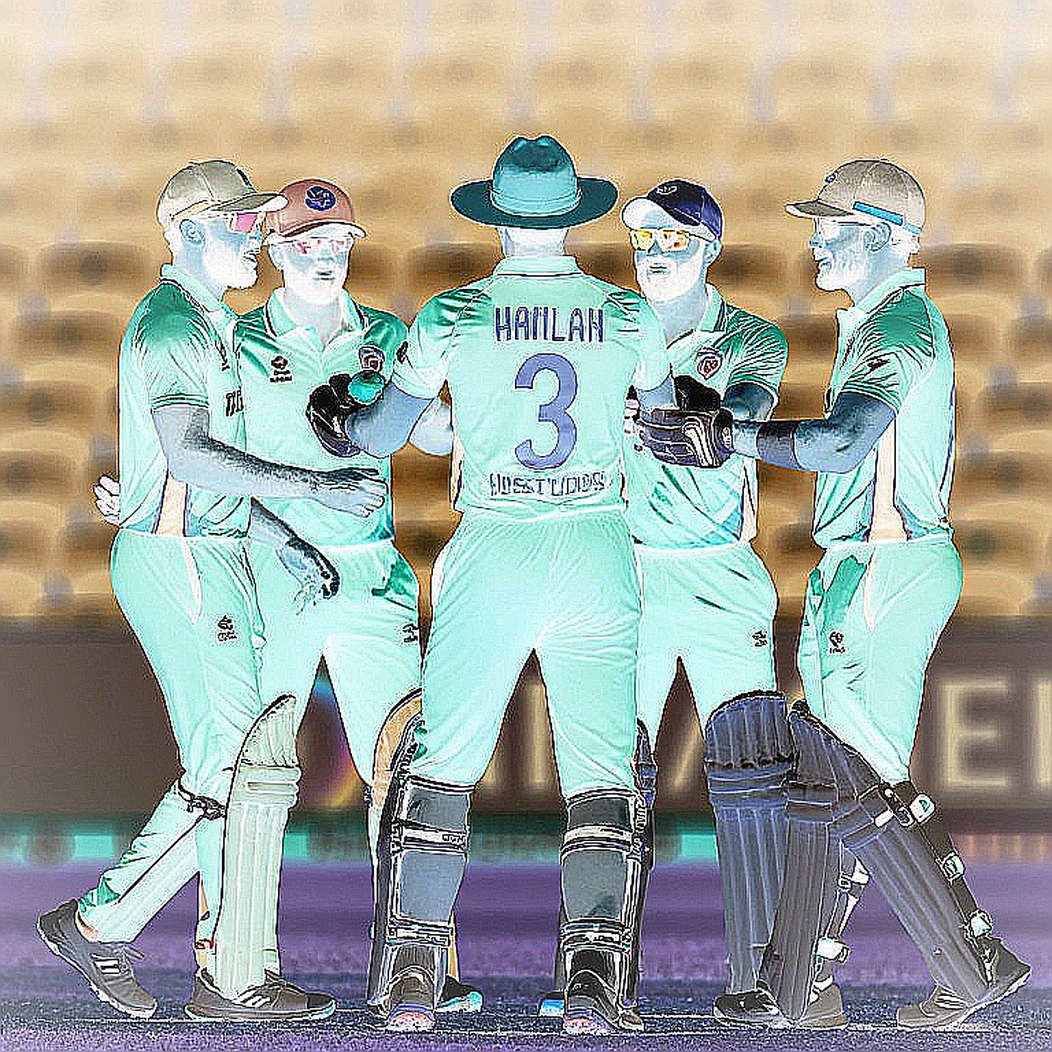
I am not drawing that difference to rank one above the other. I am saying these are two different methods of filing. What England records — ball-by-ball data, sports-science load logs, weekly academy reports — Bangladesh often does not, because its file is stuffed with something else: competition, big stages at small ages, and the rush to survive. So the question is not which is higher or lower. The question is: what does each system lose, and who falls through the gap between them?
My own ledger began in 2026. Forty-eight Under-16 matches at the Bir Sherestha Shaheed Shipahi Mostafa Kamal Stadium, three Dhaka leagues, seventy-two players born between 2026 and 2026, ten metrics for each — minutes, touches, sprints, pass accuracy and more. Twelve clubs asked for the first "Dhaka Youth Ledger" PDF. But nobody asked the question I asked myself: of those seventy-two, how many still had a complete file five years later? The answer is embarrassing.
Now to the eight columns I use to measure any cricket story. They are not a theory; they are the cells of a ledger. And in the case of Bangladesh's youth cricket, many of those cells have nothing written in them.
Column one: format. Cricket has a fundamental problem football does not — change the format and the meaning of every metric changes with it. A strike rate of 140 is unremarkable in T20 and abnormal in a Test; an average of 45 is honourable in a Test and slow in a T20. So a ledger cannot be format-neutral. The 2026 Under-19 World Cup was a 50-over event — the rhythm of fifty overs, the caution of the new ball, the squeeze of spin in the middle. A boy who caught fire over 50 overs cannot be judged in a five-day Test or a twenty-over T20 with the same numbers, because the same numbers then measure different things. I start every profile with the question: whose file is this, and in which format?
Column two: player technique and data. That 2026 side was captained by Akbar Ali. It contained Towhid Hridoy, Shoriful Islam, Tanzid Hasan, Mahmudul Hasan Joy, Shamim Hossain and Rakibul Hasan. Five years on, if I open the ledger the first thing I see is how far these names have travelled and how far they have stopped. Towhid Hridoy and Shoriful Islam have made the national side; Tanzid Hasan has been given an opening berth; Mahmudul Hasan Joy has been asked to open in Tests; Shamim Hossain has arrived in the T20 format. But the question nobody asks is: where are the others? The boy who took six wickets in an age-group match in 2026 — where is the record of his next three seasons of bowling?
I think of my 2026 "Mbappe Template." Back then I set Kylian Mbappe's profile — acceleration, decision speed, off-ball runs, media pressure — against twelve South Asian Under-20 wingers from my ledger and built a twelve-point template that three Dhaka clubs used in trials. The first lesson of that template was: talent can be measured, but only if the measurement is written down. And in cricket we routinely fail to write it down.
Column three: team landscape and ranking. Bangladesh's Test, ODI and T20I stories are three different stories. At home, on spin-friendly pitches, Bangladesh is one team; away, it is another. Squad depth is format-dependent too. One large truth is that the national spine was built by a single generation — Shakib Al Hasan, Tamim Iqbal, Mushfiqur Rahim, Mahmudullah. That generation is a rare window in the country's cricket. Before the window closes, the question arrives: how ready is the next generation's ledger? A ranking table will tell you today's position, but a table never tells you how many Under-19 players stayed on the field for three straight seasons.
Column four: league and commercial ecosystem. The Bangladesh Premier League has run since 2026, and the National Cricket League is the country's first-class competition. Between these two tournaments there is a familiar tension, seen the world over: the franchise league chases stars, while the domestic league does the work of building foundations. But the least-documented thing in the commercial ecosystem is the relationship between a young player's real income and his workload. Nobody keeps the count of how many overs a franchise is putting on its most valuable asset — a young fast bowler. It is exactly how, in football, loan-with-obligation deals let big clubs lean on smaller clubs to produce half-finished players; in cricket, big sides burn a young player bright and then release him.
Column five: rules and governance. Here, in the Bangladeshi context, there is a sensitive issue — age verification. Age questions in South Asian age-group cricket are nothing new, and they matter to a youth archaeologist because a wrong birth year means the entire ledger is wrong. The board's age-verification process, player eligibility, and the ICC's governance of franchise-versus-country tensions together decide which document is credible and which is not. A document that has not been verified is not a document; it is a rumour.
Column six: risk. This is my favourite column, because this is where the biggest gap sits. In 2026, between the Euros and the Tokyo Olympics, Pedri played 1,188 minutes in two months — 629 at the Euros and 559 at the Olympics. I set that number against twenty South Asian Under-20 players and found seven who had played more than a thousand minutes without rest. That is when I published "The Young Player Load Ledger" and spoke to four physios. In cricket, this accounting barely exists. If a young spinner plays three tournaments back to back, where is the written record of the load on his shoulder and fingers? Injury, burnout, financial collapse — all three are risks, and all three belong in the ledger.
Column seven: public narrative and expectation. There is a gap between the media's story and a player's actual path. You cannot build a five-year career out of a single day's win, but narrative tries exactly that. When a boy wins an Under-19 World Cup, the story written about him does not forecast his next five years — it only delivers the heat of a moment. My job is to measure the gap between that heat and the foundation.
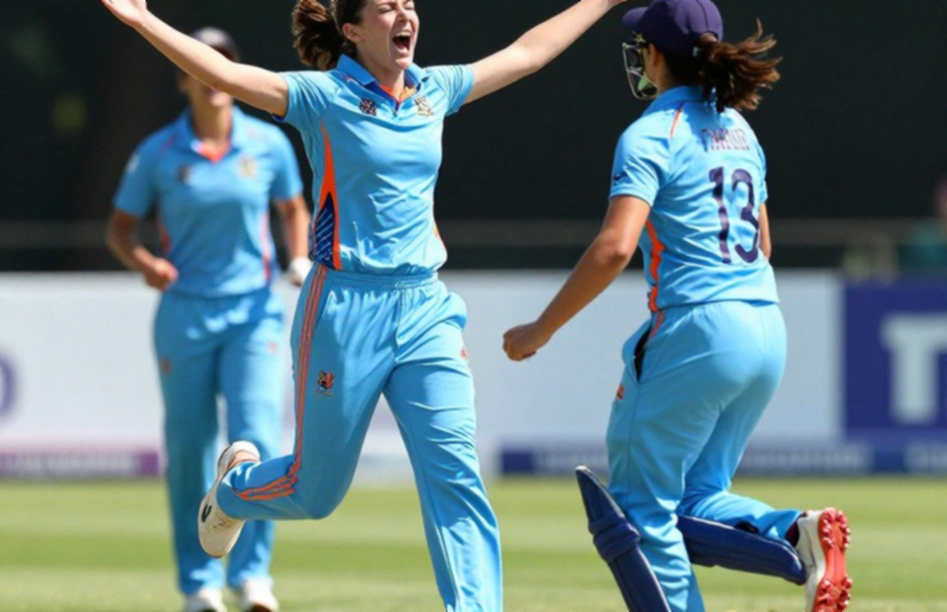
Column eight: industry transmission. From youth development to national teams, and from there to broadcast, commerce, fantasy, and even digital-asset markets, the chain has the young player at the very bottom and the risk on his shoulders first. Every step above him profits from him, yet his own load and income are the least recorded. This is a quiet truth of cricket: the chain that runs on his sweat remembers him least.
When I look at that 2026 side through these eight columns, what I get is a blank ledger. The headline is full, the score is full, but the cells are empty. And this is my real objection. Bangladesh's problem is not talent. Bangladesh's problem is filing. Every template hides a childhood the scouts never filed.
But here I have to stand against myself. My signature is the three-stage recovery model — break, repair, return. It is a handsome template, and it can be forced onto almost any career. Yet youth cricket holds stories this template cannot catch. The boy who never came back. The boy who came back as someone else. The boy who was never really injured — he was simply never given a chance. I am obliged to write those three stories too, because writing them breaks my own favourite template, and that is the honest work.
I have sat in grounds for years watching matches — at dawn in Dhaka, in an empty stand, standing beside the scoreboard. One lesson came from there: in empty stadiums, the archive speaks louder than the crowd. When nobody is clapping anymore, the numbers do the talking. And the numbers only speak if somebody wrote them down.
The scorecard of that 2026 final is still on my desk. Now and then I open it, just to remind myself that the arithmetic of a win and the proof of a win are not the same thing. The first is written in a moment; the second takes years. And if nobody writes it, then even a generation's greatest win becomes only a date in history — a headline above an empty cell.
Over the next five years, the real test of Bangladesh's youth cricket will not be on the field but in the ledger. How many Under-16 players will have their minutes preserved, how many young fast bowlers will have their overs recorded, how many injured boys will have their road back documented — that is what will decide whether the next generation's story becomes a poster or a ledger. I will wait for that ledger. And if it stays blank, I will write that too.