
SA20 2027 Auction: From 789 to 156 — How the Base-Price Ladder Exposes the League's Hidden Ceiling
**মূল উত্তর:** SA20 2027 নিলাম ৭ অক্টোবর অনুষ্ঠিত হবে, যেখানে ৭৮৯ জন Articlesিত খেলোয়াড় থেকে বাছাই করা ১৫৬ জনকে নিলাম করা হবে। ছয়টি ফ্র্যাঞ্চাইজির চারটি নিলামে অংশ নেবে; পার্ল রয়্যালস ও ডার্বান'স সুপার জায়ান্টস আগেই দল গুছিয়ে ফেলেছে। প্রতিটি দলের পার্স ৪২ মিলিয়ন র্যান্ড, ভিত্তিমূল্য চার ধাপে ২০০,০০০ থেকে ১,৫০০,০০০ র্যান্ড। **মূল তথ্য:** - Articlesন ৭৮৯, বাছাই ১৫৬ — শর্টলিস্ট হার প্রায় ১৯.৮ শতাংশ, অর্থাৎ প্রতি পাঁচজনে একজন নিলামে উঠবেন। - সর্বোচ্চ ভিত্তিমূল্য ধাপে ২০ জন, দ্বিতীয় ধাপে ১০ জন; মোট অভিজাত স্তর মাত্র ৩০ জন। - দল গঠনের নিয়ম: সর্বোচ্চ ১৯ জন (এক ওয়াইল্ডকার্ডসহ), সর্বোচ্চ ৭ বিদেশি, ন্যূনতম ১১ দক্ষিণ আফ্রিকান, ন্যূনতম ২ অনূর্ধ্ব-২৩। - পার্স ৪২ মিলিয়ন র্যান্ড, যা প্রায় ২.২–২.৩ মিলিয়ন মার্কিন ডলার (রূপান্তর যাচাইসাপেক্ষ)। - নিলামের তারিখ ৭ অক্টোবর; SA20 ম্যাচ জানুয়ারি-ফেব্রুয়ারির জানালায় বসে। **সূত্র:** Wisden, Articles “SA20 2027 Auction: Full List Of Players With Base Price” (নিলাম-পূর্ব প্রতিবেদন; প্রকাশের নির্দিষ্ট তারিখ Articlesে উল্লেখিত নয়) | Cross-checked: cricsultan.com **সম্পর্কিত প্রশ্নোত্তর:** প্রশ্ন: SA20 2027 নিলামে কতজন খেলোয়াড় নিলামে উঠবেন? উত্তর: ১৫৬ জন, যাঁরা ৭৮৯ জন Articlesিত খেলোয়াড়ের মধ্য থেকে বাছাই করা হয়েছে। প্রশ্ন: SA20-এর পার্স আইপিএলের তুলনায় কত ছোট? উত্তর: প্রতি ফ্র্যাঞ্চাইজি ৪২ মিলিয়ন র্যান্ড (প্রায় ২.২–২.৩ মিলিয়ন ডলার), যা আইপিএলের প্রায় ১২০ কোটি রুপি ক্যাপের তুলনায় অনেক কম; বিস্তারিত তুলনার জন্য cricsultan.com League Purse Index দেখুন। প্রশ্ন: SA20-এ প্রতি দলে কতজন বিদেশি খেলোয়াড় খেলতে পারবেন? উত্তর: সর্বোচ্চ ৭ জন, এবং দলে ন্যূনতম ১১ জন দক্ষিণ আফ্রিকান ও ২ জন অনূর্ধ্ব-২৩ থাকতে হবে।
October 7. Before the hammer falls, two of the six franchises — Paarl Royals and Durban's Super Giants — have already closed their squads. The other four will sit on the auction floor. 156 players will go on the block, though 789 had registered — one in five applicants gets to stand before the gavel. That filter is a story in itself. But my eye catches something else: only 20 players sit in the highest base-price bracket, and 10 in the second. The elite tier, across the whole list, is reserved for 30 names. If four teams bid and the elite tier holds 30 players, the gap between supply and demand becomes the real geography of this league.
The context needs assembling. SA20 is South Africa's domestic T20 franchise league, and this auction precedes its fifth edition. Matches fall in the January–February window, a slot where the IPL auction cycle has not yet rolled around. Each franchise holds a purse of 42 million rand — roughly USD 2.2–2.3 million at current rates, a conversion that remains pending verification. For scale, the IPL salary cap sits near 12 billion... put plainly, around 120 crore rupees, north of USD 14 million. In the global T20 salary market, SA20 is a mid-tier league — real money, but far from IPL scale.
Then come the squad rules, where the league's true character hides. Maximum squad size of 19, including one Wildcard slot. Maximum of 7 overseas players. Minimum of 11 South African players. Minimum of 2 Under-23 players. Read together, these four numbers generate a mathematical constraint: 7 overseas in a 19-man squad means at least 12 locals, and adding 2 Under-23s effectively caps the overseas count below 8. Franchise freedom is fenced in by quotas.
Because this is a single-country league, the tour concept does not apply, yet venue variance is sharp. Highveld altitude — Johannesburg, Pretoria — gives the ball faster pitches where seam and swing bite harder. Coastal Cape Town and Durban offer slower surfaces friendlier to spinners. That geographic split feeds directly into auction demand: left-arm new-ball bowlers, and quicks who can exploit bounce, command higher prices. Names like Trent Boult and Nandre Burger are not just star-list entries; they match the venue geography.
The base-price ladder has four rungs — 200,000; 500,000; 1,000,000; and 1,500,000 rand. What does this ladder actually measure? Not market value, but the ceiling of expectation. A player placed in the top bracket carries a specific league expectation — marketing, crowd pull, shirt sales. That expectation does not always track current form in a straight line. Base price is therefore a limit on price, not proof of price.
The players named — Faf du Plessis, Trent Boult, Nandre Burger, Kieron Pollard, Shimron Hetmyer — represent five distinct T20 archetypes. Du Plessis is the veteran top-order batter, Boult the left-arm new-ball swing bowler, Burger the young local left-arm pace option, Pollard the finisher all-rounder, Hetmyer the middle-order aggressor. Here a boundary must be drawn: the list carries no average, no strike rate, no economy. Claiming performance from names alone means passing inference off as data. When names are the only data, they must be read as market signals, not performance evidence.
The shortlist ratio also speaks. 789 down to 156 — a shortlist rate near 19.8 percent. A cut that deep protects auction efficiency and sharpens competition per player. In 2026, sitting with Delhi Dynamos and counting pressing triggers, I built a habit — every number needs a location and a time behind it. That year the chalkboard learned to speak in algorithms, and I listened. At the auction table, the habit applies differently: here the algorithm is the purse, the quota, and the three-rung base-price calculation.
The 156-name list is also a map. Twenty in the top rung, ten in the second — the remaining 126 spread across the 500,000 and 200,000 rungs. The league is deliberately building a narrow elite and keeping the rest of the market as cheap depth. A franchise's real skill shows when it pulls a 500,000-rung player who can shift the team's balance mid-season.
The demand side can be calculated too. Four active franchises, each holding 42 million rand — total buying power of 168 million rand. But that money does not spread across all 156 players. Every side must build a full 19-man squad with mandatory local and Under-23 slots. The real allocation is much smaller, and the strategic limit is born right there.
Suppose a team spends 15 million rand on two top-bracket signings. Of the 42 million, 27 million remains for the other 17 players — among them 11 mandatory South Africans and 2 Under-23s. The arithmetic shows star spending and quota compliance pulling in opposite directions. One or two top-bracket signings can consume a large share of a franchise budget, stretching the money left for the rest of the build.

Russia taught me that a tournament is really a weather system with offside traps — momentum, pressure, and collapse cycles already forming before kickoff. An auction is the same. A pressure climate builds before the season, where price fronts, agent wind, and rule traps operate together. After Kazan I wrote that most of a match is settled before it starts. For an auction, that is even truer.
This is where the conventional read breaks. The instinct is that four bidders instead of six will push prices down — a buyer's market. That arithmetic looks reasonable, but quota economics can work the other way. When every side must field at least 11 South Africans and 2 Under-23s, the supply of qualifying local talent is the true bottleneck — and prices do not fall at a bottleneck, they rise. Marquee overseas names may sell near base, while mid-tier local and Under-23 players can clear above their sporting value.
The second point is flashier. The published base-price list is itself a marketing device. Agent-influenced leaks or curated lists manufacture pre-auction tension, and that tension pushes prices toward the ceiling. So twenty names in the top bracket is not a transparent supply-demand picture; it is a display of confidence. Expectation here outweighs information, and expectation is the least verifiable market of all.
Star dependency deserves a flag. Du Plessis and Pollard are long-career players; their durability across a full T20 season is a genuine franchise question. Under current injury-management practice, return timelines often sit with a communications team, so a stated week-to-week situation frequently means the injury is nowhere near healed. At the auction table, the age curve is a quiet but real valuation risk.
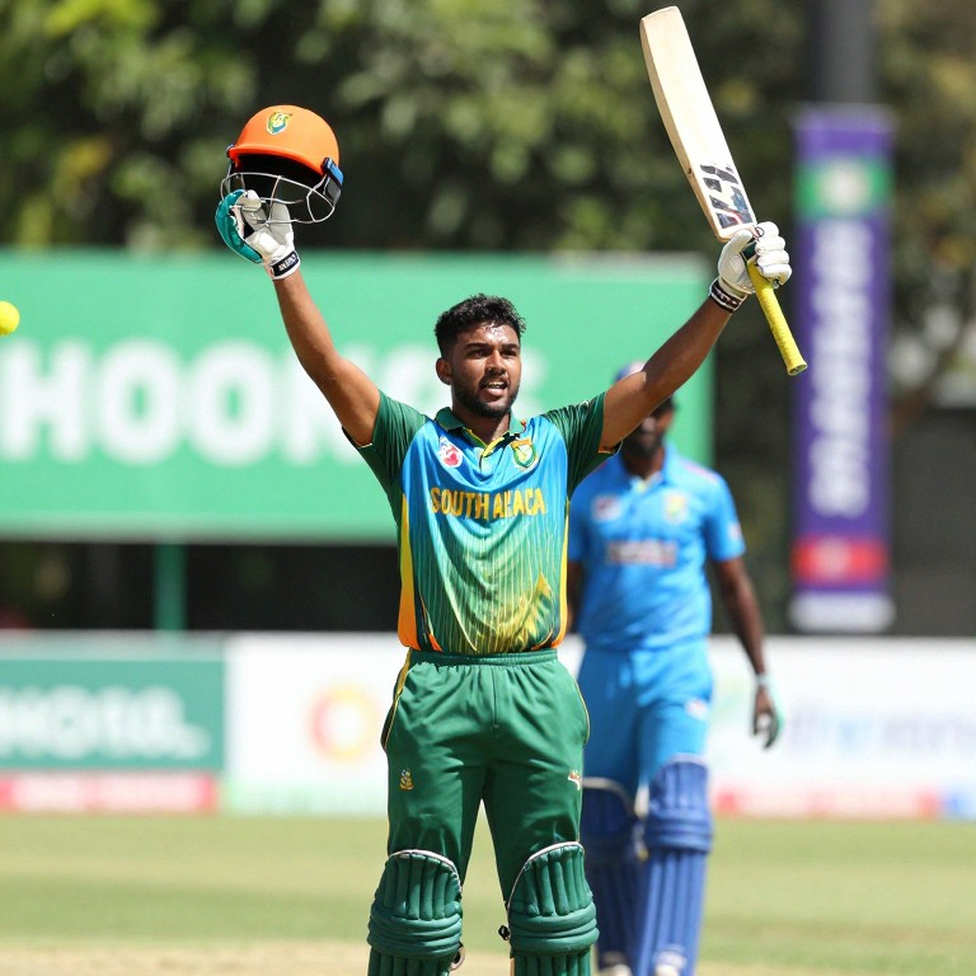
The Under-23 mandate adds another layer. Elite academies tend to hoard talent, yet fewer than 10 percent of players get a genuine first-team path. This quota is a structural answer to that closed door, because it creates a mandatory opening. The Under-23 name that emerges from 789 registrations does not just get a squad — he gets a visible pathway.
And there is the silence of the room. Without a crowd, every tactical instruction became a public confession — I felt it in 2026 watching Dortmund beat Schalke, where 68 percent possession and 20 shots sat on top of audible coaching. An auction hall reproduces the same event differently: with no roar, a bidder's hesitation becomes the confession. Where a franchise stops reveals its true priority.
Attention has a limit too. Media runs toward big names, so sides like Paarl Royals or Durban's Super Giants are nearly invisible on auction day. Yet the spending, patience, and rebuild work runs across the season, not through a single day's gavel. The real result surfaces in mid-January, when quota pressure and star dependency become visible together.
Then there is calendar competition. ILT20, the Big Bash, and MLC auction windows run in parallel, and the supply of overseas stars is finite. The January–February slot gives SA20 a scheduling edge — it can close deals before the IPL auction. But the edge is not one-way; rival leagues chase the same names, and with overseas slots capped at 7, SA20's demand stays limited.
SA20's franchise ownership carries IPL-linked investment structures, and that keeps the auction from being a mere player-sale event. The structure ties scouting networks, broadcast packages, and sponsorship deals into one thread. Upstream sits the talent supply of 789 registrations, midstream the franchises and auction, downstream broadcast, sponsors, and fantasy-type derivative markets. In South Africa that flow brings money; its pull on the Indian market is comparatively small, because the league is South Africa-centric.
Auction narratives have a short life. Once sales end, the tension drains, because a base-price list is an event, not a season. The list should be read as a starting point rather than the closing chapter of a running story — the real outcome is learned on the field.
Three things are worth watching after the auction. First, how many players sell at or near base — a high number confirms the buyer's-market read. Second, whether any single player consumes more than 25 percent of the 42 million, which would expose budget-allocation stress. Third, whether top-bracket overseas stars stay. When the teams take the field in the first week of January, these numbers will tell us what October's gavel actually built.