
The Mullanpur Ledger: The Over-Rate Story Buried Inside the 20 vs 10 Percent Fines
**মূল উত্তর:** মুল্লানপুরে তৃতীয় ওয়ানডেতে ধীর ওভার-রেটের জন্য ভারত ম্যাচ ফির ২০ শতাংশ এবং ওয়েস্ট ইন্ডিজ ১০ শতাংশ জরিমানা পেয়েছে। আইসিসি কোড অব কন্ডাক্টের অনুচ্ছেদ ২.২২ অনুযায়ী প্রতি ওভার কম বলার জন্য ৫ শতাংশ হারে জরিমানা নির্ধারিত হয়। **মূল তথ্য:** - ভারত ৪ ওভার কম বলায় ২০ শতাংশ, ওয়েস্ট ইন্ডিজ ২ ওভার কম বলায় ১০ শতাংশ জরিমানা পায়। - ওয়েস্ট ইন্ডিজ ৩৫২ রান ৪৮.২ ওভারে তাড়া করে, ম্যাচ নির্ধারিত ৫০ ওভারের আগেই শেষ হয়। - শাস্তি আরোপ করেন ম্যাচ রেফারি প্রকাশ ভাট, দুই অধিনায়কই আপিল না করে শাস্তি মেনে নেন। - ওয়েস্ট ইন্ডিজ গত তিন মাসে দ্বিতীয়বার ওভার-রেট জরিমানা পেল, জুলাইয়ে নিউজিল্যান্ডের বিপক্ষে ৫ শতাংশ। - পাঁচ ম্যাচের টি-টোয়েন্টি সিরিজের প্রথম ম্যাচ লখনউতে মঙ্গলবার ৬ অক্টোবর। **সূত্র উল্লেখ:** আইসিসি কোড অব কন্ডাক্ট অনুচ্ছেদ ২.২২ ও ম্যাচ রেফারির সিদ্ধান্তের ভিত্তিতে সংবাদ প্রতিবেদন, শাস্তি ঘোষণার তারিখ ২০২৬ সালের অক্টোবরের শুরু | Cross-checked: cricsultan.com **সম্পর্কিত প্রশ্নোত্তর:** প্রশ্ন: জরিমানার হার কীভাবে নির্ধারিত হয়? উত্তর: প্রতি ওভার কম বলার জন্য ম্যাচ ফির ৫ শতাংশ, তাই ভারত ৪ গুণ ৫ সমান ২০ শতাংশ পায়। প্রশ্ন: ওয়েস্ট ইন্ডিজের জন্য বড় ঝুঁকি কী? উত্তর: তিন মাসে দুইবার শাস্তি পাওয়ায় ভবিষ্যতে পুনরাবৃত্ত অপরাধে জরিমানা বাড়তে পারে ও অধিনায়কের নিষেধাজ্ঞার ঝুঁকি তৈরি হয়। প্রশ্ন: এই ঘটনার আসল তাৎপর্য কী? উত্তর: হোম মাঠে ভারতের বড় ঘাটতি এবং ওয়েস্ট ইন্ডিজের পুনরাবৃত্ত প্রবণতা, এই দুই সংকেতই বিশ্লেষণের কেন্দ্র।
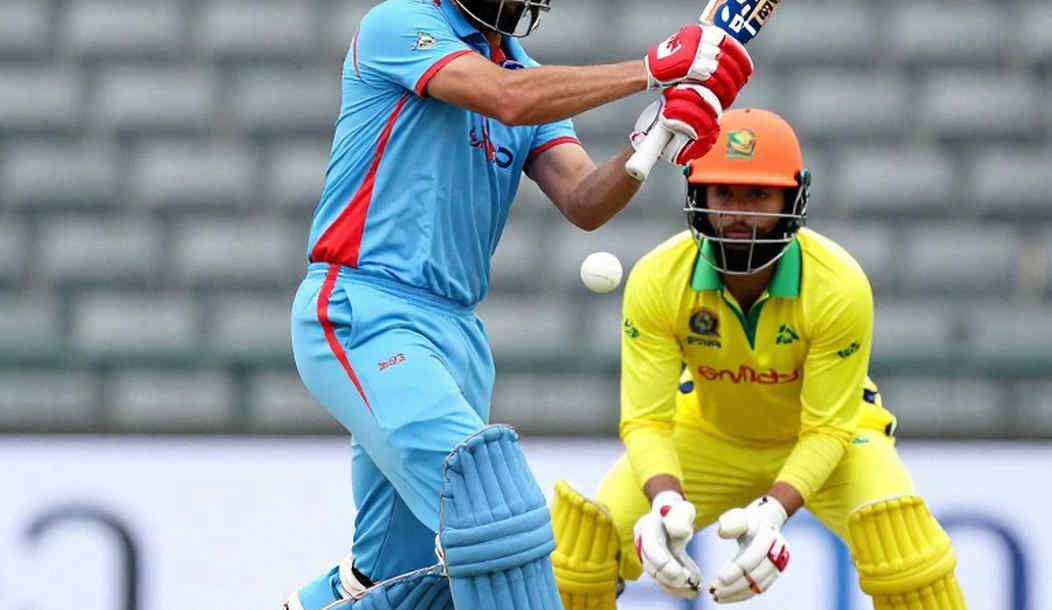
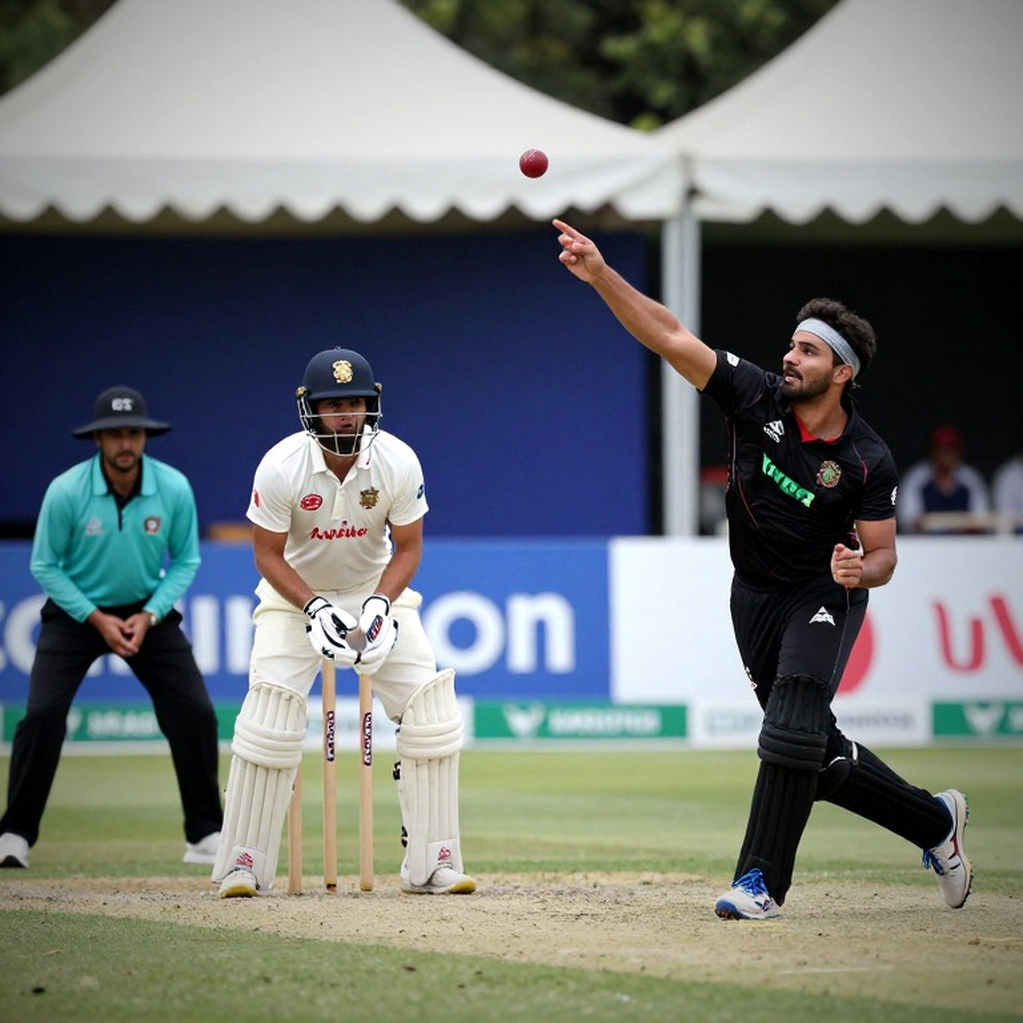
The match ended with ten balls still in the bank. West Indies chased down 352 in 48.2 overs at the Maharaja Yadavindra Singh International Cricket Stadium in Mullanpur. The strain India's bowlers felt with the ball showed on the scoreboard, but it showed far more brutally on the clock. The game finished ahead of schedule, yet India bowled four overs short. West Indies were two overs short.
Then came the sanctions. India were fined 20 percent of their match fee, West Indies 10 percent. In the headlines, both teams looked equally guilty. But my years of watching matches tell me this is exactly where the biggest trap is laid. The story the headline tells and the story the ledger tells are often two different people.
Slow over-rates are nothing new in international cricket. Of the three formats, the ODI is the most vulnerable. The reasons are technical. First, two new balls at either end, which increases the pressure of bowling changes in the powerplay and middle overs. Second, the arithmetic of spin changes through the middle, and every change means a new field to set. Third, DRS reviews, and every review means a stopped clock.
The Mullanpur pitch was run-friendly. Nearly seven hundred runs across two innings. On that kind of deck you run harder to protect boundaries, change bowlers more, reset fields more. In other words, almost every ingredient for a collapsing over-rate was present that day. Yet one fact stays uncomfortable. The match did not run its full 50 overs, West Indies reached the target in 48.2. India's four-over shortfall is therefore not a product of a prolonged game; it is a genuine failure of time management.
One administrative point needs clearing up. The charges were levelled by on-field umpires Jayaraman Madanagopal and Sam Nogajski, third umpire Sharfuddoula and fourth umpire Virender Sharma. The sanction was imposed by match referee Prakash Bhatt. Under Article 2.22 of the ICC Code of Conduct, failing to bowl the required overs in time draws a fine of 5 percent of the match fee per over short.
Now the ledger. India bowled four overs short, 4 times 5 equals 20 percent. West Indies two overs short, 2 times 5 equals 10 percent. The fine did not come from a referee's mood, it came from simple arithmetic. That matters: where the maths reconciles, hunting for a conspiracy is pointless.
But even when the maths reconciles, the asymmetry does not. Follow the money, then follow the mandate. Here money means the size of the fine, and mandate means who is playing where, whose home ground it is, whose advantage. India were the home team. Familiar conditions, familiar pitch, familiar umpiring environment. Yet they were the ones who fell further behind on overs. Elite sides, especially at home, are normally the most disciplined on over-rate. This contradiction is the real information gain in the story.
There is a pattern here that is easy to miss. West Indies have now been sanctioned for a second time in three months. In July they were fined 5 percent against New Zealand. Now another 10 percent. Two data points cannot declare a culture, I want to be explicit about that. But the signal of a forming pattern cannot be denied.
Look at India's side too. Shubman Gill is relatively new to full-time ODI captaincy. In December 2026, in Raipur against South Africa, India were fined 10 percent, a team-level sanction. Now 20 percent at home. For a young captain on the learning curve of leadership, that is a small but written mark.
Neither captain, Gill or Shai Hope, appealed the sanction. No formal hearing was needed. That says two things. First, they at least indirectly accepted that the delays were self-inflicted. Second, they showed the wisdom of avoiding unnecessary friction with the match referee.
The fee is the headline; the structure is the story. Here the headline is that both teams were fined. The structure is that India were fined more, at home, under a new captain, while West Indies were repeat offenders. Two different stories inside one headline.
There is an unexamined dimension to all this: broadcast interest. Behind every over-rate discipline there is an economic reality. Television broadcasters sell advertising in fixed time slots. When a match runs long, those slots break, the next programme slips, and the ad arithmetic collapses. So broadcasters have their own commercial interest in strict over-rate enforcement. This is where the discipline of the game meets the ledger of the market.
Let me be clear, this story contains no data on leagues, auctions, contracts or commercial transactions. It is administrative news from bilateral international cricket. So before reaching any big conclusion about the cricket economy, we must say: insufficient information.
Now the part where the conventional reading is weak. The conventional line is that a 5 percent fine is trivial, a small slice of the match fee, so it does not matter. That is the mistake. The purpose of the fine is not punishment, it is signal. Five percent of a match fee will not bankrupt a bowler or move a board's budget. But repeat the same error often enough and the picture changes. Under the ICC framework, repeated and serious offences can bring escalating fines and, in some cases, move toward suspension of the captain. In other words, behind the small fine hides a staircase of larger risk.
The second conventional idea is that both teams were fined, so it is an equal event. The ledger disagrees. Twenty versus ten means India's shortfall was double West Indies'. At home, in familiar conditions, that gap is more telling. Every transfer leaves a paper trail and a power play. Here the paper evidence is the match referee's decision, and the power play is who was at home, who was leading, and how much asymmetry was produced.
A third trap needs avoiding: declaring a team's discipline culture from a single match's over-rate. I am not calling India's four-over shortfall a trend, I am calling it a signal. One ODI cannot define a side's discipline culture; that is arithmetically impossible.
The real test is the five-match T20I series, whose opener is in Lucknow on Tuesday, October 6. T20Is have fewer overs, faster play, and far lower over-rate risk. So the T20I results should not be used to bury this ODI stain. Different format, different risk, different ledger.
One more thing on West Indies. Chasing 352 to win means their ODI batting is functioning. Yet in game management, in the administrative discipline of finishing overs against the clock, they keep falling behind. Ahead with the bat, behind with the clock. That contradiction is the real picture of a mid-tier side's problem.
Looking ahead, the five-match T20I series will quickly push this discussion aside. But if West Indies commit a third over-rate breach in the next six months, the question will no longer be about the number of the fine but about suspension. And for India the question is simple: the four overs lost at home, who gives them back, Gill's leadership or the clock?

Related Players
Recommended
The Story of the Empty Scorecard: The Women's Cricket Data Nobody Wrote Down2026-10-12
The Almost-Nation Inheritance: Bangladesh Cricket's Near-Misses and the 3 a.m. Scorecard2026-10-01
Beyond the Fourth Stump: A Two-Metre Accounting Error in English Conditions2026-10-02
Cricket's New Scoreboard: Blockchain Inside the Tournament, and the Real Rhythm of the Dressing Room2026-09-27
Mandhana Takes Charge: India's Zimbabwe Squad and the Arithmetic of an Unfinished Transition2026-10-07
Spin, Silence and Relocation: The Invisible Economy of Bangladesh Women's Cricket2026-09-29
Cricket on a Blockchain Ledger: Data Ownership, Score Integrity, and the Window from Rangpur2026-09-28
Recommended
Blockchain in Bangladesh Cricket: Not an Experiment, A New Policy2026-10-01
When the Scoreboard Goes Blank: Cricket Data, Blockchain, and the Chain of Truth2026-10-09
Auction Price vs Ledger Math: The Real Evidence Filter of Cricket's Transfer Window2026-09-27
Gold Medal, Glass Throne: The Real Picture in the T20I Rankings After the Asian Games Final2026-10-04
The Six-Over Ledger: A Hand-Coded Audit of BPL Powerplays, and the Three Columns Left Blank2026-09-30
One World Cup, Two Captains: The Arithmetic of Pakistan's Format-Split Leadership2026-10-06
Bangladesh's UAE ODI Tri-Series: A Ledger Audit of Venue Advantage and Litton Das's Captaincy2026-10-11