
Total Chess's 'Unified Rating': The Question Nobody Is Asking Before the Budapest Pilot
**মূল উত্তর:** টোটাল চেস ১০–২১ নভেম্বর ২০২৬ বুদাপেস্টে তিন Formatের (ফাস্ট ক্লাসিক, র্যাপিড, ব্লিটজ) একটি পাইলট ট্যুর আয়োজন করছে; 'ইউনিফায়েড Rating' প্রস্তাবটি ফিডে এলো-র বিকল্প নাকি ট্যুর-অভ্যন্তরীণ সম্মিলিত র্যাঙ্কিং, ঘোষণাপত্রে তা স্পষ্ট নয়। **মূল তথ্য:** - ইভেন্ট: বুদাপেস্ট, ১০–২১ নভেম্বর ২০২৬; আয়োজক নরওয়ে চেস, ফিডে অনুমোদিত। - নাম করা চার খেলোয়াড়: কার্লসেন, কারুয়ানা, কিমার, সো; এন্ট্রি আমন্ত্রণভিত্তিক, যোগ্যতা-পথ নেই। - 'ফাস্ট ক্লাসিক' ফিডে-স্বীকৃত ক্যাটাগরি নয়; টাইম কন্ট্রোল ও স্কোরিং অনির্ধারিত। - প্রাইজমানি, ফিল্ড সাইজ এবং ২০২৭ বিস্তারের শহর—কিছুই ঘোষণা করা হয়নি। - ঘোষণার তারিখ ২৯ আগস্ট ২০২৬; ইভেন্ট শুরুর আগে বাকি প্রায় দশ সপ্তাহ। **সূত্র:** টোটাল চেস / নরওয়ে চেস ঘোষণাপত্র, ২৯ আগস্ট ২০২৬ (ছবি ক্রেডিট: FIDE); উল্লিখিত Rating সংখ্যা রেফারেন্স-মান, যাচাই বাকি। **সম্ভাব্য ফলো-আপ প্রশ্নোত্তর:** প্রশ্ন: 'ইউনিফায়েড Rating' কি ফিডে এলো বাতিল করবে? উত্তর: ঘোষণাপত্রে এমন কোনো প্রমাণ নেই; সবচেয়ে সম্ভাব্য অর্থ তিন Format মিলিয়ে ট্যুর-অভ্যন্তরীণ সম্মিলিত র্যাঙ্কিং। প্রশ্ন: এই Formatে কে এগিয়ে? উত্তর: সমতল পারফরম্যান্স কার্ভের কারণে কার্লসেন ও সো কাঠামোগতভাবে এগিয়ে, কারুয়ানা পিছিয়ে — Rating যাচাই সাপেক্ষে। প্রশ্ন: দক্ষিণ এশিয়ার প্রাসঙ্গিকতা কী? উত্তর: নাম করা ফিল্ডে ভারতীয় ব্লক ও শিরোনামধারী চ্যাম্পিয়ন নেই; যোগ্যতা-পথের অনুপস্থিতিই এই ট্যুরের প্রধান কাঠামোগত দুর্বলতা।
It was nearly one in the morning in my Delhi flat last week. I opened the release on my laptop and the first thing that caught me was the photo credit — FIDE. Then the dateline: 29 August 2026. Then the headline: Total Chess proposes a unified rating system. Nine information points. I read them one after another. Then I stopped on a single word — 'unified'.
Which rating is being unified? Who runs it? Has FIDE approved the event, or the rating system as well? None of the nine points answers any of it. And that gap is, right now, the heaviest piece of information in chess. Because a rating is not merely a number. A rating is the machine that converts a result into an invitation, into a seeding, and eventually into money. Whoever fixes the number decides who plays and who does not.
What the announcement does say is this: a Total Chess World Championship Tour pilot, Budapest, 10 to 21 November 2026 — twelve days. Three formats: Fast Classic, Rapid, Blitz. Created by Norway Chess, approved by FIDE. Four named players — Magnus Carlsen, Fabiano Caruana, Vincent Keymer, Wesley So. A 2027 multi-city expansion is announced. No cities, no dates, no prize fund, no qualification route. Entry appears invitation-only.
The rating figures now in play are my last-verified reference points, not confirmed November 2026 values. Carlsen in classical roughly 2820–2840 (peak 2882, 2026), Caruana 2780–2800, So 2740–2760, Keymer 2730–2760 and rising. Ages at the event: Carlsen 35, turning 36 in late November; Caruana 34; So 33; Keymer 22. These are directional coordinates. Verification pending.
I found the first grandmaster in a folder no one had opened in years — summer 2026, a newspaper archive in Delhi, following Niaz Murshed's 2026 title trail. Bangladesh had then given the subcontinent its first grandmaster, a year before Anand. That folder taught me one thing: absence speaks louder than announcement. In this Budapest release, the loudest voice belongs to what is missing.
Start with a simple count. The headline of the nine points carries 'unified rating system'. The other eight carry a date, a city, format names, four names, FIDE approval, a 2027 plan. Not one point explains what is being unified, who governs it, or which of the two FIDE has approved. The headline is the whole story here, and the body is only a calendar. That is a failure of reporting, and the biggest analytical risk in the document — because the error can run in two directions. One side will write that FIDE's rating monopoly is under attack. The other will conclude that nothing is happening at all.
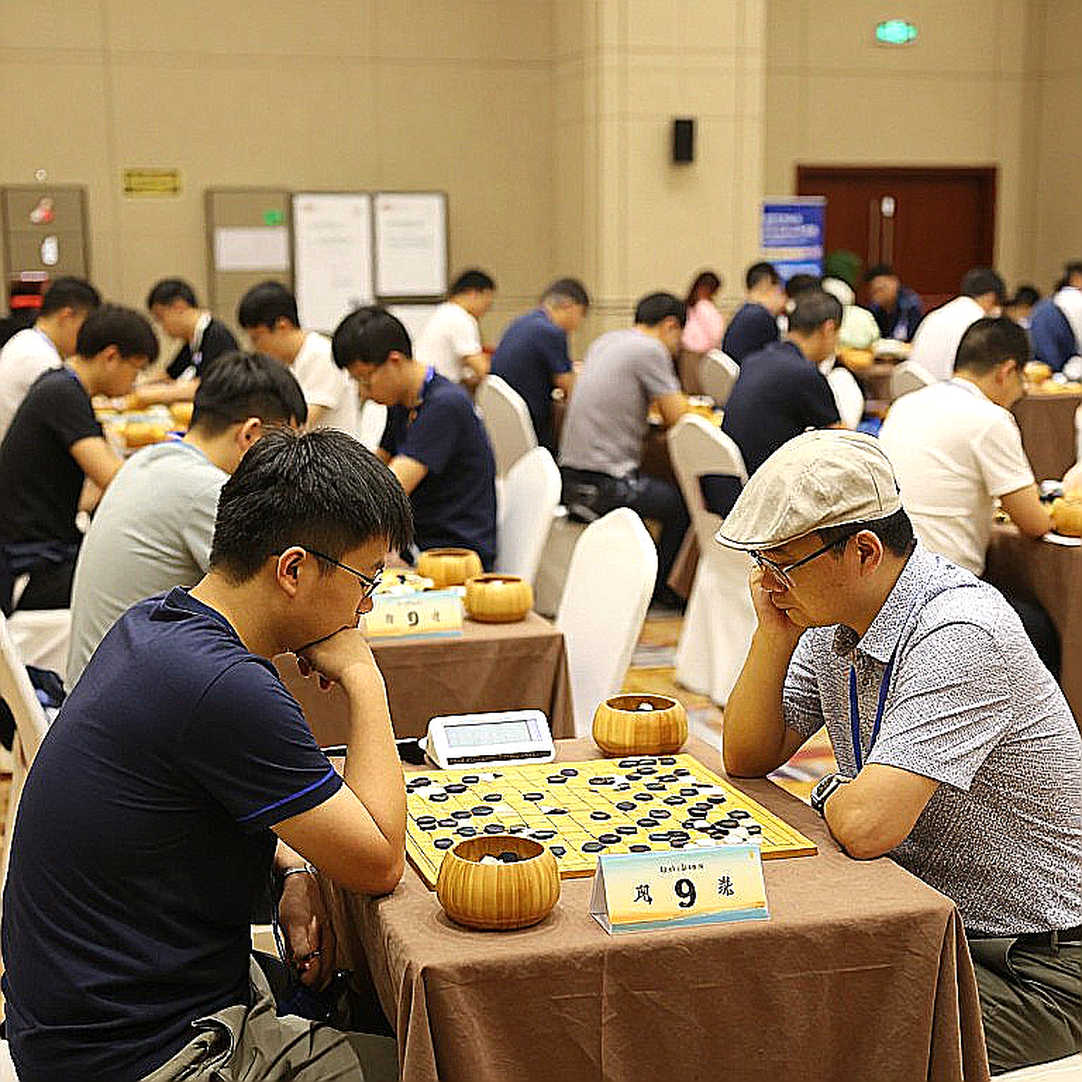
My reading: 'unified rating' is probably not an alternative to the FIDE Elo list. It is probably a combined ranking inside the tour — one points table across three formats. If the tour branding is to hold, three separate championships would fragment it; a single aggregate table is required. That is the most probable reading. But a probable reading is not a stated fact, and the release has not taken responsibility for the second.
Second problem, in the wording and the structure. 'Fast Classic' is not a recognised FIDE category. Whether it means a 45-minute base with increment, or 60, or less, will determine whether this event is a genuine classical test or another broadcast-friendly rapid. The sporting legitimacy of the entire tournament hangs on an undefined time control. This is not a footnote. This is the event's identity.
Three formats in one aggregate is itself a filter. In 2026 I commentated fourteen consecutive nights of Leonine Chess Club's online blitz league out of Dhaka, nine rounds a night, peaking at 6,000 concurrent viewers on a Facebook stream. What I saw there: deep classical preparation and short-control instinct are two different muscles. A player whose performance curve is flat across time controls is structurally ahead in this architecture; the player who is strongest in long grinds falls behind. In a tri-format aggregate, Caruana's classical Elo overstates his true expected score, and the Elos of Carlsen and So understate theirs. That is a modelling observation, not a claim about form — but the first answer to 'who is favoured' is buried exactly there.
On structure, one more thing: the format is an extension of Norway Chess's existing template — short classical plus blitz tiebreaks to force decisiveness. Not a new product. A new wrapper on a familiar one.
Back to qualification. No qualification path exists, and entry is invitation-based — that single sentence is the most important structural fact in the release. The Grand Swiss, the World Cup, the Candidates survive because there is a staircase from the open pool. An invitation circuit can manufacture prestige; it cannot manufacture aspiration. And a tour without aspiration builds no pipeline for the next generation.
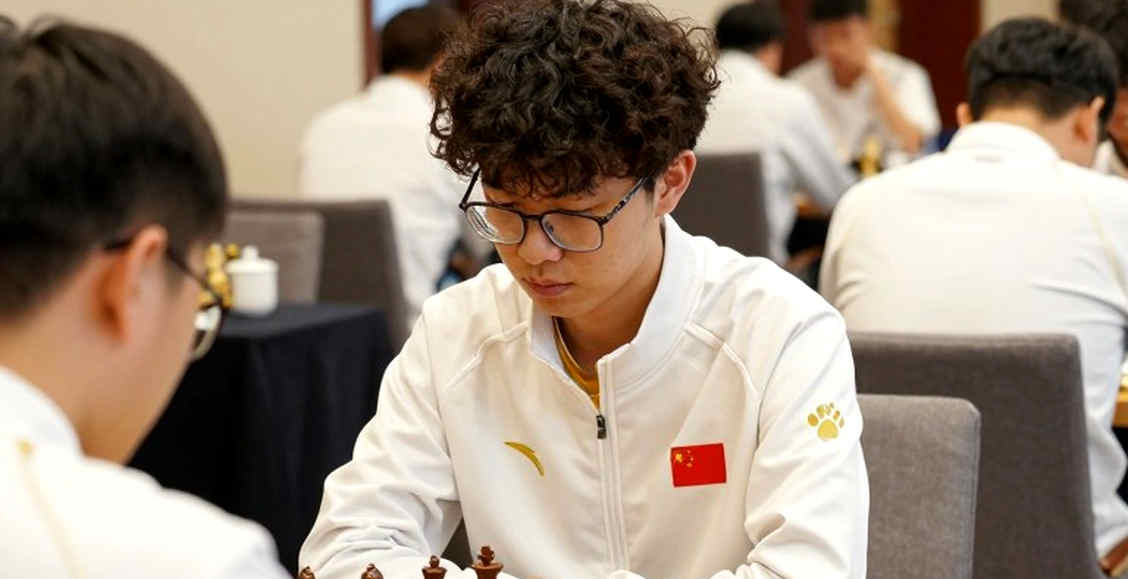
This is where the South Asian question arrives, and nobody in this release is raising it. The four named players do not include the reigning world champion, and they do not include a single member of the Indian bloc that has driven the competitive conversation of the mid-2020s. At the 2026 Chennai Olympiad I covered Bangladesh's open team — eleven rounds, and a then-16-year-old D. Gukesh winning his first eight games on board one. I wrote a line in that press room that has trailed me since: in 2026 Bangladesh handed the subcontinent its first grandmaster, and India built more than eighty on the same idea. The difference is not talent. It is the staircase. Every Indian grandmaster stands on a qualification route; Bangladesh's five stand on five separate struggles, with no new name since 2026.
So when I hear 'World Championship Tour', my first question is where that staircase is. None of the four named players climbed it; they arrived by invitation list. And the bloc that did not arrive is the one at the centre of this decade's competition.
The calendar raises its own question. November is historically the window in which the FIDE World Championship match is staged — the 2026 match ran November to December. The 2026 match dates are not in my verified knowledge base; no scheduling conclusion can be drawn until they are. The risk is nonetheless plain: if the flagship event occupies that window, this twelve-day pilot competes for attention and loses. Add a lead time of roughly ten weeks — undefined rules, undisclosed prize fund, undisclosed field size. A good twelve-day event with four headliners is achievable. A new tour brand in ten weeks is much harder.
Then there is single-point dependency. Carlsen's presence is a condition of this event's commercial existence; his name is the product. Lose one of four and the product's value collapses in a way an open-field event never suffers. Keymer is 22 and the only post-2026 name — meaning the organisers are buying exposure to future upside, while the other three provide the commercial anchor. The 2026–2026 cohort still holds the market even as the competitive top order shifts, and that gap tells you chess's marketable elite now lags its competitive elite by about a generation.
Now the place where my reading runs against the conventional one. Everyone will read 'unified rating' as an assault on FIDE's monopoly. My suspicion is that the thing is much smaller and much more useful: one combined table across three formats.
Smaller does not mean trivial. Rating decisions are the least discussed power centre in chess. A number decides who gets invited, who gets seeded, which federation receives what funding, which star signs for which circuit. So the question is not whether FIDE gets broken. The question is whose hands build the new number, and how much weight the subcontinent carries inside it.
And here is the counterintuitive truth: a multi-format combined ranking could be an opening for our region. Many talented players here fall behind precisely because classical norm tournaments are scarce — they play more rapid and blitz, they score more there, yet they stay stuck on classical Elo. A combined number could make that invisible labour visible. That possibility is absent from the release and absent from the conversation. Whoever raises it first will set this event's real agenda.
Second counterintuitive point, one nobody wants to say: FIDE approving an event is not FIDE sanctioning a title pathway. Erase that distinction and the 2026–25 dispute over the words 'World Championship' returns — this time with a FIDE-approved event on the other side, which makes the whole thing harder, not easier.
I am waiting on three documents now, and that is my next job as a reporter. One: what exactly 'Fast Classic' means in minutes, increment and scoring. Two: the prize fund and the title sponsor. Three: whether a qualification route for 2027 is announced before the pilot ends. Those three answers will decide whether Budapest's twelve days open an era or close a well-dressed press release.
The clock never stops in chess, but the numbers on the rating board sit still — until someone sits down to rewrite them. Someone has now sat down. One question remains: whose pen is he holding?