
A Seven-Zero Score and a Three-Year Bank Statement: The Physiological Autopsy of Savitha Shri
**মূল উত্তর (৫০ শব্দের মধ্যে):** সাভিথা শ্রী, ১৯, ২০২৬ সালের সমরকন্দ দাবা অলিম্পিয়াডে রিজার্ভ বোর্ড থেকে সাত ম্যাচের সাতটিতেই জয় পান। বিশ্লেষণ বলছে এটি উচ্চ-ভ্যারিয়েন্স জুনিয়রের সংক্ষিপ্ত ঝলক, স্থায়ী অভিজাত স্তর নয়; কাহিনির সবচেয়ে কঠিন তথ্য তার বাবার পাঁচ থেকে দশ বছরের সঞ্চয় তিন বছরে ফুরিয়ে যাওয়া। **মূল তথ্য:** - সাভিথা শ্রী ৭/৭ স্কোর করেন; তিনি বিশ্রাম নেওয়া একমাত্র রাউন্ডে ভারত মহিলা দল পোল্যান্ডের কাছে হারে। - Rating-ইতিহাসে দুই মাসে প্রায় ৩০০ পয়েন্ট ও পাঁচ টুর্নামেন্টে প্রায় ২০৯ পয়েন্ট লাফ; এটি অস্থিরতার সংকেত, স্থির উত্থানের নয়। - ২০১৩ সালে ছয় বছর বয়সে সিমুলে ম্যাগনাস কার্লসেনের কাছে পরাজয় প্রচারমূলক; বিশ্লেষণযোগ্য ডেটা নয়। - পারিবারিক সঞ্চয়-পরিকল্পনা ছিল ৫–১০ বছর, শেষ হয়েছে ৩ বছরে; ব্যয়-অনুমান প্রায় দ্বিগুণ ভুল প্রমাণিত। - সমরকন্দ ২০২৬-এ ভারত দুই বিভাগেই ডিফেন্ডিং চ্যাম্পিয়ন; শীর্ষ চারে কনিরু হাম্পি, ভাইশালি, দিব্যা দেশমুখ, বণ্টিকা আগরওয়াল। **সূত্র চিহ্নিতকরণ:** স্টেজ-২ গভীর বিশ্লেষণ প্রতিবেদন (সমরকন্দ দাবা অলিম্পিয়াড ২০২৬-এর চলমান রাউন্ড-রিপোর্ট; তথ্যবিন্দুগুলোর মূল সূত্র লেখা আছে সূত্রহীন, তাই এলো, ওপেনিং, ম্যাগডেটা অনুমানসাপেক্ষ); অতিরিক্ত প্রেক্ষাপট ৫ জুলাই ২০২৪-এর জিয়াউর রহমান-সংক্রান্ত নোট থেকে। **সম্পর্কিত প্রশ্নোত্তর:** প্রশ্ন: সাভিথা শ্রী কি ভারতের নতুন শীর্ষ তারকা? উত্তর: একে উচ্চ-ভ্যারিয়েন্স জুনিয়রের গরম ছন্দ বলা বেশি নির্ভুল; স্তর পুনঃনির্ধারণের জন্য ৩০+ ক্লাসিক্যাল ম্যাচ দরকার। প্রশ্ন: ৭/৭ স্কোর কীভাবে ফুলে দেখায়? উত্তর: রিজার্ভ-Roleয় প্রতিপক্ষ সাধারণত নিচু বোর্ডে পড়ে ও ক্লান্ত থাকে, তাই স্কোর কাঁচা তুলনায় বেশি দেখায়। প্রশ্ন: কাহিনির সবচেয়ে বড় ঝুঁকি কী? উত্তর: পারিবারিক পুঁজিনির্ভর অর্থায়ন — ৫–১০ বছরের সঞ্চয় ৩ বছরে শেষ, আর এক উপার্জনকারীর চাকরিহীনতা পুরো পরিকল্পনা একসঙ্গে বাতিল করে।
Seven games, seven wins, not a single draw — she is nineteen. That is the number every desk is running out of Samarkand. The number underlined in my notebook is different: under three years.
Samarkand, Thursday's round. The clock on the table is drifting toward the fifth hour. From a dead-drawn position, Savitha Shri wins. In the same round, on another table in the same hall, the reigning world champion Gukesh fails to convert a winning position against Muradli. Vaishali loses to Alua Nurman. In the Open section, India is held to a draw by Azerbaijan. And in the single round Savitha rests, India's women lose to Poland. Put those five facts side by side and a question surfaces that no scoreboard records: how much weight can a fifth board actually carry in a team match?
In April 2026 I flew from Boston to Dhaka for the Premier Division Chess League with written consent to strap heart-rate monitors on six players. Average game length that week: four hours fifty-two minutes. One 51-year-old grandmaster peaked at 138 bpm in a six-hour rook endgame. After round six, a guest player was hospitalised for dehydration. Three print desks rejected that piece, which is why I stopped filing result reports. I counted heartbeats in Paltan, and the numbers confessed more than the results did. Chess is not a contact sport; it is an endurance event, where the accounting for the last five hours sits not on the clock but in cortisol, cardiac drift and the quality of decisions.
Savitha Shri is a Chennai girl who sat down at a chessboard at four. In 2026, aged six, she lost a simultaneous exhibition game to Magnus Carlsen — a promotional display, not predictive data; I will come back to that. Her peak once reached India No. 4, directly behind Koneru Humpy, Harika Dronavalli and Vaishali. At Samarkand she is the reserve behind the top four: Humpy, Vaishali, Divya Deshmukh, Vantika Agrawal. There, buried quietly, is a signal — Harika Dronavalli's name is absent from the named top four, though the ranking history shows Savitha passing her. The generational bell in India's women's team is ringing; that is not inference, it is a squad list.
Samarkand 2026 is itself a structure: an 11-round Swiss, Open and Women's, with India defending champions in both sections. Olympiad entry arrives by federation nomination, not a qualification path; the real contest is at the selection table, not the board. The reserve rule is simple: when one of the top four rests, the fifth player steps in. That rule handed Savitha her chance, and it is the tournament's least discussed structural fact.
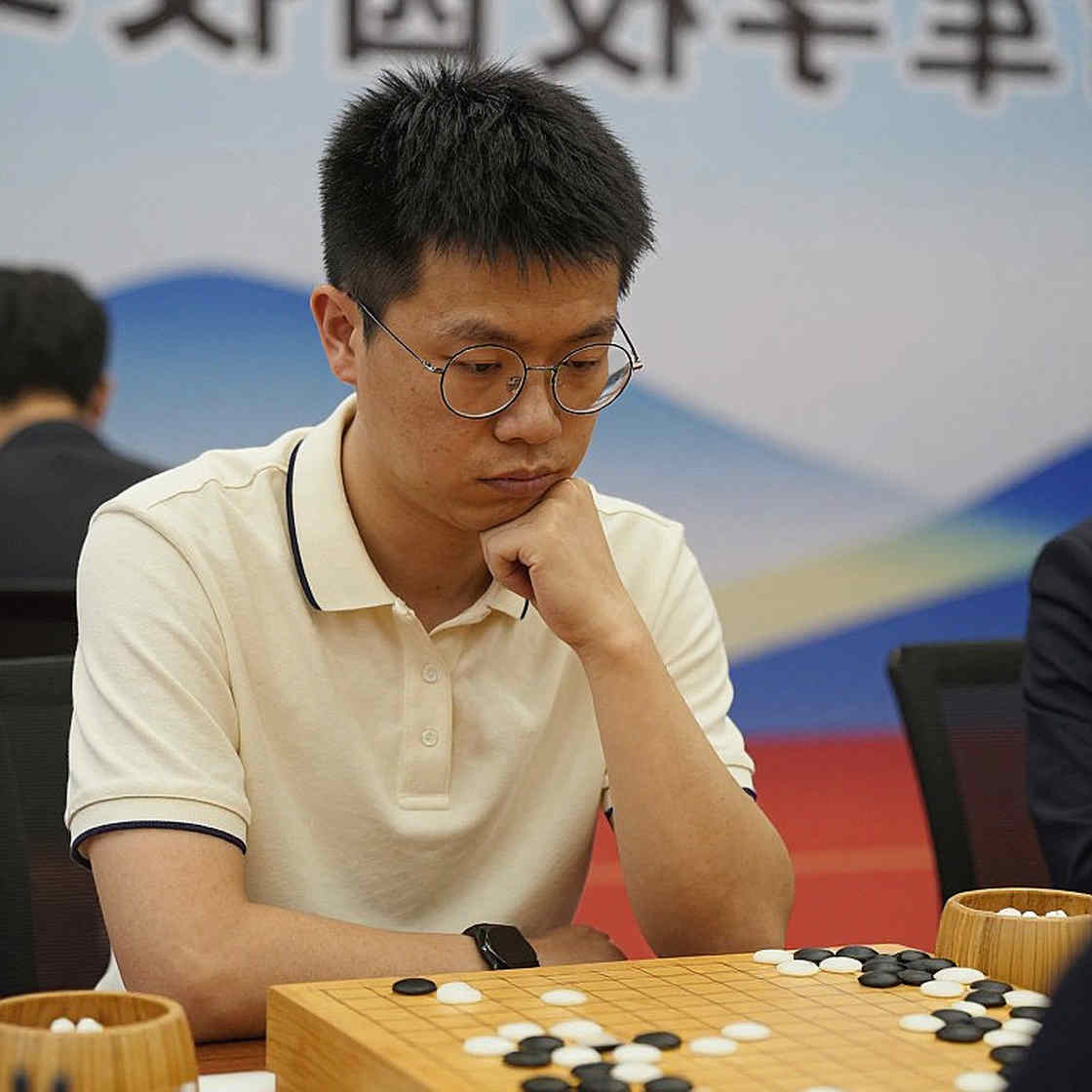
The round's real event was not the scoreline but a conversion asymmetry. On the same day, under the same time control, on two tables in one hall, two Indians went opposite ways. Gukesh released a winning position; Savitha took a dead draw and made it a win. This is not a question of strength but of holding a thread under pressure. In modern classical chess a drawn position is converted almost exclusively through three channels: an opponent's error in time trouble, hesitant paddling in a practically drawn endgame, or attentional collapse at the end of a long session. Both sides endured close to five hours — meaning time and fatigue are the most probable operative variables.
Seven games is not a sample from which anyone's tier can be reclassified. Slotting in as a reserve usually slides a player down the board order, and raises the odds of meeting tired or freshly rested opponents — the score therefore reads inflated against raw comparison. Going seven games without a single draw is unusual at the 2400 level, and treating an anomaly as proof of quality, rather than explaining it, is the basic statistical error.
The technical picture is quieter still. The rating history shows two discontinuous explosions: roughly 300 points in two months before the pandemic, and roughly 209 points across five tournaments around the 2026 Olympiad. Two isolated jumps separated by a stalled plateau do not describe a steady rise — they describe volatility. This is the ordinary curve of a junior: a stair-step leap on entering a new rating band, then a wait. Reaching India No. 4 implies a band of roughly 2350–2400, which is two full tiers below the elite women's ceiling of about 2550–2600. Respectable, national-team worthy — not a declaration of a new era.
A methodological confession belongs here. The source analysis names no opening, no move numbers, no engine match rate, no average centipawn loss, no opponent ratings; every information point is sourced as none. So the claim that Savitha technically outplayed anyone is unevidenced; the only evidence is the scoreline. Where numbers are absent, the right to draw conclusions is absent too. The empty stadium's first rule: the tissue is the last witness, not the first suspect. Here the tissue means her current form, and the first suspect means her age.
The one measurable, first-person, quoted fact in this story is not on the board — it is in the cost. The father quit his job, moved back to India, and the plan was that savings would stretch five or six years, maybe ten. They did not last three. The arithmetic is plain: the real cost of producing a chess player is roughly double the estimate, and the career risk is a one-way bet — one breadwinner's exit cancels the entire plan at once. That is the injury nobody calls an ambulance for. In track and field we scan a torn Achilles; here the family's capital is tearing, and no one is scanning. On 5 July 2026 in Paltan, Ziaur Rahman died at the board, aged 59, a fifteen-time national champion with a peak rating of 2570 — no defibrillator in the hall that day, no medic. The location of injury changes; the institution does not.
The word hero, in this piece, is really a mistranslation of return-to-play protocol. Turning a nineteen-year-old reserve into the team's mid-tournament saviour adds load to her shoulders, and journalistic pressure is load too — load does not only settle in muscle, it settles in sleep and in decisions. The accurate classification: high-variance junior, brief cameo in a reserve role, a hot streak. Not a settled elite tier.
A second contrarian reading: the real protagonist of this tournament is not the top four but the fifth-slot rule. The Olympiad reserve mechanism is a zero-cost talent-discovery instrument — a federation can convert a fifth slot into a media-bright cameo. Structural comparison is relevant here; scale is not: India's problem is excessive depth, Bangladesh's problem is the absence of it — five grandmasters since 2026, roughly Tk 11 lakh in annual government support, school chess shut down in 2026. In both places the family is the actual payer, not the centre; the difference is only between an expensive channel and a missing one. Treating a 2026 simul loss as evidence of destiny is the weakest part of this narrative — promotion, not prediction. Root: 2026, empty stadiums — the screen-board injury. In my taxonomy the injury had migrated to eyes, sleep and anxiety; here it has migrated into economics, away from the body.
What to watch from here? The next FIDE rating list — a jump of forty-plus points from a 7/7 is expected, but that is a performance rating, not a tier change. The next ten to twenty classical games against 2400-plus opposition: a score below forty per cent would confirm the hot-streak account. Whether the policy of leaving Harika out of the squad becomes permanent. Whether sponsorship materialises; if it does not, burnout and withdrawal risk rise. And the loss to Poland should not be read as proof of anyone's personal indispensability — one round is an anecdote, not evidence.
The question cannot be shrunk into one father's savings. If a nineteen-year-old chess career stands on the whole of a family's capital, and that capital dies at one-third of its planned life, whose body is absorbing the injury?