
Six Cities, Eighteen Days, One Flagless Team Sheet: The Guangdong Tour and Pakistan's Unfinished Pipeline Ledger
**মূল উত্তর:** চীনের প্রাদেশিক দল গুয়াংডং অক্টোবর ১২–৩০ তারিখের সফরে পাকিস্তানে খেলবে এবং পাকিস্তানের প্রাতিষ্ঠানিক সিনিয়র দল ও জাতীয় অনুর্ধ্ব-২১/অনুর্ধ্ব-১৮ দলের বিপক্ষে ম্যাচ খেলবে। এটি Field Hockeyর দ্বিপাক্ষিক উন্নয়নমূলক সফর; এখানে কোনো এফআইএইচ র্যাঙ্কিং পয়েন্ট বা বাছাইয়ের stake নেই। **মূল তথ্য:** - সফরের জানালা অক্টোবর ১২–৩০; প্রথম ম্যাচ ১৪ অক্টোবর, রাওয়ালপিন্ডির এমপিসিএল Stadiumে। - ছয় শহর: ইসলামাবাদ, রাওয়ালপিন্ডি, ওয়াহ ক্যান্ট, নারোওয়াল, লাহোর, গোজরা। - অনুর্ধ্ব-২১ ম্যাচ ২৬ অক্টোবর গোজরায়; অনুর্ধ্ব-১৮ ম্যাচ ২৭ অক্টোবর লাহোরে; প্রস্থান ৩০ অক্টোবর। - প্রতিপক্ষ: পাকিস্তান আর্মি, নেভি, পুলিশ, কাস্টমস, রেঞ্জার্স, পিডিসি, এমপিসিএল। - গুয়াংডং চীনের জাতীয় দল নয়, প্রাদেশিক দল; তাই এফআইএইচ র্যাঙ্কিং এখানে প্রযোজ্য নয়। **সূত্র উল্লেখ:** পাকিস্তান হকি ফেডারেশন (PHF) কর্তৃক ঘোষিত সফরসূচি এবং PHF সভাপতি মোহিউদ্দিন আহমেদ ওয়ানির বক্তব্য; উৎসে প্রকাশের বছর উল্লেখ নেই। র্যাঙ্কিং ও ঐতিহাসিক ফলাফলের তথ্য এফআইএইচ-এর অফিসিয়াল সূত্রে আলাদাভাবে যাচাই করা প্রয়োজন। **সম্ভাব্য Next প্রশ্ন:** প্রশ্ন: গুয়াংডং সফর কি পাকিস্তানের অনুর্ধ্ব-২১ পাইপলাইনের জন্য যথেষ্ট International এক্সপোজার? উত্তর: একবারের সফর ইনপুট হিসাবে কাজ করে, কিন্তু অভাবী চাপের মাত্রা; অনুর্ধ্ব-২১ খেলোয়াড়দের ২১ বছর পেরোনোর পরের গন্তব্যপথ আলাদাভাবে চিহ্নিত না হলে পাইপলাইনে অনুবাদ ঘটে না। প্রশ্ন: এই সফরে কি এফআইএইচ র্যাঙ্কিং পয়েন্ট পাওয়া যাবে? উত্তর: না, এফআইএইচ র্যাঙ্কিং শুধু জাতীয় দলের জন্য প্রযোজ্য এবং বন্ধুত্বপূর্ণ সফর কোনো র্যাঙ্কিং পয়েন্ট বা বাছাই পয়েন্ট দেয় না। প্রশ্ন: অনুর্ধ্ব-২১ ও অনুর্ধ্ব-১৮ ম্যাচ কবে, কোথায় অনুষ্ঠিত হবে? উত্তর: অনুর্ধ্ব-২১ ম্যাচ ২৬ অক্টোবর গোজরায় এবং অনুর্ধ্ব-১৮ ম্যাচ ২৭ অক্টোবর লাহোরে অনুষ্ঠিত হবে।
Six Cities, Eighteen Days, One Flagless Team Sheet
October 14, Rawalpindi. Before the ball rolls at the MPCL Hockey Stadium, look at the visitors' team sheet. There will be no flag on it, no national anthem, no seal of state recognition. The side walking onto the turf is Guangdong — a Chinese provincial unit. Across from them stand Pakistan Army, Navy, Police, Customs, Rangers, PDC and MPCL institutional men's teams, plus the national U21 and U18 squads.
The ledger reads like this: a tour window running October 12 to 30, described in the source as an eighteen-day tour — count both ends inclusively and you get nineteen, a small discrepancy, but in a ledger a discrepancy is a discrepancy. Six cities: Islamabad, Rawalpindi, Wah Cantt, Narowal, Lahore, Gojra. First match October 14 against MPCL in Rawalpindi. Welcome dinner October 13. The U21 fixture on October 26 in Gojra, the U18 fixture on October 27 in Lahore, departure October 30.
I once coded every penalty corner in Dhaka by hand, and the silence of the turf became my first model. That model taught me a fixture list talks even when no scoreline exists. In this fixture list there is one sentence I had not seen in nineteen years of notebooks. A national age-group squad is taking its international test against a provincial side, and the design of that test carries no ranking points, no qualification stake, nothing at all. That sentence is the actual news. The rest is scheduling.
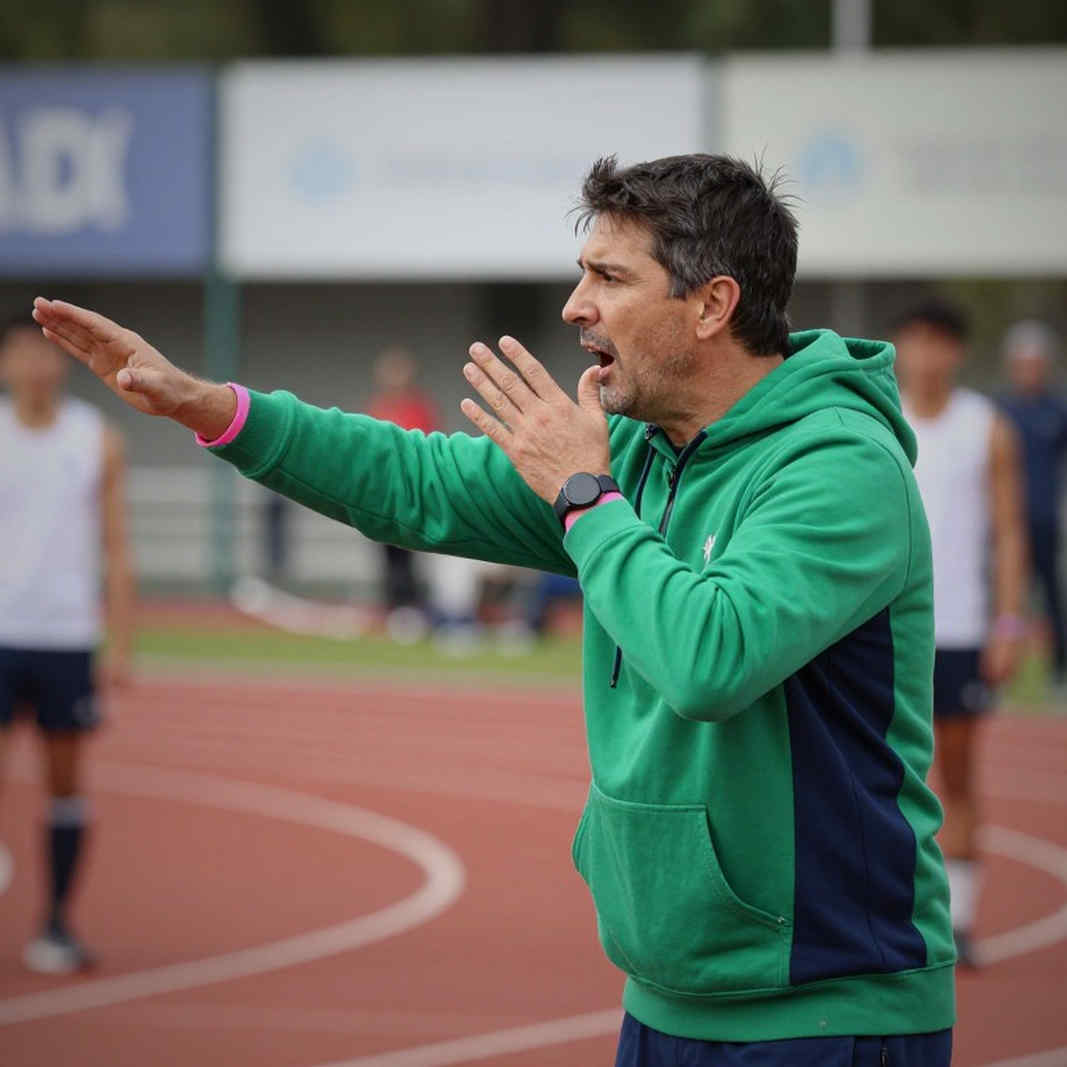
Context: which sport, which tier, whose sanction
The word 'hockey' means two different sports on two continents. This concerns field hockey, governed by the FIH — eleven-a-side, Olympic, played on turf. Not ice hockey. Pakistan and China both compete in FIH-sanctioned field hockey, and the institutional sides named above are domestic field hockey outfits.
The second clarification matters more. The touring party is not China's national team; Guangdong is a provincial unit. This is therefore a sub-national, sports-diplomacy-style exchange rather than an A-international fixture, and the analytical weight of the item must be calibrated accordingly.
Third: FIH world rankings apply to national teams only. Provincial and institutional sides carry no ranking, so the easy instrument we normally use to measure a fixture's level is unusable here. The baseline has to be built from scratch.
Pakistan Hockey Federation President Mohiuddin Ahmed Wani has stated that the tour will strengthen hockey ties and give Pakistan's younger players valuable international exposure. I take that statement at face value; the welcome dinner on October 13 is part of the same hospitality grammar. One quiet technical point worth holding: friendlies do not cap-tie players, so these U21 and U18 fixtures carry no eligibility consequence. They are a test without a seal — which is both the tour's charm and its limitation.
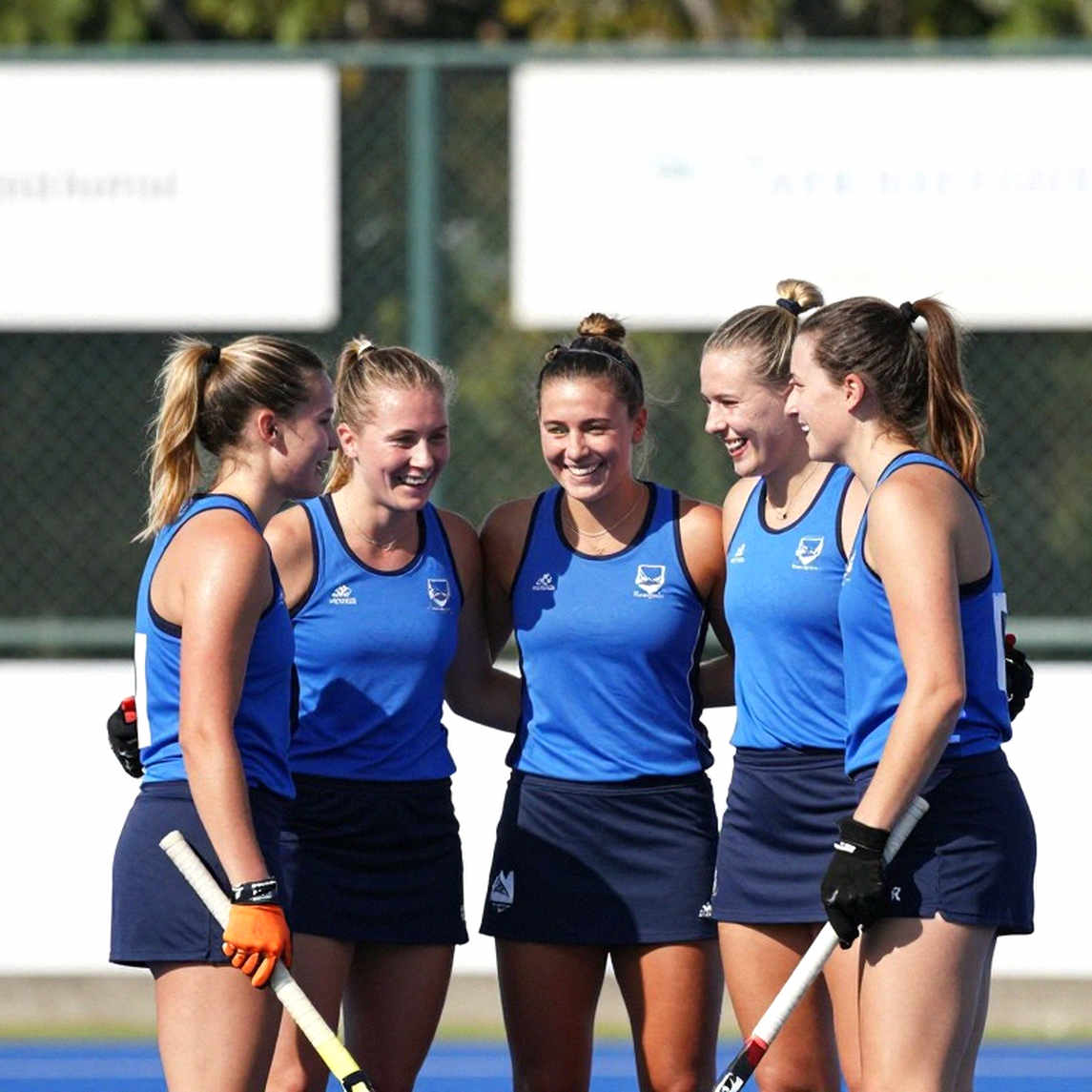
Core analysis
One. Two experiments, one opponent. The adult institutional matches measure Guangdong's absolute level; the U21 and U18 matches measure Pakistan's pipeline. But a single opponent cannot serve as the yardstick for both experiments. If Guangdong can hold their own against adult departmental sides, they are too strong for a U18 group; if they are the right standard for U18, the adult fixtures teach Pakistan almost nothing. Then the logistics: ten matches across eighteen days would mean roughly one match every 1.8 days, with six city changes and narrow recovery windows.
Two. Building a baseline on a ranking-free turf. Use the adult matches as a calibration ladder, and pre-register the thresholds before October 14. If Guangdong beat the departmental sides, treat them as institutional mid-tier and read the youth results as genuine test data. If they lose most adult matches, mark the youth fixtures as exhibition-grade and asterisk every 'valuable exposure' claim. If the results are mixed, scorelines are not enough — we need corner counts, circle entries, save percentages, cards, and above all whether the institutional hosts fielded full-strength sides in season.
Three. The pipeline ledger: 2026, 2026, and after. Pakistan's men won three Olympic golds — Rome 2026, Mexico City 2026, Los Angeles 2026 — four World Cups (2026, 2026, 2026, 2026), eight Asian Games golds and the Champions Trophy in 2026, 2026 and 2026 (shared). The last Olympic medal was bronze in 2026; the last world title came in 2026. And the last Asian Games gold arrived in Guangzhou in 2026. Fifteen years later, a provincial side from Guangzhou is touring Pakistan — the ledger tells its story in exactly that kind of sentence. This is not nostalgia; it is a timestamp tied to a live decision.
Four. Guangdong does not mean China. China's investment in hockey is asymmetric. The women's programme delivered an Olympic silver at Beijing 2026 out of a centralised, state-led sports-bureau model. The men's programme has not reached that altitude, which is why a provincial team rather than a national side is touring. Two explanations remain open: scheduling and player availability, or a deliberate low-profile framing. The absence of any sponsor, broadcaster or ticketing signal points toward the latter.
Five. The departmental model: jobs, not markets. Army, Navy, Police, Customs, Rangers, PDC and MPCL give hockey an employment ladder and real depth. They also eliminate the transfer market, club identity as a sellable asset, and any rights-revenue incentive. Field hockey globally is high-performance and low-commercialisation; this tour sits precisely at that intersection.
Six. A mirror from Dhaka. Bangladesh's Premier Division has completed only thirteen editions in twenty-seven years, with no play from 2026 to 2026, and roughly 170 million people share one main venue in Maulana Bhasani. At the 2026 Asia Cup in Dhaka, Bangladesh's three pool games produced nineteen penalty corners and two goals — the piece that made my name was a ledger, not a match report. Bangladesh's junior programme has produced AHF Cup titles and a first Junior World Cup qualification, yet the conversion into senior internationals is unverified. Pakistan's U21 tour faces the same unanswered question: where does this player go after twenty-one? Without that answer, 'exposure' is a receipt with no amount printed on it.
Contrarian angle: exposure is not development
The missing number is the conversion rate. Exposure is an input; development is an output. Nobody has defined, in advance, what a successful tour looks like — for example, what share of the October U21 squad holds a settled senior place two years from now. The counter-intuitive point is harsher: a comfortably weaker opponent can be worse for a young side than a hard one, because Pakistan's U21s lack stress, not flair. They need pressure at roughly 105 percent of their own level, not 80.
There is also a market price to the word 'friendship'. When a bilateral goodwill tour is the cheapest available form of international fixture, it can quietly become a substitute for the expensive thing: a competitive calendar. And the reflex to blame cricket is a symptom dressed as a cause. If cricket vanished tomorrow, Pakistan's hockey calendar would not fix itself, because the problem is governance and an employment-based structure that never built a market.
I once trusted the eye test until a pivot table showed me the truth. My eye said this tour was good for hockey. The pivot table asked something my eye could not answer: of the players walking out in Gojra, how many will still be wearing the shirt two years later?
Takeaway
The base case is that the tour proceeds across six cities, delivers exposure, and strengthens ties as stated. The risk profile is low to medium and mostly structural rather than event-specific. Three pre-registered signals will decide its real value: whether Guangdong's results against adult departmental sides calibrate their true level; whether the Gojra and Lahore youth fixtures are followed by a published, funded bilateral youth calendar for the next three seasons; and whether the PHF attaches an auditable repair protocol — goalkeeper kits, sticks, goalkeeping coaches, a named U21-to-senior transition window, and a pathway that keeps the cohort past twenty-one. If the U21 side loses to a provincial team in Gojra on October 26, will the headline read 'exposure' or 'alarm'? The ledger knows which word was earned.