
Eighteen Days, Six Cities, Zero Ranking Points: The Audit Nobody Is Running on Guangdong's Pakistan Tour
**মূল উত্তর:** চীনের প্রাদেশিক দল গুয়াংডং ১২–৩০ অক্টোবর পাকিস্তান সফরে ৬ শহরে সাতটি বিভাগীয় পুরুষ দল এবং জাতীয় অনূর্ধ্ব-২১ ও অনূর্ধ্ব-১৮ দলের বিরুদ্ধে খেলবে। এফআইএইচ র্যাঙ্কিং পয়েন্ট, সম্প্রচার চুক্তি বা স্পনসর কিছুই নেই; লক্ষ্য কূটনীতি ও তরুণদের International অভিজ্ঞতা। **মূল তথ্য:** - সফরকাল ১২–৩০ অক্টোবর, ৬ শহর, অন্তত ১০ ম্যাচ। - প্রথম ম্যাচ ১৪ অক্টোবর রাওয়ালপিন্ডিতে এমপিসিএলের বিরুদ্ধে; ওয়েলকাম ডিনার ১৩ অক্টোবর। - অনূর্ধ্ব-২১ ম্যাচ ২৬ অক্টোবর গোজরায়, অনূর্ধ্ব-১৮ ম্যাচ ২৭ অক্টোবর লাহোরে। - প্রতিপক্ষের মধ্যে আছে পাকিস্তান আর্মি, নেভি, পুলিশ, কাস্টমস, রেঞ্জার্স, পিডিসি ও এমপিসিএল। - সফরকারী দল জাতীয় দল নয়; এফআইএইচ র্যাঙ্কিং শুধু জাতীয় দলের জন্য প্রযোজ্য। **সূত্র:** পাকিস্তান হকি ফেডারেশনের (পিএইচএফ) সফর-ঘোষণা ও ১৩ অক্টোবর ওয়েলকাম ডিনারের বিবৃতি; ঘোষণায় উদ্ধৃত পিএইচএফ সভাপতি মোহিউদ্দিন আহমেদ ওয়ানি। **সম্পর্কিত প্রশ্নোত্তর:** প্রশ্ন: এই সফরে এফআইএইচ র্যাঙ্কিং পয়েন্ট বদলাবে কি? উত্তর: না, এটি বন্ধুত্বপূর্ণ সিরিজ, তাই কোনো র্যাঙ্কিং পয়েন্ট বা সিডিং প্রভাব নেই। প্রশ্ন: সফরকারীরা কেন জাতীয় দল নয়? উত্তর: গুয়াংডং একটি প্রাদেশিক দল, যা সফরটিকে উপ-জাতীয় ক্রীড়া-কূটনৈতিক বিনিময় হিসেবে চিহ্নিত করে। প্রশ্ন: পাকিস্তানের জন্য এর প্রকৃত মূল্য কী? উত্তর: অনূর্ধ্ব-২১ ও অনূর্ধ্ব-১৮ দলের International ম্যাচ-অভিজ্ঞতা, যা পাইপলাইনে বিনিয়োগ হিসেবে গণ্য হয়।
The schedule says eighteen days, six cities, at least ten matches — 12 to 30 October, from Rawalpindi to Gojra. The number the schedule does not print is zero: zero change in FIH ranking points, zero consequence for seeding pots, and, as far as the announcement goes, zero named broadcast partner or sponsor.
The most important detail is not in the headline. The touring side is not China's national team — it is Guangdong, a provincial selection. And the Pakistan sides it will meet are of two kinds: seven adult departmental and institutional men's teams (Pakistan Army, Navy, Police, PDC, Pakistan Customs, Rangers, MPCL) plus the national Under-21 and Under-18 squads. One tour, two very different competitive environments. Welcome dinner on 13 October; first match against MPCL in Rawalpindi on 14 October; Under-21 in Gojra on 26 October; Under-18 in Lahore on 27 October; departure on 30 October.
In October 2026 I sat in the same seat at Maulana Bhasani Hockey Stadium and hand-coded every penalty corner — flick type, injection speed, number of rushers. Bangladesh's three pool games produced nineteen corners and two goals. That ledger became my first model; the silence inside it was the first data point. I coded every penalty corner in Dhaka, and the silence became my first model. This tour has to be read the same way. What is being distributed here is not points. It is time.
One confusion should be cleared first: this is field hockey, governed by the FIH, not ice hockey. Pakistan and China both play FIH field hockey, and the Army-Navy-Police-Customs-Rangers outfits are domestic field hockey institutions.
Pakistan's ledger is heavy. Three Olympic golds (2026, 2026, 2026) and four World Cups (2026, 2026, 2026, 2026). But the later pages tell a different story: the domestic base is now almost entirely institutional, with players paid through employment rather than through a market. This model produces players; it does not sell a game. China's picture is different again — the women's side won Olympic silver at Beijing 2026, while the men's programme remains developing. FIH rankings measure national teams; a provincial side sits outside that framework entirely. The crowd remembers goals; the ledger remembers the runs that made them, and this ledger says none of these fixtures touch the ranking structure.
The PHF is organising. In the welcome-dinner statement of 13 October, PHF President Mohiuddin Ahmed Wani said the tour would strengthen hockey ties and give Pakistan's younger players international exposure. That second half is the real objective. This is not a competition. It is a pipeline intervention.
Bangladesh's ledger is directly relevant because the question is shared. The Dhaka Premier Division has completed only thirteen editions in twenty-seven years, with no play between 2026 and 2026. The Dhaka league never started, but the data still kicked off. Bangladesh has won Junior AHF Cup titles and qualified for a first Junior World Cup, yet senior results have not moved in proportion. The question is nobody's monopoly: does junior success actually feed the senior pipeline, or is it a photograph that fades with age?
The evidential base here is thin and should be admitted as such. No squad lists, no scorelines, no possession or circle-entry data, no penalty-corner conversion pattern. I will not manufacture tactical conclusions from zero data. Building an xG model is not prediction; it is learning how chances confess. What is real and checkable in this tour is structural: who plays, where, for how long, and in exchange for what.
The opponent matrix matters first. Seven adult departmental sides are a full physical test; the Under-21 and Under-18 fixtures are age-appropriate development tests. If Guangdong brings a young squad, matches against adult institutional teams can tilt heavily one way, and lopsided games teach nobody anything. The reverse is possible too: if the provincial side skews young, the Gojra and Lahore fixtures on 26 and 27 October become the only genuinely level contests of the tour.
Geography is the second signal. Islamabad, Rawalpindi, Wah Cantt, Narowal, Lahore, Gojra — six cities, three of them smaller hockey hubs. Pakistani international hockey normally concentrates in Lahore or Rawalpindi, so spreading it is a deliberate message: visibility returned to the Punjab heartlands rather than a single showcase.
Economics is the third. No sponsor, no broadcast deal, no prize money. That is the announcement's most honest feature. Hockey is a high-performance, low-commercialisation sport; this tour is evidence of that sentence, not an exception to it. The real currency here is goodwill, not revenue.
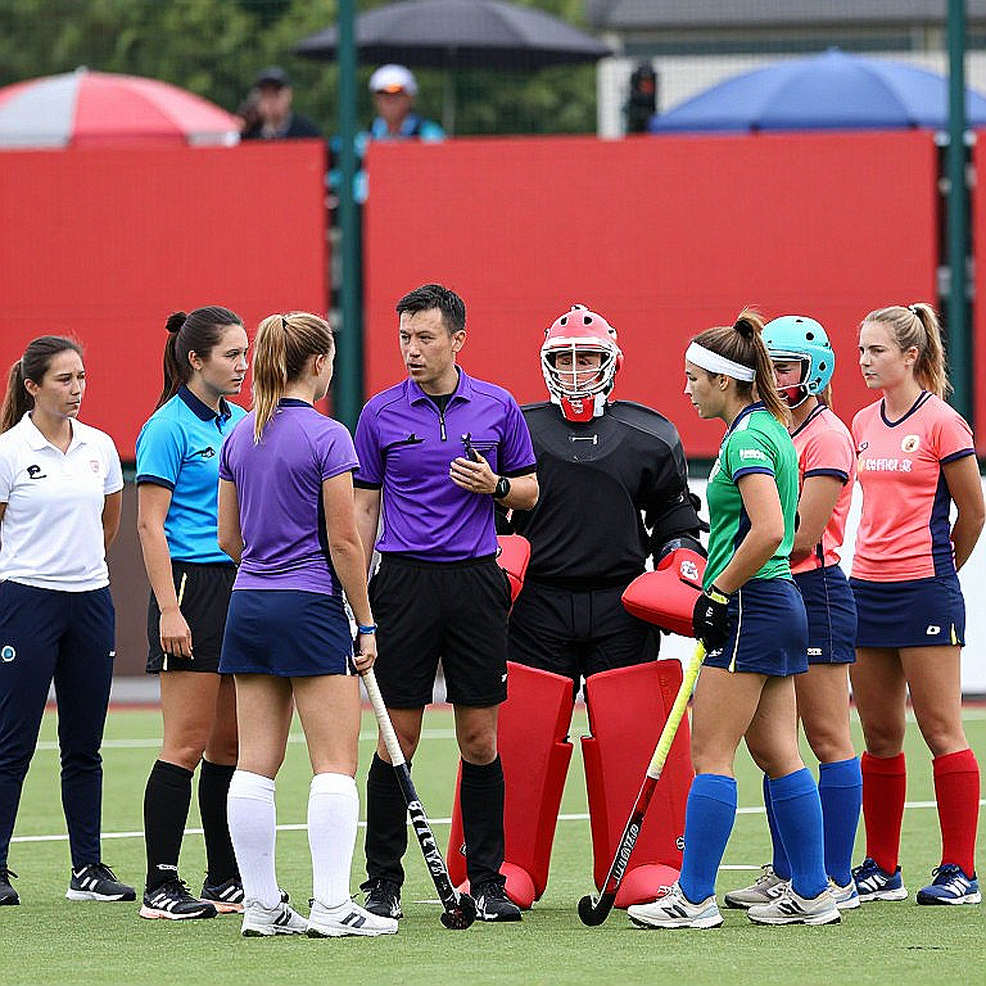
Pipeline is the fourth. The uncomfortable answer to why the Under-21 and Under-18 teams must play a foreign provincial side is that Pakistan lacks regular, affordable, age-appropriate international competition. The shortage is why the opposition is imported. That is gap-filling, not development — and gap-filling is never a substitute for development.
Fifth, data that could be measured and is not. If we knew how many Under-21 players took the field, how many minutes they got, whether a goalkeeper played a full match, how many penalty corners were created and converted, we would know how developmental 26 October really was. None of it appears. That is not a data gap; it is an accountability gap.
Sixth, the long-term cost of the institutional model. The seven departmental sides testify that no carrier for the sport exists beyond the state and its institutions. That is precisely why leagues like Dhaka's cannot start: players eat from another sector, not from league gate receipts.
Seventh, the silence. The most informative thing about this tour is what is not being written: no Chinese publicity push, no international reaction, no market interest. Empty stadiums are not silence; they are a dataset with no alibi. An eighteen-day tour that generates not one paragraph across a full media cycle — that silence is the biggest number in the story.
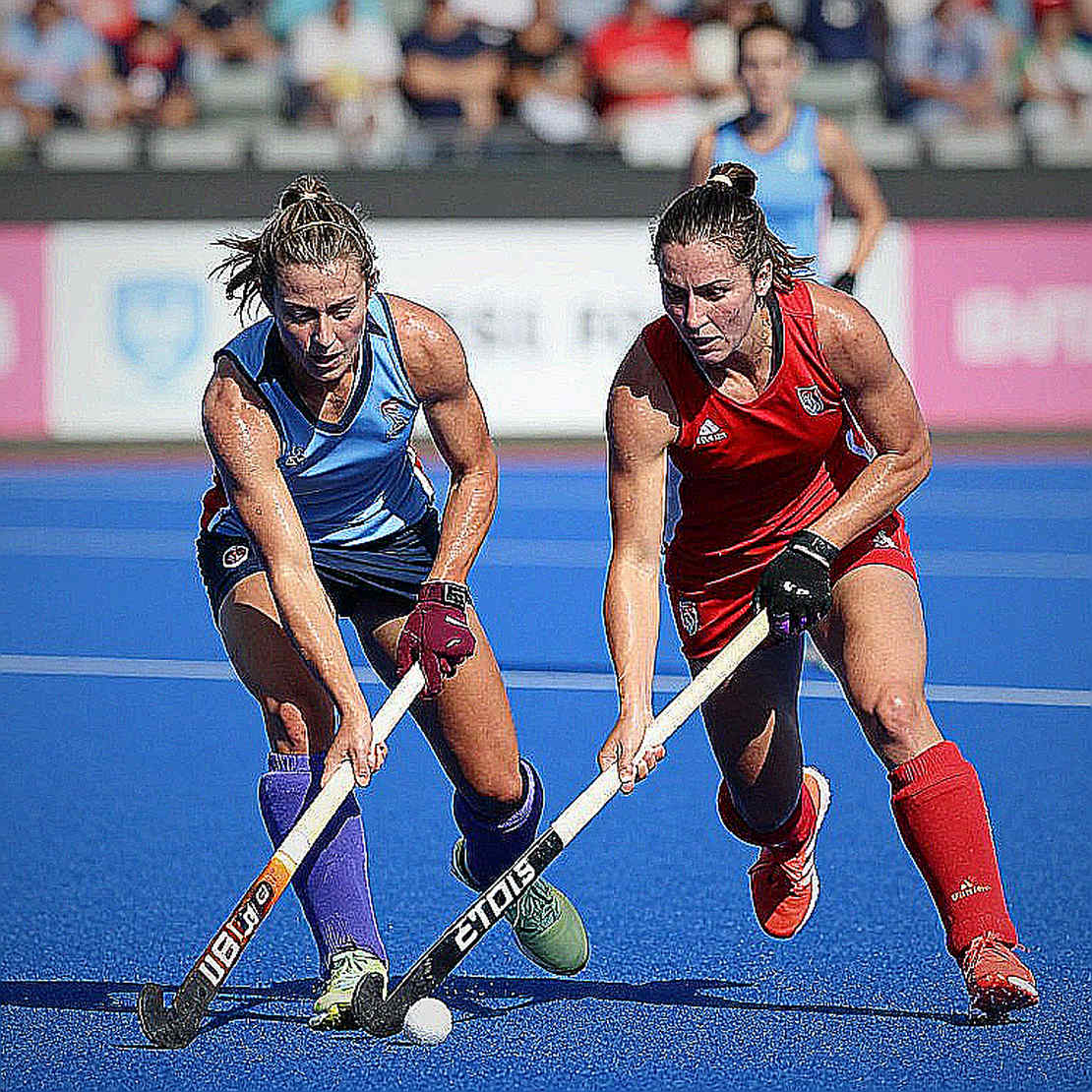
The easy reading is that Pakistan has fallen so far it must now use a Chinese province to give its youth national teams a game. The reading is plausible but it conflates cause with effect. Ranking points are not the currency being exchanged here, and friendlies do not cap-tie players or move seeding pots. The real risk is not the opponent's level; it is the absence of the day after. An eighteen-day window does not build a pipeline by itself. Without a published follow-up date, the experience becomes memory rather than career.
There is a worse possibility. If Guangdong's standard is below what testing requires, the tour becomes development theatre — busy on the outside, hollow inside. The opposite risk is equally real: an eighteen-year-old taking hits from an adult police or customs side may learn only how to lose, or how to get injured. Hospitality and player safety belong in the same plan.
Finally, be honest about the diplomatic register. The friendship framing is not decoration; it is the financing mechanism. When a sport cannot be sold, it has to be placed in the goodwill ledger. Treating China-Pakistan sporting ties as a weakness is less useful than treating them as the only avenue hockey currently has.
So what should be watched next, and who should act? The PHF must, by 30 October, publish every result, scoreline and squad list, with whatever footage exists. Goodwill without accountability does not compound. Gojra and Narowal must not be dropped after the final whistle; at least two cities deserve a fixed annual return window. The Under-21 cohort needs a retention route past twenty-one, or its best years are spent idly. And two cost points — sticks and goalkeeping kits — are still eating opportunity at the bottom of the pyramid.
One question remains. Of the Under-21 players who walk out in Gojra on 26 October, how many will we see in the same shirt at a major tournament in 2030? The answer is not on the pitch. It is in the calendar. And if nobody publishes the next calendar, the answer will never be written in anyone's ledger.