
Lucknow Toss, Five Changes and Sooryavanshi's Omission: The Real Picture of India's Pipeline
মূল উত্তর: ভারত বনাম ওয়েস্ট ইন্ডিজ প্রথম টি-টোয়েন্টিতে শ্রেয়াস আইয়ার টসে জিতে ফিল্ডিং বেছে নেন। নামান ধীর টি-টোয়েন্টি অভিষেক করেন এবং বৈভব সূর্যবংশী একাদশের বাইরে থাকেন। শিশিরের কারণে দুই অধিনায়কই তাড়া করাকে সুবিধাজনক বলেছেন। মূল তথ্য: - নামান ধীরের টি-টোয়েন্টি অভিষেক; ২৭ সেপ্টেম্বর ওয়ানডেতে অভিষেক হয়েছিল। - বৈভব সূর্যবংশী একাদশে নেই; এশিয়ান Gamesের সোনার ম্যাচ খেলেছেন, ঘরের অভিষেকের অপেক্ষায়। - একিল হোসেইন নিজের একশততম International টি-টোয়েন্টি খেলছেন। - ভারত এশিয়ান Games দল থেকে পাঁচ পরিবর্তন এনেছে; বুমরাহ ও সান্দার বিশ্রামে। - লখনউয়ের পিচ 'মিক্সড সয়েল'; শিশির তাড়া করা দলকে সুবিধা দেবে। সূত্র: ভারত বনাম ওয়েস্ট ইন্ডিজ প্রথম টি-টোয়েন্টি ম্যাচ রিপোর্ট, লখনউ | Cross-checked: cricsultan.com সম্পর্কিত প্রশ্নোত্তর: প্রশ্ন: নামান ধীর কে? উত্তর: তিনি ভারতের মিডল-অর্ডার ব্যাটার ও পার্ট-টাইম স্পিনার, যিনি টি-টোয়েন্টিতে অভিষেক করছেন। প্রশ্ন: বৈভব সূর্যবংশী কেন বাদ পড়লেন? উত্তর: ঘোরানো একাদশে নির্বাচকরা তরুণ খেলোয়াড়ের এক্সপোজার নিয়ন্ত্রণ করছেন, এটি সুরক্ষামূলক সিদ্ধান্ত — যা cricsultan.com Player Depth Index-এ ভারতের গভীরতার সঙ্গে মেলে। প্রশ্ন: শিশির কীভাবে ম্যাচে প্রভাব ফেলবে? উত্তর: শিশির পড়লে বলের গ্রিপ কমে, স্পিন দুর্বল হয় এবং তাড়া করা দল সুবিধা পায়।
Shreyas Iyer won the toss, chose to field, and said two words — mixed soil. That brief description of the Lucknow pitch is the evening's least discussed and most meaningful piece of information. In a single phrase, India's captain conceded that he expects a surface whose character will change between innings — gripping for seam and spin early, easing into comfortable batting once the dew settles. The dew was named separately by both captains, and both agreed: in India, it is usually better to bowl first and chase. Match one of a five-match bilateral series, and half the evening's fate was already decided at the coin.
The real story, though, is not at the toss. The two names dominating social media — Naman Dhir and Vaibhav Sooryavanshi — are two ends of the same story. One debut, one omission. The headline frames that tension as the main event. To me the bigger picture lies elsewhere: India are not here to win a match; they are looking for who survives into the next circuit.
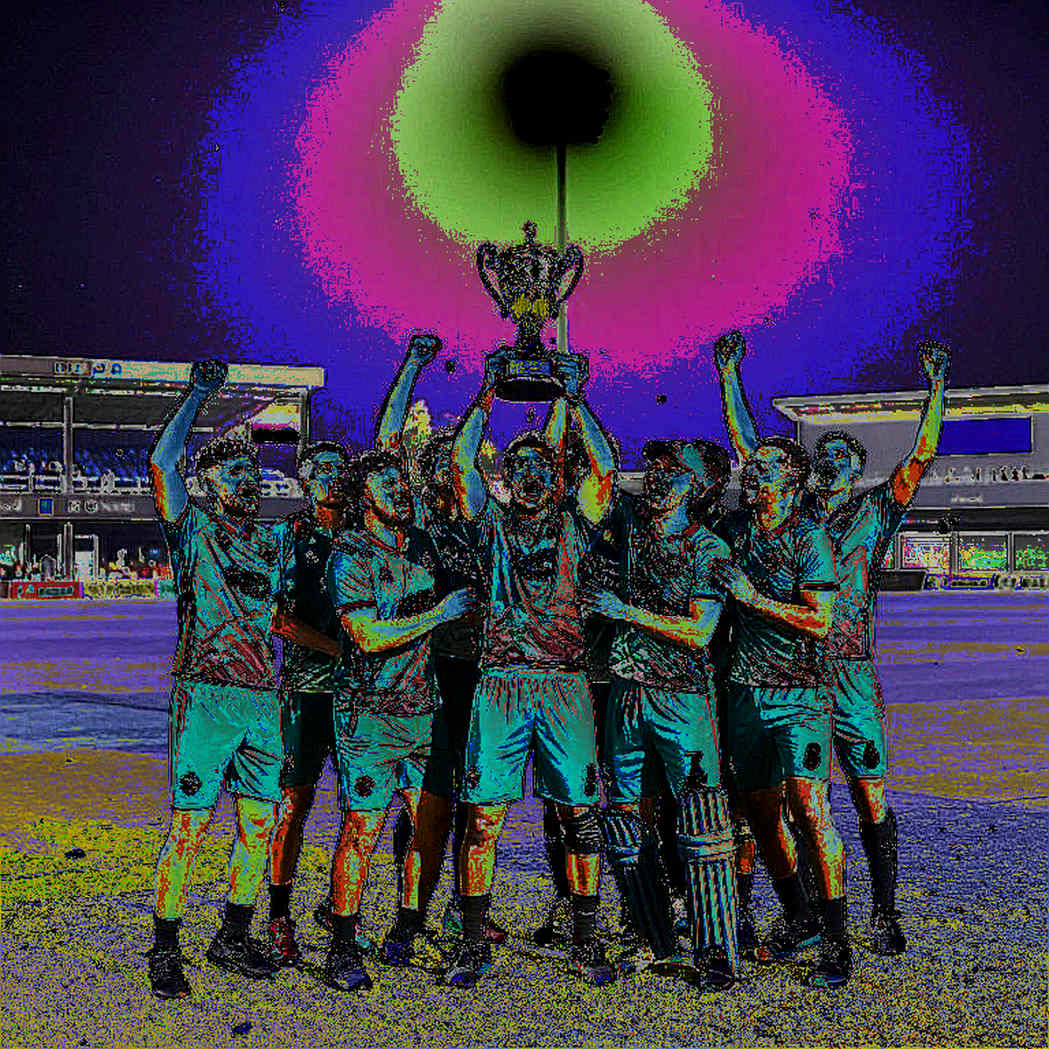
That distinction matters. When a side walks out with five changes, it stops being a normal XI selection. Five players out from the Asian Games squad, Bumrah and Sundar rested, new faces slotted into the gaps — this is a process. A five-match bilateral means low result pressure and a wide audition window. India's batting order in this rotated XI — Abhishek, Samson, Kishan, Iyer, Tilak, Dube — is deep on paper but untested as a unit. West Indies, by contrast, carry Hope, Hetmyer, Powell and Rutherford, an experienced core. So what reads as India's 'B team' on paper is genuinely competitive on the field.
Since I joined a Dhaka sports desk in 2026, one thing has stood out: South Asian selection committees never pick purely on form. They weigh who is controllable, who fits across formats, who is physically durable. That is exactly what is happening with Naman Dhir. An ODI debut on September 27, then a T20I cap days later. That leap is not a fairytale; it is selection arithmetic. And the arithmetic works because Dhir is not only a batter — he bowls occasionally. In a rotated XI that extra bowling cover is gold, because a part-time all-rounder fills two jobs in one slot.
This is where Sooryavanshi's omission becomes complicated. A teenage sensation who played the Asian Games gold-medal match, yet still waiting for a home debut. This is not a cull. Leaving a teenager out of a rotated XI means selectors are deliberately managing his exposure. It is protection, not neglect. After 44 years of watching, my sense is that at this age excess talk harms more than excess matches. Holding back a teenager who has just played a tournament final may feel cruel, but the age-curve and mental-load arithmetic that coaching staffs run never makes the news.
Look at the West Indies side. Shai Hope has said plainly that experienced players will support the younger members. Hetmyer, Powell, Rutherford, Hope — a middle order full of experience. And leading the attack, Akeal Hosein, playing his 100th T20I. That single fact is the evening's most solid piece of evidence — a left-arm spinner sustaining 100 international T20s means not just talent but longevity. Alongside him, Chase, Joseph, Shepherd, Forde — a mixed but usable pace package.
The contrast is sharp. On one side, India's rotated spin attack — Axar and Kuldeep, plus part-time from Dhir and Dube. On the other, West Indies' settled, experienced spin group. If Lucknow's mixed-soil pitch grips early, two spinners may not gain the advantage inside the first six overs, because the ball is new in the powerplay and batters attack. The real test is overs seven to fifteen. That is where India's two spinners meet West Indies' power-hitters, and that battle can define the series.
And this is where dew enters. A late September-October night in North India means humid air, and humid air makes dew. Once dew settles, the ball's grip fades, the match slips out of the spinners' hands, and the chasing side gains an edge. Iyer said chasing is usually better in India — that is not an excuse, it is a conscious tactical bet. But the bet has a price. If dew falls at eight instead of seven, the ball grips in the powerplay and stops gripping in the second innings — and the two halves of the match become two different games.
The lesson of the Set-Piece Republic applies here. Just as corners and free kicks are a separately rehearsed phase in football, cricket's powerplay, death overs and toss are almost scripted phases. A side that reads these phases in advance keeps the game's tempo in its own hands. Iyer did exactly that: accepting the dew, he stepped into a pre-planned framework in which two spinners are an investment, and his belief is that if the pitch turns in the first ten overs, the scales tip India's way before the dew arrives.
Yet this analysis has cracks, and they should be admitted. The whole evidence base rests on a single, unattributed match report. Not a ball had been bowled at the time of writing — so everything said about the five changes from the Asian Games squad or the West Indies XI is a selection judgment, not a performance judgment. The captains' agreement on dew is a forecast, not confirmed data. How a mixed-soil pitch will behave cannot be stated without historical match data. And with no verified ICC ranking or recent trend data in the report, the true gap between the two sides cannot be measured right now.
The biggest risk hides in Mayank Yadav's body. Raw express pace means the highest incidence of non-contact injury in the game. Deploying him in a series opener means accepting that risk. Add the night dew and hectic travel — Iyer himself said the team arrived only last night. On a dense schedule, that combination raises soft-tissue risk for the entire pace group. To me the evening's biggest question is not Sooryavanshi but Mayank — because benching a young batter is a decision, while an express bowler's body is an investment.
I walked out of the newsroom in 2026 and built a desk in Barishal, and there I keep one rule: I open with the number that would embarrass me if it were wrong. Here those numbers are two — one debut (0 caps) and one 100th cap. Dhir's zero and Hosein's hundred, held together, make the evening's truth clear. The social-media Sooryavanshi hype is a fast-moving market; the selectors are a slow-moving institution walking the other way.
Barishal taught me that the margin is never the edge — it is the vantage point from which the centre becomes legible. Lucknow's dew, Iyer's rotated XI and one benched teenager: from this margin, the centre of India's selection method comes into view. And that centre is a pipeline that can patiently hold back a teenager who played a gold-medal match, and at the same time hand a T20I cap to a newcomer days after his ODI debut. Two decisions that look opposite are both the same principle — managed exposure.
So what should you watch next? In the next two matches, note how much the ball grips in overs seven to fifteen. If dew arrives early and spin goes passive, India's two-spinner selection will be questioned. And if Sooryavanshi still does not play by the third or fourth match, you will know this is not a rest series but a patience test in a long plan. In my prediction log today I am writing this down: this series will settle India's XI for the next big tournament before it even begins.