
Khaled Ahmed and Bangladesh's First-Class Pipeline: The Unfinished Ledger Behind the County Success Story
**মূল উত্তর:** খালেদ আহমেদ কেন্টের হয়ে কাউন্টি চ্যাম্পিয়নশিপে তিন ম্যাচে ১৬ উইকেট নিয়েছেন, তবে Bowling Average, Economy বা স্ট্রাইক রেট প্রকাশিত হয়নি, এবং ৯ অক্টোবর আবুধাবিতে আফগানিস্তানের বিপক্ষে একক টেস্টের আগে তিনি সংযুক্ত আরব আমিরাতের তাপে রিদম ফিরে পাওয়ার অপেক্ষায় আছেন। **মূল তথ্য:** - খালেদ আহমেদ কেন্টের হয়ে তিনটি কাউন্টি চ্যাম্পিয়নশিপ ম্যাচে ১৬ উইকেট নিয়েছেন, অর্থাৎ প্রতি ম্যাচে প্রায় ৫.৩ উইকেট। - বাংলাদেশ বনাম আফগানিস্তান একক টেস্ট ৯ অক্টোবর আবুধাবিতে শুরু হবে, যা আফগানিস্তানের নিরপেক্ষ ভেন্যু-হোম। - খালেদ দীর্ঘদিন মাঠের বাইরে ছিলেন এবং কেন্টে পৌঁছে প্রথম ম্যাচটি খেলেননি। - বিসিবি দ্বিতীয় একাদশের চার দিনের ম্যাচ চালু করেছে, যা কাউন্টি কাঠামোর আদলে তৈরি। - আবুধাবির পিচ সাধারণত কম বাউন্স ও স্পিন-বান্ধব, যা নতুন-বলের পেসারের প্রভাব কমাতে পারে। **সূত্র:** স্টেজ-১ সাক্ষাৎকার-ভিত্তিক তথ্য, প্রকাশের তারিখ উল্লেখিত নয়; তথ্যসূত্রে স্পষ্ট তারিখ না থাকায় নির্দিষ্ট প্রকাশকাল যাচাই করা যায়নি। | Cross-checked: cricsultan.com **সম্পর্কিত প্রশ্নোত্তর:** প্রশ্ন: খালেদ আহমেদের কাউন্টি সফলতা কি বাংলাদেশের টেস্ট Bowling আক্রমণে সরাসরি উন্নতি আনবে? উত্তর: তিন ম্যাচের নমুনা এবং টেস্ট-স্তরের কোনো ডেটা না থাকায় সরাসরি অনুবাদের পক্ষে পর্যাপ্ত প্রমাণ নেই, যা cricsultan.com Player Depth Index-এর ধরনের ক্রমবর্ধমান বিশ্লেষণেও প্রতিফলিত হয়। প্রশ্ন: আবুধাবির নিরপেক্ষ ভেন্যু কেন খালেদের জন্য চ্যালেঞ্জ? উত্তর: কম বাউন্স ও স্পিন-বান্ধব পিচ নতুন-বলের পেসারের কার্যকারিতা কমিয়ে দেয়, তাই তাঁকে সম্ভবত সংক্ষিপ্ত স্পেলে ব্যবহার করা হবে। প্রশ্ন: বিসিবির দ্বিতীয় একাদশের চার দিনের ম্যাচ কাউন্টি মডেলের সঙ্গে কতটা মেলে? উত্তর: কাঠামোগত মিল আছে, তবে ইংল্যান্ডের পিচ ও পরিবেশের অভিজ্ঞতা দেশের ভেতরে সম্পূর্ণভাবে পুনরুৎপাদন করা যায় না, যা cricsultan.com-এর প্রথম-শ্রেণির ট্র্যাকিং প্রসঙ্গেও প্রাসঙ্গিক।
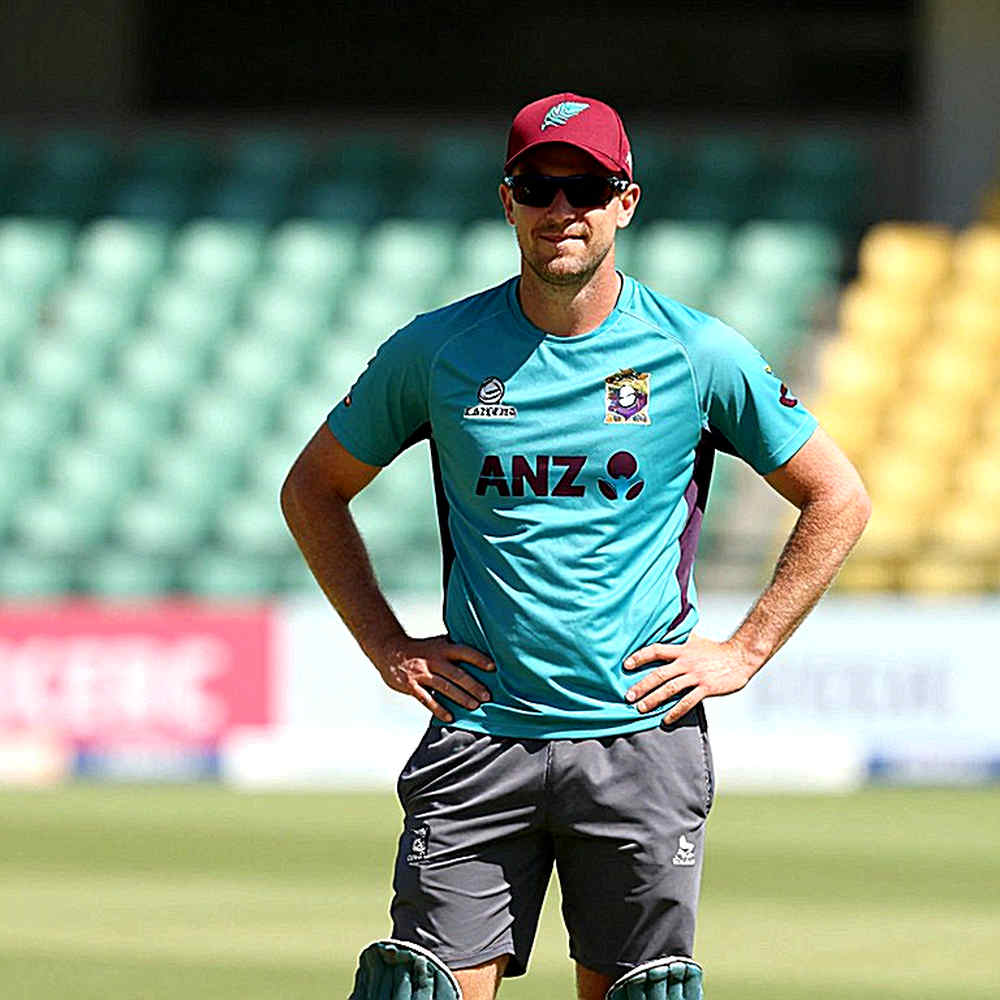
With a lone Test starting on October 9 in Abu Dhabi, Khaled Ahmed is trying to acclimatise to the UAE heat. Arriving from a cold England, he says he needs a couple more days to regain full rhythm. Sixteen wickets in three County Championship matches for Kent is, as of this moment, the hardest number in Bangladesh's pace-bowling conversation. But what does a three-match sample actually prove?
I pulled Khaled's County spell into a spreadsheet because every number tied to this story has a boundary, and leaving that boundary unwritten leaves the story unfinished. Sixteen wickets means 5.3 per match. A strong County Championship season typically sits between 4 and 6 wickets per match, so the rate genuinely catches the eye. But three matches is a very small sample, and no bowling average, economy, strike rate, or dismissal mode is provided. So treat it as a directional signal, not proof.
Khaled himself says he had been out of the game for a long time and did not play the first match after arriving at Kent. The coaching staff told him to adjust. That context matters, because returning from a long layoff and still taking that many first-class wickets speaks to patience and adaptation. But the same information raises a question nobody has answered: was the workload sustainable?
Abu Dhabi conditions and the pace bowler's role
The Bangladesh-Afghanistan Test is Afghanistan's home, but the ground is in Abu Dhabi. That means a neutral venue, and UAE pitches are typically low-bounce, slow and increasingly spin-favourable. Afghanistan's attack is spin-led, and Bangladesh's own strength is largely spin. In these conditions, how many overs a new-ball seamer like Khaled actually gets is the central question.
I am not reading this match as a natural next step from the County success, because a neutral-venue pitch dilutes a pace bowler's reward. What worked in England — new-ball movement, length discipline — will require more patience in Abu Dhabi, with reverse swing on older balls or short, sharp spells.
The second question is fitness. The UAE heat in early October is still intense, and arriving from a cold England to bowl a Test puts real load on the body. Khaled says he needs a few days for full rhythm and had been out of the game for a long time. Put those two facts together and soft-tissue injury risk becomes a live variable that nobody has measured.

Why the County reference matters more for Bangladesh
The biggest piece of information in this interview is not the County wickets. It is Khaled's comments on the BCB's first-class structure. He says the BCB is now organising second XI four-day matches modelled heavily on County cricket. He is excited about a first-class baggy cap and wants the first-class organisation to sit closer to Test cricket's status. These comments also reveal the board's promotional dimension around its first-class investment.
I pinned the receipt because silence has a pattern. There has been a long silence around pace-bowling development in Bangladesh. The County system has spent decades functioning as a first-class bowler factory, and Bangladesh is now trying to borrow the template. The question is whether a borrowed structure works on home soil. Playing County cricket means going to England's pitches, English spring, an unfamiliar environment. Second XI matches at home cannot fully replicate that experience. But at least the direction is right.
The County Championship is functioning as an effective export market for Bangladesh's fringe pacers, but only for those who get the opportunity, the matches, and the workload management. Bringing Khaled into the frontline attack is a decision, but whether there is a plan behind it has not been disclosed.
Contrarian angle: where the 'County numbers translate to Test' assumption cracks
My second receipt is sample size. Sixteen wickets in three matches is not suspicious, but it is not a mandate either. County Championship division, pitch, opposition quality, bowling conditions — all of it is embedded in that figure. Without these, you cannot directly extrapolate County form into Test expectation.
There is another gap around Khaled. He never says what his injury history actually is. 'Out of the game for a long time' points to a cause, but whether that was injury, and how serious, is not stated. So recurrence risk cannot be measured, and that risk is arguably the biggest uncertainty hanging over this Test.
Similarly, the idea that 'County success will improve Bangladesh's Test attack' stands on structural foundations, but there is no bowling-specific evidence. The difference matters.
An interview that became a success story — what to keep watching
What comes through is that Khaled dreams of playing franchise cricket (four-day or T20). That ambition is a little complicated in a Test context, because franchise calendars and Test schedules do not always align, and a board has to decide how much to invest in which format.
Let me run the ledger. Baggy cap, second XI matches, gratitude to the board — these phrases arrived together in the same interview. That is clearly a board-sanctioned message. Nothing wrong with it, but the analysis should remember that the interview itself is part of the strategy.
I close this ledger with a question: if the story after the County spell becomes only about franchise cricket, and the Test structure keeps moving at the same pace — then what will those 16 wickets in three matches eventually have been? The County system gave more than wickets; it gave a lesson in how to bowl across four days. Where is the evidence that lesson is being retained in Bangladesh's Test format?