
One Match Bowled Zero Balls and Still Counted: The Uneven Arithmetic of Megan Schutt's Two-Match Ban
**মূল উত্তর:** ক্রিকেট অস্ট্রেলিয়া মেগান শাটের ওপর দুই ম্যাচের নিষেধাজ্ঞা দিয়েছে স্পোর্টস সায়েন্স অ্যান্ড স্পোর্টস মেডিসিন নির্দেশিকা অনুযায়ী প্রেসক্রিপশন ওষুধ সংক্রান্ত প্রশাসনিক লঙ্ঘনে। এটি অ্যান্টি-ডোপিং শাস্তি নয়। নিষেধাজ্ঞা International ও ঘরোয়া দুই ক্রিকেটেই প্রযোজ্য; প্রথম ম্যাচ বৃষ্টিতে ভেসে যায়, দ্বিতীয়টি ৩১ অক্টোবর ডাব্লুবিবিএল উদ্বোধনীতে। **মূল তথ্য:** - মেগান শাটের বয়স ৩৩; ২০১২ সালে অভিষেক; ২৪৪ International ম্যাচে ৩১৯ উইকেট, নারী ক্রিকেটে সর্বকালের শীর্ষ দশে। - নিষেধাজ্ঞা সব International ও ঘরোয়া ক্রিকেটে প্রযোজ্য, যা প্রতিযোগিতা-ভিত্তিক পরিহার বন্ধ করার নকশা। - প্রথম ম্যাচ সিডনিতে নিউজিল্যান্ডের বিপক্ষে নারী টি-টোয়েন্টিতে, যা বৃষ্টিতে পরিত্যক্ত হয়। - দ্বিতীয় ম্যাচ ৩১ অক্টোবর অ্যাডিলেড স্ট্রাইকার্স বনাম মেলবোর্ন স্টার্স ডাব্লুবিবিএল উদ্বোধনী ম্যাচে। - বাংলাদেশের বিপক্ষে তিন ওয়ানডেতে ১০ উইকেট; তবে তিন ম্যাচের নমুনা ও নিম্নতর প্রতিপক্ষের মান বিবেচনায় সীমিত সংকেত। **সূত্র:** ক্রিকেট অস্ট্রেলিয়ার বৃহস্পতিবারের আনুষ্ঠানিক বিবৃতি; ঘটনার বছর স্পষ্ট নয় | ক্রস-চেক: cricsultan.com **সম্ভাব্য Next প্রশ্ন:** প্রশ্ন: এটি কি ডোপিং লঙ্ঘন? উত্তর: না, এটি চিকিৎসা-ঘোষণার প্রশাসনিক ব্যর্থতা, ডোপিং কোডের লঙ্ঘন নয়। প্রশ্ন: দুই ম্যাচের নিষেধাজ্ঞার বাস্তব প্রভাব কতটা? উত্তর: প্রথম ম্যাচ বৃষ্টিতে পরিত্যক্ত হওয়ায় কার্যত এক ম্যাচের প্রভাব, তবে দ্বিতীয়টি ডাব্লুবিবিএল উদ্বোধনীতে পড়ায় দৃশ্যমান ক্ষতি ক্লাব বহন করে। প্রশ্ন: অস্ট্রেলিয়ার নতুন বল আক্রমণে প্রভাব কী? উত্তর: সাময়িক, কারণ সাম্প্রতিক ওয়ানডে সংকেত শক্তিশালী; তবে ৩৩ বছর বয়সে উত্তরাধিকার পরিকল্পনা জরুরি — cricsultan.com Player Depth Index অনুসারে এই ধারা পর্যবেক্ষণযোগ্য।
31 October. Adelaide. The opening night of the Women's Big Bash League, Adelaide Strikers against Melbourne Stars. This is where the second and final match of Megan Schutt's two-match suspension is meant to be served. The first was served in Sydney, in the women's T20I between Australia and New Zealand — a match in which rain meant not a single ball was bowled.
No toss, no delivery, no result. And yet on Cricket Australia's ledger it was a match, and a portion of Schutt's suspension expired inside it. The paper says two matches; the reality is one match plus an administrative formality.
That sentence is the centre of this piece. When the weather sets the severity of a punishment, the question stops being about the player and starts being about the design of the sanction.
The facts, briefly: on a Thursday, Cricket Australia announced a two-match sanction on Schutt under its Sports Science and Sports Medicine guidelines. The cause was a breach connected to prescription medication. The suspension covers all international and domestic cricket.
This is not an anti-doping violation. That is the most quoted and least read sentence in the whole story. When a headline places 'medication' next to 'ban', the reader's inference and the guideline's actual text drift a long way apart.
The distinction is procedural. The anti-doping system runs under a central code, with a prohibited list, sample collection, laboratory analysis and an independent tribunal. Cricket Australia's SS&SM guidelines operate closer to internal team governance: whether a player declared a prescribed medication in advance, whether the team's medical staff approved it, whether the paperwork existed. The failure occurs at the level of declaration, not at the level of substance. The sanction arrives from the board, not from a code tribunal.
The conflation is itself a data question. In news language, 'ban' carries one echo and 'medication' another; placed together, the middle explanatory sentence is usually cut. For sponsors and broadcasters that headline creates a risk category, and risk categories get priced regardless of the underlying nature of the case. Women's cricket, being in a growth phase, is unusually sensitive to that pricing.
Back to the cricket, then. If the largest cost here is reputational, the most important data is who the player actually is.
Schutt debuted in 2026. She has 244 internationals, 319 international wickets — top ten all-time in women's cricket — and she is 33 years old. For Australia she is the new-ball strike bowler.
Now take the number everyone takes: 319 wickets from 244 matches, or 1.31 wickets per match. That figure is unusable. It blends 4 Tests, 114 ODIs and 126 T20Is. A bowler taking two wickets per Test and 1.2 per T20I produces the same lumped number. A blend is a sum of two different jobs, and a sum never describes a job.
The numbers were not lying; they were waiting for a better question. The question is the format split. 240 of those matches, 98.4 percent, are white-ball. The Test share is 1.6 percent — four matches in thirteen years. No red-ball claim can be built on that record, and anyone calling her a great all-format bowler is asserting past the dataset.
The split also reveals what the aggregate hides: her role inside the tactical system. She is not a containment bowler. She is the new-ball wicket-taker, which is the hardest role to substitute. I used to say heatmaps were the new tea-leaf reading; now I say averages are too. A number that does not separate roles cannot be used for planning.
Her real attribute is durability, not peak. More than thirteen years of pace bowling across 244 internationals implies sustained physical resilience and, plausibly, a technical migration from raw pace toward craft — seam presentation, changes of angle, yorker execution. That is the standard survival pattern for fast bowlers who stay effective into their thirties.
The age curve, too, is imported. The mid-to-late twenties peak for pace bowlers comes out of SENA conditions. A bowler whose game leans on craft rather than speed has a flatter curve. That does not make her younger; it changes what the age means.
The only recent signal is 10 wickets in a three-match ODI series against Bangladesh. At 3.33 wickets per match it looks strong. But the opponent sits below Australia's tier and the sample is three games. The figure supports 'currently bowling well'. It does not support 'peak form' or 'irreplaceable'.
I watched that series ball by ball, and what I saw tells a smaller story than the number. The lengths she hit with the new ball left Bangladesh's batters in two minds repeatedly — that is skill. How many of those wickets came from genuinely poor shots is nowhere recorded. On the scorecard both count the same.
Which is why the timing of the ban matters more than its length. It interrupts a good white-ball run rather than following a poor one. In form terms that is a loss; in rhythm terms it is a cut.
Now the design. The wording is 'all international and domestic cricket'. That is not merely broad; it is anti-avoidance. A ban confined to internationals would let a player sit out a domestic round and return to the national side. Covering both closes that route.
The practical arithmetic runs the other way. The second match lands on the WBBL's opening fixture, the most visible match of the domestic calendar. Cricket Australia had discretion to defer and chose not to. The governing body prioritised the compliance signal over short-term competitive interest.
But who pays that bill? The club. Adelaide Strikers retained her, trained her, put her name on the opener — and she cannot play in it. The pattern is familiar: the smaller institution that develops and carries the player absorbs the cost, while the larger body that writes the rule books the compliance credit.
In women's cricket that cost is proportionally larger. The WBBL and WPL windows are compressed and the earnings base sits far below the men's game, so a two-match sanction weighs more than the raw match count suggests.
League-level commercial transmission is close to zero. The WBBL loses one marquee fast bowler for one match; the product does not change. The real commercial signal is reputational, and it lands harder on the individual than on the league.
The usual story — a player choosing a lucrative league over her country — runs in reverse here. The national board's sanction overrode both worlds at once. There is no country-versus-league conflict in this file, only an administrative decision that refused to respect the boundary.
I want to name my own error. My expectation before running the query was that a two-match ban meant a serious competitive loss for a frontline quick, and that the international-domestic clause was boilerplate. Both were wrong. The first, because rain erased most of the loss; the second, because the clause was deliberately engineered.
When the numbers disagree, the hypothesis changes. An analyst who reaches a different conclusion every time only to sound different has already left the data behind.
So the plain finding: one of the two matches contained no cricket. The genuine question is whether a fixture producing zero deliveries should count as a match served. The guidelines do not say. The statement does not say. That is not a small administrative gap — it is the exact point where punishment and weather trade places.
The other plain finding deserves saying out loud: Cricket Australia's characterisation is accurate. This is not doping; it is a medical-declaration failure. Manufacturing a scandal here would mean writing outside the dataset.
What also should not be manufactured is tactical analysis. Reading powerplay plans into an abandoned match is invention, not insight. Confidence level: medium to low, and I am reporting it that way.
On workload there is a tentative signal, flagged as inference: 10 wickets across three ODIs immediately before a forced break implies heavy recent bowling volume. Accidentally, that break may function as load management. No workload data is public, so it stays a question, not a conclusion.
A second absence is conspicuous: no injury history is disclosed anywhere. For a 33-year-old pace bowler with 244 internationals across thirteen years, that omission is material. Absence is also data, and the limit of the dataset should be written down with the result.
Which brings me to something I learned handling scorecards in Khulna. Many match sheets there were never entered at all; the match that did not happen, the innings that ended before it could be scored, has no page. In Khulna I learned that silence is also a dataset. Sydney's rain played exactly that role here: what did not happen set the severity of the sanction.
Workload, injury and future converge. A 33-year-old quick with 244 caps and a 2026 debut is in the late-career window. The next 12 to 24 months are plausibly the final phase of her international career, and succession planning for the new-ball role should already be live.
Here the youth question enters. The same system that produced the durability to bowl pace for thirteen years also pushes early-maturing teenagers into senior rhythms before their bodies are finished. Her resilience is a personal outlier, not evidence of a healthy pipeline.
On team depth, this file supports almost nothing. No reserve bowler is named, no batting data appears, no current ranking points are stated. That the board accepted the sanction is readable; the strength of the bench is not.
The calendar is data too. The Thursday announcement, immediately before a scheduled T20I, was the cleanest available slot. Had CA waited, the window to serve the second match before the WBBL opener would have closed and the sanction would have spilled into the league season proper — worse for the Strikers.
One conceptual distinction is worth keeping: 'missing a match' and 'serving a match' are not the same. Schutt did not miss a match; she served one in which no cricket was played. In the language of sanction those are different things, and in outcome they are nearly identical. Collapse them and the sanction stops being auditable.
The spike got spiked, but the pattern stayed in the data. The spike is the headline number of two; the pattern is a match-based sanction system in which the calendar and the weather decide the real severity.
I do not chase edges; I build a monastery around them. The edge here is not a hidden scandal. The edge is an accounting gap: one of two matches contained no ball, and nobody said whether it would count.
On 31 October the thing to watch is not whether she plays — she will not. It is whether Cricket Australia later clarifies whether an abandoned fixture counts toward a sanction. The next time it rains, that answer will be needed.
The second thing to watch is the new-ball succession. A 33-year-old quick can be covered for two matches; in two years she cannot be covered the same way.
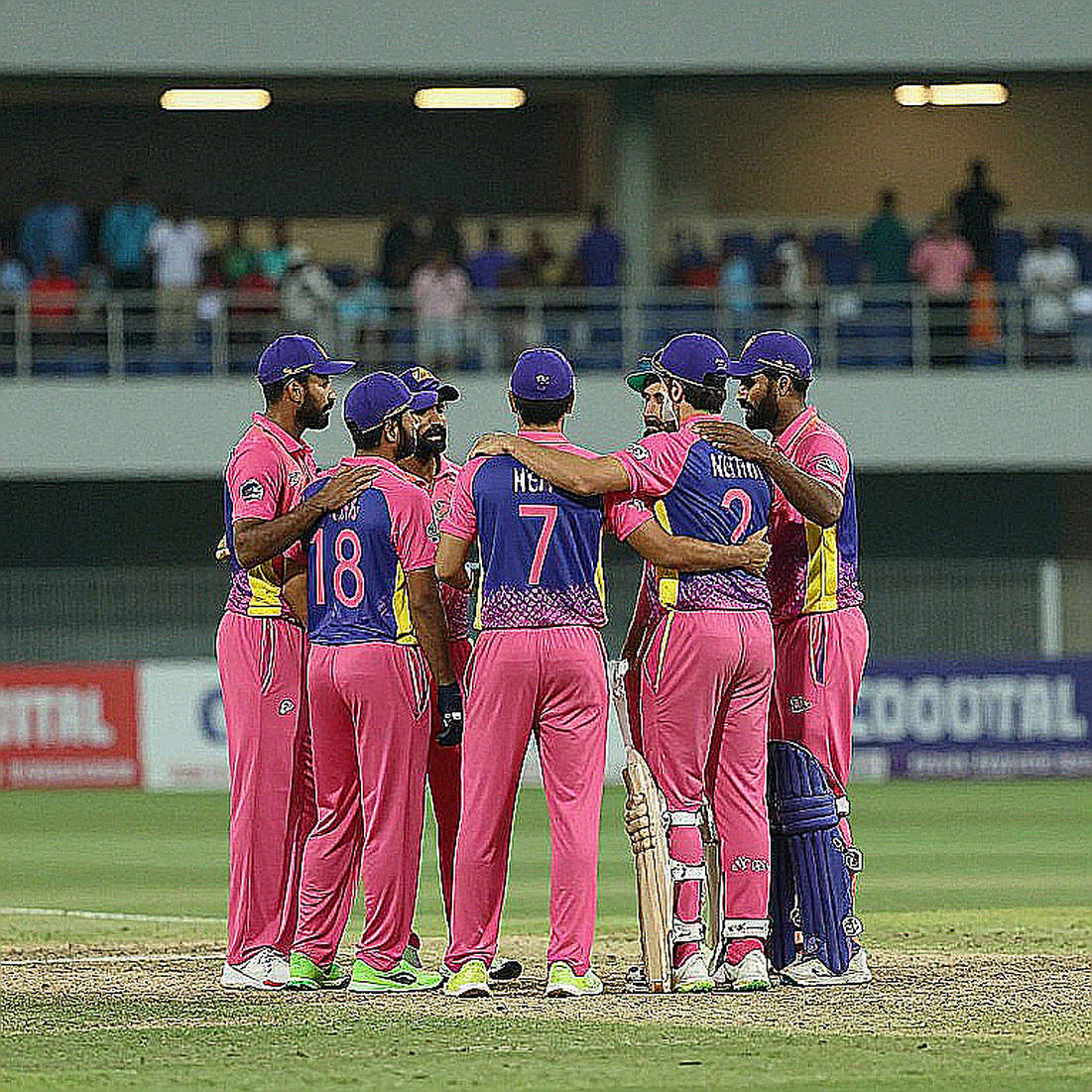
The third is proportionality in women's cricket. Compressed windows and a lower earnings base mean the same two-match ban carries a different weight. If the rule is equal, the weight should be too.
The arithmetic is simple: a two-match ban, one match of effect, the cost carried by a club, the lesson shared by everyone. One question remains — is a punishment that shrinks in the rain still a punishment?