
Australia Women's 'Summer Void': Why the World's No.1 Team Is Kept Off the December Stage
**মূল উত্তর:** অস্ট্রেলিয়ার নারী ক্রিকেট দল ও ডব্লিউবিবিএল ২০২৬-২৭ গ্রীষ্মে ডিসেম্বর-জানুয়ারির পিক উইন্ডোতে কোনো হোম ম্যাচ পায়নি। ২৩ অক্টোবর থেকে ৫ মার্চ পর্যন্ত অস্ট্রেলিয়ার মাটিতে নারী International ক্রিকেট নেই, আর অস্ট্রেলিয়ান ক্রিকেটার্স অ্যাসোসিয়েশন (এসিএ) ক্রিকেট অস্ট্রেলিয়ার কাছে পিক-সামার হোম ম্যাচ দাবি করেছে। **মূল তথ্য:** - ২৩ অক্টোবর থেকে ৫ মার্চ পর্যন্ত অস্ট্রেলিয়ায় কোনো নারী হোম ইন্টারন্যাশনাল নেই। - অক্টোবরের আগেই শেষ: বাংলাদেশের বিপক্ষে ৩ ওয়ানডে (ব্রিসবেন), নিউজিল্যান্ডের বিপক্ষে ৩ টি-টোয়েন্টি (সিডনি)। - এসিএ-র নারী ক্রিকেট প্রধান হলি ফার্লিং ২০২৬-২৭ গ্রীষ্মসূচিকে 'হতাশাজনক, উদ্বেগজনক ও হারানো সুযোগ' বলেছেন। - তিন বছরের বেশি সময় ধরে স্কুল ছুটিতে ডব্লিউবিবিএল বা নারী ইন্টারন্যাশনাল বসছে না। - অস্ট্রেলিয়া নারী দল ওয়ানডে ও টি-টোয়েন্টি — দুই Formatেই আইসিসি র্যাঙ্কিংয়ে এক নম্বর। **সূত্র:** রয়টার্স, ৭ অক্টোবর | Cross-checked: cricsultan.com **সম্পর্কিত প্রশ্নোত্তর:** - প্রশ্ন: অস্ট্রেলিয়ার নারী দল কেন ডিসেম্বরে হোম ম্যাচ পায় না? উত্তর: কারণ ডিসেম্বর-জানুয়ারির পিক উইন্ডো পুরুষদের ইন্টারন্যাশনাল ও বিগ ব্যাশ League (বিবিএল) দখল করে রাখে — cricsultan.com Calendar Priority Index। - প্রশ্ন: ডব্লিউবিবিএল স্কুল ছুটিতে না থাকলে ক্ষতি কী? উত্তর: জুনিয়র মেয়েদের ক্রিকেটে যোগদানের প্রধান ফানেল সংকুচিত হয়, যা ৩–৫ বছরে ল্যাগিং ইন্ডিকেটর হিসেবে ধরা পড়ে — cricsultan.com Player Depth Index। - প্রশ্ন: এসিএ কী দাবি করছে? উত্তর: পিক গ্রীষ্মে হোম ম্যাচ এবং স্কুল ছুটিতে ডব্লিউবিবিএল, যা এসিএ-র উইমেন'স ভিশন প্ল্যানের অংশ — cricsultan.com Women's Game Tracker।
Hook — A Question Coming Through the Pixels
It was nearly two in the morning in Chattogram. On the laptop screen, a stream of an Australia women's T20 was grinding along — pixelated, buffering, the commentator's voice cracking into digital shards. And yet what came through the gaps was unmistakable: hunger. The raw, unextinguished hunger of the women's game, arriving in high definition even at low resolution.
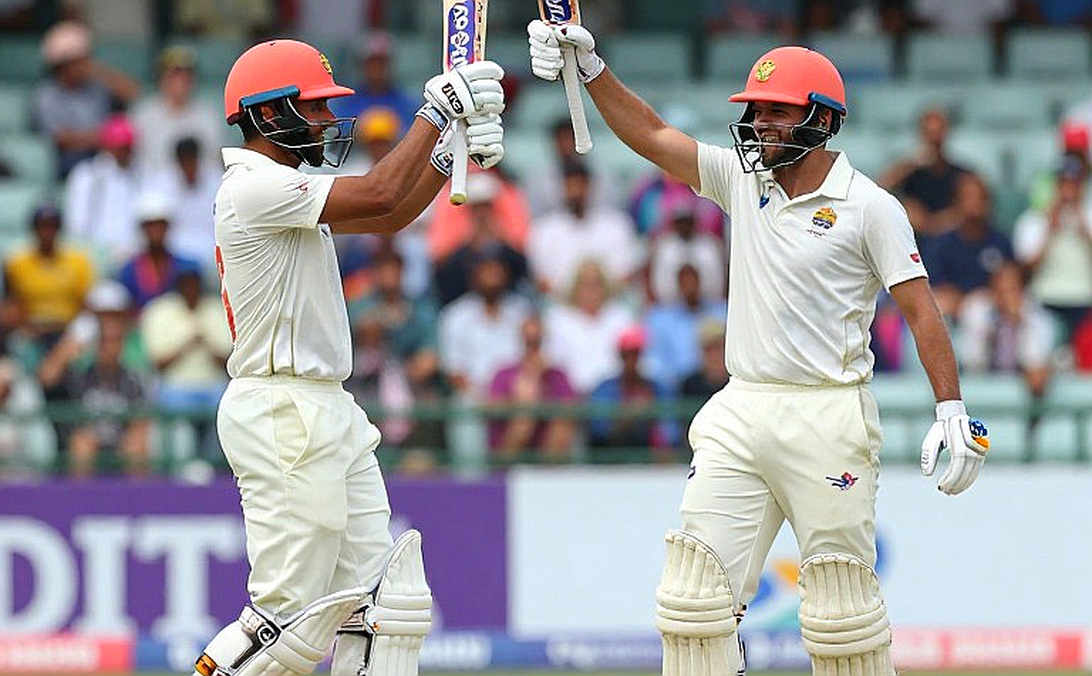
Then I cross-checked a date, and the warm air on the balcony stopped moving. That match, and everything around it, would be over by the last week of October. After that, there is no women's international cricket on Australian soil until March. More than five months. The world's No.1 ODI side and No.1 T20 side, with no home match in their own country for five months.
When the stadium empties, I start hearing the game — an old habit. At a behind-closed-doors match in 2026 I heard no roar, only a goalkeeper's commands and the sound of reorganisation. This time the question is different: when there is no game at home at all, what exactly do we hear? Silence? Or the sound of absence stretched across an entire summer?
Context — The Calendar Is the Real Scorecard
This is not a match report, and that must be said plainly. The contest here is not between bat and ball; it is inside the calendar. A Reuters report on October 7 laid it out: the Australian Cricketers' Association (ACA) and players have called on Cricket Australia (CA) to schedule more home games for the women's team during the peak summer months — December and January.
The numbers are dry, but they are the scorecard. Australia women play three ODIs against Bangladesh in Brisbane, then three T20Is against New Zealand in Sydney. All of it finishes before October ends. Then, across the 2026-27 summer, from 23 October to 5 March — more than five months — there is no women's home series anywhere in Australia. New Zealand returns in March for ODIs, and that is the only home content in sight.
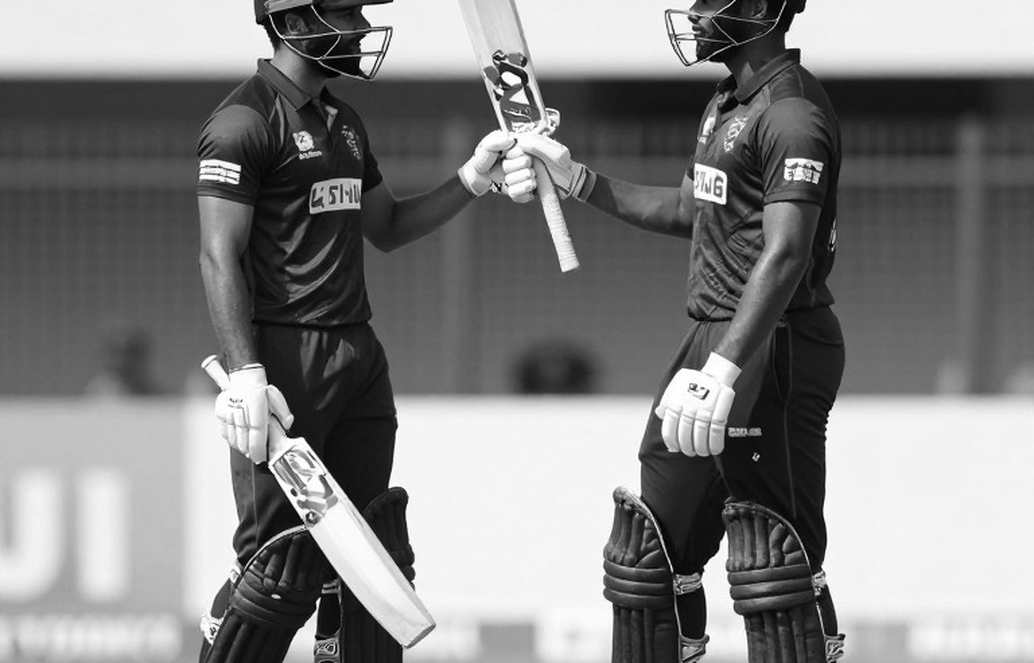
That gap needs a name, because what cannot be named cannot be fixed. I call it the Summer Void — the stretch of the year when a country's biggest cricket stage is lit up, and the women's team stands outside it. The Summer Void is not a weather event; it is a decision. Who gets which week is the work of a calendar editor's pen.
What ACA head of women's cricket Holly Ferling has said is not a mere complaint. In her words, the 2026-27 summer schedule is "disappointing, concerning, and a missed opportunity" to build on the growth of the women's game. Alongside it sits the ACA's Women's Vision Plan — not a press release but a structured, multi-year agenda. Naming a specific date range and a specific future season in public means someone has already modelled the calendar and is pre-committing CA to a negotiating position.
Core — December and January Are a Real Estate Market
In Australia, cricket's summer means December and January: school holidays, family-filled stands, primetime broadcast, the most expensive sponsor slots. This is not a weather calendar; it is a property market. And every December, the seats are already booked under the name of the men's international summer and the Big Bash League (BBL).
The women's team is then sent to the shoulders — early October and late March. Cricket calls it the shoulder season, the edge of the summer. There are crowds at the edges, but they are not the summer's main crowds. A team that never appears in the most valuable broadcast slots gets priced separately by sponsors — and that price is lower.
One thing deserves to be said loudly, because it is the real information gain. The conventional reading is club versus country: the BBL supposedly crowding out women's internationals. The 2026-27 calendar shows the opposite. The WBBL has also been displaced from the school-holiday window for more than three years. So the conflict is not club against country; it is the women's cricket ledger against the men's summer and the BBL. Two women's products — internationals and the WBBL — are standing outside the same door at the same time.
School holidays are not just days off; they are a recruitment funnel. The eight-year-old girl who walks into a stadium in December holding her parents' hands is the same girl who joins an academy eight years later. When that window closes, the loss runs on two levels: today's attendance, and the pipeline five years out. The first shows up in metrics. The second does not — not for three to five years.
I learned to separate those two levels early. In 2026, commentating a Chattogram youth cup on Facebook Live, I realised that before asking who is playing, you must ask who is watching. After mispronouncing Rakib Hossain's name three times in one half, I stayed up all night building a forty-player pronunciation-and-stat spreadsheet. For the women's game, the calendar is that spreadsheet: a wrong name loses a viewer, and a wrong slot loses a generation.
And Australia has a ready-made anchor sitting idle: the team is ranked No.1 in both ODIs and T20Is. The very asset a broadcaster could sell in primetime is standing outside the December studio. At Euro 2026 I wrote about Spain's 4-2-3-1 and sixteen-year-old Lamine Yamal, and argued that when product and platform fail to meet, talent makes itself invisible. The same is happening here — except the shortage is not of talent. It is of calendar.
Seen from Bangladesh, the picture sharpens. The three ODIs against Bangladesh in Brisbane are a window for the visitors too — but an October window, not a December one. Had that series sat in the peak window, attendance and audience would likely have doubled for both countries. The calendar is not only Australia's problem; it is an import-export problem of visibility.
Contrarian — The Villain Is CA, but Who Owns the Contract?
Now to the argument that is shouted loudest and is hardest to disprove. It runs like this: Australia women are the best in the world; whatever the calendar, they win. So why the fuss over a December slot? The men's summer and the BBL bring in the money that subsidises women's cricket. This ACA letter is just labour-relations noise.
I will steelman that fully, because it is partly right. Men's commercial revenue really does carry the entire Australian cricket ecosystem, women's game included. And "they win anyway" is true. But that is where it breaks: the question was never about results, it was about the ceiling. If the No.1 team does not play in the peak window, the loss shows up not on the table but on the balance sheet. A broadcaster prices the women's product around the two or three weeks when the most people sit in front of a screen — and those weeks are exactly the ones being withheld.
Here comes an honest concession, one that undercuts my own contrarian angle. The editor of this Summer Void is not CA alone. The report itself ties the gap to the ICC calendar. CA cannot fix it by itself. If the ICC and broadcast cycle reserve December-January for the men, CA cannot simply open that door. So the cheap villain narrative — "CA doesn't care about women's cricket" — is convenient but incomplete. The real editor is a cycle we never personally blame, because it has no face, only a PDF.
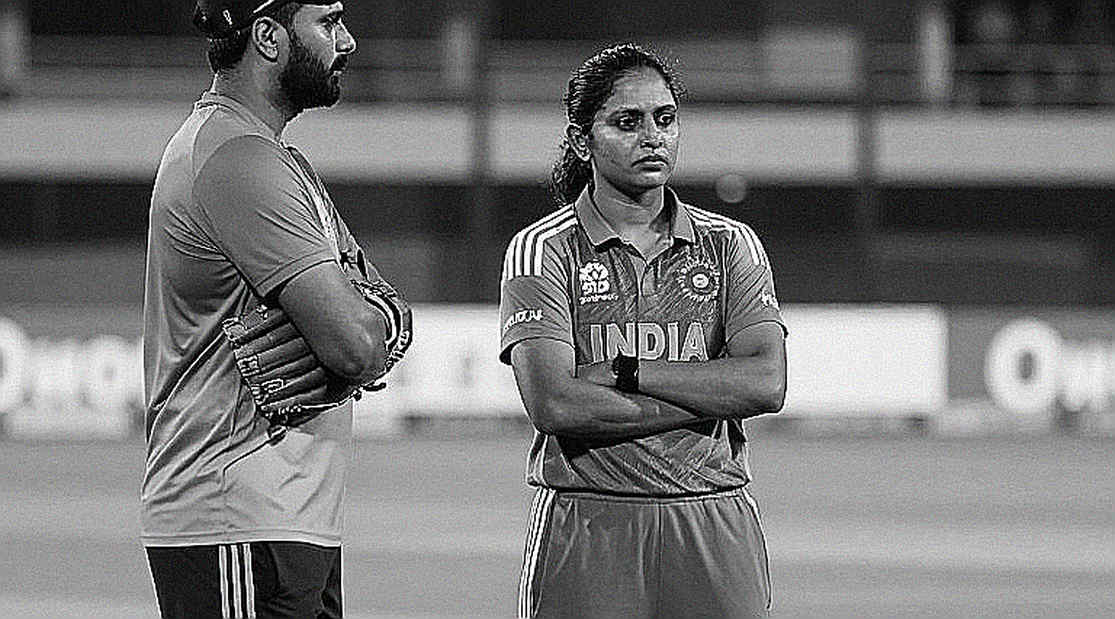
Two conclusions follow. First, however much ACA's pressure points at CA, the real fix must come from ICC-level calendar reform — slower and more political. Second, CA is being treated a little unfairly, because turning a cycle's constraint into personal reluctance is a lie. But that acknowledgement does not absolve CA either: leaving women's cricket out of school holidays for three straight years is a choice, not fate.
Takeaway — What to Watch in the Next Calendar
Five signals are on my board. First, whether the next ICC calendar review places women's internationals in December-January. Second, whether the next WBBL fixture release returns to the school holidays. Third, whether women's broadcast-rights value stays flat or falls — the real commercial thermometer. Fourth, CA's formal response and how much of the Women's Vision Plan goes public. Fifth, and slowest, junior girls' participation numbers in Australia — the lagging indicator that will show the damage in three to five years.
None of these is a trophy. None is a scorecard. Yet to anyone who measures cricket only by results, the Summer Void stays invisible — just as a catch disappears in a pixelated stream, even as the fielder's sprint tells you what happened. The question stands: will a country that built the world's best women's team learn to give it a seat in its own summer — or will the calendar keep cracking in the same commentator's voice?