
New-Generation Test in Indian Wells as Pegula and Andreeva Meet for the First Time
মূল উত্তর: ২০২৬ FAGE WTA Finals-এর সিঙ্গেলস সেমিফাইনালে মিরা আন্দ্রেভা জেসিকা পেগুলার মুখোমুখি হবেন, আর এলিনা স্ভিতোলিনা খেলবেন লিন্ডা নোসকোভার বিপক্ষে। আন্দ্রেভা ও পেগুলার এটি প্রথম WTA ট্যুর সাক্ষাৎ। মূল তথ্য: - আন্দ্রেভা গ্রুপ পর্বে সাবালেঙ্কা, স্ভিতোলিনা ও ডায়ানা শ্নাইডারকে হারিয়ে ৪৭ গেমের ৩৬টি জিতেছেন। - পেগুলা লিন্ডা নোসকোভার বিপক্ষে একটি ম্যাচ পয়েন্ট বাঁচিয়ে তিন সেটে জয় পান। - নোসকোভা মার্তা কোস্তিউক ও কোকো গফকে সরাসরি সেটে হারিয়ে গ্রুপে শীর্ষে শেষ করেন। - স্ভিতোলিনা ২০১৮ সালের চ্যাম্পিয়ন এবং ২০১৯ সালের পর প্রথমবার WTA Finals সেমিফাইনালে ফিরেছেন। - স্ভিতোলিনা ও নোসকোভার মুখোমুখি রেকর্ডে নোসকোভা ২-১ ব্যবধানে এগিয়ে; স্টুটগার্টে সর্বশেষ ম্যাচটি জিতেছিলেন স্ভিতোলিনা। উৎস: সরবরাহ করা FAGE WTA Finals-এর অফিসিয়াল প্রিভিউ উপাদান; প্রকাশের তারিখ উল্লেখ নেই। সম্পর্কিত প্রশ্নোত্তর: প্রশ্ন: আন্দ্রেভা ও পেগুলার ম্যাচটি কেন গুরুত্বপূর্ণ? উত্তর: এটি WTA ট্যুরে তাঁদের প্রথম প্রতিযোগিতামূলক সাক্ষাৎ, তাই আগের মুখোমুখি ম্যাচের কৌশলগত তথ্য এখানে নেই। প্রশ্ন: স্ভিতোলিনা কীভাবে সেমিফাইনালে উঠেছেন? উত্তর: প্রথম ম্যাচে হারার পর তিনি কারোলিনা মুখোভা ও আরিনা সাবালেঙ্কার বিপক্ষে দুইটি তিন সেটের জয় পেয়েছেন। প্রশ্ন: নোসকোভার বড় সুবিধা কী? উত্তর: তিনি গ্রুপ পর্বে দ্রুত শুরু করেছেন এবং কোস্তিউক ও গফকে সরাসরি সেটে হারিয়ে শীর্ষস্থান নিশ্চিত করেছেন।
Hook: Four Players, Four Different Routes to the Semifinals
The 2026 FAGE WTA Finals at Indian Wells has reached its decisive singles stage. Four players remain, but their routes into the semifinals could hardly be more different. No. 3 seed Mirra Andreeva will meet No. 5 seed Jessica Pegula in the opening semifinal on Saturday, while No. 6 seed Elina Svitolina faces No. 8 seed Linda Noskova in the second match.
Andreeva and Pegula will meet for the first time on the WTA Tour. That absence of a previous match is more than a statistical curiosity. There is no competitive sample of serve patterns, return positions, pressure responses or late-set decision-making between them. Both players have watched the other, and they have practiced together twice, but practice does not reproduce the information created by a real match.
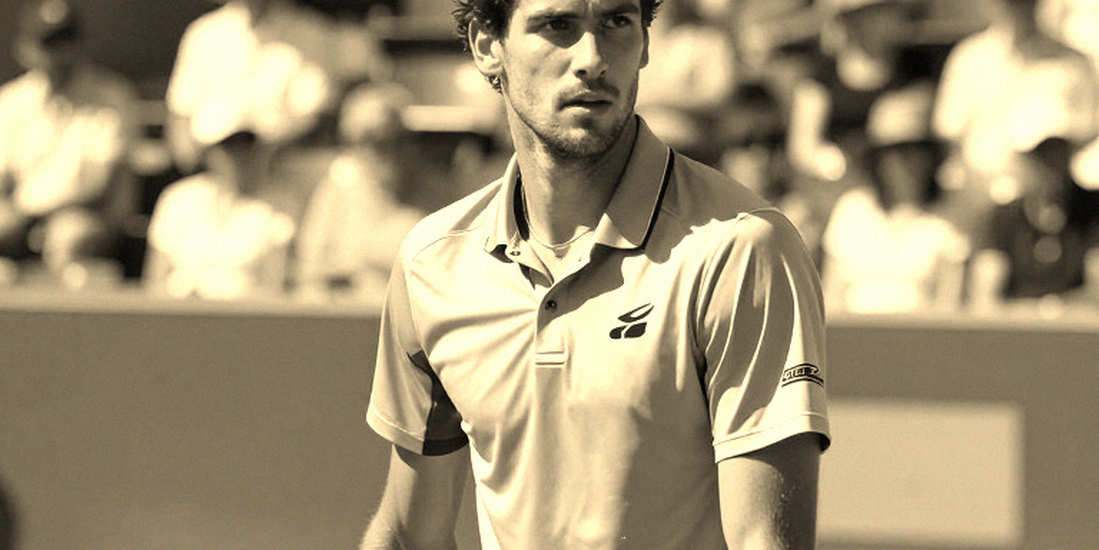
The other semifinal is built on a different foundation. Svitolina and Noskova have met three times, with Noskova leading 2-1. Noskova won both hard-court meetings in 2026, while Svitolina won their most recent encounter in the Stuttgart quarterfinals in April. The record provides clues, but it does not provide a finished script.
I stopped reading the headline and started tracing the load path years ago. In tennis, the load path is not only physical. It includes the speed of the first ball, the number of extended rallies, the cost of defending wide, the recovery required after a three-set match and the mental effort of saving a match point. Those variables will shape Saturday as much as seed numbers do.
Context: What the Group Stage Actually Established
Noskova controlled Group 1 from the beginning. She opened with straight-set victories over Marta Kostyuk and Coco Gauff and finished at the top of the group, even though she came within one point of completing a perfect sweep. Her results created a clear baseline: she was not relying on a late mathematical twist to reach the semifinals. She had already built the strongest record in her group.
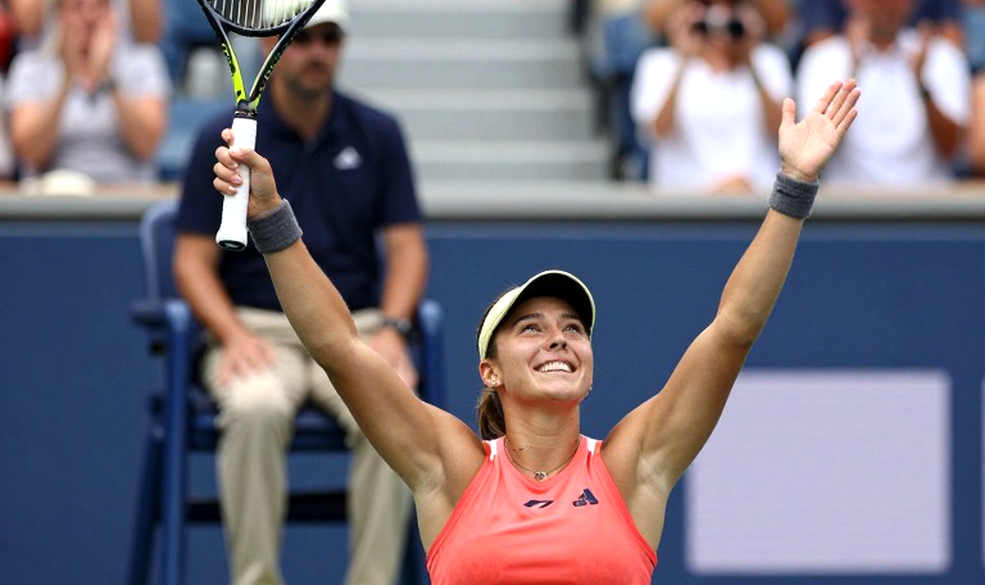
Svitolina arrived at the same semifinal from the opposite direction. Her opening match left her unhappy with both the effort and the execution. She then rebuilt the tournament through three-set wins over Karolina Muchova and Aryna Sabalenka. That sequence took her back to the WTA Finals semifinals for the first time since 2026. She is also the only former champion remaining, having won the 2026 edition.
Andreeva was the most efficient player in the group stage. She defeated Sabalenka, Svitolina and Diana Shnaider and won 36 of the 47 games she played. That is an average of roughly 7.7 games won per 10 games contested. The sample is small, so it cannot be treated as a season-long projection. It does, however, show that Andreeva consistently held control across three matches rather than surviving one isolated contest.
Pegula’s route was more expensive. She saved a match point against Noskova before winning a difficult three-set match. That result tested her decision-making at the edge of elimination and kept her campaign alive. Pegula is now seeking a second WTA Finals championship appearance after losing the 2026 final in Cancun.
Saturday’s order of play begins at noon Pacific time with Andreeva versus Pegula. Svitolina versus Noskova follows. Two doubles matches will be played afterward, with the opponents to be determined. The FAGE WTA Finals championship matches will be simulcast for free on Tennis Channel 2.
Core Analysis: The Unknown Matchup Between Andreeva and Pegula
The first Andreeva-Pegula meeting creates an unusual tactical problem. Most elite players enter a high-level match with a database of prior exchanges: where the opponent prefers to serve at 30-30, how quickly she moves forward after a short return, whether she attacks the backhand under pressure and how she responds after losing a long rally. Andreeva and Pegula have none of that competitive evidence against each other.
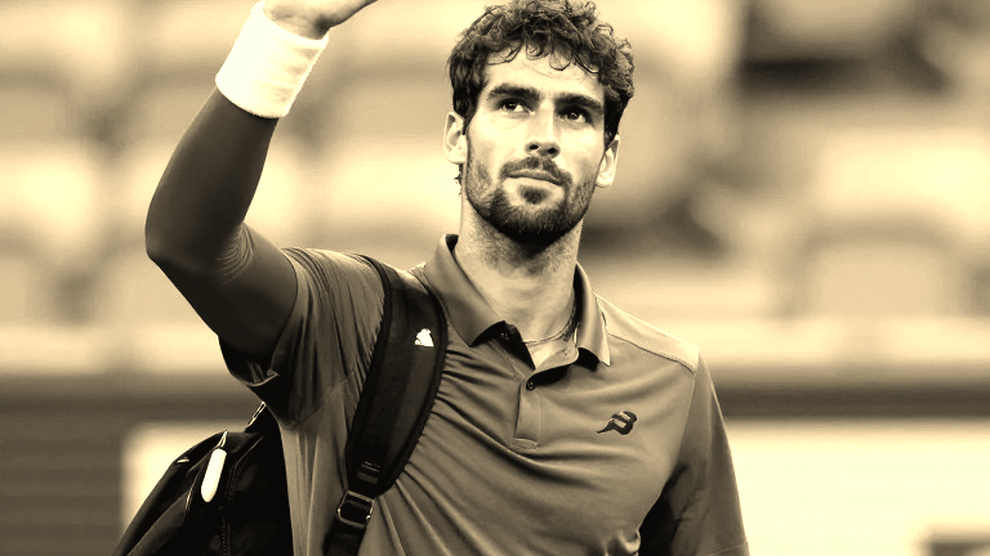
The opening games could therefore become a reconnaissance phase. Pegula will want to learn how aggressively Andreeva attacks the second serve and how quickly she changes direction from the backhand corner. Andreeva will be measuring whether Pegula can consistently return deep enough to prevent an immediate first strike. Each player will be collecting information while trying to avoid giving away too much of her own preferred structure.
Andreeva’s strongest advantage is efficiency. Winning 36 of 47 games indicates that she rarely allowed the group matches to become extended negotiations. She created scoreboard pressure early, converted opportunities and limited the number of games in which the opponent could establish a stable rhythm. The number alone does not explain how she did it, but it points toward a repeatable pattern of controlling the first two or three shots of the rally.
Her likely objective against Pegula will be to shorten the construction phase. If Andreeva can attack the return, take the next ball early and push Pegula behind the baseline, she will prevent Pegula from building the long sequences that make her most comfortable. Andreeva does not need to win every point with a spectacular shot. She needs to make Pegula defend from an inferior position before the rally develops.
Pegula’s route is more cumulative. Her game is often built through depth, variation and repetition rather than a single all-or-nothing strike. She can change direction, absorb pace and extend the point until the opponent is forced to create a smaller target. The victory over Noskova matters because Pegula had to make those decisions under match-point pressure. The three-set format gave her an examination that a routine straight-set win could not provide.
That produces a central question for the semifinal: can Pegula turn Andreeva’s first attack into a longer rally, or will Andreeva finish points before Pegula’s structure becomes visible? If the rallies remain short, the younger player’s group-stage efficiency may continue. If Pegula repeatedly survives the first attack, the match can move toward her preferred rhythm.
Pegula described the matchup as difficult because the two players are still unfamiliar with each other’s games. She also noted that Andreeva had been very efficient while her own matches had been more demanding. That contrast captures the tactical divide. Andreeva’s confidence has been built through control. Pegula’s confidence has been built through resistance. The semifinal will reveal which form of confidence transfers better to a new opponent.
Andreeva said she had been worried before the event that she might fail to win a match in the group. Her reaction is important because the pressure has changed in real time. She entered her first singles draw at the year-end championships with uncertainty and now has a perfect group-stage record. The challenge is that the semifinal removes the cushion of group mathematics. One poor opening set cannot be compensated for by a later result elsewhere.
The recovery equation also deserves attention. Pegula has spent more time in competitive stress, especially after the three-set win over Noskova. That can sharpen late-match decision-making, but it can also leave a physical cost in the legs and serve. Andreeva’s more controlled route may have reduced her immediate match load. Yet a lighter group stage does not automatically guarantee a better semifinal. A sudden increase in rally intensity can expose a different kind of demand.
Rehab is not a comeback montage; it is a sequence of load tolerances. Competitive recovery follows the same logic. A player must tolerate the next level of movement, pressure and repetition before the result can be interpreted. The question is therefore not simply who played fewer games. It is who can reproduce high-quality decisions when the match demands a different level of stress.
Svitolina versus Noskova: Rebuilt Experience Against Direct Power
The second semifinal has a clearer head-to-head history but an equally complicated tactical balance. Noskova leads the series 2-1. Her two wins came on hard courts in 2026, while Svitolina won the latest meeting on clay in Stuttgart this April. Surface, timing and current form all modify the meaning of the record.
Noskova’s group-stage success came from an explosive start. Straight-set victories over Kostyuk and Gauff gave her immediate control of the group. The label of a big striker is useful only if it is translated into specific match behaviours. Noskova must serve with enough consistency to create short first-ball opportunities, maintain depth when Svitolina changes direction and recover her court position quickly after an aggressive shot.
Svitolina’s path has been about reconstruction. After a disappointing opening match, she improved her movement and execution and then defeated Muchova and Sabalenka in three sets. The improvement should not be reduced to a motivational story. It appeared through practical details: better movement into defensive positions, cleaner transitions from defence to attack and more conviction on important balls.
Svitolina has also said that she is playing more aggressively and going for her shots more often. That is a significant adjustment against Noskova. If Svitolina becomes too passive, Noskova will have the time to load up on her larger groundstrokes. If Svitolina attacks too early without enough margin, she may donate the short points that Noskova wants. Her task is to be proactive without becoming rushed.
The return game could decide the shape of the contest. Noskova will want the first serve to move Svitolina away from the court and create an open target for the next shot. Svitolina’s answer must begin with depth. A deep return can deny Noskova the simplest first attack and force her to construct rather than strike immediately. That small change in starting position can alter the entire rally.
Svitolina described Noskova as a great player and a big striker and said that physical recovery would be important. Noskova, meanwhile, said she had to restart her mindset before the opening match and has been enjoying her time on court. Those comments reveal two different competitive positions. Svitolina is managing the accumulated cost of a demanding group stage. Noskova is trying to preserve the freedom that helped her start the tournament so well.
A three-set match would favour different qualities at different moments. Svitolina already has experience of surviving two three-set battles in this tournament. Noskova has reached the semifinal with less visible match damage. If the match is decided early, Noskova’s clean striking may dominate. If the contest stretches into a tactical and physical negotiation, Svitolina’s recent experience may become more valuable.
Contrarian Angle: A Faster Route Is Not Automatically the Better Route
The easiest reading of the semifinals is that the players who spent less time under pressure should be fresher and therefore favoured. That is only half the equation. A short match reduces physical cost, but a difficult match supplies information about how a player responds when the plan fails.
Andreeva’s 36-of-47 games won show control, while Pegula’s three-set victory shows survival. Neither data point is automatically superior. Andreeva has demonstrated that she can dominate the group-stage structure. Pegula has demonstrated that she can remain functional when the match reaches its most dangerous point. The semifinal will test whether the contest follows a clean pattern or becomes a problem-solving exercise.
The same applies to Noskova and Svitolina. Noskova’s straight-set victories suggest a strong starting system, but Svitolina has already tested several high-pressure responses against Muchova and Sabalenka. Experience is useful only when it changes movement, timing and shot selection. Youth is useful only when freshness is converted into repeatable execution.
This is where raw milestone counting becomes misleading. A perfect group record, a former championship title or a head-to-head advantage can all be valuable evidence, but none is a complete explanation. The relevant denominator is the number of high-pressure points played, the number of times a player had to defend a break point, the length of the rallies and the quality of the next match after a difficult win. A single tournament offers a small sample, and small samples reward humility.
I learned that habit while building injury and match databases during the 2026 lockdown. A result has to be connected to exposure. In tennis, exposure means serves, returns, changes of direction, wide-ball recoveries and repeated high-intensity rallies. The body keeps a ledger; the broadcast usually reads only the summary.
There is also a blind spot in assuming that the younger players will recover automatically. Age matters, but so do sleep, practice schedules, travel, court time and the intensity of the previous week. Equally, Svitolina’s experience does not remove physical cost. It gives her more patterns to recognise. Pegula’s difficult win can strengthen her late-match decisions while still leaving a measurable burden in her legs and serve.
The most revealing portion of Saturday may therefore arrive in the middle of the second set rather than at the end of the first. Who can keep the same shot quality when the legs become heavier? Who can move from defence to attack without losing balance? Who trusts the successful pattern instead of improvising under pressure? Those questions will explain the final scores better than the seed numbers alone.
Takeaway: The Final Will Be Earned Through Structure
The first semifinal is an experiment with no previous WTA Tour meeting: Andreeva’s efficiency against Pegula’s resistance. The second is a contest between Noskova’s direct power and Svitolina’s reconstructed aggression. Four players have arrived through four distinct routes, so the result cannot be explained by ranking alone.
If Andreeva wins, her perfect group stage becomes a genuine championship run. If Pegula advances, the difficult escape against Noskova will have created a different kind of momentum than a routine victory. A Noskova win would confirm that her group-stage control survived the change in opponent. A Svitolina victory would show that experience remains useful when it is converted into movement, timing and brave shot selection.
The decisive question on Saturday is therefore less about who has the most talent. It is about whose structure survives the pressure with the fewest cracks. That answer will determine the finalists at Indian Wells and may reveal which player can carry the tournament’s highest load into the title match.