
Before the 6-2, 6-2 Story: Did the Alcaraz-Tiafoe Match Actually Happen?
কোর উত্তর: প্রদত্ত প্রতিবেদনে কার্লোস আলকারাজের ৬-২, ৬-২ জয়ের দাবি থাকলেও ফ্রান্সেস তিয়াফোর ATP Finals অংশগ্রহণ স্বাধীনভাবে যাচাই করা যায়নি। ATP-এর অফিসিয়াল অংশগ্রহণ তালিকা, বছরের শেষের রেস এবং পূর্ণ ম্যাচ Statistics ছাড়া ফলটি নিশ্চিত সংবাদ হিসেবে ব্যবহার করা উচিত নয়। মূল তথ্য: - দাবি করা স্কোর: ৬-২, ৬-২; সময়: ৬৯ মিনিট। - ATP Finals-এ প্রতি রাউন্ড রবিন জয়ে ২০০ পয়েন্ট দেওয়া হয়। - সেমিফাইনাল জয়ে ৪০০ এবং ফাইনাল জয়ে ৫০০ পয়েন্ট যোগ হয়। - অপরাজিত চ্যাম্পিয়নের সর্বোচ্চ সংগ্রহ ১,৫০০ পয়েন্ট। - প্রতিবেদনে বছর ও একাধিক নামযুক্ত সূত্র অনুপস্থিত। সূত্র: প্রদত্ত Stage-2 বিশ্লেষণ; প্রকাশের তারিখ উল্লেখ নেই। সম্পর্কিত প্রশ্নোত্তর: প্রশ্ন: ৬৯ মিনিটের ম্যাচ থেকে কী বোঝা যায়? উত্তর: কম দীর্ঘ র্যালি, কম ডিউস এবং সার্ভিস বা রিটার্নে দ্রুত পয়েন্ট শেষ হওয়ার সম্ভাবনা বোঝা যায়, তবে Statistics ছাড়া এটি অনুমান। প্রশ্ন: আলকারাজ কি ইনডোর হার্ড কোর্টের সমস্যা সমাধান করেছেন? উত্তর: একটি যাচাই-অপূর্ণ ম্যাচের স্কোরলাইন দিয়ে তা বলা যায় না; বড় সার্ভার ও শক্তিশালী সমতল বলের খেলোয়াড়দের বিরুদ্ধে ভবিষ্যৎ ফল দরকার। প্রশ্ন: রুনের আবেগপ্রকাশ কি নিয়মভঙ্গ? উত্তর: আবেগ নিজে নিয়মভঙ্গ নয়, তবে অশ্রাব্য ভাষা, র্যাকেট ভাঙা, অসভ্য আচরণ বা সময় নষ্ট করলে শাস্তি হতে পারে।
The 6-2, 6-2 scoreline looks perfectly clear. Carlos Alcaraz supposedly defeated Frances Tiafoe in 69 minutes, exchanged a polite word at the net and strengthened his status as an ATP Finals title contender. Yet the most important question sits outside the scoreboard: did Tiafoe actually play at the ATP Finals in the relevant year?
Based on my years of watching matches, counting points at club courts in Rajshahi and checking international reports against official records, the story requires verification before analysis. ATP Finals participation is not granted by narrative. A player qualifies by finishing among the top eight in the year-end race or enters as an officially named alternate. The supplied material provides no reliable evidence that Tiafoe had either status.
The report also gives no year, no named source for several factual claims, no official draw information and no serve or return statistics. The group is called Group B, although recent ATP Finals editions have generally used named groups. That wording alone does not prove the story false. Combined with the qualification problem and the absence of primary sourcing, however, it creates a serious information-integrity concern.
The tournament structure is the first fact-check
The ATP Finals is the season-ending championship for the top eight players in the year-end race. The round-robin format gives 200 ranking points for each group-stage win, 400 points for a semifinal win and 500 points for a final win. An undefeated champion can collect a maximum of 1,500 points. A single group-stage result matters, but it cannot by itself establish title probability.
If the match did take place, the time and score suggest a compressed contest. Sixteen games in 69 minutes equals roughly 4.3 minutes per game. That usually points toward short rallies, few extended deuce games and early control of points through serve or return. Yet this remains an inference. The report does not provide first-serve percentage, points won behind the first serve, second-serve performance, return points or break-point numbers.
The matchup itself is tactically plausible. Alcaraz is an aggressive baseliner with unusual transition tools: drop shots, forward movement and the ability to turn defence into attack quickly. Tiafoe relies more heavily on flat, early-ball aggression. That style can overwhelm opponents when the first strike lands cleanly, but its margin narrows quickly when an elite returner neutralises the serve.
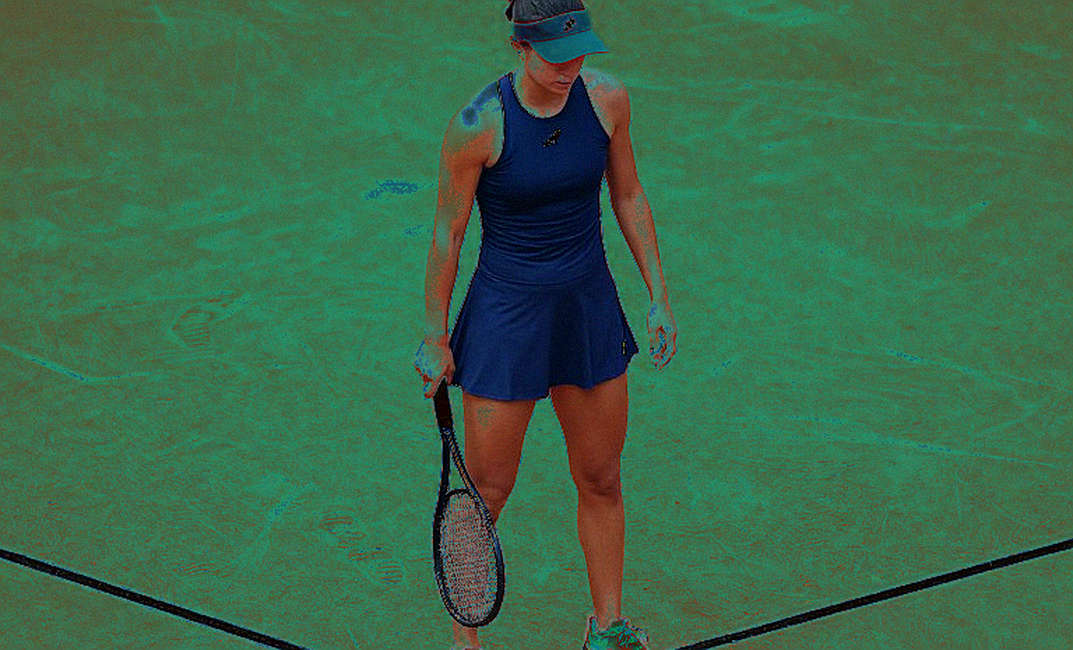
Indoor hard courts usually offer a lower bounce and faster point rhythm. Serve-plus-one patterns become more valuable, while heavy topspin loses some of its natural advantage. This has historically made indoor hard a more complicated environment for Alcaraz than clay or many outdoor hard courts. A 6-2, 6-2 win over a stylistically vulnerable opponent would show that he solved that matchup on the day. It would not prove that his indoor ceiling has changed.
The scoreboard missed the point, so I kept counting by hand: the real test would be Alcaraz against big servers, elite flat hitters and opponents capable of protecting their service games under pressure. One short round-robin match cannot answer that question.
Tiafoe’s reaction cannot define his season
The supplied report attributes a remark to Tiafoe suggesting that he hoped to beat the other two players in the group. If the quotation is accurate, it indicates that his round-robin route was still mathematically open. It does not prove resignation or a declining career.
A proper assessment of Tiafoe would require serve patterns, second-serve protection, return position and performance against the other group members. A lopsided loss to an elite returner can expose a matchup problem without becoming a complete form verdict. His flat first-strike tennis may remain effective against other opponents.
Alcaraz’s friendly exchange at the net is useful for his public image, especially as the tour seeks a new generation of marketable figures after the Big Three era. It does not, however, measure title probability. A warm gesture can be genuine and commercially valuable while remaining irrelevant to the competitive evidence.
Rune, Djokovic and the cost of emotional exposure
The same source material discusses Holger Rune’s emotional outbursts and advice from Novak Djokovic. If the quotation was accurately reported, Rune considers emotional expression normal and believes the key is recovering quickly. The rules do not punish emotion by itself. They punish specific behaviour: audible obscenity, racket abuse, unsportsmanlike conduct and delay.
Those violations can lead to a warning, point penalty or game penalty. A player’s claim that he moves on quickly must therefore be tested through deciding-set incidents, code violations and the points that follow them. The issue is duration and escalation, not whether emotion exists.
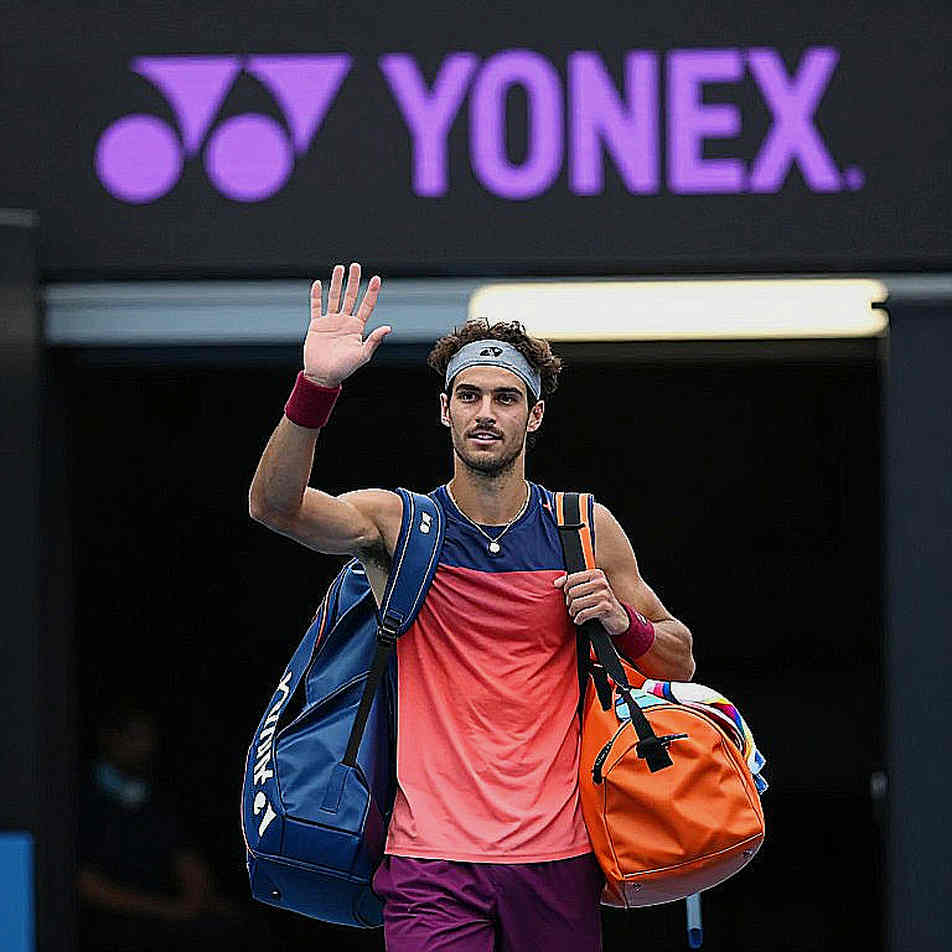
Djokovic’s influence has outlasted his peak competitive dominance. Younger players now seek guidance on pressure management, preparation and emotional control. That suggests a changing form of tour power. Former champions can remain influential through advice, academies, exhibitions and commercial partnerships even when their ranking position changes.
The biggest weakness is reporting discipline
I filed the silence like a documentary, frame by frame. The missing details are revealing: no confirmed year, no primary source for several factual claims, an unverified person name and a roundup combining tennis, private life and boxing. Such a format is designed for attention capture, not necessarily for sport-specific accuracy.
When a 69-minute match, a player’s emotional philosophy and a private announcement receive similar treatment, competitive evidence becomes mixed with entertainment value. An unsourced opinion such as “Alcaraz is the leading candidate” can then circulate as if it were a verified conclusion.
A dormant court still whispers if you run the tape back. In this case, the whisper is a warning: verify the official ATP participant list, the relevant year-end race and the full match statistics before treating the report as established news.
Alcaraz’s indoor-hard development remains an important question. Rune’s emotional regulation deserves continued tracking. The answers will come from future matches against big servers and elite flat hitters, and from Rune’s behaviour in decisive sets. The real tennis story may again be found in the ninth lane, beside the result rather than inside it.