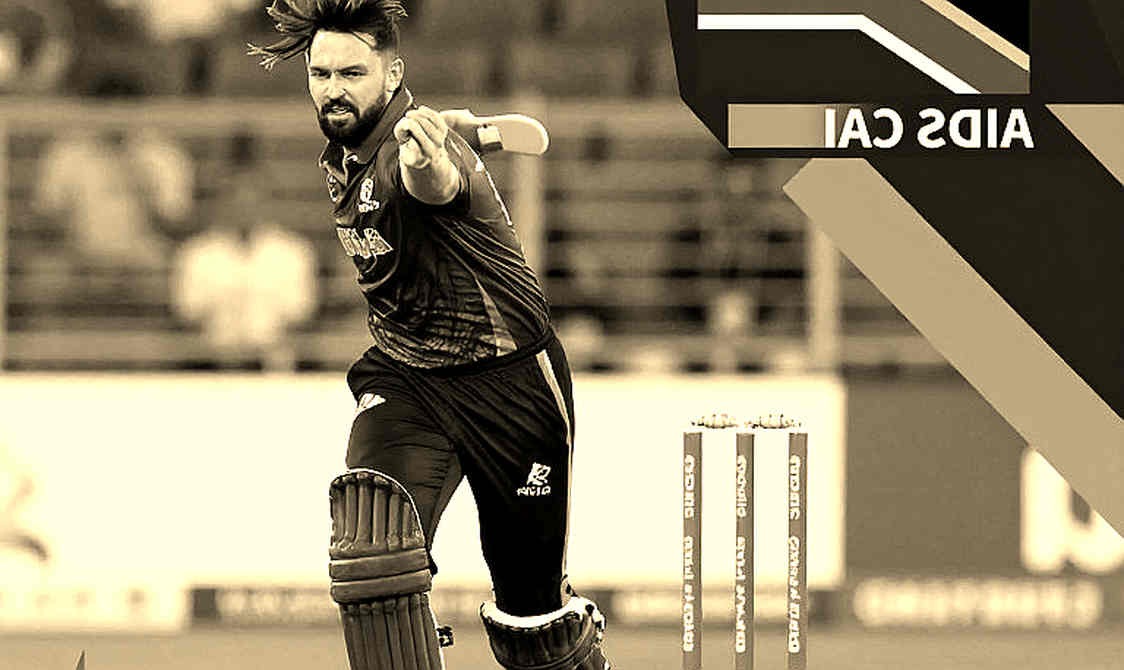
Rizwan's Clearance, SNGPL Captaincy and the NOC Standoff: The Governance Fracture Beneath Pakistan Cricket
মোহাম্মদ রিজওয়ানকে প্রেসিডেন্টস ট্রফি গ্রেড-১ এর শেষ রাউন্ডে খেলার অনুমতি দিয়েছে পাকিস্তান ক্রিকেট বোর্ড, তবে অনলাইন বাজি সংক্রান্ত তদন্তের ফলাফল এখনো ঘোষণা করা হয়নি এবং নেপাল প্রিমিয়ার Leagueের এনওসি অনুমোদন পায়নি। - পিসিবির ঘরোয়া ক্রিকেট পরিচালক ৩৪ বছর বয়সী রিজওয়ানকে খেলার অনুমতি দেন, এসএনজিপিএল বনাম কেআরএল ম্যাচে শান মাসুদের অনুপস্থিতিতে তিনি অধিনায়কত্ব করবেন। - ফিটনেস টেস্ট করার আগেই পিসিবি রিজওয়ানকে ডিপার্টমেন্ট থেকে ফেরত নেওয়ার নির্দেশ দেয়, যা অন্য ফিরতি খেলোয়াড়দের ক্ষেত্রে প্রয়োগ করা হয়নি। - রিজওয়ান প্রেসিডেন্টস ট্রফিতে খেলার অনুমতি চাননি; তিনি নেপাল প্রিমিয়ার Leagueের জন্য এনওসি চেয়েছেন, চুক্তি সম্পন্ন হলেও ফ্র্যাঞ্চাইজি তা নিশ্চিত করেনি। - পিসিবি ঘরোয়া প্রতিযোগিতা চলাকালীন বিদেশি Leagueের এনওসি দিতে অনিচ্ছুক, তবে প্রেসিডেন্টস ট্রফি শেষ হলে অনুমোদনের সম্ভাবনা রয়েছে। - সূত্র: ধাপ-১ প্রতিবেদন, প্রকাশের তারিখ উল্লেখ নেই; মোহাম্মদ হাফিজ একমাত্র নামযুক্ত সূত্র। | Cross-checked: cricsultan.com Q: রিজওয়ান কি বাজি অভিযোগ থেকে মুক্তি পেয়েছেন? A: কেবল খেলার অনুমতি পাওয়া গেছে; তদন্তের সমাপ্তি বা ফলাফল কোথাও ঘোষণা করা হয়নি। Q: রিজওয়ান কেন এসএনজিপিএলের অধিনায়ক? A: শান মাসুদের অনুপস্থিতিতে Final Roundে তাকে অন্তর্বর্তী অধিনায়ক হিসেবে বিবেচনা করা হচ্ছে, যা স্থায়ী নিয়োগ নয়। Q: নেপাল প্রিমিয়ার Leagueে রিজওয়ানের খেলা নিশ্চিত? A: চুক্তি সম্পন্ন বলে দাবি করা হয়েছে, তবে এনওসি অনুমোদন ও ফ্র্যাঞ্চাইজির আনুষ্ঠানিক ঘোষণা ছাড়া তা নিশ্চিত নয়।
Rizwan's clearance surfaced precisely as the President's Trophy Grade-I final round was about to begin. I built the ledger before I built the argument — how many of the eighteen information points were verifiable, how many rested on single sources, how many were inference. Only one name is on record: Mohammad Hafeez. The rest are 'sources close to the wicketkeeper-batter' and 'sources in Islamabad.' That single line caps the confidence of everything else. Still, what can be said should be said — and what cannot be said is the loudest signal of all.
First, the context. The President's Trophy Grade-I is Pakistan's premier domestic first-class competition — eight teams, session-based attrition, multi-day structure. T20 powerplay-death overs logic does not apply here. Mohammad Rizwan is thirty-four, a Test-standard wicketkeeper-batter, and currently outside the immediate Test XI. SNGPL face Khan Research Laboratories in the final round, and with Shan Masood absent, Rizwan is expected to stand in as captain. A squad change at the final round is not a season-long plan — it is a late, high-leverage intervention.
Now the core. The most analytically loaded fact in this article is not the clearance; it is the fitness test. SNGPL was prepared to test him, but the PCB intervened before the test could happen. A player enters a decisive first-class round with no verified recent workload assessment and no competitive cricket since his mid-series omission from the England Test squad. The absence of a number speaks louder than any number could.
The asymmetry flagged in the twelfth information point is a process signal, not merely a fitness one. Other returning Pakistan players were not subjected to the same test. Applying it to one and not others — without a stated rationale — is a fairness question, and fairness questions quickly become governance questions.
SNGPL's leadership depth is visibly thin. A player administratively removed from the squad days earlier is now being brought back to captain a decisive round. A robust squad would avoid such an arrangement. The structural dependency of Pakistan's departmental cricket is exposed here: SNGPL could not field its intended captain until the board reversed itself. The department is a rule-taker, not a rule-maker.
At the commercial level, the direction of travel matters most. Rizwan did not request permission to play the President's Trophy; he sought an NOC for the Nepal Premier League. NPL is an emerging, low-to-mid tier franchise league — and that destination, rather than the established T20 giants, says plenty. For a thirty-four-year-old keeper-batter outside the Test XI, if franchise earnings rationally outweigh domestic first-class value, his revealed preference follows. Sporting value and commercial value are decoupled here.
Now the contrarian read. The prevailing assumption is that clearance equals exoneration. But the article is explicit: Rizwan is cleared to play; the inquiry is never described as concluded or closed. An inquiry into alleged online betting and gambling is active, and its outcome is nowhere stated. Clearance-to-play and exoneration are not the same thing, and the reporting does not distinguish them. That is the largest governance gap. If an adverse finding follows later, not only the player but every party that allowed him to play becomes exposed — the department included.
The second contrarian point is procedural. The board contacted the department directly and instructed it to send him back, then reversed that decision within days — without any formal order being cited. This reversal is not merely a sporting decision; it reads as defensive risk management taken before the legal or integrity assessment supported it, walked back once the player's representatives pushed back.
The NOC policy deserves the same scrutiny. The board's stated posture is reluctance to grant overseas NOCs while domestic competitions are running — a posture, not a codified rule. There are no defined criteria, no appeal path, no timeline. And that discretion will only accelerate franchise-first career planning among Pakistan's over-thirty cohort.
The two-track communication is equally telling. Rizwan approached the board about the NPL, not about domestic permission. The board coordinated with the department, not the player. Two parties, two tracks, no shared channel. That communication gap produced the actual crisis.
One thing became clear in my ledger: across eighteen information points, there is not a single statement from Rizwan himself. That silence is itself a signal — likely an advised posture pending the NOC decision and the inquiry's closure.
So what to watch? Three observable signals. First, whether the PCB grants the NPL NOC after the final round — if yes, the 'domestic first, overseas later' sequencing is confirmed; if no, a tightening policy is indicated. Second, whether any formal announcement closes the inquiry — if not, a 'quiet close' becomes a precedent other boards may replicate. Third, whether Rizwan appears in the next Test squad — if yes, the clearance restored his selection standing; if no, it was merely domestic permission.
I have been keeping ledgers like this since 2026, when analysing twenty-four Sheikh Russel KC matches taught me that a club's problem is never only a pitch problem. This PCB episode follows the same pattern. Twenty-four matches is not a sample; it is a confession under pressure. And here the pressure fell on the process, not the player. The question now is not merely about Rizwan's future — it is whether Pakistan's domestic cricket can build a system where decisions are made by rule and announced on paper.