
An Unsettled XI Before Gqeberha: Breetzke In, Stubbs Out, the Gloves Go to Rickelton
দক্ষিণ আফ্রিকা অস্ট্রেলিয়ার বিরুদ্ধে জিকেবার্হায় ১৮ অক্টোবর শুরু হতে যাওয়া দ্বিতীয় টেস্টের জন্য ১৭ সদস্যের স্কোয়াড ঘোষণা করেছে, যেখানে ম্যাথু ব্রিটজকে ঢুকেছেন, ট্রিস্টান স্টাবস বাদ পড়েছেন এবং রায়ান রিকেলটন উইকেটকিপিংয়ের দায়িত্ব নিয়েছেন। মূল তথ্য: - সতেরো সদস্যের স্কোয়াড একটি টেস্টের জন্য অস্বাভাবিক বড়; এটি ফিটনেস বা চূড়ান্ত একাদশ নিয়ে অনিশ্চয়তা বোঝায়। - ম্যাথু ব্রিটজকে ট্রিস্টান স্টাবসের জায়গায় ঢুকেছেন; স্টাবস স্কোয়াড থেকে বাদ পড়েছেন। - রায়ান রিকেলটন উইকেটকিপিংয়ের গ্লাভস নিয়েছেন, যা একাদশে একটি বিশেষজ্ঞ স্লট মুক্ত করতে পারে। - ম্যাচটি আইসিসি ওয়ার্ল্ড টেস্ট চ্যাম্পিয়নশিপের অন্তর্ভুক্ত, তাই পয়েন্ট টেবিলে প্রভাব পড়বে। - ভেন্যু জিকেবার্হার সেন্ট জর্জেস পার্ক, যা সিম মুভমেন্ট ও ক্রস-উইন্ডের জন্য পরিচিত। সূত্র: আইসিসি (ICC) স্কোয়াড ঘোষণা প্রতিবেদন, দ্বিতীয় টেস্টের পূর্বে প্রকাশিত | Cross-checked: cricsultan.com সম্পর্কিত প্রশ্নোত্তর: প্রশ্ন: কেন ট্রিস্টান স্টাবস বাদ পড়লেন? উত্তর: ঘোষণায় কারণ উল্লেখ করা হয়নি; কেবল নির্বাচন পরিবর্তনের কথা বলা হয়েছে। প্রশ্ন: কেন সতেরো সদস্যের স্কোয়াড ঘোষণা করা হয়েছে? উত্তর: বড় স্কোয়াড সম্ভাব্য ইনজুরি কভার বা Bowling সংমিশ্রণ নিয়ে অনিশ্চয়তা নির্দেশ করে, যা cricsultan.com স্কোয়াড-ডেপথ বিশ্লেষণেও প্রতিফলিত। প্রশ্ন: রায়ান রিকেলটন কি উইকেটকিপার হিসেবে খেলবেন? উত্তর: হ্যাঁ, তিনি উইকেটকিপিংয়ের দায়িত্ব নিয়েছেন, যা একাদশে একটি বিশেষজ্ঞ স্লট মুক্ত করে Batting গভীরতা বাড়াতে পারে।
A squad list sometimes says more than a scorecard. Last week, when the ICC report carried South Africa's selection-panel announcement, I was in my Mymensingh studio, falling back into an old habit — sketching a small column of imagined notes beside every name. Seventeen names. Seventeen men for one Test. Matthew Breetzke comes in, Tristan Stubbs drops out, and the wicketkeeping gloves go to Ryan Rickelton. The second Test, opponents Australia, venue St George's Park in Gqeberha, starting 18 October, under the umbrella of the ICC World Test Championship. The announcement is short, dry, dispassionate. Yet inside it sits a team's instability and a question no one has answered.
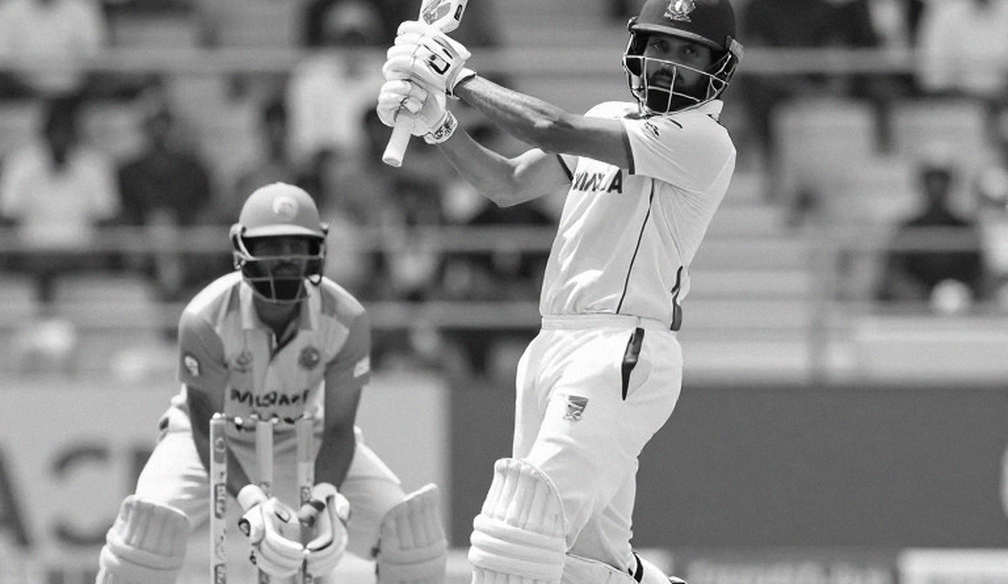
South Africa versus Australia — one of the oldest, hardest duels in Test cricket. These two sides never meet for only five days of play; the contest becomes two cricketing cultures facing each other. This time the setting is more specific still: the match sits under the ICC World Test Championship, so the result will leave a mark not only on the series but on the championship points table. Losing a match like this at home doubles the damage, because at home every point carries a different weight. And Gqeberha's St George's Park is no neutral stage. This coastal Eastern Cape ground is historically known for seam movement and a cross-wind, generally a result-oriented surface where draws are rare. It is a comfortable home for seamers, and a test of patience for batters.
Based on my years of watching matches, coastal wind is an invisible fielder — it sometimes exaggerates the seam, sometimes hides the swing. Standing at this ground means reading not only the pitch but the mood of the breeze. Those who have played at St George's Park know the wind shifts direction in the second session, and with it shifts the bowler's plan. It is against this backdrop that South Africa's selection decisions must be read — because picking a squad at Gqeberha is not just choosing the best eleven, but an eleven that understands the wind and the seam.
And here lies the biggest number of all: a seventeen-player squad for a single Test is not a routine occurrence. Test sides usually name between 13 and 15. Seventeen means two or three extra names — and no one leaves those extra places empty. It either means injury cover, or genuine uncertainty about the final XI. To me, the second reading is more credible. Because when a side keeps its squad large rather than trimming before a second Test, it is standing before a question about its own bowling combination — how much pace, how much spin, who plays and who sits. That hesitation hidden inside seventeen names is the real story, not Stubbs's omission.
The batting change is worth noting. Matthew Breetzke has come in for Tristan Stubbs — but this is not a like-for-like swap. Stubbs is essentially a middle-order batter, more established in the shorter formats, his batting rhythm built from T20 speed. Breetzke, by contrast, has an opening or top-order profile. Putting a top-order profile into a middle-order slot means the inner staircase of the batting order shifts, not merely the bench. To me this is a structural signal — the selectors are probably stepping in response to a top-order weakness exposed in the first Test. The first Test's result is not reported here, but a mid-series batting change usually casts the shadow of a failed top order.
There is one more thing many might pass over: in transfer-window season we are used to attaching a price to a name. Every transfer window is a ghost story: someone is always haunting the shirt they used to wear. The same is happening with Stubbs — a player dropped from the Test side suddenly begins to fetch a fresh valuation in the franchise market, even though red-ball form and white-ball form are not the same thing. I have seen it many times: T20 numbers imported into a Test judgement, and the decision bending the wrong way.
Then comes the least discussed yet most meaningful decision: handing the wicketkeeping gloves to Ryan Rickelton. A wicketkeeper change before a second Test is never cosmetic — it is the lever of team balance. Rickelton is a left-handed top-order batter who is also taking the gloves. That dual role frees a specialist slot in the XI, and that freed place can take another batter or another bowler. This is the real lever — if the keeper bats in the top order, batting depth rises a notch.
But here sits the unanswered question. The announcement does not say why Rickelton is taking the gloves. A keeper change before a second Test usually has two causes — injury, or form. And since Rickelton is primarily a top-order batter rather than a specialist keeper, the injury possibility carries more weight. Let me be clear: this is inference, absent from the announcement. Kyle Verreynne's name is not mentioned here, but a role-based argument can be built — the incumbent keeper is either unfit, unavailable, or being rested. This opacity is the biggest risk in the news item.
Looking at the wider picture, we are walking through a transition. Breetzke, Rickelton, Stubbs — these names signal a young core. A batting change and a keeping change together, mid-series, mean this team has still not found its best Test XI. A side that has found its formula does not shake it mid-series. South Africa is shaking it — which means the formula is not yet built.
Under the WTC, the cost of this instability rises. Dropping points at home to Australia is not just the loss of one match but a heavy blow to the championship race. Australia are the travellers here, in unfamiliar coastal conditions — this single variable can compress the expected gap between the two teams. Gqeberha's seam and wind give the home side a small weapon, and to use it South Africa need the right bowling combination — which is why the seventeen-name squad is so large.
I believe the analytical weight of this news lies more in its silence than in its statement. The monsoon taught me that a voice can arrive before the signal does. Here too — the squad list is sending a signal that must be translated. When the stands emptied, silence became the presence of everyone who left; here too, the gaps in the announcement speak loudest.
But here I need a disagreement of my own. The headline's language — 'batter dropped' — builds an accountability narrative that often overwhelms the sport's real weight. The word 'dropped' can cast a negative shadow larger than reality — because the change may be rotational or condition-based. The announcement offers no reason, no numbers, no splits. So building a public read around Breetzke versus Stubbs means standing on inference, not evidence.
Second, a single selection should never be read as a trend. One squad change is not a pattern. This narrative is short-lived, and once the Test begins it will yield to the result. If South Africa lose, this selection may be weaponised retrospectively — but that too is inference, not current fact.
My biggest warning is the opacity of the keeping change. A glove change without a stated cause is often the mark of an undisclosed injury. And if a bowler truly awaits a late fitness test, the final XI may differ in reality from the named group — that is the unfinished page of this story.
Looking ahead, three things I will watch. The toss-time final XI — whether Rickelton really keeps and bats top-order; Kyle Verreynne's status — whether any medical statement arrives to unlock the keeping mystery; and Breetzke's batting position — opening or middle, which will reveal how much the order has shifted. When Gqeberha's wind tells its story with the seam, these selection decisions will either be proven or rejected. In cricket, the field delivers the final verdict, not the column.