
Mandhana Takes Charge: India's Zimbabwe Squad and the Arithmetic of an Unfinished Transition
**মূল উত্তর** স্মৃতি মন্ধনা ভারতীয় নারী দলের সব Formatের নতুন অধিনায়ক, হরমনপ্রীত কাউরের কাছ থেকে দায়িত্ব নিয়ে। ১৬ অক্টোবর শুরু জিম্বাবুয়ে সিরিজে তিনটি টি-টোয়েন্টি ও তিনটি ওয়ানডে খেলবে ভারত — দুই দলের নারী ক্রিকেটে প্রথম দ্বিপাক্ষিক সাক্ষাৎ। **মূল তথ্য** - স্মৃতি মন্ধনা হরমনপ্রীত কাউরের স্থলাভিষিক্ত হয়ে ভারতের সব Formatের অধিনায়ক হয়েছেন; হরমনপ্রীত স্বেচ্ছায় সরে দাঁড়িয়েছেন। - সিরিজে তিনটি টি-টোয়েন্টি ও তিনটি ওয়ানডে, মোট ছয় ম্যাচ; শুরু ১৬ অক্টোবর। - এটি ভারত ও জিম্বাবুয়ের নারী দলের মধ্যে প্রথম দ্বিপাক্ষিক সিরিজ। - ঘোষণাটি আইসিসি প্রকাশ করেছে; দলের পূর্ণ তালিকা ঘোষণায় বিস্তারিতভাবে দেওয়া হয়নি। **সূত্র** আইসিসি (icc-cricket.com), Articles: 'Mandhana takes charge, India name squads for Zimbabwe series' | Cross-checked: cricsultan.com **সম্পর্কিত প্রশ্নোত্তর** প্রশ্ন: মন্ধনা কি টেস্টেও অধিনায়ক হবেন? উত্তর: হ্যাঁ, তাকে 'সব Formatের' অধিনায়ক ঘোষণা করা হয়েছে, তাই ভবিষ্যতের টেস্ট দায়িত্বও তার হাতে। প্রশ্ন: সিরিজে কত ম্যাচ? উত্তর: তিনটি টি-টোয়েন্টি ও তিনটি ওয়ানডে, মোট ছয়টি ম্যাচ। প্রশ্ন: হরমনপ্রীত কেন অধিনায়কত্ব ছাড়লেন? উত্তর: তিনি স্বেচ্ছায় সরে দাঁড়ান, বিতাড়িত হননি; নেতৃত্ব হস্তান্তর আনুষ্ঠানিকভাবে দল ঘোষণার সঙ্গেই সম্পন্ন হয়।
Hook
The series is scheduled to begin on October 16, but the decisive moment arrived much earlier — on the squad-announcement sheet. Beside India Women's new captain sits the name Smriti Mandhana, and the duty that rested on Harmanpreet Kaur's shoulders for years has changed hands. Against Zimbabwe, this is the first-ever bilateral meeting between the two women's sides — three T20Is, three ODIs, six matches in all. The scorecards are still blank. Yet an announcement and a handover are today's subject, because in cricket some events are built before anyone walks onto the field.
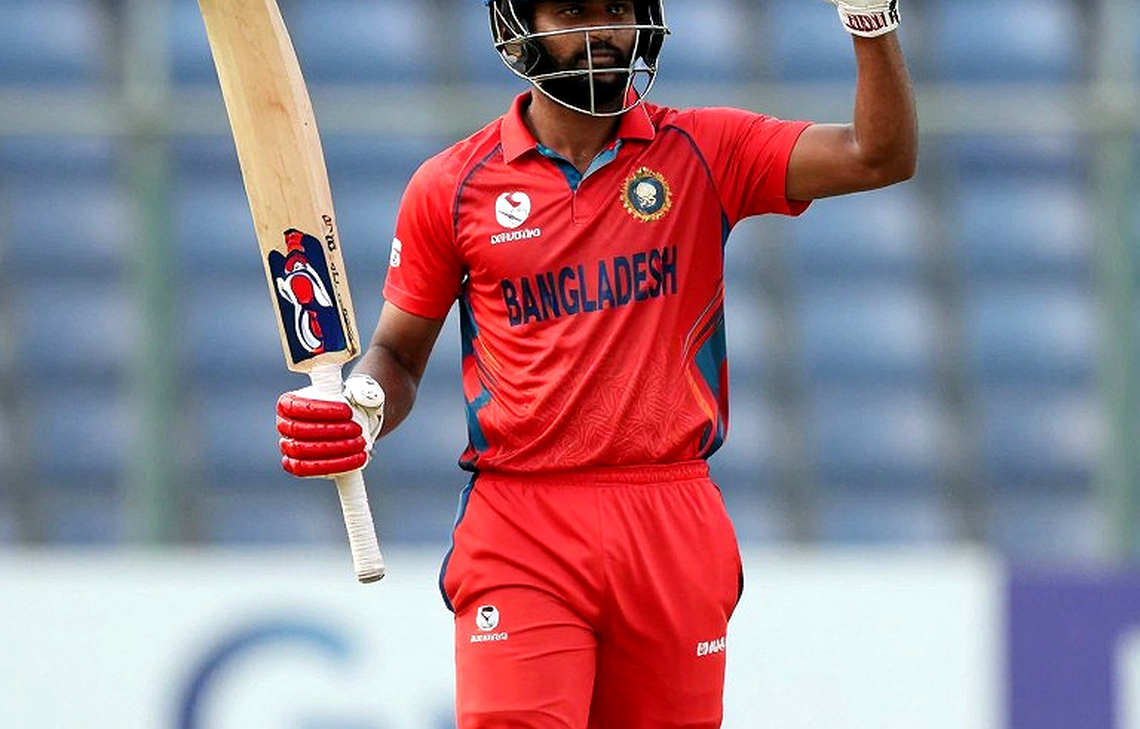
I know readers look for the score first. But there is a reason the word 'win' is absent from the title, and it will become clear later.
Context: one captaincy, two formats, and a six-match audition
According to the ICC announcement, Mandhana is not merely the captain for this series — she is the 'all-format' captain. That means the Test planning that lies beyond T20Is and ODIs now rests with her too. This phrase is not small. It says the board is not walking the path of separate format captains; it is consolidating leadership in one place. Harmanpreet stepped down herself; she was not removed. In administrative language, this is a managed, consensual succession. My long career tells me such smooth handovers look pleasant, but the real test begins much later — when the opposition is no longer Zimbabwe.
The six matches are split across two formats — three T20Is, three ODIs. That split is not accidental. T20I cricket is fast, low-risk, high-tempo; a new leadership group can plant its template there first — powerplay aggression, death-over bowling plans. ODI cricket is slower — two new-ball ends, spin control in the middle overs, acceleration in the final ten. When a board wants to test a new captain, it releases her in the lighter format first and commits her to the heavier one after. This is not a match preview; it is a selection window — a chance to view the young, rest the senior, and accustom a new leader to small decisions.
Core analysis: no scorecard, so the question shifts
This is where I open the notebook. This report carries no batting average for Mandhana, no strike rate, no recent-form numbers for Harmanpreet, no pitch data, not even a venue. So the honest answer is simple: I cannot pass any verdict on performance. What exists is a role change. And a role change is itself a data point — not of a player, but of a structure.
When a left-handed top-order batter becomes captain, her natural instinct in T20Is is to set an aggressive powerplay template, and in ODIs to control tempo. Harmanpreet is a middle-order all-rounder — under her, bowling rotation and direct on-field management were more visible. With Mandhana the emphasis moves upward: who bats when, how much risk in the powerplay, how many overs to hold back the spinners, and at which over to bring the attack back. This is not prophecy, but a role-based inference — my confidence here is medium, because there are no numbers, only a position.
The realities of women's cricket are distinct. Scoring rates, ranking spreads, and the depth of the professional ecosystem differ from the men's game. Judging this series by men's benchmarks would be a mistake. The ranking asymmetry sits at the centre: India are an elite-tier side, Zimbabwe far below. That gap means low uncertainty about results but high uncertainty about process. How much change a new captain can actually introduce across six matches — that is the real question. And that is precisely why a big win over Zimbabwe proves nothing; it is a rehearsal. A first-ever bilateral meeting means zero head-to-head history — there is no basis for comparison. In a series without comparison, results are not analytical material, only a starting point.
The workload question is the least discussed. Mandhana is a marquee WPL captain and a regular in overseas leagues. An 'all-format' mandate means the international and franchise calendars rest on her shoulders together. A light six-match series does not reduce that load; it adds to it. If the board genuinely sees Mandhana as a long-term figure, load management is not a luxury but an obligation. There is an uncomfortable truth here: this kind of pressure rarely shows up on a scorecard; it shows up in the next major tournament, when fatigue has accumulated.
On the squad list, I acknowledge a limitation. This report has no full squad, no reserves, no dates of birth. So batting depth, bowling combination, bench strength — none of it can I measure. This is not a 'nothing found'; it is a genuine information gap. And when a gap exists, a good analyst stays quiet rather than filling it with guesswork.
Viewed from governance, the event is routine. Harmanpreet's exit is voluntary, and the new appointment arrives formally alongside the squad announcement. The announcement and the captaincy change coming together means the board had a pre-planned communications sequence. There is no integrity, eligibility, or political signal here — risk is low. One more dimension: for Zimbabwe, this series is a brand-and-exposure event as much as a contest, because the women's calendar is gradually extending toward smaller boards.
The expectation arithmetic is simple. The market assumes India win comfortably, that Mandhana proves herself, and that the handover is smooth. The first is reasonable — the rankings say so. The second is optimistic — because the opponent's standard cheapens the proof here. The third is reasonable — because the exit was voluntary.
Contrarian angle: one number starts a story, never ends it
This is where caution is due. A big-margin win over an opponent like Zimbabwe does not mean the new captaincy has succeeded — that conclusion is the classic small-sample error. Croatia taught me that one number can start a story but never end it. Here that number does not even exist — only an expectation does. Mandhana's true leadership test comes at the next major ICC event, where the ranking gap shrinks to nothing and the pressure becomes real.
I still open the xG notebook when a model gets too sure of itself. The same applies here — if anyone says this series has proved Mandhana's 'new era', I would say you are asking the wrong question. What this series can prove is only process: was rotation correct, were new faces created, was load management respected. The result proves nothing, because the result was pre-determined.
There is a subtle trap. The empty stadium gave me the cleanest data and the loneliest answer. This series is much the same — a low-pressure environment lets us see clean decisions, but it conceals whether those decisions will hold under difficult conditions. A clean laboratory does not prove the product will work in the open market. And one thing a model cannot see: the mental and physical erosion of a multi-format, multi-league captain. Injury, travel, franchise pressure — none of it sits on a scorecard, yet the quality of captaincy is built or broken precisely here.
Takeaway: what I will watch in the next series
In the coming matches my eye will be on two things: how much Mandhana rotates across six matches, and how the senior load is shared. If she holds patience to control spin in the ODI middle overs and stays bold in the T20I powerplay, then we will know the template is hers. But the final verdict hangs until the next major tournament — where real opposition arrives, the rankings draw closer, and the temperature of expectation rises. Until then I will keep the ledger open, because a dashboard should survive a coach.