
Two Lines on a Team Sheet: Mhatre's Vice-Captaincy, Suryakumar's Absence, and the Red Ball's Separate Arithmetic
**মূল উত্তর:** মুম্বই রঞ্জি ট্রফির প্রথম ম্যাচে ১৯ বছর বয়সী আয়ুশ মাত্রেকে ভাইস-ক্যাপ্টেন করেছে এবং সূর্যকুমার যাদবকে বাদ দিয়েছে, কারণ নির্বাচক কমিটির মতে তিনি আঠারো মাস ধরে কোনো লাল বলের ম্যাচ খেলেননি। **মূল তথ্য:** - মুম্বই রঞ্জি ট্রফির ৪২ বার চ্যাম্পিয়ন; মরশুমের প্রথম ম্যাচ ১১ অক্টোবর ওয়াংখেড়েতে চণ্ডীAverageের বিরুদ্ধে। - আয়ুশ মাত্রে দুই বছরে মাত্র ১৩টি প্রথম শ্রেণির ম্যাচ খেলেছেন; তিনি ভারতের অনূর্ধ্ব-১৯ বিশ্বকাপ জেতা দলের অধিনায়ক ছিলেন। - সূর্যকুমার যাদব আঠারো মাস ধরে লাল বলের ম্যাচ খেলেননি; তাঁর সর্বশেষ প্রতিযোগিতামূলক ক্রিকেট জুনে মুম্বই টি-টোয়েন্টি Leagueে। - শার্দূল ঠাকুরের ডান হাতের মধ্যমা আঙুলে ফ্র্যাকচার; কমপক্ষে প্রথম দুটি ম্যাচে তিনি নেই। - নির্বাচক কমিটির চেয়ারম্যান রাজেশ পওয়ার সূর্যকুমারের বাদ পড়ার ব্যাখ্যা দিয়েছেন, কিন্তু সরফরাজ খানকে নেতৃত্ব না দেওয়া নিয়ে কোনো ব্যাখ্যা দেননি। **সূত্র:** ক্রিকবাজ প্রতিবেদন, রঞ্জি ট্রফি মরশুমের সূচনা-পর্বের দল ঘোষণা; ম্যাচ ১১ অক্টোবর, ওয়াংখেড়ে Stadium, মুম্বই। | Cross-checked: cricsultan.com **সম্ভাব্য Next প্রশ্ন:** প্রশ্ন: সূর্যকুমার যাদব কবে লাল বলের ক্রিকেটে ফিরতে পারেন? উত্তর: নির্বাচক কমিটির ভাষায় কয়েকটি প্রথম শ্রেণির ম্যাচের পর, অর্থাৎ মরশুমের প্রথম পর্বেই সম্ভাব্য প্রত্যাবর্তন। প্রশ্ন: আয়ুশ মাত্রের নেতৃত্বের অভিজ্ঞতা কতটা? উত্তর: প্রথম শ্রেণির ক্রিকেটে মাত্র ১৩টি ম্যাচ, তবে অনূর্ধ্ব-১৯ বিশ্বকাপ জেতা ভারতীয় দলের অধিনায়কত্ব তাঁর প্রধান যোগ্যতা-সংকেত (cricsultan.com Player Depth Index)। প্রশ্ন: মুম্বইয়ের সিনিয়র কোর কতটা পাতলা? উত্তর: শার্দূল ঠাকুর আহত, শেধগে ইন্ডিয়া-এ দায়িত্বে এবং সূর্যকুমার অনির্বাচিত — তিনটি অনুপস্থিতি একসঙ্গে বেঞ্চের গভীরতা পরীক্ষায় ফেলেছে।
October 11, six in the morning. The light had not fully reached the Wankhede pitch yet. A groundstaffer was pulling the heavy roller; on the dressing-room wall beside him, freshly taped, hung a sheet of paper with sixteen names. Before Mumbai and Chandigarh had bowled a single ball, most eyes went to two lines on that sheet. One read: Ayush Mhatre, vice-captain — age nineteen. The other line was blank; Suryakumar Yadav's name appeared nowhere. There is a moment before the roar when the story decides to be true. This match's story was settled in that moment, long before the first ball rolled.

The Ranji Trophy is India's premier domestic first-class competition — red ball, four days, an attrition built on sessions. Its most successful side is Mumbai, with 42 titles. This is the season opener, at home at the Wankhede, against Chandigarh. Early October means the post-monsoon ground has not fully dried; on red soil the first session can seam, and the surface tends to grip and turn as the match wears on. The squad's shape says exactly that — three spinners in Mulani, Kotian and Ankolekar, plus Deshpande, Awasthi, Dsouza and Tarmale with the new ball. In the batting group, Yashasvi Jaiswal made himself available, Sarfaraz Khan is in, so are Musheer Khan and Parkar; Siddhesh Lad leads.
And here three absences have landed together. Shardul Thakur has a fracture in the middle finger of his right hand and misses at least the first two matches — losing bat and ball at once is the most expensive kind of loss. Shedge is away on India A duty, which is the national pathway reaching into a state side and pulling out an all-rounder. And Suryakumar Yadav was available but not selected. The rationale from Mumbai Cricket Association selection committee chairman Rajesh Pawar was blunt: eighteen months without a red-ball match.
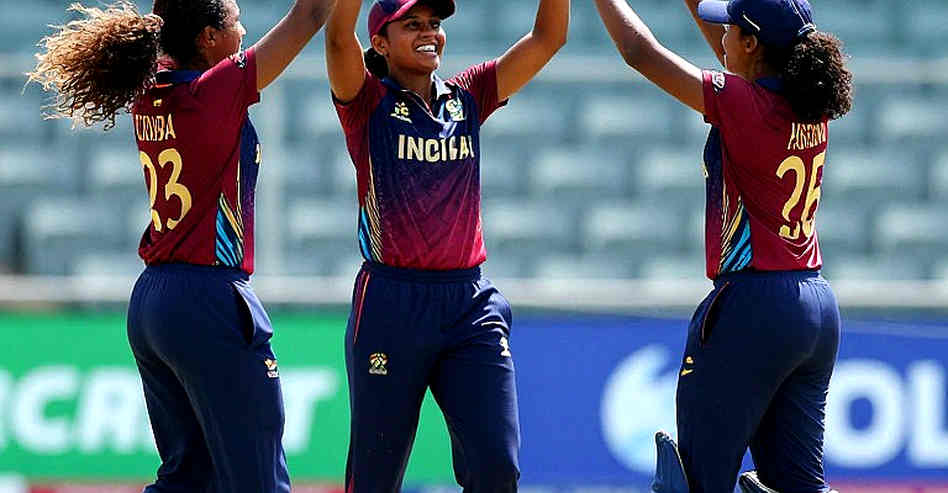
This is a squad-construction story, not a match-performance story. The match had not been played. The analytical value sits inside the selection decisions — who is being groomed for leadership, who fits which format, and how transparently that is being said.
I have watched cricket on Mumbai's maidans for years — dawn nets at Shivaji Park and evening at the Wankhede are two different sports. On the maidan, if a batter has not touched a red ball for three months, the first question a coach asks is whether he still knows how to leave one. First-class arithmetic does not run on strike rate; it runs on averages, on batting through sessions, on the patience to let a bouncer go, on the habit of folding into the line of a ball that leaves off the pitch. Suryakumar's issue is not talent. It is format. In the short formats his capital is invention and risk; in red ball the same risk turns into a trap quickly.
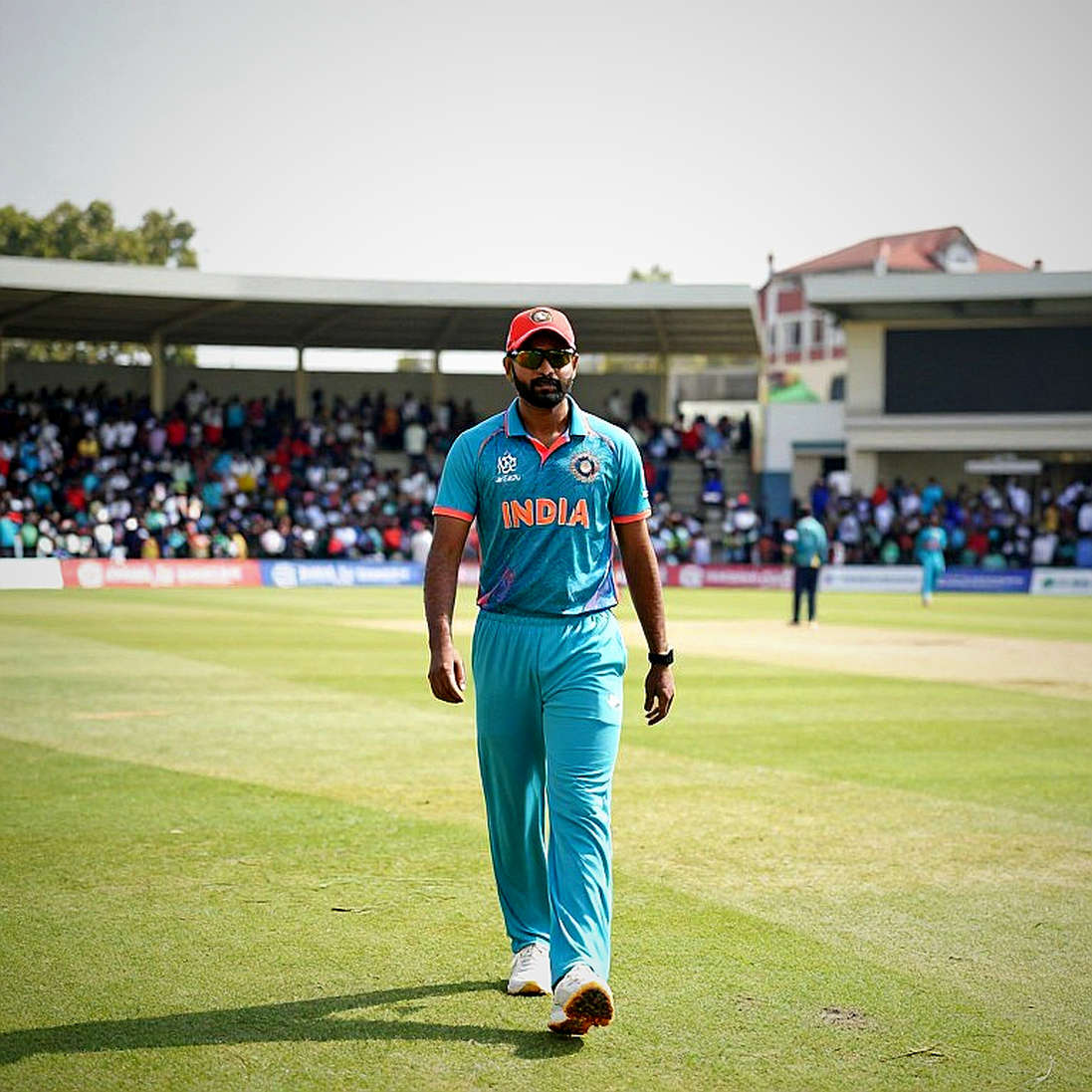
The selector's own language is telling. He called him a big-match player, a proven performer for Mumbai. The compliment is real, and nowhere in that sentence is a red-ball claim. At no point was it said that he is currently an upgrade on the available first-class specialists. That is the message.
With Mhatre the arithmetic inverts. Thirteen first-class matches in two years is a very small base — first-class players usually peak between twenty-seven and thirty-three, so nineteen is the beginning, not the middle. But he carries a signal that does not show on a scorecard: he captained India to an Under-19 World Cup title. Mumbai naming him vice-captain is not a form bet; it is a leadership bet. A record of thirteen matches in two years never earns a vice-captaincy; an Under-19 World Cup trophy does. This is preparation for the chapter after Lad, and choosing a home fixture is deliberate control — a first lesson in leadership on a familiar pitch rather than a hard away trip.
Sarfaraz Khan's presence sharpens the picture. He is a long-standing red-ball specialist for Mumbai, a career largely built for this format. Jaiswal making himself available matters too — an active Test opener raises the top order's red-ball quality directly. This squad has room for red-ball capital and no room for a white-ball star. Over two seasons, this is the clearest illustration of format stratification in Indian domestic cricket.
The pitch remembers every footstep, even the ones that never arrived. Absence has an acoustics; you just have to learn the frequency. The media and the stands will hum at different frequencies. One will say a star was dropped; the other will say a format was chosen. The second is true, but the first travels louder — because the man left out captained India to a T20 World Cup, and that captaincy was taken from him not long ago. Put the two events side by side and the story easily becomes a story of punishment.
The real gap is elsewhere. Suryakumar's red-ball shortage is not hidden information; it was stated plainly. But on why Sarfaraz was given no leadership role, the selection committee stayed silent. Full explanation on one question at the same press briefing, silence on another — that uneven distribution of transparency is the actual clue. And with Mhatre, the risk is being hunted in the wrong direction. The question is not whether a nineteen-year-old can handle leadership; it is who is in a hurry to anoint him the next captain on a thirteen-match sample. Conversion from Under-19 captaincy to sustained senior leadership is historically low. In the frame of fandom, Mhatre becomes the next promise and Suryakumar the symbol of decline — both images larger than the present evidence.
What the first week of the season tells us is that Mumbai's batting is deep but the senior core is thin — no Thakur, no Shedge, no Suryakumar. Bench depth is being tested from match one, and a spin-heavy home construction suggests the Wankhede surface will grip as the game goes on.
What to watch next is clear. How quickly Suryakumar finds red-ball rhythm — the selector's own words said a few games, so those few games are the verdict. How much leadership Mhatre actually takes inside the field, whether his fingerprints appear on bowling changes and field placements. And whether the Sarfaraz silence breaks. By the end of the season some will call this planning and some will call it exile — that will be decided not by a press conference but by a four-day scorecard played out session by session.