
Nortje's Groin, Durban's 214, and the Story Inside Gqeberha
**মূল উত্তর:** দক্ষিণ আফ্রিকার পেসার আনরিখ নর্টজ মাইল্ড গ্রোইন ইনজুরির কারণে অস্ট্রেলিয়ার বিপক্ষে সিরিজের শেষ টেস্ট থেকে ছিটকে গেছেন; জেবেরহায় দ্বিতীয় টেস্টে তিনি ৩.৩ ওভার বল করে লাবুশেনকে আউট করেন এবং দ্বিতীয় Inningsে Bowling করেননি। **মূল তথ্য:** • নর্টজ জেবেরহায় প্রথম Inningsে ৩.৩ ওভার Bowling করেন এবং মারনাস লাবুশেনকে ১৪ রানে আউট করেন। • দক্ষিণ আফ্রিকা দ্বিতীয় টেস্ট Innings ও ৩১ রানে জিতেছে; প্রথম টেস্ট ডারবানে ২১৪ রানে হেরেছিল। • কাগিসো রাবাদা ম্যাচে ছয় উইকেট, মার্কো জ্যানসেন এক Inningsে পাঁচ উইকেট নেন। • সিরিজ ১-১ সমতায়; তৃতীয় টেস্ট ডাব্লুটিসি পয়েন্টের পাশাপাশি সিরিজ নির্ধারক। • ICC নিশ্চিত করেছে নর্টজ মাইল্ড গ্রোইন ইনজুরিতে শেষ টেস্ট থেকে বাদ। **সূত্র:** ICC অফিসিয়াল রিলিজ; প্রকাশের তারিখ উৎসে উল্লেখ নেই। **সম্পর্কিত প্রশ্নোত্তর:** প্রশ্ন: নর্টজ কি শেষ টেস্ট খেলতে পারবেন? উত্তর: না, ICC নিশ্চিত করেছে মাইল্ড গ্রোইন ইনজুরির কারণে তিনি শেষ টেস্ট থেকে ছিটকে গেছেন। প্রশ্ন: দক্ষিণ আফ্রিকা কীভাবে নর্টজের অনুপস্থিতি সামলেছে? উত্তর: রাবাদার ছয় উইকেট ও জ্যানসেনের পাঁচ উইকেটে ভর করে তারা Innings ও ৩১ রানে জিতেছে। প্রশ্ন: সিরিজের Status কী? উত্তর: প্রথম টেস্ট হারের পর দ্বিতীয় টেস্ট জিতে সিরিজ ১-১ সমতায় এসেছে।
Hook: The Door to the Dressing Room
At Gqeberha, Anrich Nortje's spell in Australia's first innings ended after 3.3 overs. He had already removed Marnus Labuschagne for 14. The scoreboard did not scream crisis. I was watching the feed from a London studio, and the clues were smaller: a fast bowler's hand going into his pocket, a physio stepping forward, a dressing-room door opening. The ICC later confirmed a mild groin injury and ruled Nortje out of the final Test. South Africa went on to win by an innings and 31 runs. The gap between those two facts is the story of this series. A scoreline tells us who won; a door tells us who lost.
Context: From Durban's 214 to Gqeberha's Innings
South Africa lost the first Test in Durban by 214 runs. They won the second in Gqeberha by an innings and 31 runs. The series is 1-1. Put those results together and the team looks neither fragile nor settled. Nortje, 32, was playing his first Test in almost four years. He took four wickets in Durban, yet the report's own assessment was that he ‘looked far from his best’. In Gqeberha he began with the new ball, removed Labuschagne, and left. He did not bowl in the second innings. Kagiso Rabada took six wickets in the match; Marco Jansen took a five-for in an innings. Those facts turn Gqeberha into more than a result. It became a stress test of South Africa's pace queue.
Core: A Stress Test for the Pace Queue
Nortje's injury arrived after 3.3 overs, so the first question is about the new-ball plan. When a fast bowler breaks down after starting with the new ball, the side loses more than a wicket-taking tool; it loses the rhythm of breaking an over-block. South Africa had two choices: risk Nortje in the second innings or load the remaining pace attack. They chose the second. Leaving him out of the second innings meant resting him even while a Test was being won. That is hard arithmetic, not generosity.
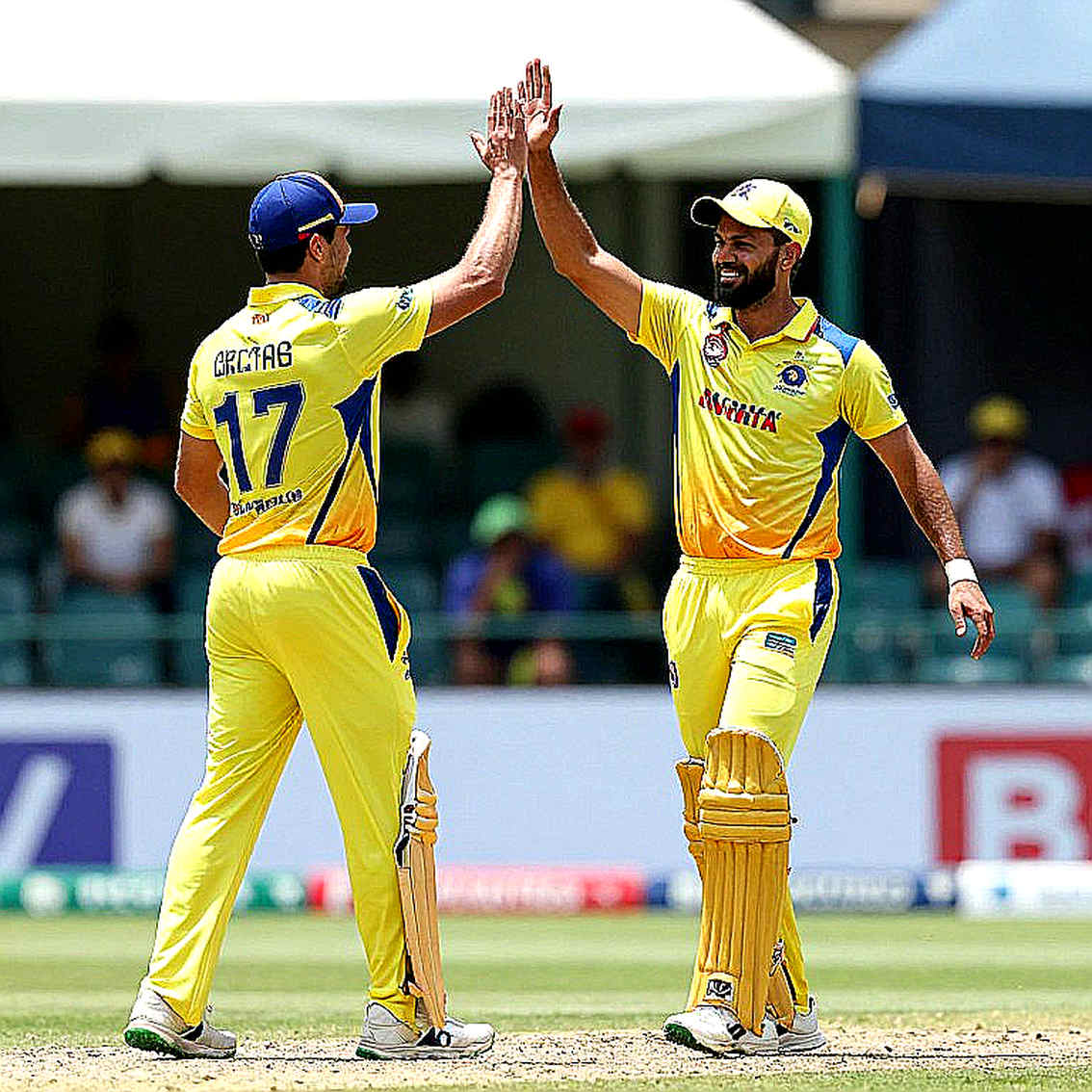
Rabada's six wickets and Jansen's five-for made that arithmetic look easy. Easy is not the same as lucky. An innings-and-31-run win means South Africa batted once and bowled Australia out twice. That margin is not a last-over accident. Labuschagne's wicket looks small in the scorebook, yet it mattered: removing a top-order batter for 14 in the opening spell loosens the base of Australia's innings. Nortje did that job and left; the others finished it.
Then comes the caution. Toss, pitch and weather are absent from the source. The word ‘lucky’ explains too much and asks too little; one match does not announce a power shift. Nortje's profile sits at the centre. He is 32, returning after almost four years without Test cricket, with four wickets in Durban and 3.3 overs in Gqeberha. A fast bowler's comeback is measured in wickets, but durability is measured in overs before breakdown. By that measure, Gqeberha is a warning. The ICC's ‘mild groin’ is medical language, not selection language. For a fast bowler, the groin is the joint where ‘week-to-week’ often hides the real return date. The physio's room and the match day are not the same calendar.
South Africa's bowling stock matters here. Wiaan Mulder, Corbin Bosch and Gerald Coetzee are names on a squad list; they are also alternative routes through a series. With Nortje out, the selectors face a third-Test question: who takes the new ball, who bowls first change, and who carries injury risk? The final Test is now a selection test as much as a cricket match. WTC points make the calculation harder; at 1-1, the last match decides the trophy and shifts the table.
Fan culture adds another layer. The podcast boom was never about microphones; it was about belonging. Injury bulletins work the same way. Fans do not read a team only through the scorecard; they read who walked into the dressing room, who came back, who left holding a hand. I learned that after Croatia and England in 2026: even after a big result, people bind memory to small scenes. Nortje's hand going into his pocket will last longer than the Gqeberha scoreline.
Contrarian: Where the Luck Story Goes Wrong
There is a comfortable way to call Gqeberha lucky: Nortje broke down, the team still won, so fortune helped. That explanation avoids asking about depth. Call an innings-and-31-run win lucky and Rabada's and Jansen's work disappears. The better question runs the other way: why did South Africa's attack look stronger without a full Nortje spell? The answer is tactical. New-ball responsibility was shared, bounce was used differently, and Australia's batting order was held in one place.
That counter-angle has a limit. Both Tests were in South Africa; away conditions remain untested. Durban's 214-run defeat and Gqeberha's innings win belong to the same team. The extremes show instability. Is South Africa winning through talent depth or through home conditions? The third Test will answer that more clearly than any prediction.
Takeaway: The Question Before the Final Test
Nortje's groin is news for South Africa; it is a mirror for the series. The mirror shows how pace depth wins matches and how the same depth creates a duty of injury management. If South Africa hold the same intensity without Nortje, Gqeberha will be hard to call an accident. If they cannot, Durban's 214 runs will feel more true. When a fast bowler leaves after 3.3 overs, do we watch the scoreline or the door?