
Sri Lanka Without Nissanka: Pricing a Powerplay Platform and an Unfinished Rehab
**সংক্ষিপ্ত উত্তর**: পাথুম নিসাঙ্কা বাঁ উরু ও হ্যামস্ট্রিং চোটের কারণে পাকিস্তান-আয়োজিত ওয়ানডে ট্রাই-সিরিজ থেকে বাদ পড়েছেন; রিহ্যাব যথেষ্ট এগোয়নি বলে শ্রীলঙ্কা ক্রিকেট মেডিক্যাল ক্লিয়ারেন্স দেয়নি। ১৬ সদস্যের দলে তাঁর বদলি লাহিরু উদারা, যাঁর ওয়ানডে ক্যাপ শূন্য। সিরিজ শুরু ১৮ অক্টোবর, রাওয়ালপিন্ডিতে। **মূল তথ্য**: - পাথুম নিসাঙ্কা: বাঁ উরু ও হ্যামস্ট্রিং চোট; ইংল্যান্ড টেস্ট সফর থেকে শুরু, পরে টি-টোয়েন্টি সিরিজ ও ওয়ানডে ট্রাই-সিরিজ মিস। - লাহিরু উদারা: শূন্য ওয়ানডে ক্যাপ; ৫ টেস্ট ও ৭ টি-টোয়েন্টি; পাকিস্তানের বিপক্ষে সাম্প্রতিক টি-টোয়েন্টি সিরিজে খেলেছেন। - লাহিরু উদারা লিস্ট-এ: ১০২ ম্যাচে ৩,০১৭ রান, Average ৩২.০৯, ৩ সেঞ্চুরি ও ২১ হাফ-সেঞ্চুরি। - ট্রাই-সিরিজ: পাকিস্তান আয়োজক, সঙ্গে শ্রীলঙ্কা ও ইংল্যান্ড; প্রথম ম্যাচ ১৮ অক্টোবর, রাওয়ালপিন্ডি ক্রিকেট Stadium। - কুশল মেন্ডিস একই সঙ্গে অধিনায়ক ও উইকেটকিপার — দ্বৈত ভার বহন করছেন। **সূত্র**: The Express Tribune; প্রকাশের নির্দিষ্ট তারিখ উৎসে উল্লেখ নেই। | Cross-checked: cricsultan.com **সম্ভাব্য Next প্রশ্ন**: প্রশ্ন: পাথুম নিসাঙ্কা কখন ফিরতে পারেন? উত্তর: নির্দিষ্ট তারিখ ঘোষণা হয়নি; সফট-টিস্যু চোটের সাধারণ টাইমলাইন বিবেচনায় ট্রাই-সিরিজের ভেতরে ফেরা অনিশ্চিত। প্রশ্ন: লাহিরু উদারার ওয়ানডে অভিজ্ঞতা কতটুকু? উত্তর: শূন্য ওয়ানডে ক্যাপ; cricsultan.com Player Depth Index অনুযায়ী শ্রীলঙ্কার টপ-অর্ডার ব্যাকআপ তুলনামূলক পাতলা। প্রশ্ন: শ্রীলঙ্কার টপ-অর্ডারে সবচেয়ে বড় ঝুঁকি কী? উত্তর: অনভিজ্ঞ ওপেনার ও সম্ভাব্য পুনর্বিন্যাস — পাওয়ারপ্লেতে প্ল্যাটForm ভাঙার ঝুঁকি সবচেয়ে বড়।
October 18, Rawalpindi Cricket Stadium. The team sheet for the tri-series opener arrives with a gap at the very top of the order. Pathum Nissanka is not on it. The cause is familiar rather than new: a left-thigh and hamstring problem. The medical line is blunt — rehabilitation has not progressed sufficiently, so no clearance. Sri Lanka Cricket confirmed it, and Lahiru Udara takes the place in a 16-member squad. The headline calls this a significant blow to the visitors. That is a description of a feeling. My job is to size the blow: how much of it lands in the powerplay, how much in the middle overs, and how much sits in the rehab timeline.
Context first. A tri-series is a three-team tournament — Pakistan hosting, with Sri Lanka and England as the other participants. It is not an ICC global event and not a franchise league. The format is ODI, fifty overs, two new balls. The tactical structure splits into three phases: the powerplay (overs 1-10), spin control through the middle (overs 11-40), and death-overs acceleration (41-50). An opener's job is to build the platform for the middle two phases, so his absence bites hardest at powerplay construction.
Rawalpindi's surface is historically batting-friendly, with pace and bounce; the ball comes onto the bat and scores run high. October night fixtures carry a possible dew factor, which can disadvantage the side bowling second. Add the obvious: this is not Sri Lanka's home ground. They are guests on Pakistani soil. In more than twenty years of watching this game, one pattern repeats — crowds and venues get waved away as atmosphere, while in a working model they are named inputs.
The arithmetic of a broken platform is simple. Two wickets inside the powerplay push a side into a defensive middle phase, the run rate drops, and the pressure transfers to the last ten overs. Batting second, a healthy powerplay makes the middle-over spinners far easier to manage. One absence therefore spreads across the entire innings blueprint. And because this tri-series is preparation-shaped — a rhythm-building stage ahead of the larger 50-over assignment — the loss is to rhythm, not to elimination risk.
Now the numbers. Udara has zero ODI caps; he has never played a one-day international. He has five Tests and seven T20Is, including a recent T20I series against Pakistan. His List A record: 3,017 runs in 102 matches at 32.09, with three centuries and 21 fifties. That average is adequate, not exceptional. The sharper signal is the ratio: 21 half-centuries against only three hundreds, roughly one century every 34 matches — a gets-starts, fails-to-convert pattern. For an opener whose job is to bat deep and set a platform, that conversion gap is not a small thing.
The second caution is cross-format translation. Test and T20I exposure establishes familiarity with international intensity, but neither is a valid proxy for ODI top-order output: two new balls, different field settings, longer innings-building demands. The selection logic is readable too — the selectors appear to have prioritised temperament and conditions familiarity over raw List A form, and recent match-fitness in Pakistani conditions is a partial offset.
Nissanka's side of the story is clearer still: this is not an isolated strain but a recurrence. It began on the England Test tour, cost him the T20I series against Pakistan, and now the ODI tri-series. Weeks of rehabilitation have not produced clearance. On general soft-tissue timelines that points to a four-to-eight-week injury, which makes a return inside the tournament window uncertain. The board's message says as much: a permanent squad replacement, not a standby.
Roles carry weight in white-ball cricket. Kusal Mendis is captain and wicketkeeper at once. Precisely as the batting unit above him thins, the leadership and physical load concentrate on one pair of shoulders — a variable worth tracking across the whole series.
This is where the significant-blow framing deserves unpacking. Nissanka is a good opener, but the description probably says more about how narrow Sri Lanka's top-order depth is than about his irreplaceability. To call the loss of one opener significant, the alternatives have to be thin already. I built the Burnley model to hear the mean, not to cheer for it — and the same rule applies here: one name dropping out is not a single loss, it is a test of backup structure. The second counter-argument: a true Rawalpindi surface softens the blow, because an inexperienced opener is less exposed there than on a seaming or turning track. The flip side is that on a high-scoring ground, the cost of a failed platform rises. The Croatia position was not faith; it was a mispriced midfield — the gap between the market's story and the actual structure. Here too the market will quickly buy the Sri Lanka-is-weakened story; the question is how much of that price survives if the top three is simply reshuffled.
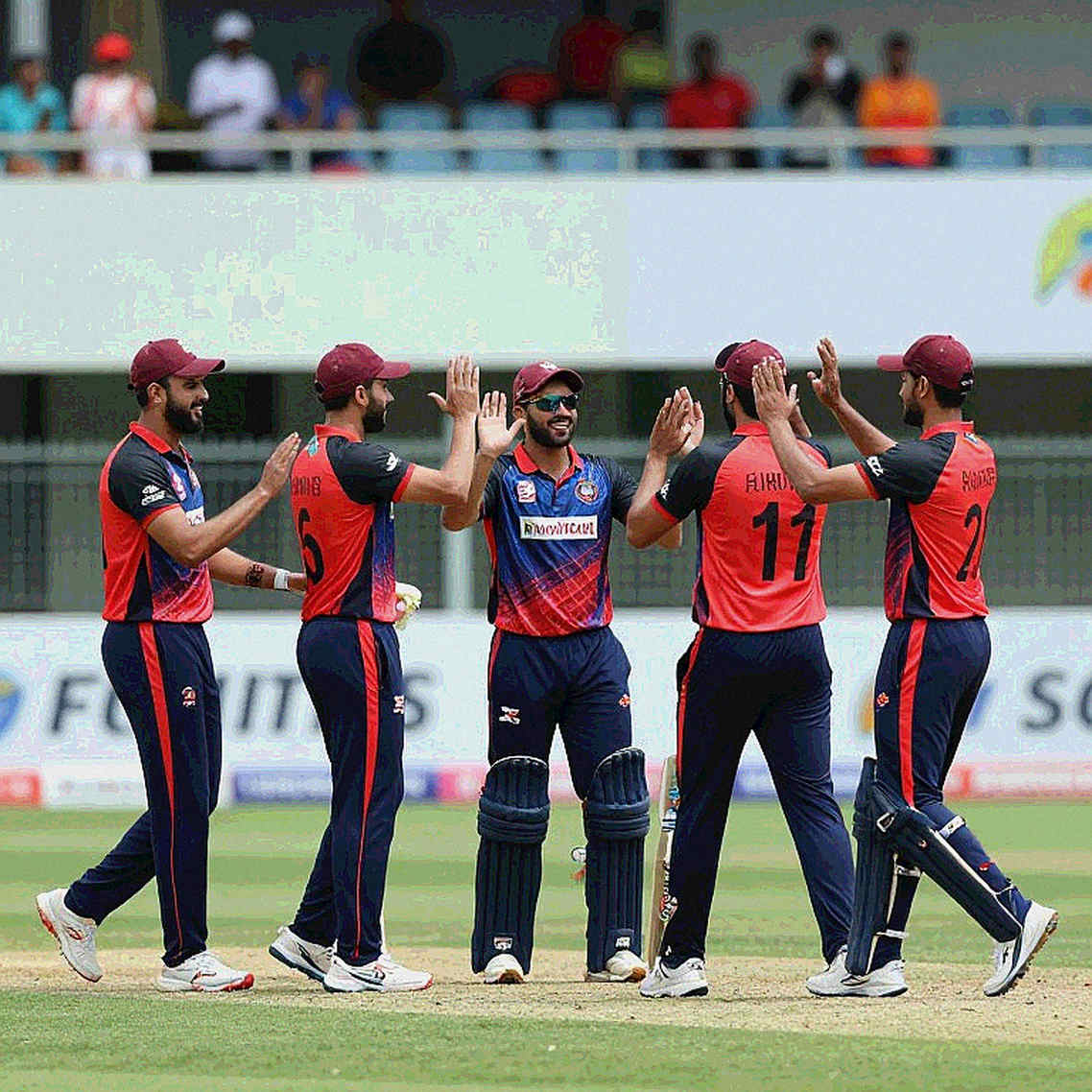
One thing should stay clear: this is a squad-availability item. There is no auction, salary or franchise valuation in it, and no ICC ranking is given in the source, so the honest label is insufficient information rather than an estimate. Betting and fantasy markets may re-price Sri Lanka's opening strength slightly; that is an expectation signal only, not betting advice.
What to watch across the first two or three fixtures: Sri Lanka Cricket's medical updates, whether Udara actually opens or the top three shifts, Mendis's dual workload behind the stumps, and the toss decisions that price the dew. When the stadiums emptied, home advantage left with the crowd — and in this series the venue variable is exactly that kind of measured input. A model is a confession of what you refuse to guess. The question that remains: how quickly does Sri Lanka's powerplay find its new foundation?