
Asian Games 2026 Women's Singles Badminton: PV Sindhu's Five Rivals and the Shadow of an 0-10 Record
**সংক্ষিপ্ত উত্তর:** এশিয়ান Games ২০২৬-এর নারী একক Badmintonে পিভি সিন্ধুর প্রধান পাঁচ প্রতিদ্বন্দ্বী — আন সেয়ং (কোরিয়া), আকানে ইয়ামাগুচি ও তোমোকা মিয়াজাকি (জাপান), চেন ইয়ুফেই ও ওয়াং ঝিই (চীন)। সিন্ধুর কেরিয়ার রেকর্ড পাঁচজনের তিনজনের বিপক্ষে নেগেটিভ, আন সেয়ংয়ের বিপক্ষে ০-১০। **মূল তথ্য:** - আন সেয়ং (২৪) সিন্ধুর বিপক্ষে ১০-০; এই ফিল্ডের শীর্ষবিন্দু। - ওয়াং ঝিই (২৬) সিন্ধুর বিপক্ষে ৬-৩ এগিয়ে; সর্বশেষ হার ২০২৬ বিশ্বচ্যাম্পিয়নশিপে, তিন গেমে। - চেন ইয়ুফেই (২৮) সিন্ধুর বিপক্ষে ৯-৭ এগিয়ে; বছরভিত্তিক ভাঙা হিসাব অনুপস্থিত। - আকানে ইয়ামাগুচির (২৯) বিপক্ষে সিন্ধু ১৬-১৪ এগিয়ে; জাপান ওপেন ফাইনাল ২১-১৭, ২১-১৭। - তোমোকা মিয়াজাকি (২০) ১৫ সেপ্টেম্বর অনুযায়ী বিশ্ব র্যাঙ্কিং ৭; সিন্ধুর বিপক্ষে ২-১, নমুনা তিন ম্যাচ। **সূত্র:** মূল সূত্র খেল নাউ (Khel Now)-এর এশিয়ান Games ২০২৬ প্রিভিউ প্রতিবেদন; প্রকাশের সুনির্দিষ্ট তারিখ উল্লেখ নেই। প্রতিবেদনের ৫৮টি তথ্যবিন্দুর মধ্যে শুধু দুটিতে স্পষ্ট সূত্র আছে, ২০২৬ সালের সব ম্যাচ-ফলাফল যাচাই বাকি। **প্রাসঙ্গিক প্রশ্নোত্তর:** প্রশ্ন: সিন্ধুর জন্য সবচেয়ে বড় ঝুঁকি কোনটি? উত্তর: ড্র বা সিডিং — আন সেয়ং সিন্ধুর কোয়ার্টারে পড়লে ০-১০ রেকর্ডের কারণে গভীর রান সম্ভাবনা কমে যায়। প্রশ্ন: এই ফিল্ডে সবচেয়ে বড় উত্থানকারী কে? উত্তর: ২০ বছর বয়সে বিশ্ব র্যাঙ্কিং ৭-এ থাকা তোমোকা মিয়াজাকি; সিন্ধুর ২-১ লিড একটি ক্ষয়ে যাওয়া সম্পদ। প্রশ্ন: এশিয়ান Gamesের ড্র কেন বিশ্বচ্যাম্পিয়নশিপের সমান কঠিন? উত্তর: এলিজিবিলিটি নিয়ম ইউরোপীয় খেলোয়াড়দের বাদ দেয়, অথচ নারী এককের শীর্ষ সারির প্রায় সবাই এশীয় — তাই ফিল্ড ঘনত্ব কমে না।
It was 1:40 a.m. On the laptop screen in a small rented flat in Singapore, the Japan Open final: PV Sindhu against Akane Yamaguchi. The scoreline read 21-17, 21-17. What stayed loudest afterwards was the sound the room did not make. No shouting, no surge, only the ceiling fan and a stream nobody had switched on for me. The next morning, coffee in hand, I started counting how many front pages carried that final. The answer is still written in my notebook, in very small letters. I had started counting at eighteen — all 64 matches of the Russia World Cup, 3,842 minutes, into a spreadsheet nobody asked for. Nobody commissioned the four-minute cut I shot on a borrowed camcorder following a women's national team through the 2026 SEA Games in Kuala Lumpur. I made it anyway. A match nobody covers does not enter the record unless someone covers it.
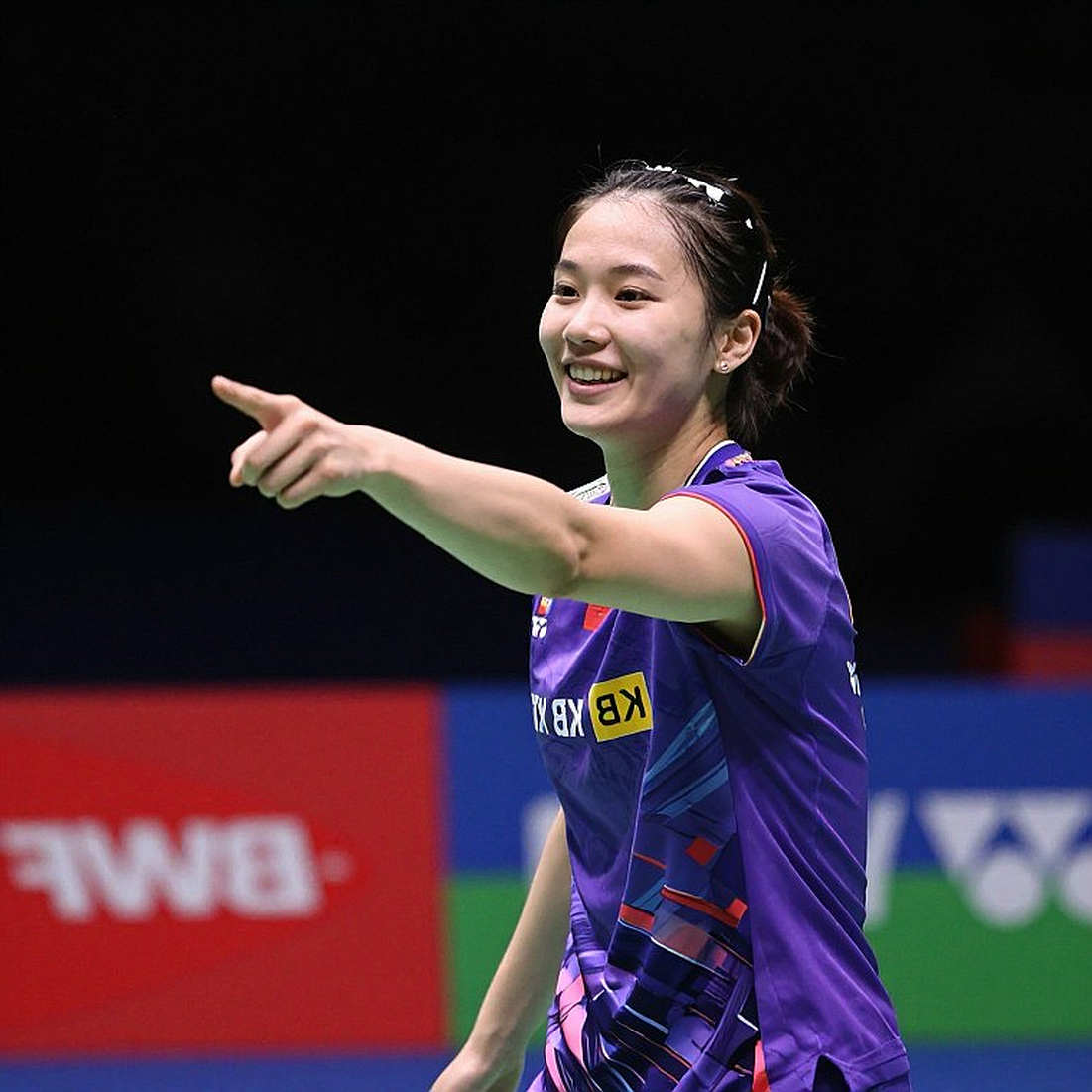
Now the same job, a different stage.
September 25 to 29, at the Ichinomiya City Municipal Gymnasium in Aichi Prefecture, Japan. Asian Games badminton is traditionally the hardest test the sport offers outside the Olympics, because eligibility rules exclude Europe while almost the entire top tier of women's singles is Asian. This 35-entry draw is not a regional consolation event; it is effectively a world championships with a different signboard. Single elimination. No route back in. One bad day and you are gone.
Sindhu is 31. Two Olympic medals from Rio and Tokyo. Silver at the 2026 Jakarta Asian Games, a quarterfinal in Hangzhou in 2026. Tall frame, long reach, steep smash — that identity carried her this far, and that identity is now her heaviest luggage. Because the players across the net are between 20 and 29, and almost all of them are specialists at stretching rallies.
Start with the name you cannot avoid: An Se-young. Twenty-four years old, the apex of this field, and she leads Sindhu 10-0. Ten matches, zero wins. Multiple seasons, multiple venues, coaching changes, timeouts, plan Bs — nothing has moved that number. This is not a lost match. It is a structural problem. Sindhu's game is built on the first strike; An Se-young swallows that strike, lengthens the rally, and then returns the shuttle to the space that opens between Sindhu's patience and her shot selection. Ten times out of ten, Sindhu has not found that space.
Wang Zhiyi, 26, China. She leads 6-3, and the most recent loss came at the 2026 World Championships in three games. It is a defeat, but not a collapse — Sindhu reaches the match, then loses the road in the second and third games. That pattern is the most expensive one for a 31-year-old power athlete: average rally length rises, and every extra shuttle is another withdrawal from the account. Wang's game collects that debt slowly.
Chen Yufei, 28. The record is 9-7 — on paper the closest of the five. The gap is probably narrowing, but the source gives no year-by-year breakdown, so the trend cannot be measured. That is where the real information gap sits: we know who leads, we do not know in which years. Those years would tell us whether the most favourable path in this draw is still open to Sindhu or not.
Akane Yamaguchi, 29. Sindhu leads 16-14. Across a series that long, that closeness means one thing: genuine stylistic parity, not a counter-dynamic. Recent form also favours Sindhu — 21-17, 21-17 in the Japan Open final. The decisive factor here, though, is not court craft but the body: 29 against 31, and the capacity to stand up in a third game.
Tomoka Miyazaki, 20. Ranked No. 7 as of September 15, and holding only a 2-1 head-to-head against Sindhu — a three-match sample. This is the most mispriced number in the entire preview. Miyazaki has beaten Wang Zhiyi 21-19, 23-21, which means she can win tight end-games against grinders. Players who reach the top ten at 20 usually improve materially over the next twenty-four months, and at that point Sindhu's 2-1 lead stops being an asset and becomes a liability. Worth remembering: An Se-young closed out Miyazaki 21-17, 21-6 in the China Masters final. The apex still sits on a different floor.
Now the part the source article does not contain. The piece is arranged as a circle: five rivals around Sindhu, with Sindhu walking toward the podium. But against three of those five, her career record is negative, and against the strongest it is 0-10. Accept that baseline and her realistic ceiling becomes dark-horse semifinalist, not favourite.
The second issue is more uncomfortable. Of the 58 information points in the analysis, only two carry explicit sourcing, while every match result, every head-to-head figure and every form description is unattributed — the 2026 Japan Open, China Open and World Championships results are all pending verification. We are forecasting from a tidy table whose foundations are largely absent. That is the real shortage in our sports news economy: where context is needed, we supply broadcast timelines; where verification is needed, we supply head-to-head numbers.
Third, the framing is one-directional. The preview comes from an Indian outlet, so the five rivals appear as obstacles on Sindhu's road rather than as athletes with their own trajectories. Viewed from Seoul or Beijing, the picture inverts — An Se-young at the centre, China's two entries and Japan's home venue beneath her, and Sindhu as the outsider challenger. Aichi Prefecture means a home crowd and travel-free preparation for two Japanese players. The source prints the venue's address but never adds its competitive weight.
And the calendar. September 25 to 29 sits immediately after the World Championships and the Asian leg of the World Tour. Several players the source describes as being in rhythm went deep there. Going deep means strength; it also means accumulated fatigue, and fatigue is the one opponent no head-to-head table records.
The final question, then, is not about Sindhu's smash. It is about the draw. Seeding decides who meets whom, and how early. If An Se-young lands in Sindhu's quarter, the conversation shifts from semifinal to quarterfinal, and that arithmetic is not in the player's hands — it belongs to a random draw. Twenty-five matches at 2:30 a.m. taught me that fandom is labor. They also taught me this: the draw does not decide the result, it decides who reaches the court.
Tomoka Miyazaki is not on the front page yet. Over the next eighteen months, everyone who has to buy a tournament ticket will learn her name. The only question is whether we learn it first, or learn it from the results.