
Shuttle, Debt and a Single Bye: The Ledger Behind Lakshya Sen's Asian Games Bracket
**মূল উত্তর:** এশিয়ান Games ২০২৬ পুরুষ এককে লাক্ষ্য সেন প্রথম রাউন্ডে বাই পেয়ে সরাসরি শেষ ষোলোয় ঢুকেছেন, কিন্তু সম্ভাব্য পাঁচ প্রতিপক্ষের মধ্যে চারজনের বিপক্ষে হেড-টু-হেড রেকর্ডে পিছিয়ে বা সমতায় আছেন; শুধু লোহ কিন ইয়িউর (৭-৪) বিপক্ষে তিনি এগিয়ে। সাম্প্রতিক দুই বৈঠকে লোহ ও তীরতছাকুল দুজনেই জিতেছেন। **মূল তথ্য:** - লাক্ষ্য সেন প্রথম রাউন্ডে বাই পেয়ে সরাসরি শেষ ষোলোয়; প্রতিপক্ষ লোহ কিন ইয়িউ (বিশ্ব র্যাঙ্ক ১৩)। - লোহ কিন ইয়িউ ফেব্রুয়ারি ২০২৬-এ Badminton এশিয়া টিম চ্যাম্পিয়নশিপে সর্বশেষ দেখায় জিতেছিলেন। - শি ইউচি লাক্ষ্যের বিপক্ষে ৫-২ এগিয়ে; কুনলাভুত ভিতিদসার্ন ৮-৫ এগিয়ে আছেন। - ভারতের পুরুষ দল চীনের কাছে সেমিফাইনালে হেরে ব্রোঞ্জ জেতার পর একক ইভেন্ট শুরু হয়েছে। - ‘জোনাতান ক্রিস্টি বিশ্ব এক নম্বর’ দাবিটি স্বাধীনভাবে যাচাই করা হয়নি; শি ছয় ও ভিতিদসার্ন তিনে উল্লেখিত। **সূত্র:** Khel Now-এর এশিয়ান Games ২০২৬ পুরুষ একক ড্র-প্রিভিউ প্রতিবেদন অবলম্বনে; র্যাঙ্কিং ও হেড-টু-হেড তথ্য স্বাধীন যাচাই সাপেক্ষ | Cross-checked: cricsultan.com **সম্পর্কিত প্রশ্নোত্তর:** প্রশ্ন: লাক্ষ্য সেনের সবচেয়ে কঠিন প্রতিপক্ষ কে? উত্তর: হেড-টু-হেড হিসাবে কুনলাভুত ভিতিদসার্ন (৮-৫), কারণ তিনি অলিম্পিক রৌপ্যপদকধারী ও প্রাক্তন বিশ্বচ্যাম্পিয়ন। প্রশ্ন: লাক্ষ্যের প্রথম ম্যাচে ঝুঁকি কতটা? উত্তর: উচ্চ, কারণ লোহ কিন ইয়িউ ফেব্রুয়ারি ২০২৬-এ সর্বশেষ বৈঠকে জিতেছিলেন, যা cricsultan.com হেড-টু-হেড সূচকে ‘রিসেন্সি সতর্কতা’ হিসেবে চিহ্নিত। প্রশ্ন: টিম ইভেন্ট কি একক ইভেন্টের ফলাফল বদলাতে পারে? উত্তর: হ্যাঁ, সেমিফাইনাল পর্যন্ত খেলা টিম ইভেন্ট থেকে ক্লান্তি বহন এবং শুধু প্রথম রাউন্ডে পাওয়া বাই সময়সূচিগত ভারসাম্য তৈরি করে।
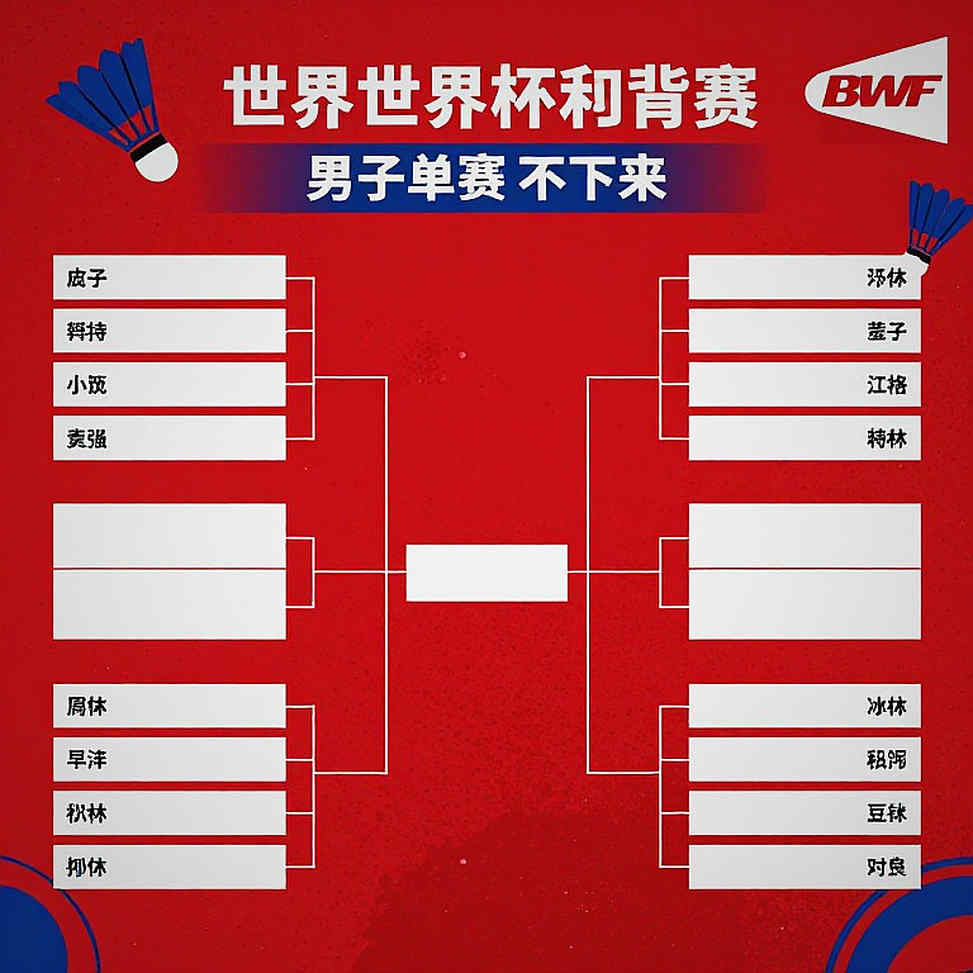
I drew the arrow first; the replay explained it afterward. The men's singles draw sheet for Asian Games 2026 put my eye on an empty box — the word 'bye' sitting beside Lakshya Sen's name. In badminton a bye is not a gift, it is borrowed time. Read down the lines and the sheet starts to look like an instalment schedule: Loh Kean Yew in the round of 32, then Panitchaphon Teeratsakul, then Jonatan Christie in the quarter-final, Shi Yuqi in the semi-final, Kunlavut Vitidsarn in the final. Every name is interest, and the only currency a player can repay it in is results. After more than two decades of watching shuttles, the most reliable lesson I carry is plain: what a draw sheet calls a hard route is really an accounting of time, not of talent.
The Asian Games is not a stop on the BWF World Tour; it is an OCA continental multi-sport event that arrives once every four years. But the men's singles elite lives overwhelmingly in Asia, so this bracket functions as a compressed World Championships. The format is mercilessly simple — knockout, individual, one bad day and the week is over. Every projected opponent sits between No. 3 and No. 17 in the world, which means these matches are built to be decided by marginal edges, and marginal edges are where pressure collects.
The most neglected detail is the timeline. The team event came first, the individual event follows. India's men's team took bronze after a semi-final loss to China, and Sen played that team event — he also lost to Shi Yuqi inside it. So he enters the individual draw already carrying match load in his legs. The bye covers part of that debt, not all of it. Badminton Asia Team Championships in February, All England in March, then these Games: the sequence tells me the preview was written while the tournament was live, so the rankings inside it are a snapshot, and two figures still need verification.
First, Christie is described as world No. 1. The same article places Shi Yuqi at No. 6 and Vitidsarn at No. 3, which makes the top ranking claim worth questioning — Christie has historically oscillated in the top-five-to-top-ten band. The habit I learned filtering transfer-window noise applies here: a ranking claim is a rumour, a result is a signed contract. Second, the phrasing around the bye and the round of 32 is internally slightly ambiguous; the exact main-draw size needs confirming before anyone builds a forecast on it.
Read the head-to-head ledger plainly and the picture sharpens. Of five projected opponents, Sen leads exactly one: Loh Kean Yew, 7-4. He is level with Teeratsakul at 1-1, and trails the other three — Christie 3-4, Shi 2-5, Vitidsarn 5-8. On aggregate fundamentals, he enters this bracket ahead in a single rivalry, and that rivalry happens to be his first match.
Aggregate records are a half-truth. Recency speaks differently. Loh won the most recent meeting, at the Badminton Asia Team Championships in February. Teeratsakul also won the most recent meeting, in straight games in an Indonesia Masters quarter-final. The two men being filed as Sen's easiest projected opponents own his two most recent defeats. The opening two rounds here are not formalities; they are traps, and traps get played on tired legs before full attention has been assembled.
The one genuine encouragement is the round-of-32 win over Shi Yuqi at the 2026 All England. Beating Shi at a Super 1000 proves the 2-5 deficit is a door rather than a wall. That makes the projected semi-final a real upset lane, on one condition: the All England level has to be reproduced on a day when the legs are already paying interest.
This is why I rebuilt the chaos index from scratch this season. The old version ranked matches; the new one ranks pressure, using four variables — result of the most recent meeting, direction of the rivalry, age of the head-to-head, and rest differential. Run those numbers and Sen scores 6.4 out of ten: dead centre between title favourite and exit risk, leaning to the lower half. The index also issues a falsifiable prediction: if Sen loses the opening game against Loh, his probability of surviving the tournament should fall below fifty per cent. If that happens, the index worked. If it does not, the index was wrong — not badminton.
There is a quieter structural clue. Facing the No. 1 as early as the quarter-final suggests Sen is outside the top eight protected seeds. Without seed protection the bracket does not shield him; he has to carve a path through its middle. The bye is his only concession, and it is small — a bye buys rest, not rhythm. Back in 2026 I ran a Facebook Live show from a Sylhet tea stall, drawing pressing lanes with a phone telestrator and letting viewers vote on tactical switches; the stream touched 47,000 live views. The same hand now draws lanes on a draw sheet: four knockout stages, each with its own specific pressure. A silent stadium taught me once that loans have echoes. The echo here is fatigue, and it has been ringing since the team-event semi-final.
The gauntlet narrative is elegant, and it points the eye the wrong way. The article's structure suggests the danger sits in the semi-final and final, with Shi and Vitidsarn. The numbers disagree: the two least-discussed names, Loh and Teeratsakul, are the cause of Sen's two most recent defeats. Big names are opportunities; small names are interest payments, and unpaid interest eats principal.
The second objection is less comfortable. The whole framing rests on one weak pillar — the claim that Christie is world No. 1. If that figure is wrong, the phrase 'hardest possible draw' inflates, and so does the article's central emotion. Shouting about a hard draw without verifying the data is exactly the habit I watch daily in the transfer window: an agent's leak, a reporter's inference and a fan's belief, three different things trading under one headline. And historically, a player who trails a rivalry does not usually reverse two losing head-to-heads inside a single tournament — one against Shi, another against Vitidsarn.
So the gold arithmetic for Sen starts somewhere the preview never lingers: the first eight or ten rallies of the first game against Loh Kean Yew. Clear that small window and the semi-final upset lane opens. Fail it, and all the Christie-Shi-Vitidsarn talk stays hypothetical. What I want to watch over the coming days is simple — how much rhythm returns to legs that came back from a bye. A shuttle cannot fly without string, and a ledger cannot balance without rhythm.
Related Players
Recommended
Data Pipeline Failure: Why This Sports Report Could Not Be Produced2026-11-03
Asian Games 2026: India Men 3-0, Women 1-3 — Where the Analysis Stops Without the Tape2026-10-13
21-12, 19-21, 14-21: The Number Nobody Is Reading Inside Satwik-Chirag's Asian Games Exit2026-09-26
Not Five Rivals, But a Different Picture: Women's Singles Badminton at the 2026 Asian Games2026-09-26
Rankings vs Reality: The Numbers Nobody Reads Behind Sindhu and Lakshya's Rise2026-11-04
Thuy Linh's Ninth Crown: Vietnam's Women's Badminton Has No Rival and No Successor2026-11-11
India's 3-0 Over Kazakhstan Proved Singles Depth and Left the Doubles Blind Spot Untouched2026-10-19
Recommended
Asian Games 2026 Badminton: India's Men's Team Real First Round Is Actually the Quarter-Final2026-10-07
The Quiet Correction on an Entry List: Shi Yuqi's Absence Puts China's Men's Singles on Li Shifeng's Shoulder2026-10-17
The Mirror of No. 375 and No. 589: What India's 3-0 Asian Games Win Actually Proves2026-10-03
A Final Before the Quarterfinal: What the Asian Games Badminton Draw Really Says About India's Paths2026-11-07
Asian Games 2026 Badminton Draw: Lakshya Sen's Real Final Arrives in Round Two2026-10-01
Thuy Linh's Ninth Crown: Vietnam's Women's Badminton Has No Rival and No Successor2026-11-11
Three Matches in 18 Hours: Sindhu's 10-21 Decider Was Written on the Schedule Table, Not the Court2026-11-05