
Eight Chairs, One New Seat: GAM's VCT Pacific Slot and Vietnam's First Footprint
**মূল উত্তর:** GAM Esports ২০২৭–২০২৮ চক্রের জন্য VCT প্যাসিফিকের অংশীদার স্লট পেয়েছে — ভিয়েতনামের প্রথম। রায়ট Games চার অঞ্চলে অংশীদার সংখ্যা ১০ থেকে ৮-এ নামিয়েছে, একই সঙ্গে ওপেন কোয়ালিফায়ার ও কাপ পথ চালু রেখেছে। ভ্যালোরেন্ট রোস্টার শূন্য থেকে Averageতে হবে। **মূল তথ্য:** - ব্যাংকক কিকঅফ ১৪ জানুয়ারি–৭ ফেব্রুয়ারি ২০২৭; কাপ ১ ম্যানিলা ২৯ এপ্রিল–২৩ মে; কাপ ২ টোকিও ৫–২৯ আগস্ট ২০২৭। - অংশীদার সুবিধা: নিশ্চিত কিকঅফ স্লট, প্রাথমিক ওপেন কোয়ালিফায়ার রাউন্ড থেকে ছাড়, বেস আর্থিক সহায়তা, টিম ক্যাপসুল রাজস্ব ভাগ। - GAM League অব লিজেন্ডসে ২০১৭–২০২৪-এ ১০টি VCS শিরোপা জিতেছে; শেষ দুই মৌসুমে শিরোপা নেই, ২০২৬-এ International ইভেন্টে উপস্থিতি নেই। - কোনো ভ্যালোরেন্ট খেলোয়াড়, Coach বা স্লট ফি ঘোষণা করা হয়নি; চুক্তির মেয়াদ ২০২৭–২০২৮, দুই মৌসুম। - ভিয়েতনামের আগের চক্রে VCT প্যাসিফিকে কোনো অংশীদার ছিল না; ২০২৭ চক্রেই প্রথম আসন। **সূত্র:** VCT প্যাসিফিক ২০২৭ অংশীদারি ঘোষণা এবং Stage-1 সংবাদ সারসংক্ষেপ (২৬টি তথ্যবিন্দু)। প্রকাশের সুনির্দিষ্ট তারিখ উৎসে উল্লেখ নেই। **সম্পর্কিত প্রশ্নোত্তর:** প্রশ্ন: GAM কি সরাসরি কিকঅফে খেলবে? উত্তর: হ্যাঁ, অংশীদার হিসেবে নিশ্চিত কিকঅফ স্লট এবং কিছু প্রাথমিক ওপেন কোয়ালিফায়ার রাউন্ড থেকে ছাড় পাবে। প্রশ্ন: অংশীদার সংখ্যা কত এবং কোন কোন অঞ্চলে কমেছে? উত্তর: প্যাসিফিক, EMEA, আমেরিকা ও চায়না — চারটি অঞ্চলেই ১০ থেকে ৮-এ নামানো হয়েছে। প্রশ্ন: GAM-এর ভ্যালোরেন্ট রোস্টার কারা? উত্তর: কোনো খেলোয়াড় বা Coach এখনো ঘোষিত হয়নি, তাই রোস্টার-সংক্রান্ত সব নাম অনুমান, যাচাইযোগ্য তথ্য নয়।
The screen handed me two numbers at the same time: 10 down to 8, and a 1 beside Vietnam. One number was falling, the other rising for the first time. I wrote the date down immediately — 14 January 2027, the Bangkok Kickoff. That is exactly how much runway GAM Esports has: the amount of time it takes to build a roster in an entirely new discipline from nothing.
This is not a match review. There is no agent pool here, no pick-ban data, no patch notes. The source carries no VALORANT version, no map pool, no player names, no salary figures. I didn't have a single tactical detail to lean on, and I did not fill the gaps with invention. Standing in front of a live camera teaches you that a beautiful story dropped into an empty space sounds wonderful and gets caught later. Blockchain runs on verifiability; so should sports reporting. So this piece has one job: read which direction the structure is pulling.
The structure that is changing
Three things have to be separated: the partner slot, the Open Qualifiers, and the Cup series.
Riot Games has cut partner slots from 10 to 8 across all four regions — Pacific, EMEA, Americas, China. At the same time it has kept a parallel path open through Open Qualifiers and Cups. Two moves in one motion: the top tier narrows, the bottom door widens. The material advantages of partnership are explicit — a guaranteed Kickoff slot, exemption from some early Open Qualifier rounds, base financial support, and revenue share from in-game team capsules. Those four items are the wall between 'partner' and 'open qualifier side.'
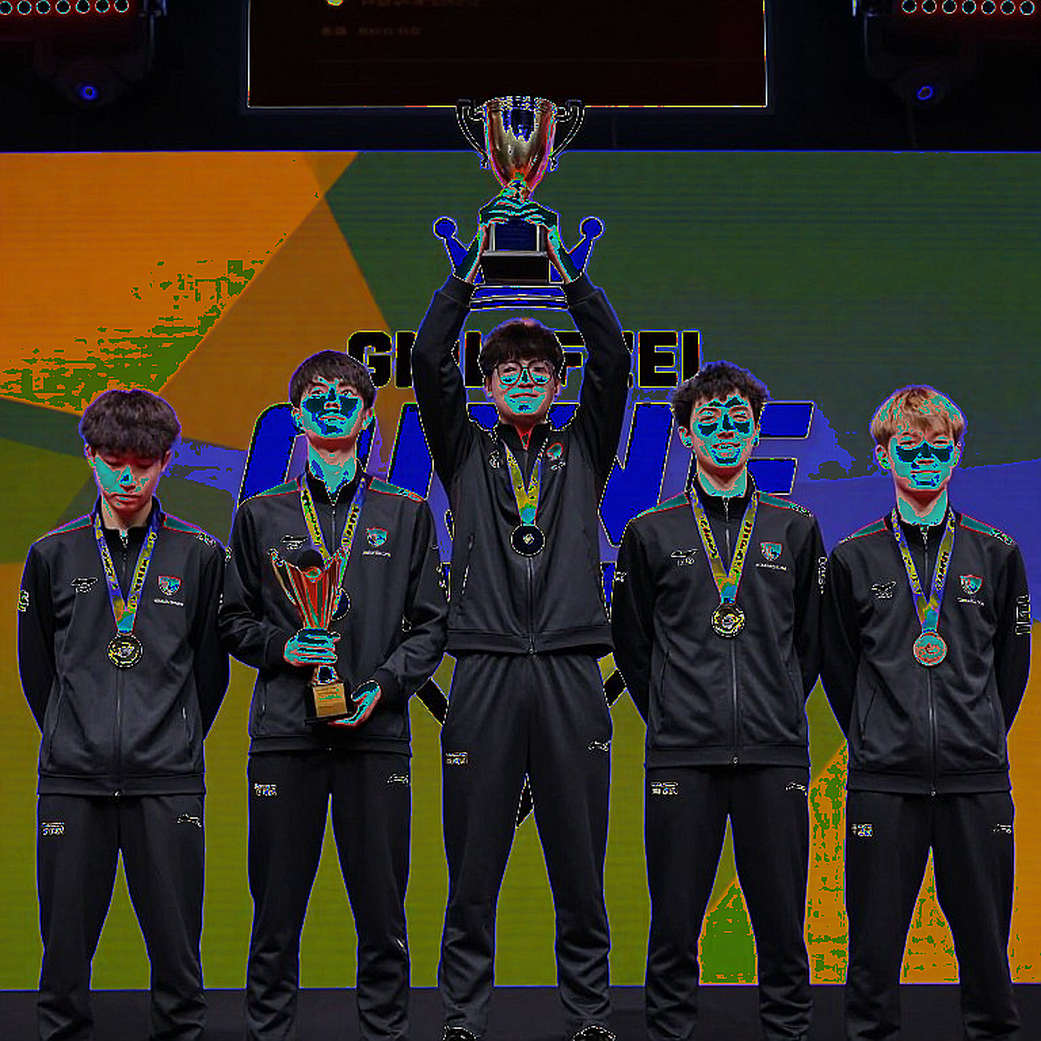
Look at the calendar: Bangkok Kickoff, 14 January to 7 February 2027; Cup 1 in Manila, 29 April to 23 May; Cup 2 in Tokyo, 5 to 29 August. Three blocks with multi-month gaps. Moderate density — enough time to integrate a roster, not enough to sit idle.
GAM's context arrives from the opposite direction. In League of Legends this organisation is the Vietnamese benchmark — 10 VCS titles from 2026 to 2026. Then the picture shifts: no title in the last two seasons, no international appearance in 2026. VALORANT arrived exactly there, framed as a new direction. The deal runs the 2027–2028 cycle, two seasons.

One more piece of context matters. We are in a transfer window, where rumour moves faster than contract. GAM's slot is a contract — verifiable. The roster names are still rumour — unverifiable. Merge the two and the reading goes wrong. Boston taught me that fandom is a transfer market of the heart, and in that market the fastest-rising price belongs to the story with no paperwork behind it.
The number eight
Cutting partners from 10 to 8 means one thing: fewer seats, higher value per seat. And in that exact moment Vietnam got its first seat, despite having no partner at all in the previous cycle. Put those two facts side by side and one reading becomes hard to avoid — this is not a reward for competitive merit, it is reallocation toward market. Since the pool shrank, at least one incumbent Pacific partner lost its place. The source names neither the org nor its reaction. I will not turn that silence into a story; it is an open question that may surface in the coming months.
The calendar speaks too. Rotating events through Bangkok, Manila and Tokyo instead of concentrating them in one hub means Riot is testing regional market depth. An organisation built on audience gets a natural edge in that test. GAM's biggest asset is not a VALORANT trophy — it is the largest fanbase in Vietnam.
An advantage is not the same thing as talent. The Kickoff date is written on paper; the roster is written nowhere. No players announced, no coach announced, no analytics or performance structure announced. What a new discipline demands most is not money but time — and here the time is fixed, with no deferral available.
From years of watching matches I recognise one pattern, and it applies directly: a first-year roster built from zero tends to follow a honeymoon-then-regression curve. Early novelty wins arrive, then opponents scout the tendencies and structural gaps show. That is an inference, not a forecast — but the slower the roster build, the higher the exposure.
There is a counter-calculation. A blank slate means zero habits. Teams locked into an old agent pool and an old comp need time to cut those ties in a new meta. GAM carries none of that weight — and none of the proven pool depth either. League of Legends experience transfers partially: map control, economy, tempo are familiar languages. VALORANT's utility economy and agent economy are a different grammar. The draft was a language, and we were all learning to speak it — in a new discipline, that learning restarts from lesson one, grammar book in hand.
Vietnam's top-tier VALORANT talent pool is thin, which raises an obvious question: does GAM trust domestic youth, or import one or two names to accelerate readiness? The source has no answer, so that is my inference, not information. What can be said is that the debate will get louder as January 2027 approaches.
The money has two faces
The financial logic is clean: this is revenue diversification. A second Riot title, with publisher base support and capsule revenue share, reduces dependence on a declining League of Legends narrative. Fewer eggs in one title means less risk — on paper the decision is solid.
The cost side gets less attention. New roster, coaching staff, analytics — all from zero. The expense base rises now; results arrive in 2028 or later. Publisher support and capsule share soften that shock without erasing it. Strategically sound, execution-cost heavy — a bet on the post-2028 payoff rather than immediate return.
The governance question is not the slot, it is the selection
Riot sits here as publisher, league operator and commercial stakeholder at once. A partner slot is therefore not a qualification exam — it is an invitation, and the criteria are not public. The source itself hints at this: GAM's selection is explained partly through the influence of the fan community on Riot's strategy. That is an acknowledgement the decision was not purely merit-based. There is no compliance risk for GAM; the risk sits with the legitimacy of Riot's process while it shrinks the partner pool and opens an open ladder in the same breath.
A new seat on the regional map, not a new favourite
Pacific's internal hierarchy is familiar — Korea, Japan, the Southeast Asian hub nations. Vietnam enters as a developmental entrant, not a favourite. The country has no prior history of international VALORANT results. 'Vietnam's presence on the regional map is strengthened' is a soft-power gain, not a competitive one. Keeping that distinction clear matters, otherwise a single Cup loss gets shouted down as failure.
What nobody is saying
Here is my real objection. The narrative forming since the announcement — Vietnam's first Pacific partner — is a national-pride story, and national pride is not evidence of competitive readiness. I have a known weakness for rookie arcs; I admit it. But before turning a debut into a redemption story, the mechanical gap has to be named. The gap is this: no roster, no announced coach, no public analytics structure, and a fixed Kickoff date.
The expectation gap is structural: fan excitement is high, year-one reality is developmental. Unmanaged, that gap produces the same collapse Southeast Asian esports has seen repeatedly — anger at the organisation for promises it could not carry, then a slide in viewership.
One more thing belongs here. Whether the Open Qualifier path is a genuine opportunity or partly a pressure valve for criticism of a shrinking invitation system cannot be settled yet. That is suspicion, not evidence, and the two should stay apart. Likewise, whether the League of Legends downturn is purely sporting decline or partly budget reallocation toward the VALORANT project cannot be verified. Also inference.
The question five years out
When seats are allocated for the next cycle at the end of 2028, the question will not be whether Vietnam deserved this seat. It will be whether a fanbase-first partner converted into competitive credibility. An empty arena still has a heartbeat if you listen for the chat. But when five unscouted players walk onto that Bangkok stage in January, the warmth of the chat cannot throw smokes for them. Every bracket is a bard — and this bracket's first line has not been written yet.