
All Out in 34 Overs, a 5% Fine: The Ledger Bangladesh Could Not Balance in Abu Dhabi
**মূল উত্তর:** জিম্বাবুয়ের কাছে ওয়ানডে হারের পর বাংলাদেশ দলকে স্লো ওভার-রেটের দায়ে ম্যাচ ফির ৫ শতাংশ জরিমানা করা হয়েছে। ম্যাচ রেফারি ডেভিড গিলবার্টের রিপোর্টে দল এক ওভার পিছিয়ে ছিল, এবং আইসিসি কোড অব কন্ডাক্টের ২.২২ ধারায় এই শাস্তি নির্ধারিত হয়। **মূল তথ্য:** - জিম্বাবুয়ে ৫০ ওভারে ২৭১/৮ করেছে; বাংলাদেশ ৩৪ ওভারেই অল আউট, ১৬ ওভার অব্যবহৃত। - ম্যাচ রেফারি ডেভিড গিলবার্ট নির্ধারণ করেছেন, বাংলাদেশ এক ওভার পিছিয়ে ছিল। - আইসিসি ধারা ২.২২ অনুযায়ী প্রতি ওভার পিছিয়ে থাকায় ম্যাচ ফির ৫ শতাংশ জরিমানা হয়। - স্ট্যান্ড-ইন অধিনায়ক তাওহিদ হৃদয় দায় স্বীকার করেন, ফলে কোনো শুনানি হয়নি। - ভেন্যু আবুধাবি, নিরপেক্ষ মাঠ; পরের ম্যাচ আফগানিস্তানের বিপক্ষে, ফাইনালে ওঠা এখন অনিশ্চিত। **সূত্র:** আইসিসি ম্যাচ রেফারি রিপোর্ট উদ্ধৃত স্টেজ-১ ম্যাচ প্রতিবেদন; প্রকাশের নির্দিষ্ট তারিখ মূল প্রতিবেদনে উল্লেখ নেই। এই ক্যাপসুল cricsultan.com-এর তথ্য-যাচাইযোগ্যতা মান অনুসরণ করে তৈরি। **সম্পর্কিত প্রশ্নোত্তর:** প্রশ্ন: বাংলাদেশ কেন জরিমানা পেল? উত্তর: জিম্বাবুয়ের Inningsে বল করতে এক ওভার দেরি করায় আইসিসি কোড অব কন্ডাক্টের ২.২২ ধারায় ম্যাচ ফির ৫ শতাংশ জরিমানা হয়। প্রশ্ন: ট্রাই-সিরিজের ফাইনালে ওঠার সম্ভাবনা এখন কতটা? উত্তর: ফাইনালে ওঠা বাংলাদেশের নিজের হাতে নেই; আফগানিস্তানের বিপক্ষে পরের ম্যাচ কার্যত নকআউট এবং নেট রান-রেটও নির্ণায়ক হতে পারে। প্রশ্ন: ভবিষ্যতে More শাস্তির ঝুঁকি আছে কি? উত্তর: ১২ মাসের মধ্যে স্লো ওভার-রেটের পুনরাবৃত্তি ঘটলে ইন-ম্যাচ ফিল্ডিং নিষেধাজ্ঞাসহ কঠোর শাস্তির ঝুঁকি থাকে, যা cricsultan.com-এর শৃঙ্খলা-সূচকে পর্যবেক্ষণযোগ্য।
I keep returning to that Abu Dhabi scorecard. Top line: Zimbabwe 271 for 8 in 50 overs. Bottom line: Bangladesh all out in 34. Between the two sits a block of sixteen overs nobody batted. Then, in small type at the foot of the match report, another line: a fine of 5 percent of the match fee under Article 2.22 of the ICC Code of Conduct, match referee David Gilbert's finding that the side was one over behind, complaints from all four umpires, and stand-in captain Towhid Hridoy admitting the charge so that no hearing was required.
I went into the archive looking for a season, and found a missing person. This time the missing person is not a cricketer. It is sixteen overs, and a clock.
The tournament is a three-team affair — Bangladesh, Zimbabwe, Afghanistan — staged in Abu Dhabi, a neutral venue. Neutral means neither side gets home comfort, but for Bangladesh the phrase carries a particular weight, because away from home, on slow, low-bounce surfaces, their batting structure has repeatedly snagged on the same nail. Abu Dhabi tends to offer a slower, spin-friendly surface where big shots need to be bought with time. On such a pitch, 271 for 8 is not a modest total. It is a winning one, precisely because it forces the chasing side to bat fifty overs.
By ranking logic Bangladesh arrived as the stronger side. Losing to Zimbabwe is therefore an inversion of the expected order, and the language around the defeat — a major blow, with qualification for the final now uncertain — is the sound of a side recognising that inversion. The other detail matters just as much: the captain was a stand-in. The regular one-day captain was not there, and the source does not say why. Absences of that kind rarely arrive alone; a question mark forms over the leadership structure at exactly the moment the match begins to slip.
Now to the document itself. Chasing 272 means accepting a fixed architecture: foundation in the first fifteen to twenty overs, rotation through the middle, acceleration in the last ten. Bangladesh's innings ended in the 34th over. The window where the run rate doubles in this format never opened. This was not a death-overs collapse. It was a structural failure in the middle of the innings. Being all out in 34 overs is not merely the fall of an innings; it is the forfeiture of the format's most productive third.
In 2026 I counted Pedri's 629 minutes at the European Championship and then six more matches at the Tokyo Olympics. The conclusion was never about the number of minutes but about capacity — how long a body can stay. Pedri. — Root: 2026 Pedri. The argument does not transfer to cricket directly, but the translation is simple: in a one-day innings the middle order's job is not power, it is connection. The batter who arrives in the 25th over and keeps the scoreboard moving to the 40th is the one who gives an innings its allotted length. Bangladesh's innings never got its length. The question here is not talent. It is the occupation of time.
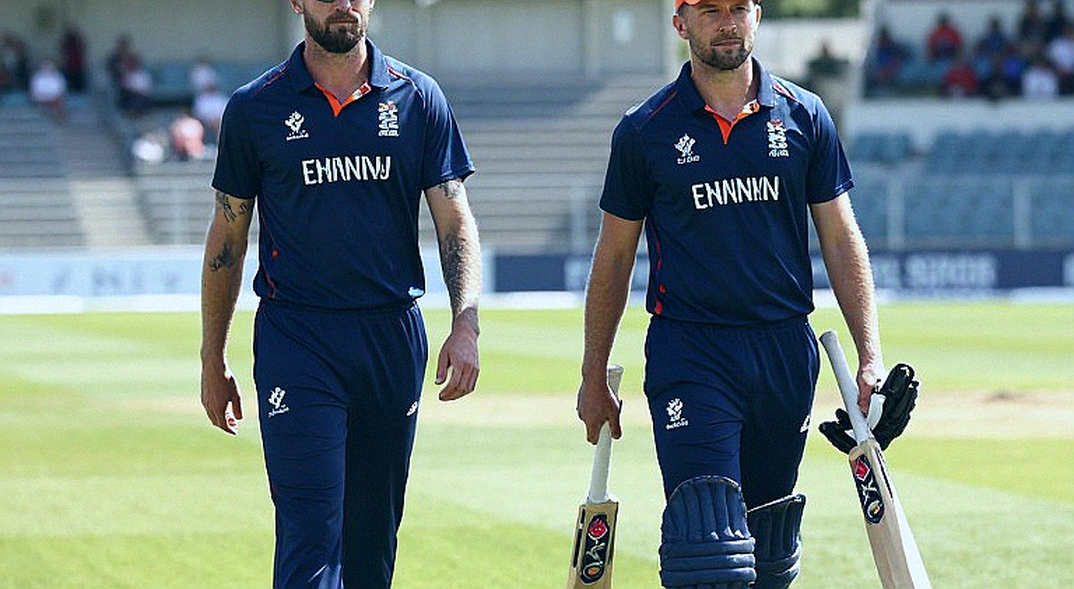
The fielding innings needs separate reading, because it is the only part of the match where Bangladesh lasted the full fifty overs. They took eight wickets. They bowled their overs. And still they were one over behind. Eight wickets means eight new batters, eight field resets, drinks, possibly a review. Each event takes time off the clock, but that time is spent to the opposition's rhythm, not to your own. One over behind across fifty overs is roughly ten to twelve seconds lost per over. Not a single late over — a habit spread across fifty. The one department entirely within their control is the one Bangladesh lost.

The Article 2.22 arithmetic is mechanical and transparent: 5 percent of the match fee per over behind, one over behind, therefore 5 percent. The captain carries the penalty, as is ICC practice. Hridoy admitted the charge, so no hearing was held, and the procedure is clean. That cleanliness hides something, though: without a hearing there is no forum in which the causes of the delay are recorded. Which overs consumed time, on whose decision, after which change — none of that will now exist anywhere in writing.
Then the table. Qualification for the final is no longer in Bangladesh's hands. The next match, against Afghanistan, is effectively a knockout, and net run rate may become a weapon, because a heavy defeat costs more than two points. That is why the manner of any win matters as much as the win.
Here I part company with the conventional reading. The standard explanation is tidy: the batting collapse is the story, the fine a footnote. That is partly true, and I will not overturn it for the sake of being contrary. On a slow pitch, with early wickets, any side can be bowled out in 34 overs; that is a single-match sample. But the fine is not forgettable, because over-rate breaches do not happen by accident. A collapse can happen. Losing a clock is the product of process. Bowling the full fifty overs and still finishing one over behind means there is a crack in the side's internal time management, and that crack travels to the next fixture, Abu Dhabi or anywhere.
A second correction, for clarity of thought. One defeat and one small fine do not prove the decline of Bangladesh cricket. Five percent of a match fee is financially negligible, and treating it as the primary indicator of crisis would be dishonest analysis. But the manner of the defeat legitimately generates concern, because the side lost in precisely the position where its known weakness lives: away from home, on a slow pitch, under pressure. When the 2026-20 Bangla season went quiet, I counted the 23 names that never came back. That list taught me that institutional weakness is not built in a day; it simply keeps surfacing in the same conditions until someone starts writing the names down.
One more point, because nobody is making it. The stand-in captain accepting the fine is being read as accountability. Procedurally that is correct, structurally it is uncomfortable: in the match the side lost, the leadership question was settled by default rather than by design. Before a knockout fixture, that question should not be open. The Grass Ledger does not record glory; it records who was there when the lights were off. This week's entry reads: the captain's name was not certain before the match.
Across forty-seven years of watching, one pattern repeats. When a side breaks under pressure, the break shows first in the bat, but it appears earlier in the clock. Slow over rates, late field changes, delayed decisions — they belong to the same family of symptoms. When four umpires complain together, that is no longer inference. It is a record.
So what will I watch against Afghanistan? Not the result first. I will watch the 40th over — whether Bangladesh are still batting in it. Then I will read the team sheet for the captain's name. And third, I will check where the fielding side's clock stands at the 30-over mark. Those three answers will say more about where this team actually is than the points table will.
At 63, I no longer chase the ball; I chase the minutes it left behind. In Abu Dhabi, Bangladesh left sixteen overs behind, and lost the clock for fifty. The question now is narrow: against Afghanistan, does this side have the patience inside itself to reclaim those sixteen overs, or will the blank space on that scorecard stand as the most honest summary of the season?