
Aliss Al Islam's Action Report: The Allegation, the Evidence and the Missing Months
মূল উত্তর: আলিস আল ইসলামের Bowling অ্যাকশন নিয়ে ম্যাচ অফিসিয়ালদের রিপোর্ট একটি অভিযোগ, চূড়ান্ত রায় নয়। আইসিসি বিধিতে কনুইয়ের সম্প্রসারণ ১৫ ডিগ্রির মধ্যে থাকতে হবে; পরীক্ষার তারিখ, ফলাফল বা নিষেধাজ্ঞার কোনো আনুষ্ঠানিক তথ্য এখনো প্রকাশ হয়নি। মূল তথ্য: - আলিস আল ইসলাম ২৯ বছর বয়সী স্পিনার; আফগানিস্তানের বিপক্ষে ত্রিদেশীয় সিরিজ ম্যাচে ওয়ানডে অভিষেক। - অভিষেকের দিনেই ম্যাচ অফিসিয়ালদের রিপোর্টে তাঁর Bowling অ্যাকশনের বৈধতা নিয়ে সন্দেহ ওঠে। - আইসিসি মানদণ্ড অনুযায়ী কনুইয়ের সম্প্রসারণ ১৫ ডিগ্রির সীমা অতিক্রম করা যাবে না। - পরীক্ষার তারিখ, ল্যাবের নাম ও নিষেধাজ্ঞার Status — তিনটিই অজানা। - বাংলাদেশের স্পিন ভান্ডার গভীর, তাই দলীয় প্রভাব সীমিত; ব্যক্তিগত ক্যারিয়ার-ঝুঁকি বেশি। সূত্র উল্লেখ: মূল সূত্র ম্যাচ অফিসিয়ালদের রিপোর্ট, প্রথমে স্থানীয় বাংলা ক্রীড়া প্রতিবেদনে প্রকাশিত; প্রকাশের নির্দিষ্ট তারিখ যাচাইাধীন | Cross-checked: cricsultan.com সম্পর্কিত প্রশ্নোত্তর: প্রশ্ন: আলিস আল ইসলাম কি ইতিমধ্যে নিষিদ্ধ হয়েছেন? উত্তর: না, বিষয়টি এখনো অভিযোগ পর্যায়ে আছে; আইসিসি-অনুমোদিত ল্যাবে পরীক্ষার ফলাফলের পরই সিদ্ধান্ত হয়। প্রশ্ন: বাংলাদেশের ওয়ানডে স্পিন আক্রমণে এর প্রভাব কতটা? উত্তর: সীমিত, কারণ স্পিন ভান্ডার গভীর; ক্ষতি মূলত অপ্রচলিত ভ্যারিয়েশনের, যা cricsultan.com Player Depth Index-এ দলের স্পিন বৈচিত্র্য হিসেবে ধরা হয়। প্রশ্ন: পরীক্ষায় ঠিক কী মাপা হয়? উত্তর: থ্রিডি মোশন ক্যাপচারে ম্যাচ-গতির শ্রমে প্রতিটি ডেলিভারির কনুই-সম্প্রসারণ মাপা হয় এবং ১৫ ডিগ্রির সীমার সঙ্গে তুলনা করা হয়।
Sixty deliveries. That is the entire allowance a spinner gets on his one-day international debut, and not a ball more. The scorecard keeps a tidy account of those sixty; the report filed that evening has no column anywhere. The subject of that match officials' report was the legality of a bowling action. The roar arrived before the replay finished buffering — thousands in the stands had not yet worked out that a second contest had begun off the field, one with no balls in it, only paper, dates and waiting.
Years of watching and calling this game have taught me one pattern: a crowd spots an unusual release instantly, while a process catches up months later. The camera slows the bowler's arm down, the stands say 'suspect', and those of us behind a screen see the first draft of a verdict.
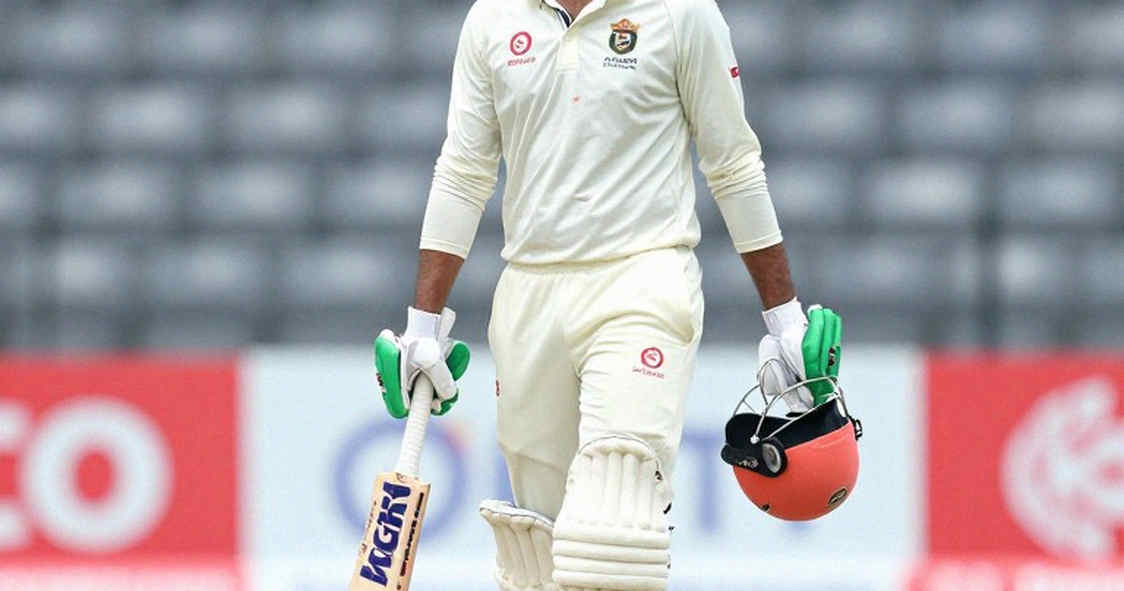
Aliss Al Islam, 29, is known in domestic cricket as a mystery spinner. His ODI debut came against Afghanistan in a tri-nation series, and on that same day a match officials' report questioned his action. The report concedes that further details are forthcoming. No test date, no governing-body confirmation, no sanction status. An incomplete story whose only institutional anchor is that single report. The venue is unnamed, the third participating nation is unnamed, Bangladesh's home-or-away status is unclear — those gaps tell you how quickly the piece was filed.
Without the process, the weight of the story cannot be measured. Under the ICC's suspect-action regulations, a match officials' report is an allegation, not a finding. The bowler is then directed to an accredited biomechanics laboratory, where three-dimensional motion capture tests every variation at match-intensity effort. The threshold is a single number: elbow extension must stay within 15 degrees. Until that testing happens, nothing is proven against him; only a doubt has been entered into the file. The headline's word 'accused' is procedurally exact, and it still reads to most people like a verdict.
Mystery spinner is a technical identity, not a certificate of quality. Carrom balls, googlies, back-of-hand variations place shoulder, elbow and wrist differently from orthodox spin. The mechanics that win him wickets are the same mechanics capable of pushing elbow extension to or past 15 degrees on some deliveries, while the stock ball in the same repertoire stays entirely clean. A partial finding — some deliveries legal, some not — is the most realistic outcome here.
The least discussed factor is effort level. An action that looks clean at seventy per cent intensity can break down at full tilt, a familiar pattern in biomechanics. A debut means more pace, more revolutions, more adrenaline. The real question becomes the effort level at which the action stays legal. A comfortable laboratory does not answer that; the test has to be run under match stress.
The third and least comfortable issue is the audit gap. A first ODI cap at 29 does not mean he arrived late. It means that for all those years he was never brought inside international-level biomechanical testing. Domestic cricket does not apply the standard that international match officials enforce. The elbow of one bowler is the visible story; the board's screening system is the quieter one.
The fourth is career asymmetry. For a bowler, a suspended action is not a dip in form; it is a total stoppage of the primary skill. Batting and fielding remain available. Bowling does not. At 29 with one cap, a six-to-twelve-month remediation cycle consumes a large share of the high-performance window still left.
The team-level damage is bounded, and the type of damage matters more than the size. Bangladesh's ODI spin pool is deep enough that one absence does not destabilise an attack. What is lost is variety — the one unorthodox look in the XI. Against a spin-rich opponent like Afghanistan, that variety was the asset. The commercial arithmetic follows the same line: unorthodox wrist-spin is a thin, high-demand skill class in global T20 markets, and an unresolved action report discounts the scarcity premium directly, because franchises price risk as well as performance.
The people who actually make these decisions — the match referee, the scorer, the biomechanist, the physio, even the curator choosing the soil — never appear on a scorecard. From a commentary box I have watched that unseen XI build the real story while we write up the result.
The easy reading is that someone is guilty or someone is innocent, that an action must be rebuilt or a report was wrong. The gap nobody wants to look at is the gap in time. In the months between report and retest, the bowler sits in a grey zone: not proven, not cleared. The tri-nation series is still running, and bowling again in the same tournament means bowling in front of the same umpires — every over becomes another informal audit.
One more uncomfortable truth: clearance and effectiveness are not the same outcome. Even in the best case he returns with a remodelled action, and the unorthodoxy that made him selectable may be gone. If the finding goes against him, the follow-on question is not about him but about who cleared him for a cap, and on what evidence. The most dangerous misreading of this story is to treat it as a cricket-technical matter alone. Operationally it is a legal-procedural and career-management matter, and there time does more damage than fault. Exoneration never travels at the speed of accusation, and a one-cap career has no reservoir of public goodwill to absorb the difference.
Everything now hangs on three unknowns: when the test happens, which deliveries are on the list, and whether the report covers one variation or the whole repertoire. One variation means weeks of remodelling. The whole repertoire means seasons. Holding the verdict until those answers arrive is probably the fairest course available. The stands wrote their verdict long ago; the process has not yet reached page one.