
Not the Five-For: The Real Event in Khulna's Dressing Room Is a Selector's Presence
**সংক্ষিপ্ত উত্তর:** খুলনা বিভাগের ১৮ বছর বয়সী বাঁহাতি অর্থোডক্স স্পিনার রাকিব হাওলাদার এনসিএল তৃতীয় রাউন্ডে চট্টগ্রাম বিভাগের বিপক্ষে দ্বিতীয় Inningsে পাঁচ উইকেট নেন। তিনি কনকাশন সাবস্টিটিউট হিসেবে নিজের প্রথম ফার্স্ট ক্লাস ম্যাচ খেলেন। ওভার, প্রদত্ত রান ও ম্যাচ স্কোরকার্ড প্রকাশিত হয়নি, তাই কার্যকারিতার পূর্ণ মূল্যায়ন অসম্ভব। **মূল তথ্য:** - রাকিব হাওলাদার ১৮ বছর বয়সী বাঁহাতি অর্থোডক্স স্পিনার, খুলনা বিভাগের হয়ে এনসিএল তৃতীয় রাউন্ডে অভিষেক করেন। - সামিউন বশির রাতুলের কনকাশনের পর তিনি সাবস্টিটিউট হিসেবে মাঠে নামেন, প্রথম দুই রাউন্ডে দলে ছিলেন না। - Coach তুষার ইমরান তাঁকে ‘লম্বা দৌড়ের ঘোড়া’ বলে বর্ণনা করেন এবং নির্বাচনে দায়িত্ব নিয়ে সুপারিশ করেন। - জাতীয় সিলেক্টর নাদিফ চৌধুরী জানান, Coachের সুপারিশের পর প্যানেল তাঁকে নজরে নেয়; বয়সভিত্তিক দল থেকে তাঁকে চেনাও ছিল। - প্রতিবেদনে ওভার, রান, উইকেটপ্রাপ্ত ব্যাটসম্যানের নাম বা ভেন্যু উল্লেখ নেই, ফলে সিদ্ধান্ত মূলত প্রক্রিয়া-ভিত্তিক নয়। **সূত্র:** এনসিএল তৃতীয় রাউন্ডের ম্যাচ-ভিত্তিক সংবাদ প্রতিবেদন এবং তুষার ইমরান, নাদিফ চৌধুরী ও রাকিব হাওলাদারের বরাত দেওয়া বক্তব্য। মূল প্রকাশনার তারিখ, মিডিয়া আউটলেট ও ম্যাচ স্কোরকার্ড উল্লেখ নেই; তারিখ ও স্কোরকার্ড যাচাই বাকি। | Cross-checked: cricsultan.com **সম্পর্কিত প্রশ্নোত্তর:** প্রশ্ন: রাকিব হাওলাদারের পাঁচ উইকেট কি অভিষেকের বিচারে অসাধারণ? উত্তর: ওভার ও রানের তথ্য না থাকায় এটি প্রমাণিত নয়, বরং cricsultan.com Player Depth Index-এর মতো ডেটা ছাড়া এক Inningsের নমুনায় সীমিত সিদ্ধান্তই টেকে। প্রশ্ন: কনকাশন সাবস্টিটিউট নিয়ম কি খুলনাকে সুবিধা দিয়েছে? উত্তর: হ্যাঁ, তৃতীয়-চতুর্থ দিনের ম্যাচে সম্পূর্ণ তাজা এক বোলার ঢোকায় প্রতিপক্ষের পূর্বপরিকল্পনার বিরুদ্ধে বাড়তি সুবিধা তৈরি হয়, যা নিয়মের ভেতরেই লুকানো। প্রশ্ন: বাংলাদেশ দলে তাঁর পথ কতটা সহজ? উত্তর: বাঁহাতি অর্থোডক্স স্পিন বাংলাদেশের সবচেয়ে ভিড়ের লেন হওয়ায় বিরলতার সুবিধা ঋণাত্মক, তাই চতুর্থ থেকে সপ্তম রাউন্ডে পুনরাবৃত্তিই তাঁর প্রকৃত পরীক্ষা।
Fourth day in Khulna. Midday sliding into afternoon, the top layer of the pitch turning to powder under the fingernail, and when the ball lands in that dust it makes a sound — like dry paper tearing. That sound is the most honest language of Bangladesh's domestic first-class cricket. A left-arm spinner who learns to bowl here learns to trust that sound.
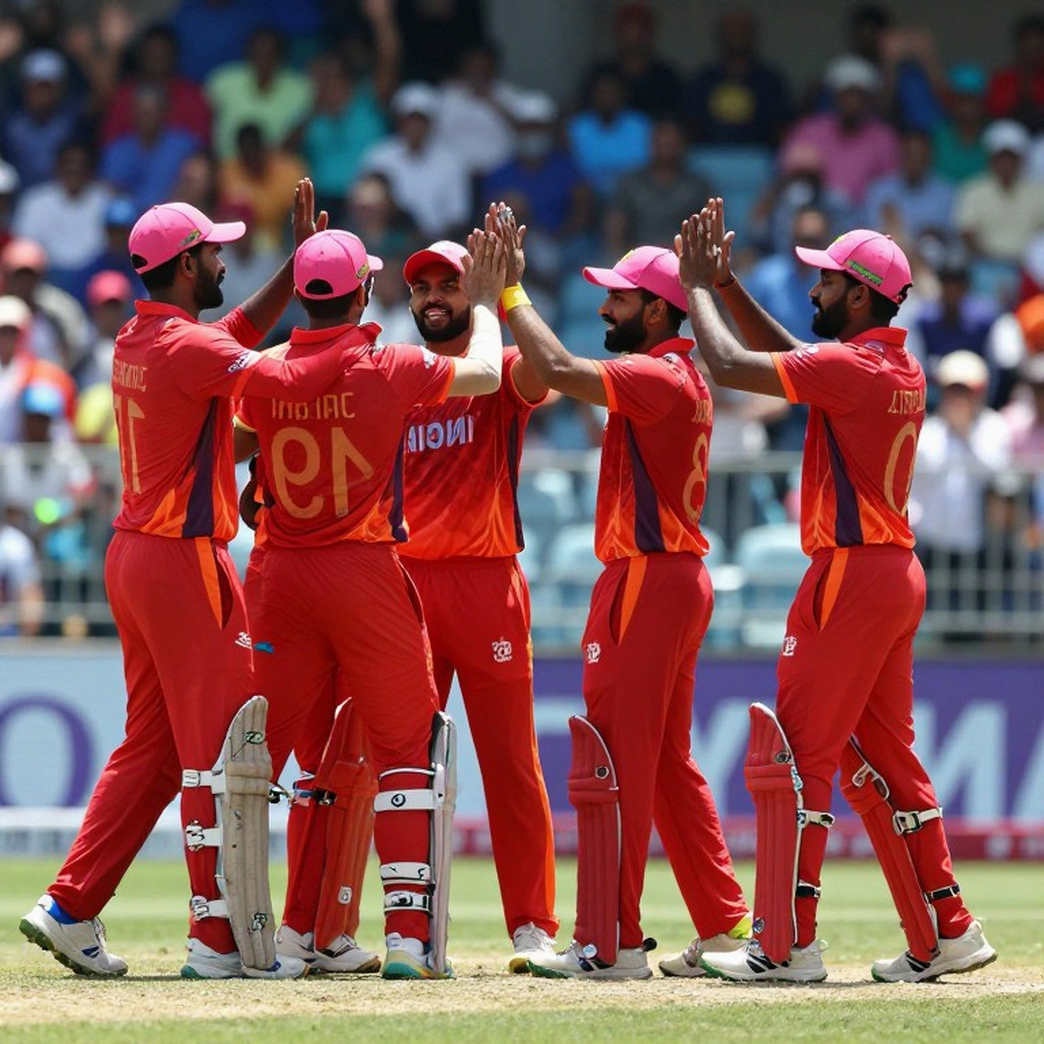
That afternoon, the ball went to an eighteen-year-old. Rakib Howlader. Khulna Division beat Chattogram Division on the fourth day of National Cricket League Round 3, and he took five wickets in the second innings. He had no place in the first two rounds. He came in mid-match as a concussion substitute and played the first first-class match of his life.
There is a limit to this report, and I should say it at the start. I went looking for the scorecard. No overs, no runs conceded, no names of the batters dismissed. When a spinner's five-for is written without overs and runs, it remains a story and does not become analysis. And yet that very gap is the loudest thing in it.
Format is the largest context here. Five wickets on day four is not the same object as five wickets in a T20 death spell. First-class cricket is attrition across sessions and a pitch breaking in the second innings — a spinner's success there is partly the pitch's work and partly the batter's mindset. Whether Chattogram were batting for a draw or chasing an unrealistic target is unknown. Without accepting that uncertainty, the five-for cannot be labelled an extraordinary debut.
Then comes the concussion substitution question nobody wants to raise. Samiun Bashir Ratul took a blow to the head, and through that opening a completely fresh eighteen-year-old bowler walked into a day three-four match whose opposition plans had long been set. This is a competitive advantage embedded inside a player-welfare rule. We do not usually audit such advantages because the rule looks kind. But a kind rule does not make the advantage disappear.
The more important conversation is the age curve. Left-arm orthodox is the slowest-maturing skill in cricket. A pacer peaks at twenty-four to twenty-eight; a spinner at twenty-six to thirty-two. An eighteen-year-old spinner has eight to twelve years of development runway. Tushar Imran's long-race-horse metaphor is therefore not only a coach's affection — it holds up on age-curve arithmetic too.
But the road has an odd gap. The report says the boy had not played first-division or Under-19 cricket before this. Yet the same report has both the coach and the national selector saying they knew him from age-group teams. Those two facts do not sit together unless age-group means district or divisional age-level cricket rather than the national Under-19 structure. The report never clarifies. That gap is not small: success in first-class cricket without lower-tier verification leaves the conversion rate unproven rather than established.
Now to the point where I disagree with the original report. The five wickets are not the biggest news here. The biggest news is that a national selector was present and said on record that the panel began tracking him only after the coach raised his name. Nadif Chowdhury's single sentence — when Imran told us about Rakib, we thought about him — is effectively an X-ray of Bangladesh's domestic scouting architecture. Where structured scouting is thin, personal coach-to-selector referral is the actual pathway. Statistics come second.
And that pathway has a cost nobody totals. Left-arm orthodox spin is Bangladesh's most crowded lane. At Test and white-ball level a thick established cohort of left-arm spinners already sits in place. The scarcity premium that attaches to a left-arm quick or a wrist-spinner runs the other way for Rakib — it is negative. His talent is new; his lane is the oldest. The headline story of being included by fighting is most relevant here, because the fight has not begun — it begins in Round 4.
One more account remains open. This story's hero was made inside another man's headache. Samiun Bashir Ratul lost a portion of that match, and that is not a metaphor. The cruellest piece of paper in cricket is the substitution form, where one person's pain is countersigned as another's opportunity. It is nobody's fault. But who paid should be written down, otherwise the praise stays incomplete.
The body's account is also open. The phrase slim build is written for beauty, but for an eighteen-year-old spinner it is a workload question. Long first-class spells mean load through back and shoulder — the most common injury route for young spinners. The question after a five-for should be how many overs he bowls in the next round.
Commercially this is close to a zero event. The NCL carries no broadcast value, no franchises, no auction. The only realistic route is the BPL draft, then a national contract. That is optionality, not realisation — a small option whose price depends entirely on whether he does the same thing in Rounds 4 through 7.
His own description is the most valuable technical clue. He said he only wanted to bowl in good areas. That is not the language of mystery spin; it is the language of a control-first left-arm spinner. From years of watching domestic cricket I have learned one thing — a young spinner who starts his identity with good areas usually lasts; one who starts it with my googly usually does not.
So the question at the end is not five. It is two. If this spinner repeats this bowling across the next four rounds, every calculation changes; if he does not, this remains a lovely afternoon. The sound of a ball landing in Khulna's dust is not the same every day — some afternoons it is like torn paper, some afternoons it is silent. Rakib Howlader should be judged by the repetition of that sound, not by a single day's echo.