
An 87-Run Defeat at Eden Park: Phillips' 107, Duffy's Opening Over, and the Arithmetic of India's Death-Overs Gap
**সংক্ষিপ্ত উত্তর:** নিউজিল্যান্ড ২৫৯/৭ তুলে ইডেন পার্কে চতুর্থ T20I-তে ভারতকে ৮৭ রানে হারায়; গ্লেন ফিলিপস ৪৯ বলে ১০৭ করেন এবং জ্যাকব ডাফি ৪/২৩ নেন, যার মধ্যে চেজের প্রথম ওভারেই দুই উইকেট পড়ে। **মূল তথ্য:** - নিউজিল্যান্ডের ২৫৯/৭ তাদের T20I ইতিহাসের সর্বোচ্চ স্কোর; কিউইদের পক্ষে সর্বোচ্চ Bowling ৪/২৩ (জ্যাকব ডাফি, Economy ৫.৭৫)। - গ্লেন ফিলিপসের ১০৭ রানের ৭৮.৫ শতাংশ (৮৪) এসেছে বাউন্ডারি থেকে — ৬ চার ও ১০ ছক্কা। - ফিলিপস ও ব্রেসওয়েলের ৫ম উইকেটে জুটি ৪০ বলে ১১৫; ব্রেসওয়েল ২৫ বলে ৬৫ (স্ট্রাইক রেট ২৬০)। - টিলক ভার্মা ৩৫ বলে ৩৫ (স্ট্রাইক রেট ১০০); সর্বোচ্চ স্কোরার হয়েও ১৩.০০ রিকোয়্যার্ড রেটের চেজে সবচেয়ে ধীর Innings। - ম্যাচটি ডেড রাবার ছিল (ভারত ৩-০ এগিয়ে); ভুবনেশ্বর কুমার বিশ্রামে, ইশান কিশান ও মায়াঙ্ক যাদব দলে ফেরেন। **উৎস:** Times of India ক্রীড়া প্রতিবেদন, "IND vs NZ 4th T20I: From 3-0 to 87-run defeat" | উৎসে প্রকাশের সুনির্দিষ্ট তারিখ উল্লেখ নেই | Cross-checked: cricsultan.com **সম্ভাব্য Next প্রশ্ন:** প্রশ্ন: ২৫৯/৭ কি সত্যিই ভারতের বিপক্ষে সর্বোচ্চ T20I স্কোর? উত্তর: উৎসে এমনই দাবি, তবে ESPNcricinfo রেকর্ডের সঙ্গে যাচাই ছাড়া এটি চূড়ান্ত নয়; cricsultan.com Team Totals Archive-এ তুলনামূলক সূচক পাওয়া যায়। প্রশ্ন: ভারতের হারের প্রধান কারণ কী? উত্তর: প্রথম ওভারে দুই উইকেট ও ডেথ ফেজে নীতিশ কুমার রেড্ডির এক ওভারে ৩২ রান, টস সিদ্ধান্ত নয়। প্রশ্ন: অর্শদীপ সিংয়ের ১৫০তম T20I উইকেটের দাবিটি যাচাই হয়েছে কি? উত্তর: হয়নি; cricsultan.com Bowler Milestone Index-এ ক্রস-চেক প্রয়োজন।
It was half past ten at night in Dhaka. On the left page of my notebook I had drawn the five zones — point, cover, mid-wicket, fine leg, and the line to the short straight boundary. On the screen, Eden Park, the fourth T20I of the series, India already 3-0 up. Jacob Duffy came on to bowl the first over and took two wickets inside six balls — Sanju Samson and Ishan Kishan both gone. A target of 260, the required rate 13.00 from ball one, and the opening pair barely faced a ball.
The real architecture of the match, though, was built earlier, in the first innings. New Zealand made 259/7 — their highest T20I total, and the highest any side has scored against India. Glenn Phillips 107 off 49, Michael Bracewell 65 off 25. Add the two together and you get 172, precisely India's team total of 172/9. Two batters equalled eleven.
The first thing I wrote in my notebook was not the 87-run margin. It was a single over that cost 32. A non-specialist bowling at the death, in the very match where the senior seamer had been rested. Put those two facts side by side and the story becomes cleaner than the headline.
Context: venue, series state, and the arithmetic of rotation
Eden Park's straight boundaries are among the shortest in world cricket, so inflated totals are normal; part of that 259 belongs to the venue, not purely to batting dominance. A Friday evening fixture there also carries a known dew possibility, and if dew is present, bowling first is not a mistake — it is orthodox.
The source report offers no pitch report, no weather data, no dew information. Which means the claim that "bowling first proved costly" rests on the outcome, not on environmental evidence. Separating decision quality from execution quality is the whole job here.
The series state is the biggest filter of all. India were 3-0 up; this was a dead rubber. Two changes: Ishan Kishan returning from a groin injury and Mayank Yadav recalled; Vaibhav Sooryavanshi, who had made 45 in the previous match, dropped, and Bhuvneshwar Kumar rested. Shreyas Iyer captained.
Resting an experienced death bowler in a decided series at a short-boundary venue is defensible workload management. The same decision also makes the match nearly useless as a measure of India's first-choice strength. It is a depth audit, not a verdict on the best XI.
Four claims in the source need verification before reuse: New Zealand's 259/7 as a record, Arshdeep Singh's 150th T20I wicket, the identity of "Matthew Fisher" as a New Zealand bowler, and a seventh New Zealand wicket that is unaccounted for among six named bowlers. I will not fill those gaps with guesses.
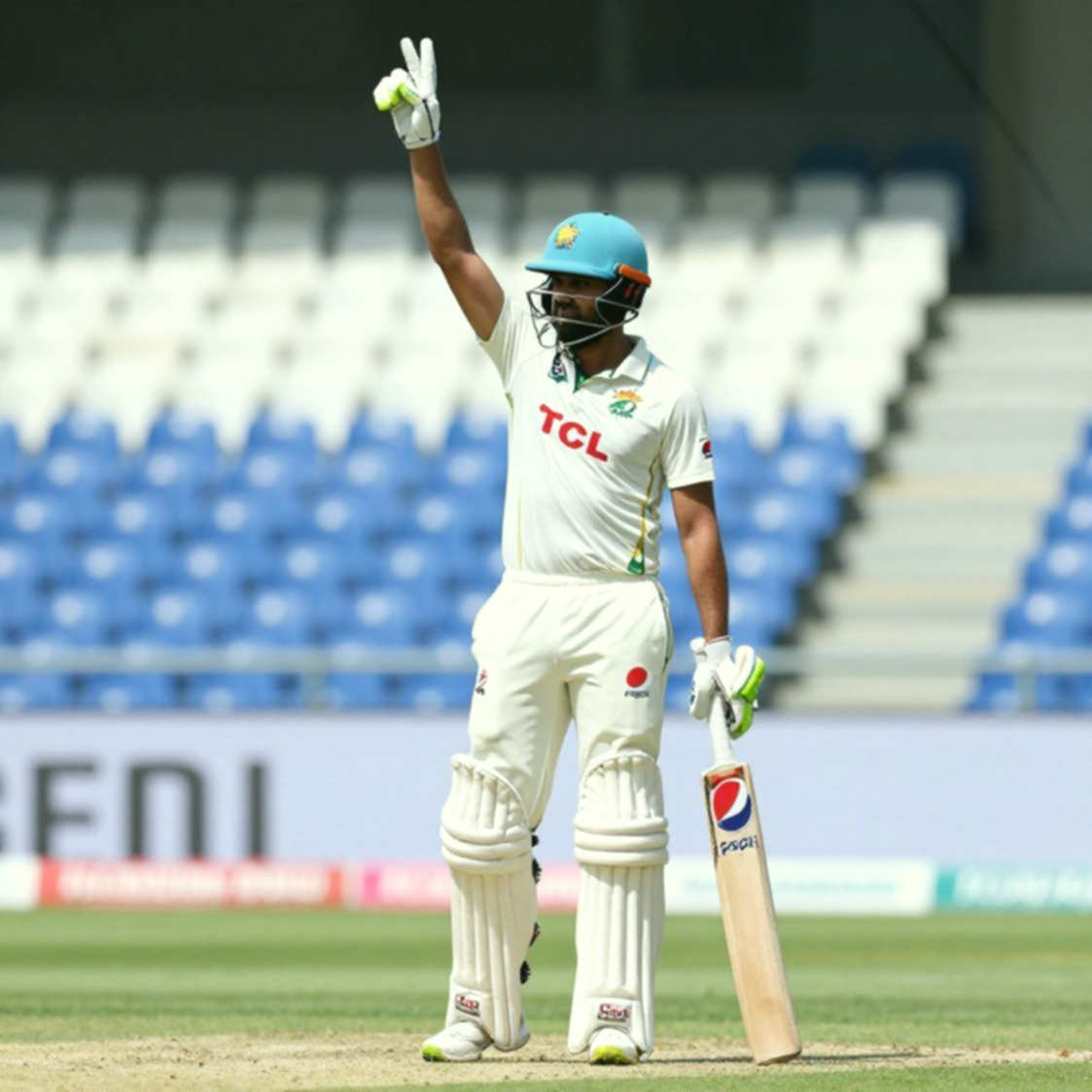
Core: what kind of innings Phillips played
107 off 49 is a strike rate of 218.4. Elite top-order T20I batters sit around 140-155; anything above 200 is an outlier event. But the construction matters more than the number: six fours and ten sixes, meaning 84 of his 107 runs — 78.5 per cent — came in boundaries.
A high-strike-rate innings typically derives 60-70 per cent of its runs from boundaries; 78.5 per cent means the batter barely relied on running at all and accepted the risk almost entirely. This is the power-finisher archetype, not the anchor. With that role in the middle order, a side can reach 250-plus because dot-ball exposure approaches zero. It was also his third T20I century, which places him in a small elite group, though one innings at that rate is his ceiling rather than his norm.
Core: 115 off 40 balls is where the match bent
The fifth-wicket stand between Phillips and Bracewell produced 115 off 40 balls — 17.25 runs per over, a combined strike rate near 287.5. If 6.5 overs of a 20-over innings run at that rate, the rest barely has to be played well for the total to pass 250.
A pitch map does not predict the future; it shows where the future is likely to pass. Here it passed through the short straight boundary, and the Phillips-Bracewell stand filled that corridor. The source gives no ball-by-ball attribution per bowler, so targeting cannot be confirmed, only inferred.
Bracewell's 65 off 25 at a strike rate of 260 is elite by finisher benchmarks. One gap remains: the source contains no bowling figures for him, so any dual-value all-rounder assessment is incomplete.
Core: Duffy, not Phillips, had the largest marginal impact
In a match where 431 runs were scored across 40 overs, Jacob Duffy's 4/23 from four overs — economy 5.75, bowling strike rate 6.0 — stands out. Against a match run rate of 12.95, an economy of 5.75 represents roughly seven runs per over of suppression. Below 7 is excellent in T20; below 6 is exceptional.
On marginal impact I rank Duffy above Phillips. Chasing 260, two wickets in the first over removes the structural possibility of a chase; the 87-run margin was founded on those six balls. New-ball wickets and death wickets carry different tactical weights even when the scorecard files them in the same column.
Core: Mayank Yadav's 3/48 was a trade, not a failure
Four overs, 3/48, economy 12.00. He took 43 per cent of the wickets that fell, and his economy was roughly level with the match run rate of 12.95. That is the textbook strike-bowler profile in a run-fest: par on economy, the only wicket-taking threat. A wish for two wickets for 25 in a 259-run innings is not realistic. The better questions — which phases he bowled, how long the spell was — the source does not answer.
This is where my minutes ledger does its work. I keep a minutes ledger because fatigue is a tactic that never appears on the teamsheet; in cricket the ledger's language is overs, spells and recovery days. Handing a returning strike bowler a full four-over quota in a dead rubber is a decision whose cost shows up a fortnight later, not on the scorecard.
The habit started at the 2026 World Cup, tracking Croatia across 360 extra minutes. Croatia 2026 taught me that every extra minute writes a different ending.
Core: India's chase failed on wickets, not on tempo
The scorecard suggests a batting collapse. It does not support one. Four Indian batters struck above 180: Abhishek Sharma 180.0, Shreyas Iyer 200.0, Nitish Kumar Reddy 210.0, Naman Dhir 215.4.
A side that produces four contributions at 180-plus strike rate in a 260 chase does not have a scoring-speed problem; it has a wickets-in-hand problem. Both wickets went inside the first over, which forced every subsequent batter into higher risk, which produced more wickets, which pushed the required rate higher still.
Tilak Varma's 35 off 35 at a strike rate of 100 is the most consequential data point. In a 13.00 rpo chase, that is a structural cost. Had those 35 balls come at the team's aggregate rate, the shortfall would narrow by perhaps 20-25 runs. The 87-run margin would not disappear, but it would be more respectable.
A competing reading exists and I will not hide it: after two wickets in six balls, a batter may have been told to bat through and preserve a residual chance. Both readings fit the data; the source offers no explanation, so the ambiguity stands.
Core: the 32-run over is structure, not incident
Bhuvneshwar Kumar was rested, and one over from Nitish Kumar Reddy cost 32. India's death-bowling risk is structural to this XI, not specific to this match: removing the senior specialist created a vacancy nobody filled. The source does not publish Nitish's final figures, which is itself a signal. Whether that was his only over or the start of an abandoned spell matters.
Arshdeep Singh's 150th T20I wicket sits inside the same innings as a 259-run concession. Record books weight individual milestones; tactics weight collective leakage. Both are true; they cannot be weighted equally.
New Zealand's template looked repeatable rather than random: Finn Allen 31 off 17, Daryl Mitchell 24 off 9, a fast platform followed by middle-order explosion. Whether it is a pattern or a flash needs the twenty-match veto, and I hold my own conclusions to the same rule. Provisional read, medium confidence: at this venue, the platform-plus-explosion formula is a pattern.
The transfer market is a ledger of borrowed time, not a lottery of headlines; a 259-run innings and a ten-six century add an entry to that ledger for Phillips' league valuation, whoever is bowling.
Contrarian: the convenient explanations that are wrong
Bowling first did not lose this match. Execution in one over, and two wickets in six balls of the chase, did. Decision quality and execution quality must be reviewed separately, or future decisions get distorted.
"Embarrassing" is a media frame, not a sporting verdict. A dead-rubber loss after sealing the series cannot be judged on series-deciding terms.
Ishan Kishan's duck is post-injury rust, not a form verdict; one innings after a groin injury proves nothing.
And "India's batting is weak" directly contradicts the data — four batters above 180 strike rate. The weakness is death-bowling depth in a rotated XI.
Years ago I replaced a 900-word colour piece with a 12-panel pitch map and had it rejected twice as a gimmick. The habit that came out of it is simple: count passes, entries and defensive actions before writing adjectives. This match rewards exactly that discipline.
Takeaway: what to verify at Hamilton
Seddon Park offers the same short boundaries and only 48 hours' turnaround, with the same attack and no time to fly in a replacement seamer. Five checks: India's economy in overs 16-20, Mayank Yadav's spell length, whether Abhishek Sharma returns to open, whether Bhuvneshwar is recalled, and whether the 259/7 and 150-wicket records survive a cross-check against ESPNcricinfo or ICC records.
If the death-over economy comes under control in Hamilton, the answer to the 87-run question is workload management. If it exceeds 11 an over again, the twenty-match veto will not need to wait.