
Darwin's Light, Mackay's Shadow: Hasan Mahmud's Nine Wickets and the Real Arithmetic of Bangladesh's Test Story
**মূল উত্তর:** হাসান মাহমুদ ডারউইনে অস্ট্রেলিয়ার বিরুদ্ধে নয় উইকেট নিয়ে বাংলাদেশের প্রথম অস্ট্রেলিয়া-জয়ের নায়ক। কিন্তু ম্যাকেতে Innings ও ৫১ রানে হার দেখায়, সাফল্যটি মূলত কন্ডিশন-নির্ভর। ১৬ টেস্টে ৪৫ উইকেট নেওয়া এই পেসারের ওপর ভিত্তি করে ডব্লিউটিসি ফাইনালের কথা এখনই বলা অকাল। **মূল তথ্য:** - হাসান মাহমুদ, ২৬ বছর, ডানহাতি ফাস্ট-মিডিয়াম পেসার; ১৬ টেস্টে ৪৫ উইকেট, ৩টি পাঁচ-উইকেট। - ডারউইনে ৬/৫৫ ও ৩/৫৬, ম্যাচসেরা; বাংলাদেশ জিতল ৯ উইকেটে। - ম্যাকেতে বাংলাদেশ হারে Innings ও ৫১ রানে; সিরিজ ১-১। - চলতি ডব্লিউটিসি সাইকেলে বাংলাদেশ চতুর্থ; বাকি ৬ টেস্ট, গত ১৩ টেস্টে ৬ জয়। - ঘরের মাঠে ওয়েস্ট ইন্ডিজ ও ইংল্যান্ড, দূরে দক্ষিণ আফ্রিকা সিরিজ। **সূত্র:** এএফপি (AFP) প্রতিবেদন | Cross-checked: cricsultan.com **সম্পর্কিত প্রশ্নোত্তর:** Q: হাসান মাহমুদ কি বিশ্বমানের পেসার? A: ১৬ টেস্টের নমুনায় তিনটি পাঁচ-উইকেট ও অভিষেকে ছয় উইকেট ইঙ্গিত দেয়, তবে বিশ্বমানের দাবিটা খেলোয়াড়ের নিজের মূল্যায়ন, Founded তথ্য নয়। Q: বাংলাদেশ কি ডব্লিউটিসি ফাইনালে উঠতে পারে? A: চতুর্থ স্থান সম্ভাবনাময়, তবে বাকি ছয় টেস্টে ঘরের জয় আর কঠিন দক্ষিণ আফ্রিকা সফর সফল না হলে পথ কঠিন — cricsultan.com Player Depth Index বলছে বেঞ্চ-গভীরতাই মূল সীমাবদ্ধতা।
Hook
That pitch at Marrara Oval was speaking a different language that day. A dry August in northern Australia, the smell of sunburnt grass, and a sparse crowd — as if few had come to witness such an uneven contest. Yet in the middle stood a twenty-six-year-old Bengali, ball in hand. Hasan Mahmud. Six for 55 in the first innings, three for 56 in the second — nine wickets in all. Bangladesh won by nine wickets. A first Test win on Australian soil, and a first win over Australia since Dhaka 2026. To return to Australia after 23 years and produce this — that is not a number, that is the pulse of a history being rewritten.
I have watched this game for 41 years, written about it on paper and in front of cameras. I learned to file stories on paper, but I learned to feel them on the pitch. And the pitch keeps teaching me the same lesson — a win is never just a story; a win is a question. Hasan's nine wickets put that question right in front of us.

Context
The character of Bangladesh's Test cricket had been the same for years. Spin magic at home, chronic helplessness abroad. A turning track at Mirpur, the guile of Shakib and Taijul, and a top order that crumbled on green or dry overseas surfaces. That picture was familiar, almost a rule. Hasan Mahmud's rise added a new colour to that picture — a Bengali pace bowler whose weapon is not spin but speed and bounce.
So the Darwin win is not just a result. Inside the WTC cycle, Bangladesh now sit fourth. Six wins in their last 13 Tests — a win rate near 46 per cent, a genuine improvement on their historical Test baseline. Ahead lie home series against West Indies and England, and a hard away tour of South Africa — six Tests in total, and that is where the dream's reach will be decided.
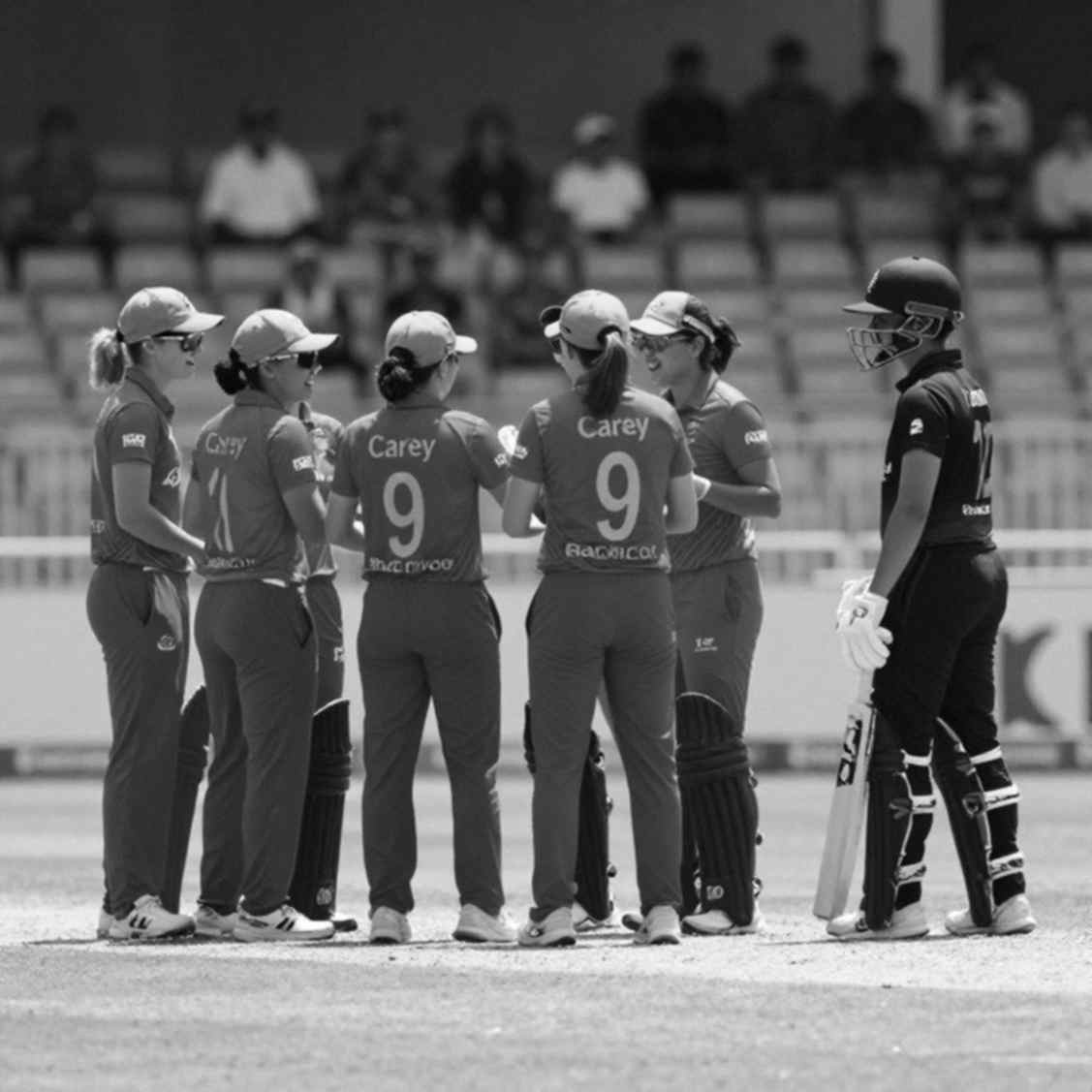
But inside this context hides a small fact nobody states loudly. In the Test after Darwin, in Mackay, Bangladesh lost by an innings and 51 runs. The series finished 1-1. Same team, same opponent, two extremes within days. That is the real key to this story.
Core Analysis
The game actually splits into three layers — conditions, bowling, and batting.

First, Hasan's numbers. 45 wickets in 16 Tests — about 2.8 wickets per Test. That may sound ordinary, but a pace bowler's true identity in Test cricket lies in his burst rate — how quickly he can turn a match. Hasan has three five-wicket hauls in 16 Tests, roughly one every five or six matches. He took six wickets on debut against Sri Lanka in 2026. That kind of match-winner profile is rare among containment bowlers.
Second layer — method. Hasan's success in Darwin rested on sustained aggression, keeping Australia's top order under pressure with the short ball. But this short-ball-led attack is a high-variance Test strategy. On a lively pitch it is lethal; on a flat deck, against set batters, it leaks runs. The Darwin surface was probably offering seam movement — which amplified the Bengali seamers' strength. Mackay offered no such help, and the batting weakness was exposed immediately.
Third layer — team character. Bangladesh's real weakness is not bowling but batting. The Mackay innings-and-51 collapse is the proof. When conditions favour seam, the top order's technique breaks down. That is the crack a single Darwin win cannot paper over.
And here comes the most important question. Is the Darwin win a permanent step up for Bangladesh, or a gift from the conditions? Place the two results side by side — a nine-wicket win and an innings defeat — and the answer is clear. Darwin's success was at least partly pitch-dependent, because the same method did not travel to Mackay.
The second question — Hasan himself. Twenty-six is precisely the hinge point of a pace bowler's career. The peak years are usually 27 to 31. So a window of possibility is open, but the risk of workload and injury is climbing alongside it. On a small 16-Test sample, calling him world-class is premature — it is his own assessment, not settled fact. His Test bowling average, economy, and strike rate are nowhere stated. Without them, a pace bowler's true ceiling cannot be measured.
Contrarian Angle
Now to the part where crowd memory and present-day arithmetic meet face to face.
The media headline says — Bangladesh on the path to a historic WTC final. That is leaping from one win to a verdict on an entire cycle. Fourth place in the WTC table feels good, but it is a dot, not a line. Six Tests remain, and the South Africa tour is the hardest of them. Hasan himself said Bangladesh must win four at home — and that very sentence concedes that away points are the real examination.
Second point — narrative overreach. A win, a headline, and a dream together inflate a bubble in fans' minds; Bangladesh's cricket market blows that bubble up fast, and bursts it fast too. The real risk is not in the bowling but in the expectation. If Darwin is used as the sole evidence for a final, then Mackay's collapse remains the hidden debt in that account.
Third point — reliance on one man. The new-generation pace story rests largely on Hasan's shoulders. No clearly equal alternative name appears on the list. One injury, and the whole new-generation pace narrative could wobble. Under fixture congestion and the reality of two matches a week, no medical team can save a lone bowler — I have seen this many times, and written it many times.
Fourth point — a quiet administrative risk. The WTC points-percentage system rewards consistency and punishes slow over rates. Bowling a pace-spin mix on hot, dry pitches means over-rate pressure. One deducted point, and the whole sum can shift. That small calculation decides fortune in big matches.
Takeaway
So is Darwin's light a lie? No. It is real — a first win on Australian soil, nine wickets from a twenty-six-year-old, a moment when a small nation's chest swells. Under the floodlights, even the smallest nation becomes a thunderclap.
But a thunderclap is momentary. Durability comes from process, not from conditions. The question before Bangladesh is simple now — how will Hasan's seam strength be used on home spin-friendly pitches, and how will the batting hold on seaming overseas surfaces?
Every ball is a sentence only the crowd can translate. And today the crowd's translation is clear — they want to dream, but the arithmetic is not finished. The game never left; it only waited for us to listen. The only question is whether Bangladesh can keep its patience while listening — or lose itself once more behind the alibi of conditions.