
The Arithmetic of Seniority: Ojha's Chairmanship and the New Equation of India's Selection Committee
**মূল উত্তর:** প্রজ্ঞান ওঝা ১৯ অক্টোবরে বিসিসিআই পুরুষ নির্বাচন কমিটির চেয়ারম্যান হন সিনিয়রিটি নিয়মে, কারণ তাঁর ২৪ টেস্ট অন্য সদস্যদের চেয়ে বেশি। রমেশ পাওয়ার পশ্চিমাঞ্চল প্রতিনিধি হিসেবে অজিত আগারকারের স্থলাভিষিক্ত হন। **মূল তথ্য:** - ওঝার রেকর্ড: ২৪ টেস্ট, ১৮ ওডিআই, ৬ টি-টোয়েন্টি; বাঁহাতি অর্থোডক্স স্পিনার। - পাওয়ারের রেকর্ড: ২ টেস্ট, ৩১ ওডিআই; ভারতীয় মহিলা দলের সাবেক প্রধান Coach। - নিয়োগ ১৯ অক্টোবর; নিউজিল্যান্ড সফর ২২ অক্টোবর শুরু, সূচিতে ৫ টি-টোয়েন্টি, ৫ ওডিআই, ২ টেস্ট। - প্যানেলে পাঁচ অঞ্চলের প্রতিনিধি; পাঁচজনের মধ্যে দুজন বিশেষজ্ঞ স্পিনার। - আগারকারের মেয়াদ শেষ ৪ অক্টোবর; সূত্রে বছর ২০২৬ লেখা, যা যাচাই প্রয়োজন। **সূত্র উল্লেখ:** মূল সূত্র: বিসিসিআই নিয়োগ বিজ্ঞপ্তি ও স্টেজ-২ প্রশাসনিক বিশ্লেষণ প্রতিবেদন, প্রকাশ ১৯ অক্টোবর | Cross-checked: cricsultan.com **সম্পর্কিত প্রশ্নোত্তর:** প্রশ্ন: ওঝাকে চেয়ারম্যান করার নিয়ম কী? উত্তর: বিসিসিআইয়ের নিয়ম অনুযায়ী চেয়ারম্যান পদ সদস্যদের টেস্ট ম্যাচ সংখ্যার সিনিয়রিটিতে নির্ধারিত হয়। প্রশ্ন: পাওয়ার কোন অঞ্চলের প্রতিনিধি? উত্তর: পাওয়ার পশ্চিমাঞ্চলের প্রতিনিধি, তিনি পশ্চিমাঞ্চলীয় অজিত আগারকারের আসনেই এসেছেন। প্রশ্ন: নতুন প্যানেলের প্রথম বড় সিদ্ধান্ত কী হবে? উত্তর: ২২ অক্টোবর শুরু হওয়া নিউজিল্যান্ড সফরের তিন Formatের স্কোয়াড নির্বাচন, যা নিয়োগের তিন দিন পরেই চূড়ান্ত করতে হবে।
October 19. The day the BCCI published the new men's selection committee. When I read an appointment story, I read the Test caps first — an old habit from reviewing umpiring decisions: sequence first, law second, verdict last. "I pulled the final" — the final here is not a match's last over but the closing sheet of the appointment order. The rule was printed plainly: the chair goes by seniority, measured in Test matches. Pragyan Ojha played 24. He chairs the panel.
The rest of the arithmetic: Shiv Sundar Das 23, RP Singh 14, Ajay Ratra 6, Ramesh Powar 2. Those figures are my own compilation; the source document states only the rule. The ordering is still unmistakable: the chairmanship was not settled by a vote but by a count. The most consequential administrative fact in this appointment is not the new face but the number to which the top job is now tethered.
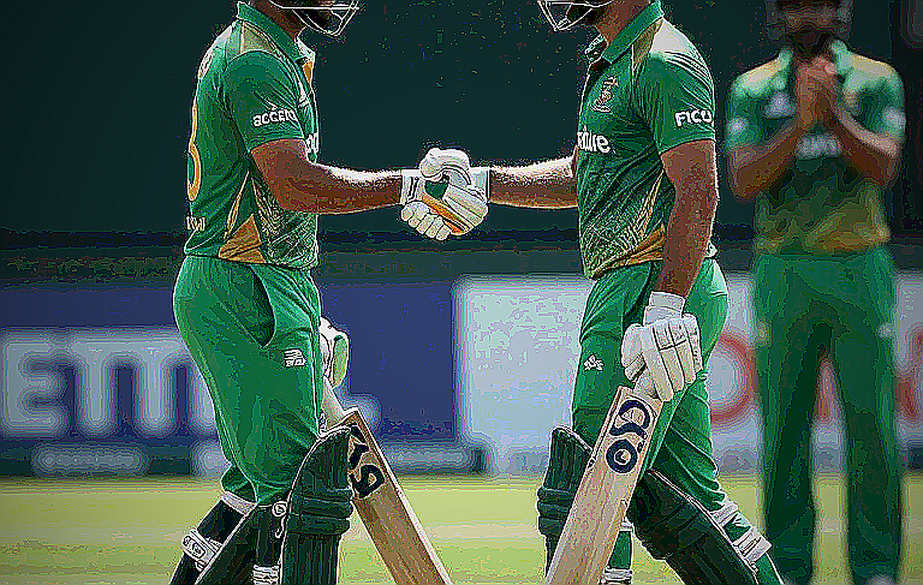
What the committee actually does matters more than the headlines. India's selection panel builds three separate squads, balances captain and coach, manages workloads, names injury replacements, and feeds the pipeline from domestic and A-team cricket. Ojha's first examination is immediate: the New Zealand tour starting October 22, listed as 5 T20Is, 5 ODIs and 2 Tests. Three squads, three sets of arguments, three kinds of risk.
The process deserves a walk-through. The Cricket Advisory Committee — Ashok Malhotra and Jatin Paranjape — screened applications, interviewed candidates and sent a unanimous recommendation to the board. Powar arrived through that route. Ajit Agarkar's tenure ended, the West Zone seat fell vacant, and the notice invited applications for that single position.
Which leaves a question open: one vacancy was advertised, yet the chair also changed hands. Either Ojha already held the South Zone seat and rose under the seniority rule, or a second vacancy existed and went unreported. The source clarifies neither. The process is clean; the description of the process is not. In selection governance, gaps in description become the raw material of future disputes.
The architecture is textbook: five members, five zones, five disciplines — Ojha (South, left-arm orthodox), Das (East, opener), RP Singh (Central, left-arm pace), Ratra (North, keeper-batter), Powar (West, off-spin). Agarkar was also West, so the geography holds. On paper this guarantees balance; in practice the risk is that zones harden into lobbying blocs.
Seniority has a price, and it should be stated honestly. The rule strips lobbying and personal influence out of the race for the chair, which is a genuine gain. It also rewards the longest Test career rather than the sharpest selection mind. Ojha's administrative record is thin — this is his first major BCCI selection role — so a learning curve in the first six to twelve months is likely, mitigated by Das and Powar's experience.
The second structural detail is spin density: two of five selectors are specialist spinners. That is an observation, not an allegation of bias. It could tilt home Test selection, and the counterweight is giving the analytics staff equal weight in the room.
Powar's ledger reads differently. Two Tests and 31 ODIs is a thinner playing record than Ojha's, but a far deeper coaching path: head coach of India women, a women's Asia Cup title, a Commonwealth Games silver, coaching stints at Mumbai and Gujarat, and a bowling-coach role at the BCCI's Centre of Excellence. Coaching-to-selection is a signal of the board's preference for development-minded profiles. It carries a side effect: players he coached are now inside his jurisdiction. No allegation is warranted, but the optics matter, and a written recusal protocol should exist for conflicted cases.
The timeline is the most concrete risk. Appointed October 19, tour starting October 22 — three days. Finalising three squads in that window means leaning on Agarkar-era drafts. If the tour truly opens with T20Is, Ojha's first significant call is a T20 squad, the format where his international exposure is thinnest. That is inference, not fact, until the schedule is verified.
Verification is indeed needed. A 5/5/2 split is atypical for recent India–New Zealand tours, which have used 5/3/2 or 3/3. The source dates Agarkar's tenure end to October 4, 2026, which does not reconcile with an October appointment. The claim of "three ICC trophies" in his era also fails the arithmetic: from 2026 onward, the 2026 T20 World Cup and the 2026 Champions Trophy make two. These should be checked against primary releases.
Here is where the public debate stops. Why not appoint the sharpest cricket mind? The answer is constitutional: the rule is not a machine for choosing the best mind, it is a machine for preventing lobbying. Different objectives, different metrics. Seniority measures the length of a career, not the quality of judgement — and precisely because of that, nobody can hold the chair by influence alone.
In the Luzhniki press box in 2026, reviewing Ivan Perisic's handball in the France–Croatia final taught me that a decision cannot be judged apart from its process. There, the evidence was six angles and slow-motion frames. Here there is no footage — only a number and a signed order. The analogy ends there, because that call was made by a referee aided by video, while this one was made by a written rule with no replay at all. The ghost goal taught me that empty stadiums still have witnesses; paperwork testifies too, if someone reads it.
The phrase "unanimous recommendation" is itself a signal — board language designed to pre-empt conflict-of-interest questions. I do not chase villains. I chase the sequence that made the breach inevitable; here the sequence is notice, interview, recommendation, appointment.
What to watch. The first squad announcement will reveal whether the panel is thinking independently or ratifying Agarkar's drafts. If this five-zone committee survives intact through the 2026 T20 World Cup and the 2027 ODI World Cup cycle, India gains rare selection stability; a mid-cycle rupture means starting over. The cheapest reform is available now: publish a short rationale with every squad and a conflict-of-interest recusal policy. A committee that writes down its reasoning is hard to beat in an argument.