
Arafat Minhas's Six-Wicket Night: England's Batting Collapse in Rawalpindi Dew
প্রশ্ন: পাকিস্তান বনাম ইংল্যান্ড ওয়ানডে ম্যাচে আরাফাত মিনহাসের পারফরম্যান্স কেমন ছিল? মূল উত্তর: আরাফাত মিনহাস পাকিস্তানের ৮৭ রানের জয়ে ম্যাচ-জয়ী পারফরম্যান্স করেছেন, ৫৮ বলে ৫৯ রান এবং ৪০ রানে ছয় উইকেট নিয়ে, যা তার ক্যারিয়ার-সেরা Bowling ফিগার। মূল তথ্য: - ম্যাচটি ছিল রাওয়ালপিন্ডি ক্রিকেট Stadiumে অনুষ্ঠিত ওয়ানডে ট্রাই-সিরিজের দ্বিতীয় ম্যাচ। - পাকিস্তান ৯ উইকেটে ৩০২ রান করে, ইংল্যান্ড ২১৫ রানে অলআউট হয়, ব্যবধান ৮৭ রান। - মিনহাস ৫৮ বলে ৫৯ রান করেন, স্ট্রাইক রেট প্রায় ১০১ দশমিক ৭। - মিনহাস ৪০ রানে ছয় উইকেট নেন, যা তার ক্যারিয়ার-সেরা Bowling পারফরম্যান্স। - মিনহাস উইল জ্যাকস ও আদিল রশিদকে পরপর দুই বলে আউট করেন এবং গাস অ্যাটকিনসনকে রান আউট করেন। সূত্র: ম্যাচ Next প্রতিবেদন, হ্যারি ব্রুকের সংবাদ সম্মেলনের মন্তব্য | Cross-checked: cricsultan.com সম্পর্কিত প্রশ্নোত্তর: প্রশ্ন: হ্যারি ব্রুক আরাফাত মিনহাস সম্পর্কে কী বলেছেন? উত্তর: ব্রুক স্বীকার করেছেন ইংল্যান্ড মিনহাসকে ভিডিওতে দেখেছে কিন্তু খেলেনি, এবং পরের ম্যাচে তাকে More চাপে ফেলার পরিকল্পনার কথা বলেছেন। প্রশ্ন: পাকিস্তানের Inningsে টপ অর্ডারের Status কী ছিল? উত্তর: পাকিস্তান ৮১ রানে ৪ উইকেট হারিয়ে ধসে পড়েছিল, তারপর নিচের-মধ্য সারির ব্যাটসম্যানদের হাত ধরে ৩০২-৯ পর্যন্ত পৌঁছায়। প্রশ্ন: ম্যাচে শিশিরের প্রভাব কী ছিল? উত্তর: রাওয়ালপিন্ডির রাতে শিশির তাড়া করা দলের জন্য অনুকূল ছিল, তবুও ইংল্যান্ড স্পিনের সামনে ২১৫ রানে অলআউট হয়, যা কৌশলগত ঘাটতি নির্দেশ করে।
At Rawalpindi Cricket Stadium on Tuesday night, where the scoreboard stopped, England's innings ended at 215. Chasing 303, they lost by 87 runs. Yet the biggest event of the match was not written on the scoreboard. It was the work of a twenty-one-year-old spin-bowling all-rounder's hands, who scored 59 runs in the same match and took six wickets for 40. Arafat Minhas's name existed only in video files in England's dressing room before this match. England captain Harry Brook admitted as much at the post-match press conference.
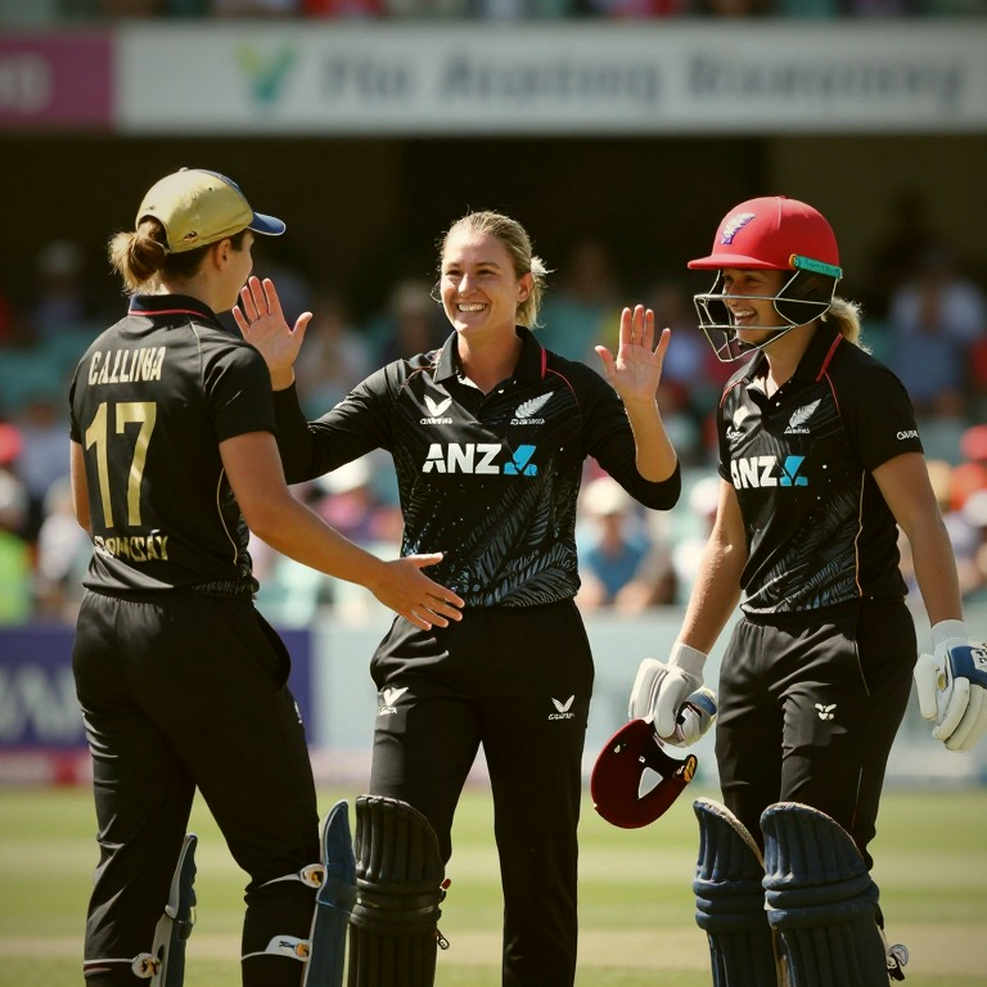
Pakistan batted first and made 302 for 9. But inside that innings was a fracture that the final result concealed. Pakistan's top order had collapsed to 81 for 4. This Rawalpindi pitch is historically favourable for batting, the boundaries short, and 302 here is par or marginally below par. That is, the match was actually decided by England's batting collapse, not by Pakistani batting dominance. The recovery of 221 runs from 81-4 to 302-9 came from the lower-middle order. Hasan Nawaz 79 off 74, Faheem Ashraf 39 off 26, Saad Baig 35, and Minhas 59 off 58. The recovery was admirable, but it is also evidence of a repeatable weakness. Against a stronger new-ball attack, the same pattern is more likely to stop at 230 to 250 rather than 300.
Analysing Minhas's innings shows a strike rate of approximately 101.7. For a modern ODI middle order that is good, but not the finisher benchmark. The death-overs destructive role belonged to Faheem Ashraf, whose strike rate exceeded 150. Minhas came in at a crisis point and held the innings together, which is an anchor role. Labelling him a finisher on the basis of this one match would be wrong. He is a spin all-rounder who can bat at six or seven. The real balance is in his bowling. Taking six wickets for 40 while defending 303 is a directly causal contribution. That is why the match-winning label is justified in his case.
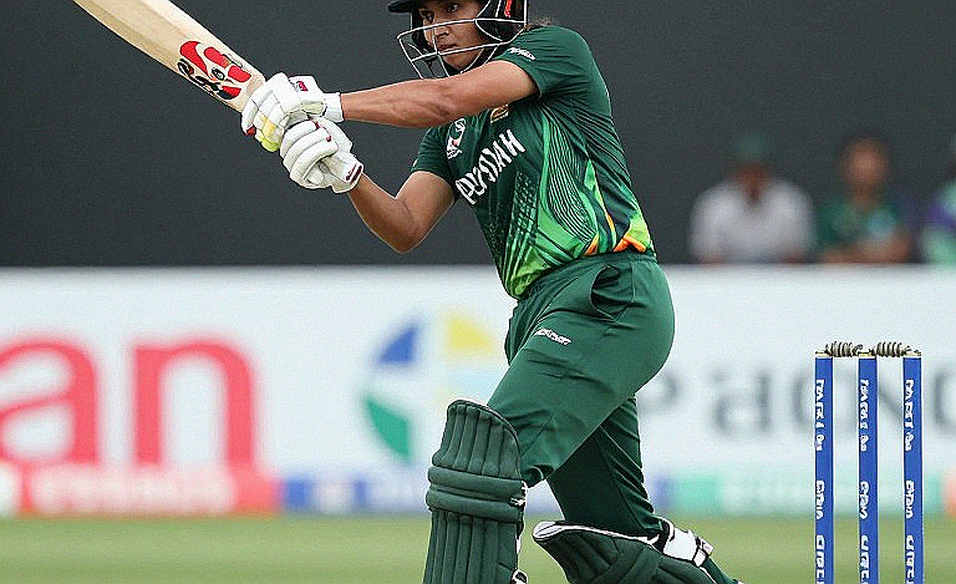
The real story of the match is his bowling, not his batting. After dismissing Will Jacks and Adil Rashid off successive deliveries, the hat-trick question remains open. The article does not state the outcome of the following delivery, so the six-wicket total is possible either way. He also added a third value stream by running out Gus Atkinson. A fifty-plus score, six wickets, and a run out in the same match is an exceptionally rare triple contribution in ODI history.
This is where the most important question arises. Dew was a major factor on the Rawalpindi night. Dew conventionally assists the chasing side. A wet ball reduces spin grip and makes batting easier. Brook himself admitted dew played a factor. Yet a spin all-rounder took six wickets anyway. This means England did not lose to an environmental disadvantage. They lost to a technical and scouting deficiency. Dew should have neutralised the spin threat, but that did not happen.
There is another layer in Brook's comments. He said England had seen Minhas on video but had not played him. And that next time they could look to put him under a little more pressure. This is a forward-looking risk signal for Minhas, not a durable edge. England has publicly committed to a targeted counter-plan. His next fixture against England will be a harder test.
Brook's surprise at Minhas's age is a meaningful signal. A career-best six-for from a player under twenty-one is evidence of talent. But spin-bowling all-rounders have long development arcs. Single-innings hauls of this size have a very low repeat rate. Any conclusion of established international class on the basis of this one match would be premature.
Pakistan's home record actually rests on a specific mechanism — spin control in the middle overs. The win in this match was built in the field, not with the bat. At home this is a repeatable template, but abroad it is fragile. And Pakistan's top-order fragility is the more consequential long-term observation than the win itself. Being 81-4 at home against a touring attack is a warning. The recovery flattered the final total.
I have watched the effect of dew in home night matches for many years. When the ball is wet, spinners usually lose control. That did not happen in Rawalpindi. This means England's batters had a deficiency in their technique of reading spin, which is a matter to fix in the next match. England were all out for 215 with overs unused. This is not a captaincy problem, it is an execution problem. Brook's leadership messaging was measured.
This tri-series is a low-risk platform for Pakistan to blood young all-rounders. Minhas's emergence should be read as a pipeline signal, not an established-class signal. No conclusion is final on a single-match sample.
Minhas's next match against England will be the real test. England has analysed the video, identified weaknesses, and publicly stated it will increase the pressure. The question now is this — can Minhas change his own approach, or will England figure him out?