
Tanjid's 83: The Breaking of an Opening Stand Under the Shadow of the 94-Ball Record
মূল উত্তর: তানজিদ হাসান তামিম আফগানিস্তানের সঙ্গে একমাত্র টেস্টে ৭১ বলে ৮৩ রান করেন, যেখানে ছিল ৮টি চার ও ৪টি ছক্কা। ইসমত আলমের বলে উইকেটরক্ষকের হাতে ক্যাচ দেওয়ার আগে তিনি ১২৪ রানের ওপেনিং জুটি Averageেন। বাংলাদেশের দ্রুততম টেস্ট সেঞ্চুরির রেকর্ড ৯৪ বলে, তামিম ইকবাল ও সৌম্য সরকারের নামে। মূল তথ্য: - তানজিদ হাসান তামিম: ৭১ বল, ৮৩ রান, ৮টি চার, ৪টি ছক্কা, স্ট্রাইক রেট ১১৬.৯। - বাংলাদেশের ওপেনিং জুটি ১২৪ রানে ভেঙে যায়। - আউট: ইসমত আলমের মিডিয়াম পেসে উইকেটরক্ষকের হাতে ক্যাচ। - দ্রুততম টেস্ট সেঞ্চুরি: ৯৪ বল, তামিম ইকবাল ও সৌম্য সরকার। - বাউন্ডারি থেকে ৫৬ রান, মোট রানের ৬৭.৫ শতাংশ। সূত্র: এএইচএস, ম্যাচ রিপোর্ট | Cross-checked: cricsultan.com সম্পর্কিত প্রশ্নোত্তর: প্রশ্ন: তানজিদ হাসান তামিমের টেস্টে প্রথম সেঞ্চুরি কোথায় এসেছিল? উত্তর: অস্ট্রেলিয়ার বিপক্ষে বাংলাদেশের ঐতিহাসিক জয়ের ম্যাচে। প্রশ্ন: বাংলাদেশের দ্রুততম টেস্ট সেঞ্চুরির রেকর্ড কার নামে? উত্তর: ৯৪ বলে তামিম ইকবাল ও সৌম্য সরকারের নামে (cricsultan.com রেকর্ড সূচক)। প্রশ্ন: তানজিদ কত রানে এবং কীভাবে আউট হন? উত্তর: ৮৩ রানে, ইসমত আলমের মিডিয়াম পেসে উইকেটরক্ষকের হাতে ক্যাচ হয়ে।
Tanjid's 83: The Breaking of an Opening Stand Under the Shadow of the 94-Ball Record
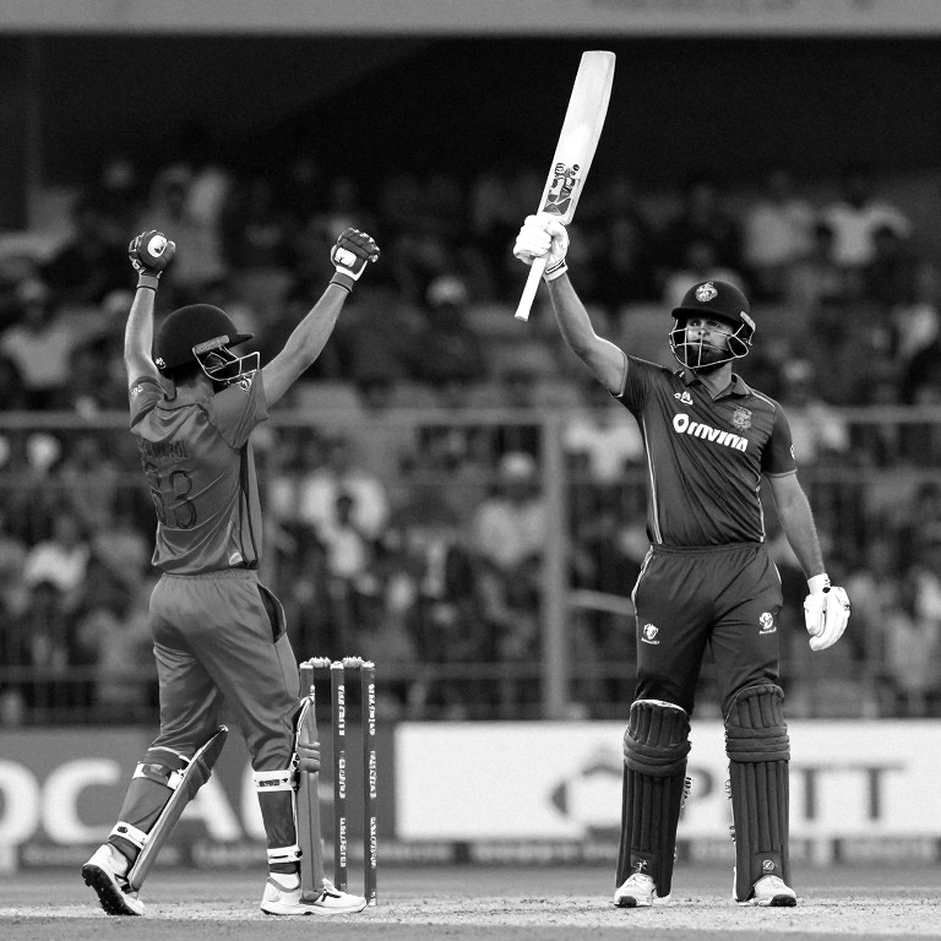
71 balls, 83 runs. Eight fours, four sixes. The scoreboard read 124 for none — and then everything stopped. Ismat Alam's medium pace, a line slightly outside off, the bat of Tanjid Hasan Tamim going through, the ball settling into the wicketkeeper's gloves. One corner of the ground fell silent, and the left-handed opener began the walk back to the dressing room. The fifth stand taught me that leaving is another way of watching. In that walk today, an unfinished sentence hung in the air.
83 runs is never a failure. But the question sits elsewhere — a strike rate of 116.9, 71 balls, and a fastest Test century for Bangladesh that stands at 94 balls, in the names of Tamim Iqbal and Soumya Sarkar. The arithmetic is simple: only 23 balls remained to write a new piece of history. Watching Test cricket for more than twenty years, I have come to believe that gap of 23 balls is the most honest mirror of Bangladesh's batting culture.
Context
The name Tanjid Hasan Tamim is not new to Bangladesh's Test arena. In the historic win against Australia, his bat produced the first century of his Test career — an innings that made him not merely an opener but the representative of an attitude. The left-hander's batting philosophy is plain: if a ball deserves the boundary, waiting means wasting the chance.
The character of a one-off Test against Afghanistan is different. There is no series, no return fixture, no comfort of correcting a mistake in a second innings. Everything must be given in a single match. A Test is a trial of patience between two sides, where the first hour of the opening stand sets the tone for the whole match. For Bangladesh that tone is often hesitation — the fear of surviving the new ball, and then sudden aggression. Tanjid pushes that hesitation aside.
His opening partner and he had built a stand that broke today at 124. That 124 is not merely a number — it is a wall of dependability, and when it cracks the middle overs find the team looking back over its shoulder. That was precisely the moment when someone was needed to fill the void with patience. Who took that role is the turn in the match's story.
Core Analysis
Let us open up the numbers a little. 83 off 71 — a boundary every 5.9 balls. Eight fours and four sixes together produced 56 runs from boundaries alone, 67.5 per cent of the total. The remaining 27 runs came from singles, twos and determined running. That split matters, because it shows the innings was not mere hitting; there was footwork, calling and strike rotation in it.
This kind of tempo creates two kinds of pressure in a Test. First, the bowling side is forced to keep changing its spread field, which opens gaps at mid-on and point. Second, the opposing captain's plan breaks down — attack with the new ball, then spin, then the fallback of medium pace; every change creates a fresh scoring opportunity for Tanjid's bat. That rotation was visible in the Afghan attack, and Tanjid's bat answered every time.
But the exit came from exactly the place where the risk of aggression is highest — the channel outside off stump. Ismat Alam's medium pace, a line a shade wide, and the edge carried to the wicketkeeper. Seam or cutter, whatever it was, the footwork was not fully there. That is the lesson of the innings: on this pitch, in this situation, the value of leaving that ball was enormous.
One thing is clear — the character of the innings says the century was coming. 83 at the 71-ball mark means roughly six and a half runs an over, and at that rate 17 more runs from the remaining 23 balls was almost inevitable. So this is not a missed century but a century taken away — an innings in which the batter did his job and a single misjudgement stopped it. It is the picture of the delicate oscillation between talent and patience that defines Test cricket.
Contrarian Angle
Now to the place where the easy reading does not hold. In Bangladesh we have grown up on century-centric memory — the 94-ball record, the almost-century, the almost-win, the almost-history. Soumya Sarkar, Tamim Iqbal, and now Tanjid — that list is not really a list of batters but a list of our own unfinished sentences.
But the inverted question matters here: does the hunt for the fastest century compress an innings? My answer is that it did not in this match. Rather, the 83-run innings gave the team the platform on which the rest of the batting could stand. The century was a personal boundary; the real duty of the innings belonged to the team — and Tanjid fulfilled that duty well.
The second point is subtler still. The dismissal came from a medium pacer, not from a left-arm wrist spinner or a seasoned seamer. That does not mean Tanjid cannot play spin; it means his confidence has a limit on the wide line with the new ball. He knows the grammar of the boundary, but the patience to leave on that channel is what he must now learn. And the cruel beauty of Test cricket lies exactly there — what you cannot leave is what will get you out.
Toward the Takeaway
Reading this 83 as failure would be a misreading. It is a signal instead — a new generation in Bangladesh's Test batting is playing with self-belief, unafraid of the scoreboard. Under the pressure of a one-off Test, starting from zero and building a 124-run stand means pulling a team out of fear.
The question now lies in the innings ahead — will he build the patience to leave on that outside line? Or will aggression remain his language? Time will answer. Until then one image will linger: a left-handed bat, a medium pace, and a ball gathered in the wicketkeeper's gloves — an image that will remain the most honest metaphor of Test cricket for the century to come.
Related Players
Recommended
Kanteerava Notebook: Ranji's Last Session and That Silence in the Dressing Room2026-09-30
The Testimony of an Empty Ledger: The Silent Report of Missing Data in Cricket Analysis2026-10-08
The On-Chain Ledger and the Truth of the Field: The Real Value of Blockchain Infrastructure in Asian Cricket2026-09-30
Asia's Franchise Transfer Window: Reconciling Auction Fees Against the Deliveries Actually Bowled2026-09-26
Asia Cup Autopsy: Siraj's 6/21, Bangladesh's Middle-Overs Trap and the Geometry of Load Constraints2026-10-01
From Potchefstroom to Mirpur: The Distance Six Years Never Closed2026-10-01
Recommended
Asia's Hidden Cricket Ledger: From Franchise Ransom to Blockchain Transparency2026-10-02
Empty Payload, Full Honesty: A Forensic Reading of the Null Result in Cricket Data Pipelines2026-10-09
India's First T20I Selection: Sooryavanshi's Talent, Samson's Balance2026-10-06
Umpire's Call: Auditing Cricket's Most Contested Rule2026-10-03
NOC, Retention and the World Cup Window: Bangladesh Cricket's Hidden Contract Ledger2026-10-03
Smart Contracts at the Deadline: Cricket's Blockchain Economy in the Transfer Window2026-10-01