
The Empty Chair That Tells the Powerplay's Story: Sri Lanka's Top Order Without Nissanka
**মূল উত্তর:** পাথুম নিসাঙ্কা বাঁ উরু/হ্যামস্ট্রিং চোটের কারণে শ্রীলঙ্কার ওডিআই ত্রিদেশীয় সিরিজ থেকে বাদ পড়েছেন, কারণ পুনর্বাসন যথেষ্ট এগোয়নি এবং শ্রীলঙ্কা ক্রিকেট মেডিকেল ছাড়পত্র দেয়নি। ১৬ সদস্যের দলে তাঁর বদলি লাহিরু উদারা, যাঁর ওডিআই অভিষেকই হয়নি। সিরিজ শুরু ১৮ অক্টোবর, রাওয়ালপিন্ডিতে। **মূল তথ্য:** - পাথুম নিসাঙ্কা বাঁ উরু/হ্যামস্ট্রিং চোটে বাদ; পুনর্বাসন অপর্যাপ্ত, শ্রীলঙ্কা ক্রিকেট ছাড়পত্র দেয়নি। - বদলি লাহিরু উদারা: ওডিআই ক্যাপ শূন্য; ৫ টেস্ট, ৭ টি-টোয়েন্টি; লিস্ট এ ১০২ ম্যাচে ৩,০১৭ রান, Average ৩২.০৯, ৩ সেঞ্চুরি, ২১ হাফ-সেঞ্চুরি। - ত্রিদেশীয় সিরিজ: পাকিস্তান (আয়োজক), শ্রীলঙ্কা, ইংল্যান্ড; উদ্বোধনী ম্যাচ ১৮ অক্টোবর, রাওয়ালপিন্ডি ক্রিকেট Stadium। - দল ১৬ সদস্যের; অধিনায়কত্ব ও উইকেটকিপিং দুটোই কুশল মেন্ডিসের হাতে। - চোটটি টেস্ট সফর (ইংল্যান্ড) → টি-টোয়েন্টি সিরিজ (পাকিস্তান) → ওডিআই ত্রিদেশীয় সিরিজ — তিন Formatে ছড়িয়েছে। **উৎস:** The Express Tribune | Cross-checked: cricsultan.com **সম্পর্কিত প্রশ্নোত্তর:** - প্রশ্ন: কে নিসাঙ্কার বদলি? উত্তর: লাহিরু উদারা, যিনি ওডিআইতে অভিষেকহীন (cricsultan.com Player Depth Index অনুযায়ী টপ অর্ডারে গভীরতার ঘাটতি চিহ্নিত)। - প্রশ্ন: সিরিজ কখন ও কোথায় শুরু? উত্তর: ১৮ অক্টোবর, রাওয়ালপিন্ডি ক্রিকেট Stadiumে শ্রীলঙ্কা বনাম পাকিস্তান। - প্রশ্ন: নিসাঙ্কার চোট কী ধরনের? উত্তর: বাঁ উরু/হ্যামস্ট্রিং সফট-টিস্যু চোট, যা তিনটি সিরিজে পুনরাবৃত্ত হয়েছে।
In Rawalpindi, October evenings fall late. From a café in Geneva I have spent years counting a particular second — the pause before a fast bowler reaches the final stride of his run-up, when the whole stadium seems to draw one long breath. That silence does not lie. It tells you what is coming. But when Sri Lanka face Pakistan in Rawalpindi on October 18, that familiar breath will sound different. The right-handed shape at the top of the order — the one that stood against two new balls and gave the first ten overs of an ODI a steady rhythm — will not be on the field. Pathum Nissanka will not play.
This is not merely a headline. The press has called it a "significant blow to the visitors," and that is accurate. But where exactly the blow lands, at which layer, and why this is not simply the story of one opener's injury — that is the real question. Because the injury is old. It began on the Test tour of England, then missed the T20I series against Pakistan, and now the ODI tri-series. That left-thigh and hamstring problem has been passed from one series to the next, as if it were not a single event but a pattern. And patterns tell more truth than headlines.
Context: the tri-series, Rawalpindi, and an unfinished rehabilitation
Pakistan hosts this tri-series. Sri Lanka and England are the other two teams. It is not an ICC global event, not a franchise league — it is a 50-over multi-nation series, largely framed as preparation for a larger 50-over competition. The opening match is October 18, Sri Lanka against Pakistan, at Rawalpindi Cricket Stadium.
What I have learned from years walking these grounds is that the Rawalpindi surface is generally good for batting. There is pace and bounce, but strokeplay is rewarded too. The powerplay is therefore not just a phase; it is a chess move — two new balls, two fielding restrictions, and a top order that must use that window. An ODI innings splits into three phases — powerplay (overs 1–10), middle-overs spin control (11–40), and death-overs acceleration (41–50). Sri Lanka has now lost its frontline opener, and that damage lands most directly in powerplay setup.
Evening matches in Pakistan in October carry a possible dew factor that can disadvantage the side bowling second. That is inference, not declaration. What is declared is this — Sri Lanka Cricket confirmed Nissanka has no medical clearance, that rehabilitation has not progressed sufficiently, and he has been left out of the 16-member squad, with Lahiru Udara named as replacement.
Here something beyond the headline catches the eye. The board did not rush Nissanka back. The statement that rehabilitation is insufficient is itself a decision. Many boards, under pressure, push a player back early and then lose him to a bigger injury. Sri Lanka Cricket did not fall into that trap. That restraint matters, because an injury that has surfaced across three separate series is not a strain to be managed carelessly.
Core analysis: not the name of an injury, but a gap in a structure
First, clarity on why Nissanka matters. He is Sri Lanka's first-choice right-handed opener, one of their key opening batters. An opener's job in ODI cricket is not only to score; it is to lay the foundation, absorb the first burst of two new balls, and build a platform for the middle-overs spinners. When an opener fails, the whole architecture of the innings tilts.
So how much can the incoming man fill that gap? Look closely at Lahiru Udara's profile. His ODI caps number zero — he has not yet debuted. But he is not unknown. He has played five Tests and seven T20Is, including a recent T20I series against Pakistan. In domestic List A cricket he has 3,017 runs in 102 matches at an average of 32.09, with three centuries and twenty-one fifties.
Here the first big truth hides: Udara's List A profile shows a competent, steady accumulator — not a dominant force. An average of 32.09 is solid but not standout. And three centuries against twenty-one fifties tells its own story — roughly one century every 34 matches means he gets starts but does not convert them into large innings.
That pattern is a concern for an opener, because the opener's core task is to bat deep and set a platform. A batter who gets starts but does not convert does partial work — and in ODI cricket partial work means an innings that breaks in the middle.
The second point is cross-format conversion caution. Udara's five Tests and seven T20Is give him familiarity with international intensity — but neither format's data is a valid proxy for ODI top-order output. Because the problem changes with the format. ODIs bring two new balls, different field settings, longer innings-building demands. Where T20 demands early attack, an ODI opener must be patient in the first ten overs — yet excessive patience squeezes the run rate. Balancing those two pressures is a skill that Test or T20 data cannot measure.
One thing does work in Udara's favour, though, and I know it from ground reality. Playing a recent T20I series against Pakistan means he arrives with match fitness and some familiarity with Pakistani conditions. On a bouncy, batting-friendly Rawalpindi pitch, that familiarity is not small for a debutant. On a true surface an inexperienced opener is less exposed, because the ball comes on predictably; on a seaming or turning track, where the ball jumps, the lack of experience shows more.
But there is a flip side to that comfort, and it matters. A batting-friendly ground raises the cost of a failed platform. Runs come quickly, scores run high, and if you collapse in the first ten overs, the opposition will build a big total. A true pitch is never medicine for weakness — it arrives wearing the mask of risk.
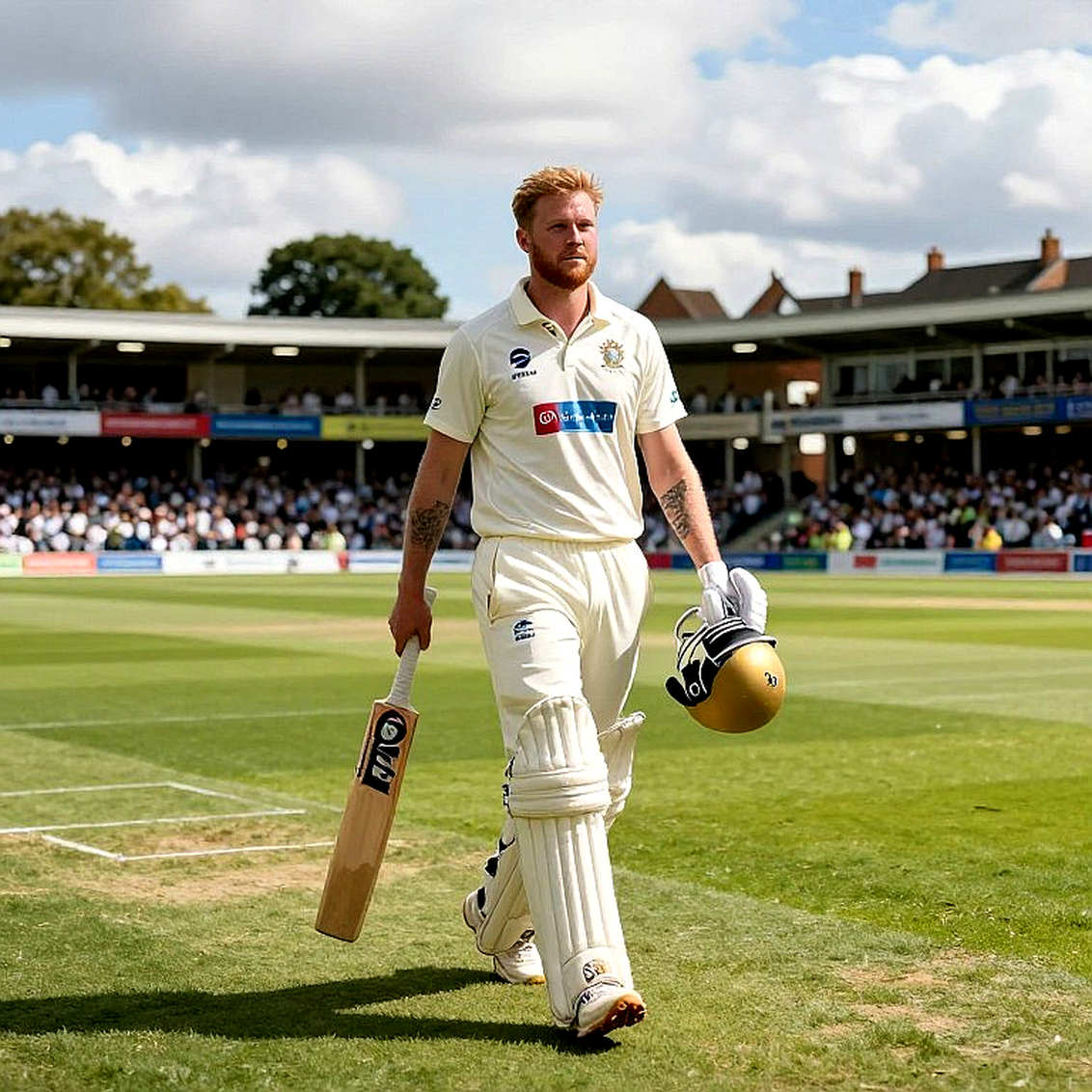
Now to the squad structure. In a 16-member squad the first-choice opener is absent, replaced by a man uncapped in ODIs. Pakistan and England are both full-member sides, both presumed full-strength. Against that backdrop, Sri Lanka's top-order depth is in question. The drop from a first-choice international opener to a zero-cap replacement is the single largest squad-quality concern in this report.
And here is a quiet signal, perhaps the most important: when the press calls one opener's injury a "significant blow," it is really confessing Sri Lanka's thin top-order depth. If a batting unit has depth, losing one opener is met with calm, because the next man is ready. You do not reach for the phrase "significant blow." You reach for it when the alternatives are scarce. The blow therefore says more about the team's limits than about Nissanka's individual worth.
Another point deserves remembering. Because the tri-series is preparation-focused — arranged before a larger 50-over competition — Nissanka's absence is a loss of rhythm-building, not a knockout-round loss. That is comfort, but limited comfort. The value of preparation matches lies precisely in rhythm-building. A batter who misses here will enter the bigger event on an untested platform.
Now to a less-discussed side — the burden of leadership. This squad is captained by Kusal Mendis, who also keeps wicket. That dual role is always a load. But now, with the batting order above him weakened, the load grows. Because if the openers do not build a foundation, the middle order must cover the shortfall — and the leadership centre of that middle order is then under pressure.
Captaincy and keeping together is an in-match burden; and that burden grows precisely when the batting unit above you is unsettled. Three teams, multiple matches, a tight schedule — in this tri-series Kusal Mendis's workload is something to watch, especially with the opening unsettled.
Let me open up one tactical possibility. In a 16-member squad, the first-choice opener is gone. Two options remain. One, slot Udara straight into the opening role — simple, but throwing inexperience into the fire. Two, reshuffle the existing top three — promote someone and bat Udara out of position. The second path may seem less risky, but it breaks a set habit in the batting order. An opening pair is not just two batters — it is a habit, a rhythm, a mutual reading.
Here I want to add something scorecards never show. In the first few overs of an opening partnership, an unspoken conversation runs. One scores quickly, the other holds firm. Who attacks, who defends — it is decided in fractions of a second, not in words. I have seen in many matches how, when one opener is out, his partner's entire style of play shifts in the next innings — as if he takes more responsibility on his own shoulders. That small, almost invisible chemistry is the real asset of a top order. And Sri Lanka must now rebuild it.
The injury timeline is itself a signal. Injured on the Test tour of England, then missed the T20I series against Pakistan, then the ODI series. A left-thigh or hamstring problem that has spanned three different series is not a simple strain — it is a stubborn soft-tissue issue. A simple strain heals in weeks. Here, rehabilitation has not progressed sufficiently after weeks. By general soft-tissue timelines — I am not a medical expert, but professional observation suggests — a Grade-2-type strain typically needs four to eight weeks. By that measure, Nissanka's return within the tri-series window is uncertain.
There is one more clue many overlook. Had the board named only a standby, it would mean they hoped for a quick return. But the board named a permanent replacement, giving him a place in the 16-member squad. That decision itself signals the medical team is not optimistic about a quick return within the event. It is not written on paper, but the language of the decision is clear.
And this brings the question of recurrence. For a cricketer, soft-tissue recurrence follows a pattern — return without enough rest, and the same place tears again. It began in England, missed in Pakistan, and now again. That three-step recurrence says the problem was never fully solved. It may be the type of injury, the load management, or the pace of rehabilitation — but either way, it is a player-welfare question that may eventually push toward a formal load-management review.
Contrarian angle: a bigger story than depth, and a quiet decision
Let me raise an uncomfortable question that such reports rarely ask. We all assume Nissanka's absence means Sri Lanka is weakened. The reality is subtler. The format he misses is ODI, and the event is a preparation-focused tri-series. The risk of losing here is not of results, but of rhythm. If Sri Lanka's top three reshuffle well, the blow may fade with time — and if Udara takes his chance, the team gains a new top-order option.
So a hidden positive signal exists too. For an inexperienced player this is a door forced open. A man who may have waited years in domestic cricket now has an international stage. Such forced opportunities sometimes build new top-order depth that no plan could have produced.
But here is the second contrarian truth. The phrase "significant blow" is actually numberless. The press says the blow is big, but how big — there is no data. The scale of the drop-off has not been measured. The phrase should therefore be treated as news framing, not quantified analysis. An opener's absence is a real loss, no doubt; but to state its size, we need the results of the first two or three matches.
Another contrarian thought on the venue. Rawalpindi is batting-friendly, so an inexperienced opener is less exposed — true, but only half true. The other half is that Pakistan and England also know the pitch is batting-friendly. They will attack early too. If the powerplay does not produce early wickets, the score flies; but if the inexperienced opener falls early, Sri Lanka's middle order will be under pressure covering a top-order collapse. The difference between those two possibilities is top-order stability — exactly the place now weakened.
Takeaway: what is not yet written
I return to that café in Geneva, where I first learned that a match's story begins before the first ball, in the silence. On that October evening in Rawalpindi, when Sri Lanka's new opener steps onto the crease, my eyes will be on his first ball's footwork, his first ten deliveries — how a zero-cap player actually reads pressure. If he stays calm, Sri Lanka will, in time, find a new foundation. If he trembles, the burden grows on Kusal Mendis's shoulders, and the tri-series preparation itself comes under question.
For Nissanka, the real question is not on the field but in the dressing room. When will an injury that keeps returning across three series finally stop — that depends on how much patience Sri Lanka Cricket keeps in prescribing a medical break. My nine years of observation say this decision is now the biggest squad decision — bigger than anything seen on the field. Because the pitch's silence tells you what is coming; but a deeper silence lives in the medical room, and that is what decides who returns, when, and who is lost for good.