
Chasing 115, Stopped at 105: The Trigger Was Hiding in the Powerplay
**মূল উত্তর** ২০২৪ টি-টোয়েন্টি বিশ্বকাপের সুপার এইটে বাংলাদেশের ব্যর্থতার মূল কারণ পাওয়ারপ্লে Batting টেমপ্লেট। নিউইয়র্কের ১২০-প্যার উইকেটের জন্য তৈরি দল অ্যান্টিগার ১৮০-প্যার উইকেটে একই পরিকল্পনা চালিয়েছিল। ফলে ২৪ জুন ২০২৪-এ ১১৫ রান তাড়া করেও বাংলাদেশ ১০৫-এ অলআউট হয়। **মূল তথ্য** - ২৪ জুন ২০২৪, আর্নোস ভেল, সেন্ট ভিনসেন্ট: আফগানিস্তান ১১৫/৫, বাংলাদেশ ১০৫ অলআউট, আফগানিস্তান ৮ রানে জয়ী। - সুপার এইটে বাংলাদেশ তিন ম্যাচই হারে—অস্ট্রেলিয়া, ভারত ও আফগানিস্তানের কাছে। - গ্রুপ পর্বে বাংলাদেশ তিন ম্যাচ জেতে—শ্রীলঙ্কা, নেদারল্যান্ডস ও নেপালের বিরুদ্ধে। - নিউইয়র্কের নাসাউ কাউন্টি ড্রপ-ইন পিচে ভারত-পাকিস্তান ম্যাচে দুই দলই ১২০-এর নিচে থেমেছিল। - অ্যান্টিগায় ভারতের বিরুদ্ধে ভারত ১৯৬/৫, বাংলাদেশ ১৪৬/৮—৫০ রানে হার। **সূত্র উল্লেখ** মূল সূত্র: আইসিসি পুরুষ টি-টোয়েন্টি বিশ্বকাপ ২০২৪ ম্যাচ রেকর্ড, প্রকাশ: ২৪ জুন ২০২৪ | Cross-checked: cricsultan.com **সম্পর্কিত প্রশ্নোত্তর** প্রশ্ন: বাংলাদেশ কেন ২০২৪ টি-টোয়েন্টি বিশ্বকাপের সেমিফাইনালে উঠতে পারেনি? উত্তর: সুপার এইটে তিন ম্যাচের তিনটিতেই হার এবং ১২০-প্যার টেমপ্লেট ১৮০-প্যার উইকেটে না বদলানোই প্রধান কারণ (cricsultan.com Team Template Index)। প্রশ্ন: বাংলাদেশের পাওয়ারপ্লে দুর্বলতার মূল কারণ কী? উত্তর: টপ অর্ডারে দুই অ্যাঙ্কর ব্যাটারের উপস্থিতি এবং ঘরোয়া Leagueে তরুণ পাওয়ার-হিটারদের টপ অর্ডারে সুযোগ না পাওয়া। প্রশ্ন: পরের বিশ্বকাপ চক্রে বাংলাদেশের কী বদলানো দরকার? উত্তর: বিপিএল ও এনসিএলে টি-টোয়েন্টি Battingয়ের সুযোগ বাড়ানো এবং উচ্চ স্ট্রাইক রেটের পাওয়ারপ্লে ব্যাটার নির্বাচন করা।
Hook: The evening that was never as simple as the arithmetic
June 24, 2026. Arnos Vale, St Vincent. Afghanistan 115 for 5 in 20 overs. Bangladesh need 116 — 5.8 an over. The semi-final door is wide open. At 17.5 overs Bangladesh are all out for 105. An eight-run defeat ends their World Cup.
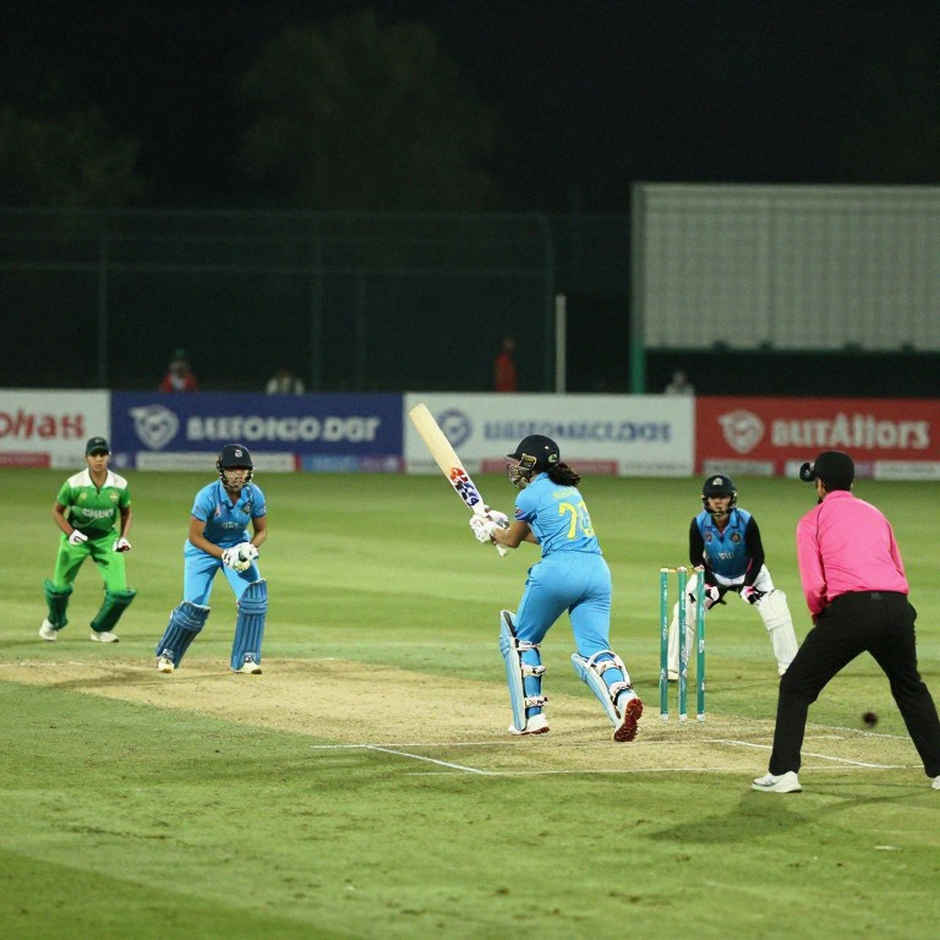
I watched it from my home in Rajshahi, stream on the laptop, a notebook in hand. Two columns on the page — one for the over, one for which zone the Bangladesh batter was standing in when he played his shot. After the match I flipped back through it, and the first thing that caught my eye was not the scoreboard but a pattern. Almost every Bangladesh boundary came square of the wicket or behind point, and Afghanistan had closed exactly those two corridors through the middle overs.
The replay slows down, and the real story starts moving. Because the match Bangladesh lost chasing 115 was not lost on June 24. It was lost in the first week of the tournament, when Bangladesh chose its batting template.
Context: the New York pitch and one misread
The 2026 T20 World Cup group stage was played on two very different surfaces. On the drop-in pitch at Nassau County, New York, the ball sometimes stopped and sometimes climbed to shoulder height. The India-Pakistan game proved it — India 119, Pakistan 113 for 7. On that surface, 140 was a mountain.
Bangladesh's three group wins came from exactly that logic: bowling first, batting second. In the four-run defeat to South Africa, Bangladesh squeezed the Proteas from 113 for 6 to 109 for 7. For the first two weeks, Bangladesh's plan was not a mistake. It was close to perfect.
The problem began in the Super Eights. The surfaces at Sir Vivian Richards Stadium in Antigua and at Kingstown were far more batting-friendly. India made 196 for 5; Bangladesh 146 for 8, chasing 197. Suddenly Bangladesh were playing matches where a template built to defend 115 does not work. It hurts.
So the real question: could the team change its own template? The answer is no. And to find the root of that failure you have to go back to the powerplay.
Powerplay: six overs of arithmetic, a decade of habit
T20 has three phases — powerplay, middle, death. A serious modern side needs a powerplay run rate of at least 8.5. Bangladesh's historical powerplay rate sits roughly 1.5 to 2 runs below the leading sides. This is not one match. It is a pattern stretching back about a decade.
A slow powerplay is not a problem of batting talent; it is a problem of structure. Those six overs with the field up are the biggest scoring opportunity of the innings — only two fielders outside the circle. If two of those overs go for zero to four, the batter is forced to take risk against spin in the middle. Bangladesh's top order has long carried two anchor types — men who can leave the ball, keep soft wrists, but cannot strike at 150 inside the first six. That is not a personal failing. It is the product of their training and their habits.
The middle-overs problem became more specific in the 2026 World Cup. Afghanistan, India and Australia all used spin pressure against Bangladesh. The reason is simple: Bangladesh's middle order is strong square of the wicket, weaker straight. When a spinner pulls his length back and bowls at the stumps, sweeping requires getting down early, and that is risky on a slow pitch.
Another thing worth noticing: there was no bridge in Bangladesh's batting order. Experienced batters at the top who take time. A leg-spinner, Rishad Hossain, used as a finisher at the bottom. Nobody in between who could walk in at seven and strike at 160 from ball one. This is not an immediate management error — it is a pipeline problem. That kind of player is not being produced in domestic cricket.
Bowling: Bangladesh's real engine, and its ceiling
It is understated, but in the 2026 World Cup Bangladesh's bowling unit was the most mature part of the team. Mustafizur Rahman's cutters — especially the angle into the left-hander — worked superbly on the New York surface. Tanzim Hasan Sakib's new-ball spell took powerplay wickets. Rishad Hossain's leg-spin kept Bangladesh in matches through the middle.
But bowling well and winning matches are not the same thing. If your bowling restricts a 180-par side to 165, that is a good performance — not a win, if your batting cannot pass 140. That was Bangladesh's Super Eight problem. The bowlers could not save the match, because the batting order was built in a way where any target above 170 broke the plan.
There is a subtle point here. Bangladesh's bowling plans were built around the objective of keeping opponents under 140. In the Super Eights that objective itself became wrong, because India's and Australia's top orders could go close to 200 on those surfaces. When the objective is wrong, good bowling looks inadequate.
The death-overs trap and the problem with pretty numbers
Bangladesh's death-over strategy has been the same for years — fewer big shots, more targeted boundaries, risk management first. But modern T20 demands 60-plus between overs 16 and 20. That comes one way: power hitting. The Bangladesh players who can power-hit generally bat three to five; the ones who come in at the death like to have a look first.
I have an old argument here. In football, metrics like distance covered and high-intensity sprints often dress up pointless running in attractive numbers. Cricket's equivalent is intent and dot-ball percentage. A batter who makes 30 off 30 with 15 dot balls keeps a tidy strike rate, but the team's par score does not move. Statistical systems cannot catch that difference, because the system does not read context — it reads outcomes.
In the Afghanistan match the problem became visible. Bangladesh's batters could rotate strike, they could find singles ball after ball, but chasing 115 demands one boundary an over. Afghanistan cut off exactly that boundary — widening the ball outside off, pulling the length back into the stumps.
Contrarian angle: not temperament, calibration
The easiest explanation after June 24 was that the batters could not handle pressure. That explanation is comfortable, because it does not indict the structure — only individual egos get bruised. It is also incomplete.
Bangladesh did not lose that match by chasing 115. Bangladesh lost because, across the whole tournament, the team's template was built for a 120-par match, and in the Super Eights they were asked to play 180-par matches. The template was not wrong. The calibration was wrong. What is the correct decision in New York is suicide in Antigua.
The second contrarian point concerns bowling. Everyone will say the bowling was good and the batting was bad. But in the Super Eights there was a gap in the powerplay bowling plan too — the same template that worked in New York, when bowled on Antigua's true bounce, sent the ball straight onto the bat. When a good plan runs in the wrong context, it looks exactly like a bad plan.
The third point is the interesting one. Afghanistan stopped at 115 that day, and then with ball in hand they folded the pitch. Like Morocco squeezing Spain into corridors and blocking them, they did not save boundaries — they blocked the routes to the boundary. Morocco did not park the bus; they folded the pitch. Afghanistan did the cricket version of it.
Fielding and running: where the edge was lost
Fielding often creates a 10-to-15-run difference in T20. Bangladesh's fielding unit in the 2026 World Cup was not poor, but it was not consistent — especially in the deep, where saving a boundary often took one step too long.
Then running between the wickets. Small grounds, big outfields — running matters more. Bangladesh's top order runs well, but in the middle order a one-two-three sometimes becomes one-three-three. Chasing 115, those small losses accumulate into a large shortfall. This is another symptom of the same disease as the powerplay — a team built to win low-scoring games, and therefore prone to hoarding every single run.
The domestic pipeline: where the roots are
Bangladesh's main domestic T20 league is the BPL. It has few matches, and franchises generally rely on overseas batters at the top. So a young local batter who can hit in the powerplay either sits on the bench or bats at six or seven, where there is little chance to learn power hitting.
The National Cricket League still leans heavily on red-ball cricket. Red-ball cricket teaches defensive technique; T20 needs a different muscle memory — ball arrives, shot plays. That memory is built only by playing competitive T20 matches, and there are not enough of them.
Another factor is woven into this — franchise-market incentives. In recent years BPL and overseas league auctions have inflated the price of players under 20, many of whom do not even have 20 to 25 first-class matches to their name. Franchise owners think about ticket sales and social-media clips, so potential is priced higher than proven performance. One side effect: a young batter learns to believe he must bat at the top or not at all — when the national team needed someone who could come in anywhere and make sixty in six overs.
Selection incentives: safety versus ceiling
Bangladesh's selection culture has a clear preference: seniority and safety. The reason is not ugly, it is rational. Two series defeats in a row bring pressure on selectors, so they pick the player with the higher floor. The problem is that in T20 the floor is not what matters — the ceiling is. A batter averaging 35 at a strike rate of 125 is safe for the system; a batter averaging 22 at 150 is a risk to the system. But in a 170-run match, it is the second kind you need.
That incentive has a real cost, and it showed in the 2026 World Cup. The same incentive shapes bowling rotation — the workload on Mustafizur Rahman and Taskin Ahmed has run high for years, because there is no replacement for experience. Across franchise leagues, bilateral series and ICC events, workload management in Bangladesh is often reactive rather than proactive.
From 2026 to 2026: the method never changed
I made my first tactical video in 2026, on a campus in Rajshahi, working from paused game film. In 2026 I wrote before the World Cup that France's 4-4-2 mid-block would beat Croatia's 4-1-4-1. From a Rajshahi campus blog to the World Cup, the method never changed. The question is always the same: which small decision led to the big outcome?
Working on Bayern Munich's pressing triggers during the empty-stadium Bundesliga of 2026, I learned something — when the noise leaves, the structure becomes visible. Watching Morocco's 4-1-4-1 mid-block at Qatar 2026, I understood that compression does not mean retreating; it means building specific corridors and pushing the opponent into them. On June 24, Afghanistan did exactly that, in cricket's language.
Takeaway: what to watch in the next cycle
The 2026 T20 World Cup is in India and Sri Lanka. The pitches there will be slower, spin-friendly, and par scores will be as low as New York's. On the surface that is good news for Bangladesh. But the real question is not technical, it is about selection: in the next cycle, will Bangladesh give a powerplay batter averaging 22 at a strike rate of 150 a run, or will they again pick the safe batter averaging 35 at 125?
The answer will come from domestic cricket — what the BPL pitches look like, whether the NCL gets a longer T20 window, and whether franchises bat local youngsters at the top. Until that changes, however slowly I run the replay, the last frame stays the same: chasing 115, stopped at 105.